





Antique Tin Storage Box
An antique tin storage box is a durable metal container built to hold everything from legal documents to biscuits, combining robust utility with decorative charm.
Antique Tin Storage Box
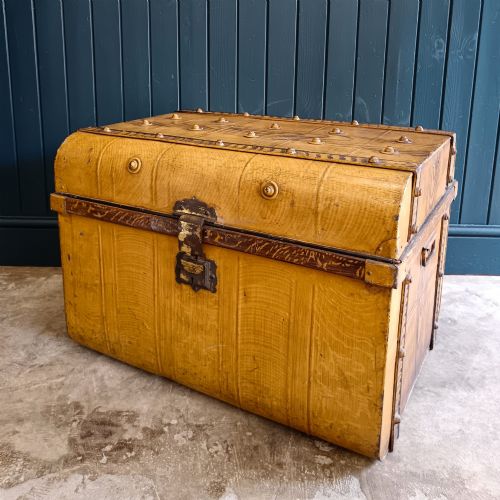
When searching for an antique tin storage box, collectors encounter a diverse array of utilitarian and decorative metal containers dating from the mid-nineteenth century through the early twentieth century. These items span Victorian, Edwardian, and industrial periods, reflecting a time when metalwork served both practical storage needs and whimsical advertising purposes.
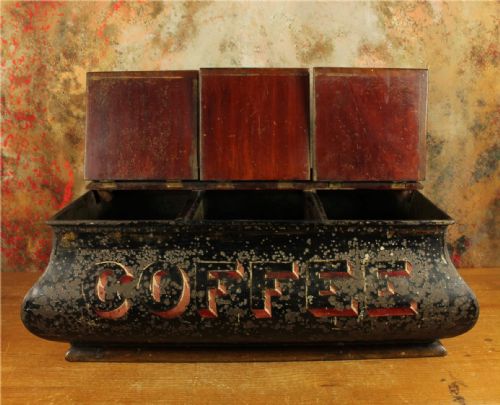
The selection on this page ranges from large steamer trunks and military hat boxes to specialised toleware document tins and novelty biscuit boxes. Buyers most frequently meet painted toleware items, tobacco jars, and compartmented storage boxes originating from British, French, and Belgian workshops.
Form follows function across these pieces, with dome-top caskets, stacking boxes, and waste paper bins showing how robust sheet metal was adapted for domestic and professional use. Whether finished in plain painted metal, faux-wood, or elaborate lacquer, each antique tin storage box provides a tangible link to past commercial and domestic habits.
How they were made
Makers constructed these storage pieces primarily from sheet metal, iron, and tinplate, shaping the rigid materials into trunks, boxes, and cylindrical canisters. Brass hinges, latches, and handles provided necessary structural reinforcement and functional closure for items subjected to regular handling and travel.
Surface decoration required specialised painting and lacquering techniques, particularly in toleware where layers of paint created durable, smooth finishes. Artisans applied hand-painted details, faux-wood graining, and faux-tortoiseshell effects directly onto the metal substrates to mimic more expensive natural materials.
Antique Tin Storage Box Retail Price Guide 2026
Typical asking prices for tin storage box among the pieces listed under this phrase on Sellingantiques today, from the lower quarter to the upper quarter. They describe what is for sale here now, not the wider market.
Listings feature items spanning from the 1860s through the 1930s, incorporating materials such as tin, brass, wood, and painted sheet metal.
What varies in quality
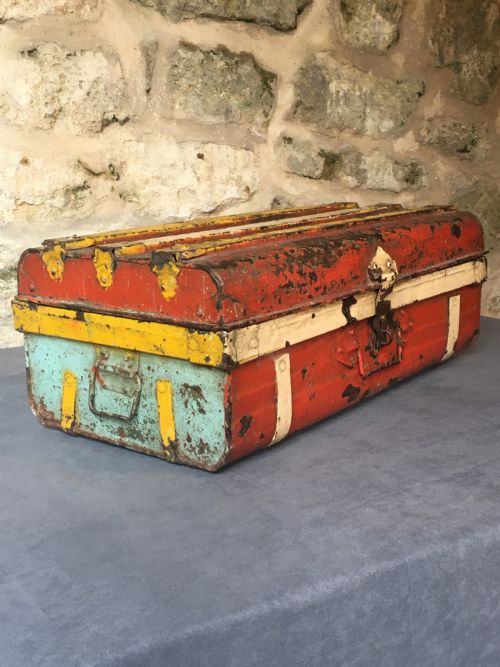
Quality in these metal containers rests heavily on the preservation of the original painted surface and decorative details. Pieces retaining crisp faux finishes, legible maker lettering, or hand-painted folk art show superior craftsmanship compared to heavily worn or later repainted examples.
Structural integrity also separates standard utilitarian items from finer examples, with well-aligned lids, functional brass hardware, and intact internal compartments indicating higher grade manufacture. Novelty and bespoke forms, such as custom hat boxes and branded biscuit tins, often demonstrate finer artistic ambition than plain storage trunks.
Huntley and Palmers·Peek Frean and Co·Hawkes and Co
The Antique Tin Storage Box Glossary
- Toleware
- Painted or lacquered metalware, typically tin or sheet metal, decorated with applied designs or hand-painted scenes. This technique was widely used in domestic storage boxes and document tins throughout the nineteenth century.
- Faux finish
- A decorative paint technique used to imitate natural materials such as wood, tortoiseshell, or leather. Makers applied these finishes to sheet metal to give utilitarian boxes a more refined appearance.
- Biscuit tin
- A metal container produced by commercial bakeries to package and market biscuits, often featuring elaborate lithography or shaped as novelty items. These tins became highly collectible for their imaginative forms and branding.
- Document tin
- A secure metal box utilised by solicitors, institutions, and individuals for storing legal papers and valuable documents. Sets of these tins were often painted and labelled for organised archiving.
- Hat box
- A rigid container specifically designed to store and transport headwear safely. Victorian and military examples frequently utilised reinforced metal or leather construction with fitted interiors.
Antique Tin Storage Box: Frequently Asked Questions
What were antique tin boxes used for?
These metal containers served a multitude of domestic, commercial, and military purposes, ranging from the storage of legal documents and tobacco to holding biscuits and uniform hats. Households and businesses relied on them for secure, pest-free organisation.
Over time, many utilitarian boxes transitioned into decorative items or specialised travel luggage, reflecting the changing demands of Victorian and Edwardian life.
How do I date an antique tin box?
Dating relies on examining the construction methods, manufacturing materials, and decorative styles present on the piece. Victorian and Edwardian examples often display distinct typography, paint techniques, and hardware styles unique to their decade of production.
Maker marks, branding, and historical contexts associated with specific trades also provide reliable clues for establishing a tighter production window.
What is toleware?
Toleware refers to metal objects - usually iron or tinplate - that have been painted or lacquered and finished with decorative details. The technique allowed artisans to create durable domestic items with polished visual appeal.
In storage boxes, toleware frequently manifests as rich painted surfaces, floral motifs, or specialised finishes designed to imitate luxury materials.
How should I clean an antique tin box?
Maintenance requires gentle dusting with a dry, soft cloth to protect fragile painted surfaces and original patinas. Harsh chemical cleaners or abrasive materials must be avoided to prevent stripping the historic finish.
Keeping the metal in a stable environment away from excessive moisture helps preserve both the structural integrity and the decorative paintwork.