

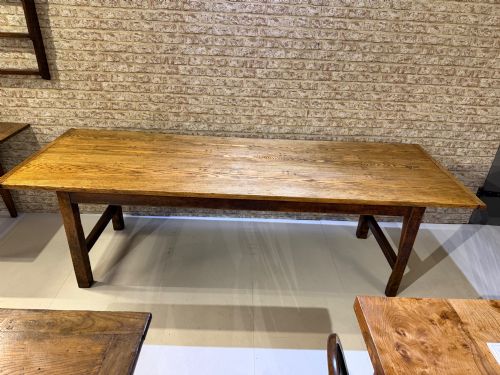
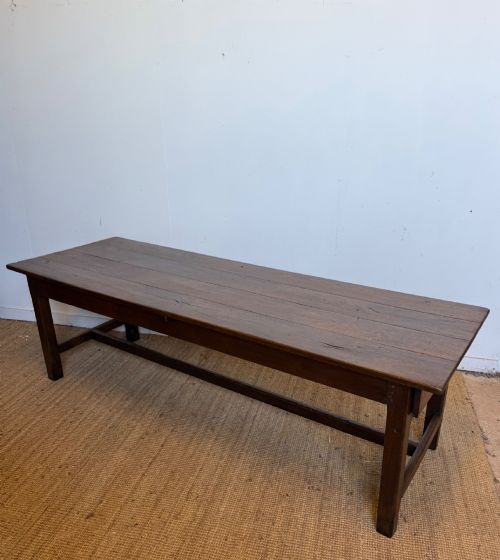
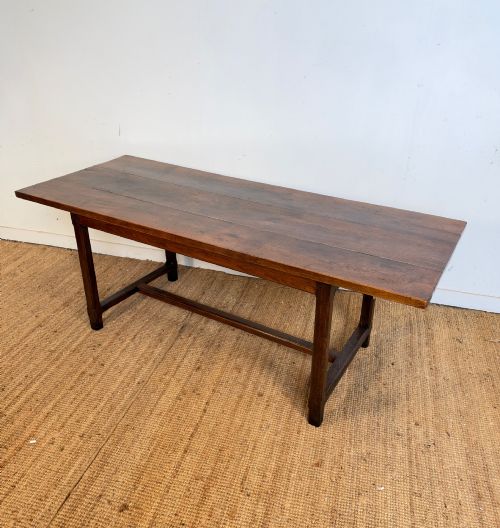
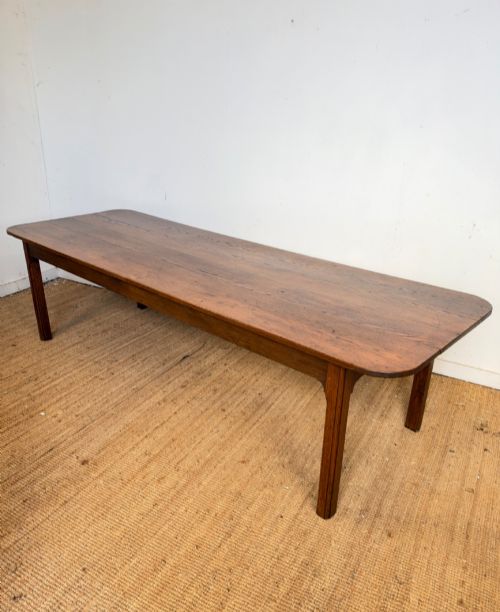
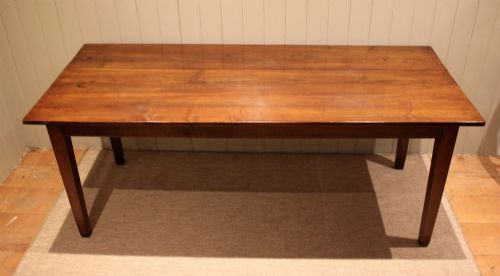
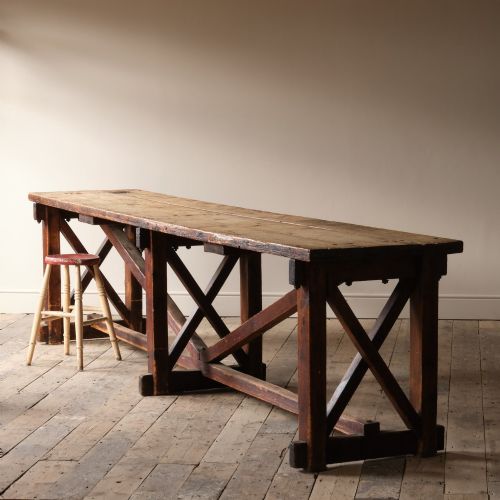
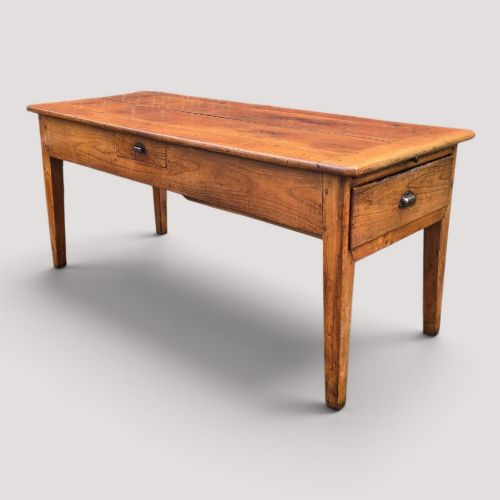
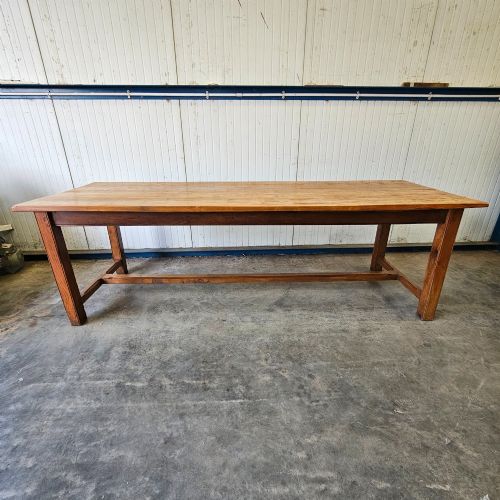
Antique Timber Kitchen Table
An antique timber kitchen table brings honest utility to a room, built from pine, oak, elm or fruitwood to handle daily family life.
Antique Timber Kitchen Table
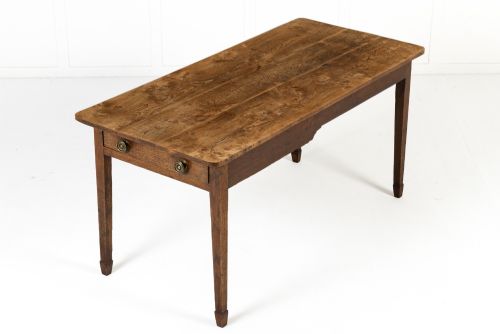
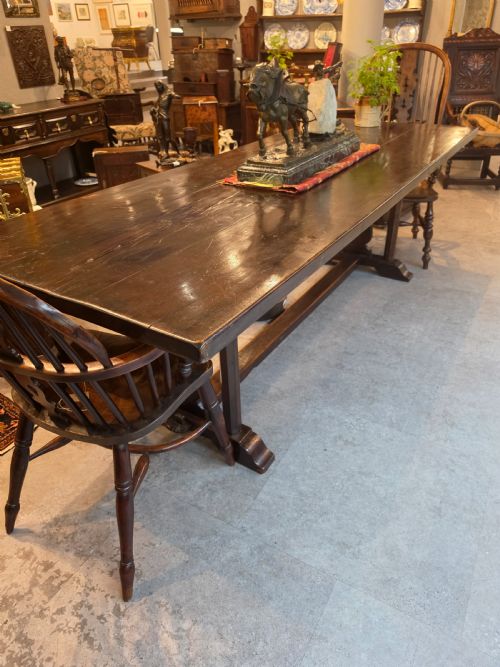
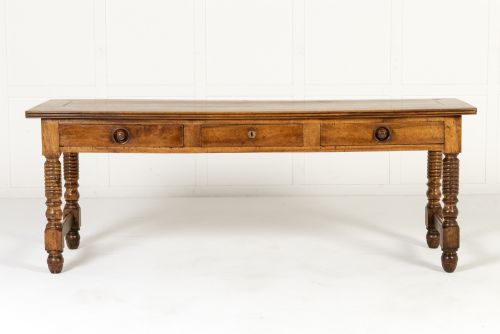
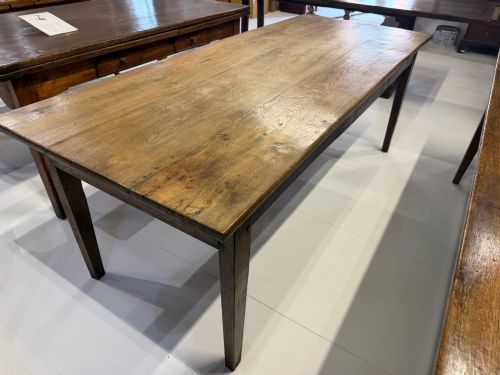
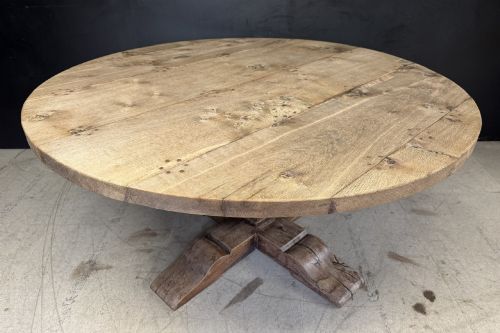
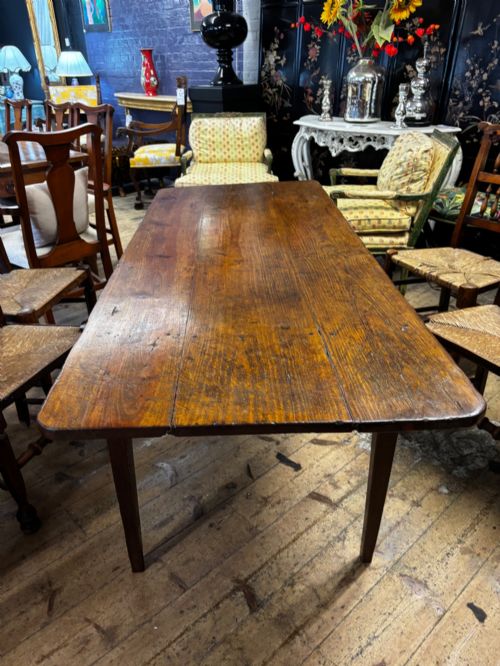
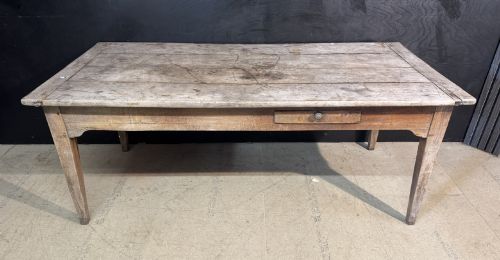
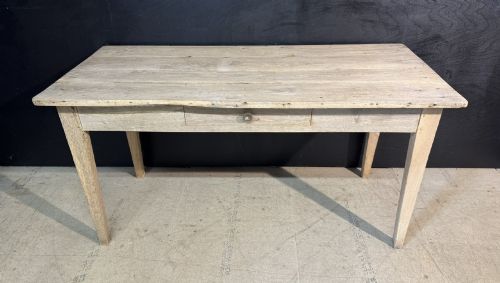
An antique timber kitchen table is a hard-working surface designed for domestic service, food preparation and daily meals. When searching for an antique timber kitchen table, you encounter forms ranging from scrubbed pine scrub tables and fruitwood refectories to robust oak tavern tables and heavy elm dining pieces.
The pieces appearing on this page span several centuries, including 18th century oak plank top examples, Victorian pine kitchen tables, and Edwardian walnut designs. You will frequently find farmhouse tables, work tables, and prep tables shaped by regional traditions across England, France, Italy, and Hungary.
These tables carry the marks of their working origins, from deep pine surfaces to painted finishes and potboards. They serve as the central gathering point in a modern home just as they did in past centuries.
How they were made
Joiners and country carpenters built these tables using solid native timbers such as pine, oak, elm, walnut, fruitwood, and sycamore. Planks were joined with pegged mortise and tenon joints to withstand heavy domestic labour.
Surfaces were left plain, scrubbed bare, or finished with later layers of paint according to their utility in sculleries, dairies, and kitchens. Supporting structures utilise thick legs, trestle ends, square section supports, or potboards for added stability.
Antique Timber Kitchen Table Retail Price Guide 2026
Typical asking prices for timber kitchen table among the pieces listed under this phrase on Sellingantiques today, from the lower quarter to the upper quarter. They describe what is for sale here now, not the wider market.
Listings feature timbers including pine, oak, elm, fruitwood, walnut, and sycamore across 18th, 19th, and early 20th century periods.
What varies in quality
The quality of an antique timber kitchen table rests upon the integrity of its construction and the character of the timber itself. Thick plank tops, substantial framing, and minimal structural alteration distinguish superior examples from simpler utilitarian pieces.
Timber selection and grain figure elevate certain pieces, such as fruitwood refectories or early oak plank top tables, above standard utility furniture. Original surfaces, whether scrubbed pine or historical paint, contribute significantly to the integrity of the piece.
The Antique Timber Kitchen Table Glossary
- Potboard
- An open slatted shelf fitted beneath the table top, traditionally used for storing pots and kitchen utensils. This feature is commonly found on English dressers and serving tables.
- Refectory table
- A long, narrow dining table traditionally used for communal meals. These examples often feature substantial timber tops supported by sturdy trestles or legs.
- Prep table
- A utilitarian work table designed for food preparation in kitchens, sculleries, or dairies. They frequently feature scrubbed timber tops and occasional drawers.
- Plank top
- A table surface constructed from wide boards joined side by side. Early examples often utilise thick oak or pine planks showing natural grain and wear.
Antique Timber Kitchen Table: Frequently Asked Questions
How do I clean an antique timber table?
Wipe the surface gently with a damp cloth and mild soap, avoiding harsh chemical cleaners that strip the natural finish.
Dry the timber thoroughly afterwards to protect the grain and maintain the character of the wood.
Can I use a kitchen table for daily dining?
These tables were originally built for heavy domestic work, making them exceptionally well-suited for everyday family dining.
Their robust construction handles regular use easily while developing further patina over time.
What is the difference between pine and oak tables?
Pine tables offer a softer, often scrubbed appearance with lighter tones that suit informal country interiors.
Oak tables provide greater density, darker hues, and a formal structural presence suited to refectory styles.
How do I date an old timber table?
Examine the construction methods, tool marks on the timber, and the style of the legs and stretcher supports.
Earlier pieces from the 18th century often feature pegged joints and thick oak planks, while 19th century versions frequently use pine.