





Antique Timber Hooks
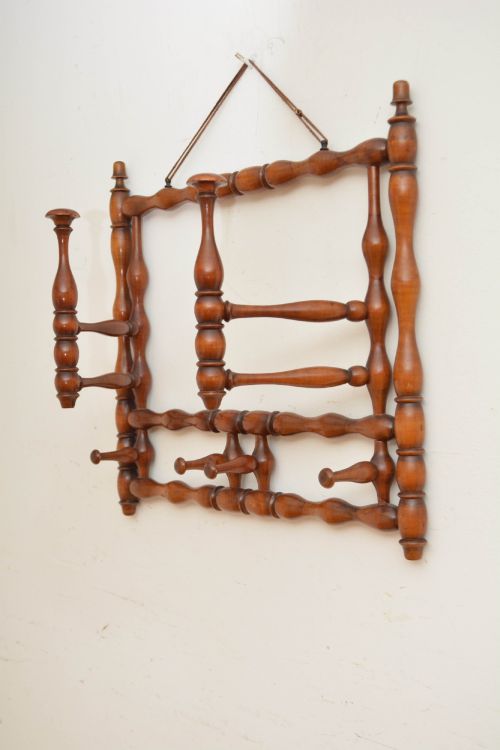
Antique timber hooks are functional wall fittings and practical racks shaped from solid woods like oak and beech, prized for their durable utility and period character.
Antique Timber Hooks
When you search for antique timber hooks, you encounter a practical range of wall racks, coat hooks, hall stands, and specialised hanging implements fashioned from solid woods. These pieces serve as functional hallway fittings, kitchen organizers, and rustic storage solutions designed for daily domestic use.
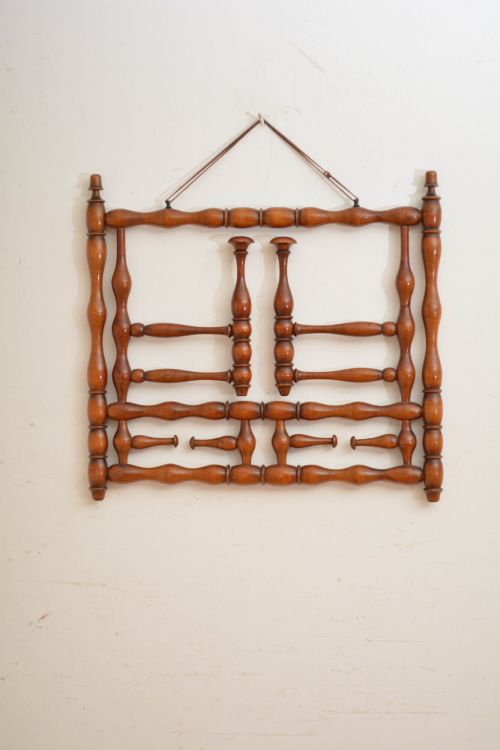
The selections available here span from the 18th century through the Edwardian era, encompassing simple utilitarian boards alongside deeply carved decorative forms. You are most likely to meet Victorian and turn-of-the-century coat racks alongside elaborately carved Black Forest wall mounts.
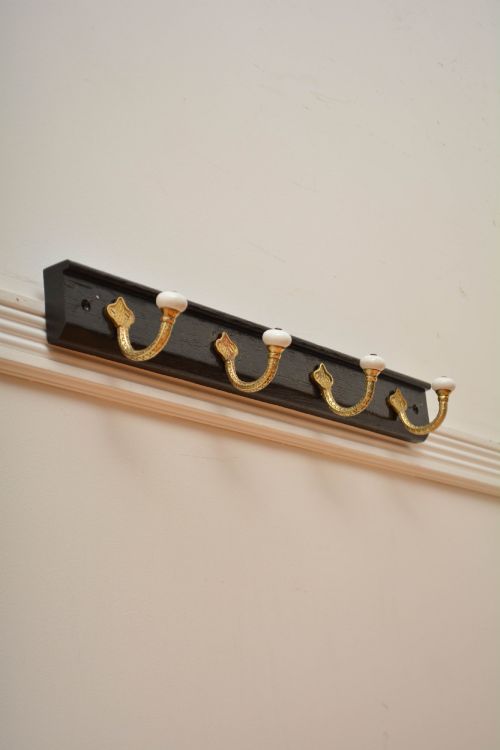
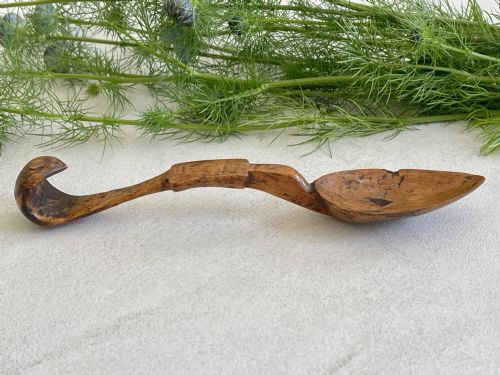
The category extends beyond basic wall hooks to include related wooden items such as kitchen game hook racks, boot jacks, wig hangers, and treen pieces fitted with metal attachments. Each object reflects the prevailing interior storage needs of its respective period, combining structural timber with functional brass or iron fixtures.
How they were made
Makers constructed these pieces using solid timbers such as oak, beech, linden wood, sycamore, and ebonised woods selected for their strength and grain. Carpenters and rural craftsmen shaped the backboards and mounts using traditional hand-working methods appropriate to each era.
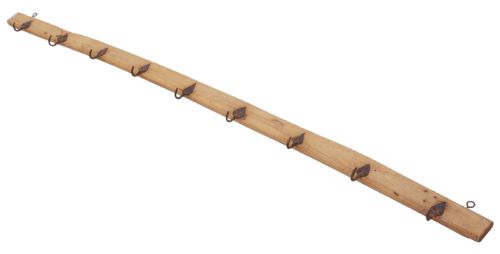
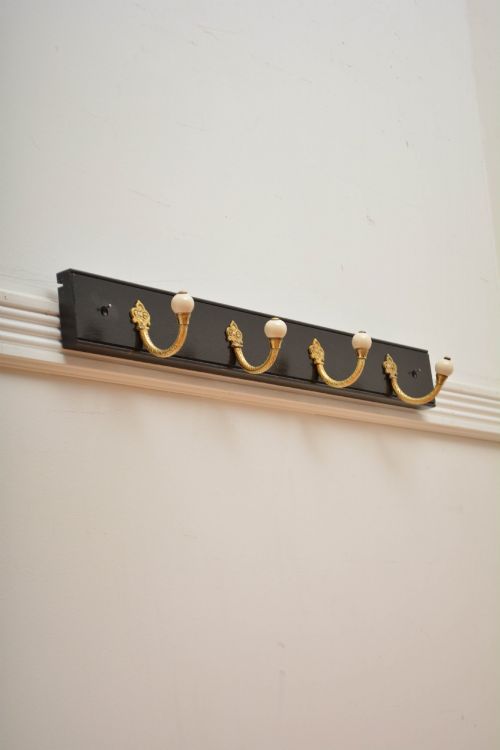
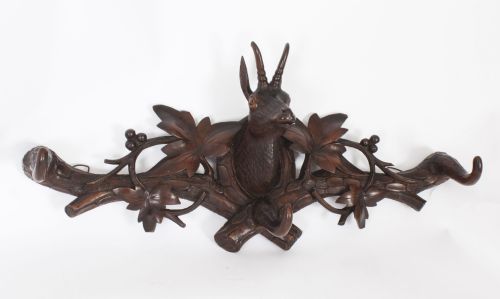
Metal components, including brass and wrought iron, were secured to the wooden bases to form the hanging points, sometimes accompanied by ceramic inserts. In specific decorative examples, such as Black Forest pieces, artisans utilised intricate hand-carving techniques to shape animal heads and figurative motifs directly into the timber.
Antique Timber Hooks Retail Price Guide 2026
Typical asking prices for timber hooks among the pieces listed under this phrase on Sellingantiques today, from the lower quarter to the upper quarter. They describe what is for sale here now, not the wider market.
The listings here feature timber hooks and racks spanning the 18th, 19th, and early 20th centuries, utilising oak, beech, linden wood, and brass.
What varies in quality
The standard of a piece depends largely upon the depth and precision of the craftsmanship evident in the timber shaping and carving. Simpler boards rely on the quality of the solid wood grain and the secure fixing of the metal hooks, whereas decorative items are judged by the artistry of the hand-carved elements.
Integrity of materials also determines the overall character, seen in the preservation of original patination on the wood and the matching integration of brass, ceramic, or iron fittings. Pieces that retain their original structural mounting points and uncompromised wooden bodies demonstrate superior preservation.
The Antique Timber Hooks Glossary
- Black Forest
- A regional style of intricate wood carving originating from the mountainous European region, known for realistic animal and nature motifs.
- Ebonised
- Wood treated with a chemical stain or finish to imitate the dark, dense appearance of ebony.
- Treen
- Small, functional wooden household objects made by turning or carving, ranging from spoons to bowls.
- Campaign
- Portable or folding equipment designed for military officers on the move, featuring compact and robust construction.
- Patination
- The surface sheen and colour developed on wood and metal over decades of handling, exposure, and age.
Antique Timber Hooks: Frequently Asked Questions
How were antique timber hooks used?
These pieces served primarily in hallways, kitchens, and boot rooms for hanging heavy garments, hats, game birds, or household utensils.
Their robust construction allowed them to bear the daily weight of Victorian and Edwardian outdoor wear and domestic gear.
What woods were commonly used?
Carpenters relied on durable domestic timbers such as oak, beech, and sycamore, alongside softer linden wood for detailed carving work.
Ebonising treatments and applied finishes were frequently utilised to alter the appearance of the base wood.
How do I mount an old hook rack?
Original mounting holes or brackets on the timber backboard dictate how the piece should be safely secured to a wall.
Careful consideration of wall fixings ensures the rack can safely support the intended weight of modern coats and items.
What defines Black Forest pieces?
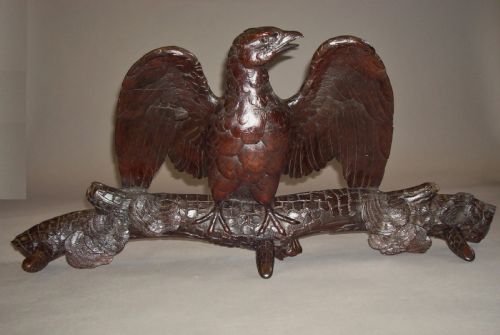
These items feature distinctive, highly detailed hand-carved animal subjects such as chamois, eagles, or dogs integrated into the wooden mount.
Originating in the 19th century, they combine sculptural artistry with practical wall storage.