


Antique Timber Furniture
These pieces of antique timber furniture bridge centuries of craftsmanship, offering practical utility and enduring character to any interior.
Antique Timber Furniture
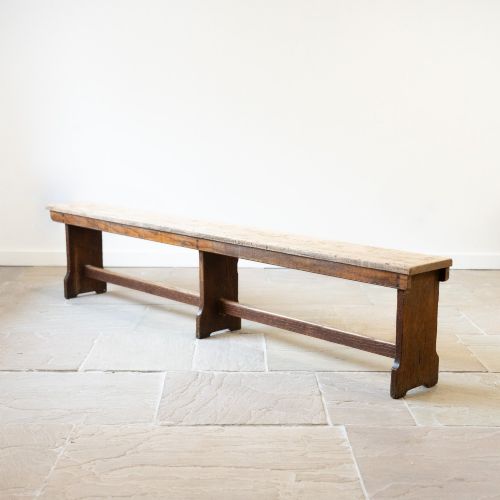
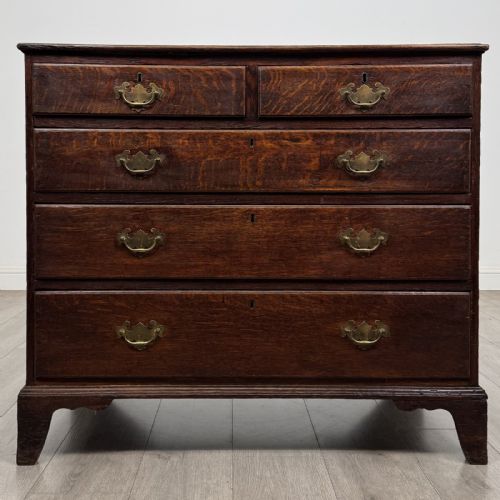
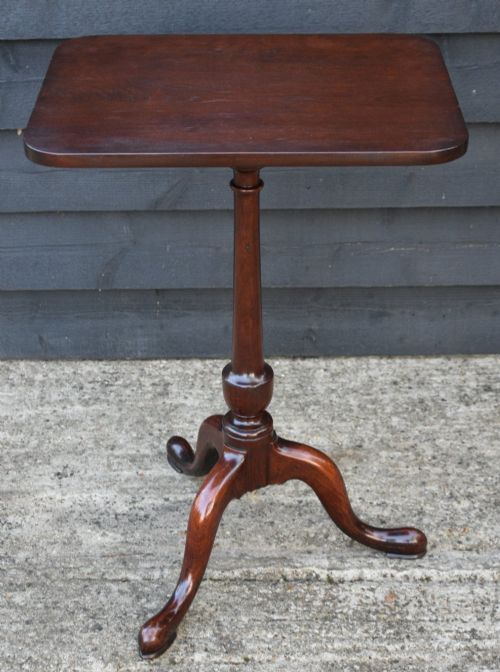
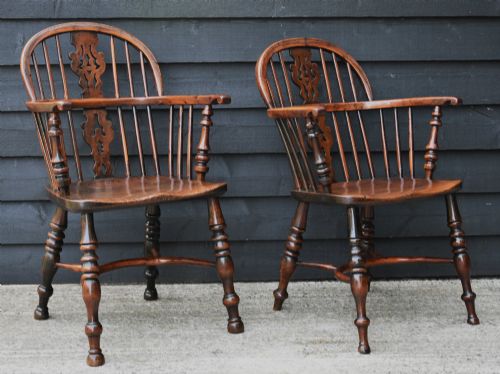
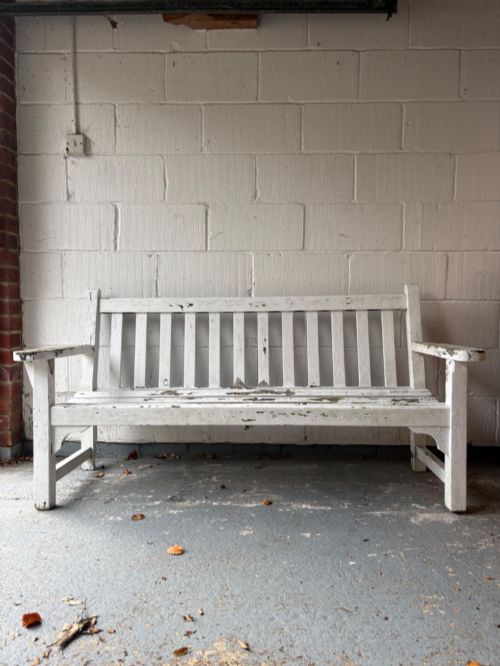
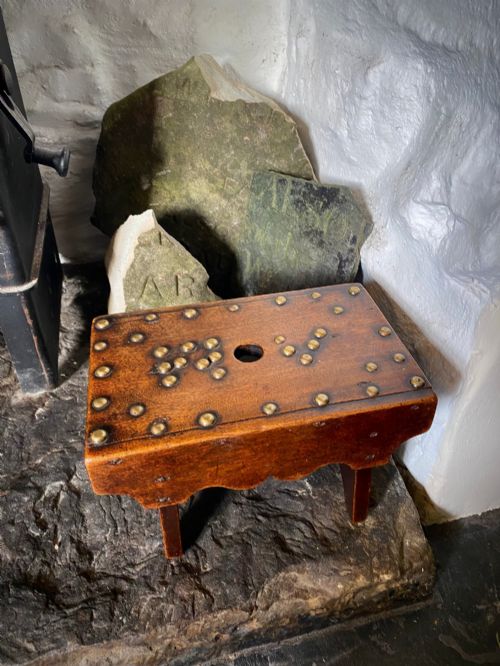
Antique timber furniture encompasses a diverse selection of practical items designed for everyday use, spanning multiple centuries from the seventeenth century through to the Edwardian era. Buyers searching for antique timber furniture encounter various forms ranging from sturdy oak benches and elm chests of drawers to mahogany hall chairs and walnut side chairs.
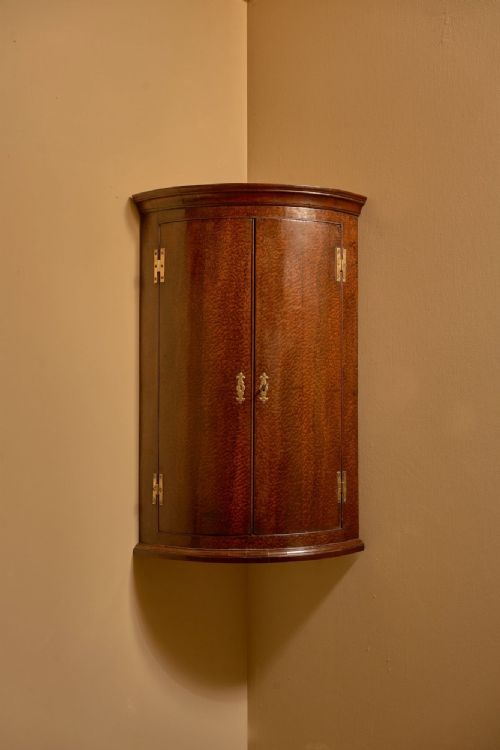
The selection reflects both domestic utility and decorative arts, including specialised items like laundry tables, bedside seating, and storage cupboards originating from diverse regional workshops across Britain, France, Sweden, and beyond.
How they were made
Constructed primarily from solid native and exotic timbers such as oak, walnut, mahogany, pine, elm, and ash, these items rely on traditional joinery methods appropriate to their period. Craftsmen shaped panels, frames, and supports using hand tools, often incorporating brass hardware, iron details, and decorative fabric upholstery.
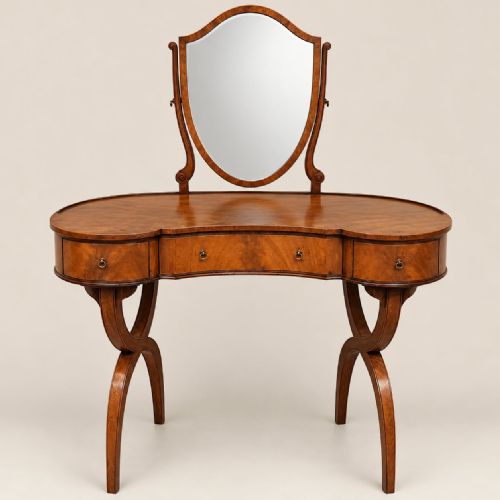
Surface finishes vary from polished mahogany and burr walnut veneers to hand-painted folk art folk motifs and faux graining on pine, demonstrating workshop traditions adapted to regional materials.
Antique Timber Furniture Retail Price Guide 2026
Typical asking prices for timber furniture among the pieces listed under this phrase on Sellingantiques today, from the lower quarter to the upper quarter. They describe what is for sale here now, not the wider market.
Listings feature items spanning the 17th Century to the 1930s, utilising oak, walnut, mahogany, pine, elm, and ash.
What varies in quality
The standard of timber furniture depends heavily on the selection of raw materials, such as figured burr walnut or dense Cuban mahogany, and the precision of the underlying joinery. Superior examples display thoughtful proportions, integrated carving, and original structural elements that remain stable over centuries of use.
Lesser items may show utilitarian construction with replacement elements, heavier surface wear, or simpler secondary timbers, though regional country pieces retain charm through honest construction rather than refined cabinetmaking.
G Bartholomew And Co·Gillows·Oliver Morel·Strahan And Co·Trollope And Sons
The Antique Timber Furniture Glossary
- Chest of drawers
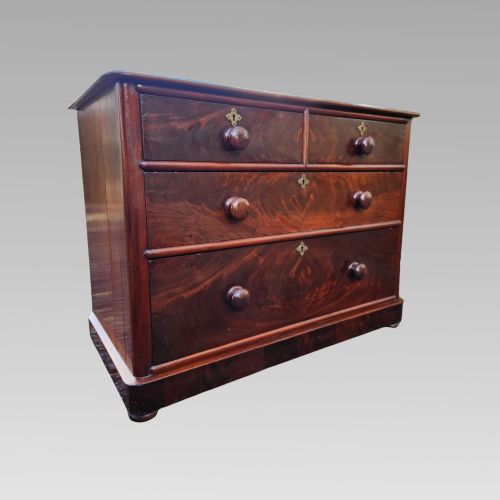
- A case piece featuring multiple horizontal drawers stacked vertically for storage. These typically follow standard configurations like two small drawers over three larger ones.
- Settle
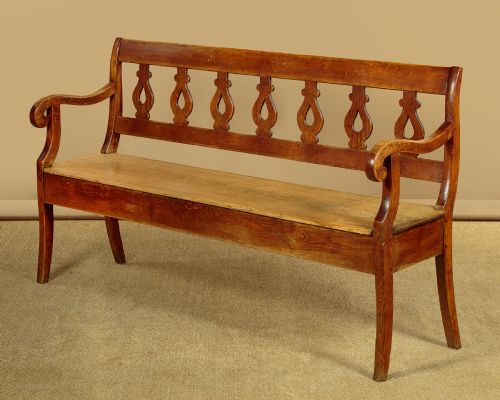
- A wooden bench featuring a high back to block draughts, often incorporating a hinged seat that lifts to reveal a storage box underneath.
- Joint stool
- A sturdy low wooden stool constructed with pegged mortise and tenon joints rather than turned legs inserted into a seat.
- Commode
- A low decorative cabinet or chest fitted with doors or drawers, originating from French furniture traditions.
- Whatnot
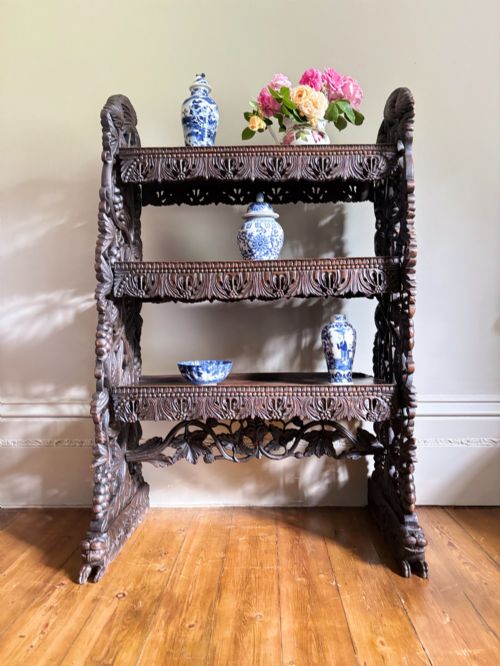
- A tall, open set of tiered shelves used for displaying ornaments and small objects, popular during the Victorian period.
Antique Timber Furniture: Frequently Asked Questions
What defines antique timber furniture?
Antique timber furniture comprises wooden household items dating from the seventeenth century up to the early twentieth century. These objects include seating, storage units, and tables made from woods such as oak, mahogany, walnut, and pine.
Makers utilised traditional hand-working techniques suited to the period of origin. Each piece reflects the domestic needs and stylistic preferences of its time.
How do I care for wooden antique furniture?
Wooden antiques require stable environmental conditions away from direct heat sources and strong sunlight. Maintaining consistent room humidity prevents the timber from splitting or warping.
Apply suitable wax polishes sparingly to nourish the surface finish without building up heavy residues. Regular dusting with a soft cloth protects the aged patina.
How can I tell different periods apart?
Stylistic clues and construction methods help distinguish between centuries, such as heavy carved oak in seventeenth-century pieces versus elegant mahogany in Georgian items. Regional country furniture often retains simpler traditional designs compared to urban cabinetwork.
Examining the underside, drawer linings, and fixing types reveals manufacturing techniques specific to particular eras.
Where were these pieces used originally?
These items served functional roles across various settings, from grand drawing rooms and libraries to country cottages, taverns, and farmhouses. Specific forms were tailored to particular rooms, such as hall chairs for entranceways and laundry tables for utility spaces.
Many designs adapted over time as domestic architecture and household habits evolved.