




Antique Timber Caddy
These antique timber caddy examples span Georgian to Victorian eras, offering domestic storage formed from dense woods and refined veneers for modern display.
Antique Timber Caddy
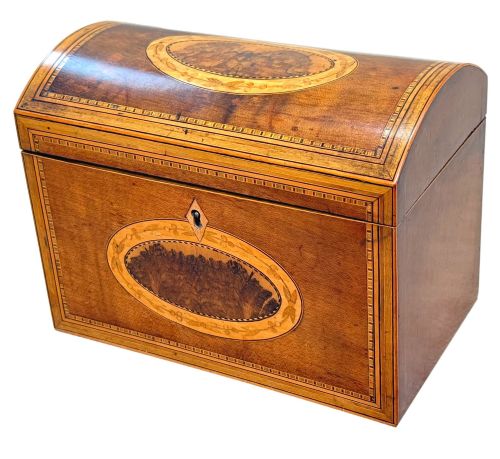
An antique timber caddy serves as a historic container for dry goods, predominantly leaf tea, which was historically stored securely under lock and key. The selection on this page ranges widely across periods, including Georgian, Regency, and Victorian iterations.
Makers shaped these objects to sit upon formal dining tables, sideboards, or drawing-room desks. Their interior arrangements frequently include fitted compartments, small mixing bowls, or distinct covered canisters designed to keep valuable loose leaves separate.
Materials and construction methods
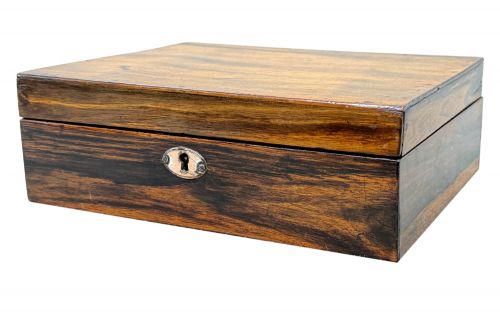
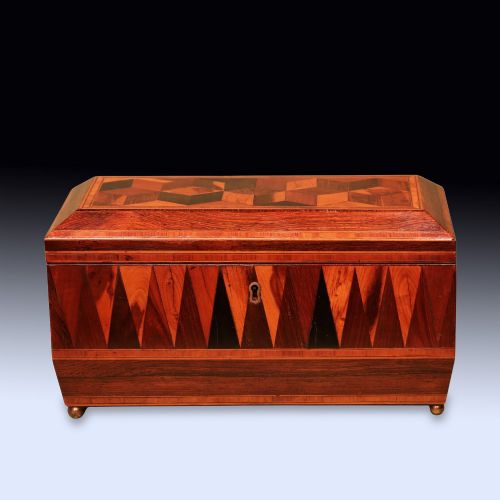
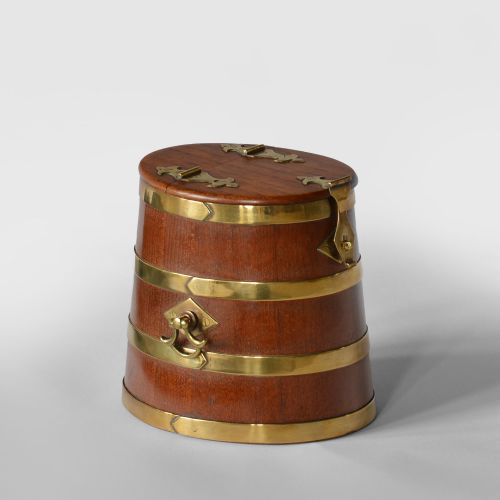
Cabinetmakers utilised dense native and exotic hardwoods, selecting mahogany, walnut, oak, and figured rosewood for their stability and grain pattern. These solid timbers were often faced with fine decorative veneers, including satinwood, coromandel, and amboyna.
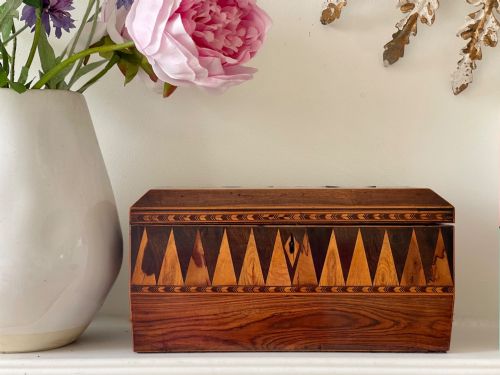
Surface enrichment relied on meticulous techniques such as parquetry, Tunbridge Ware micro-mosaic, and delicate shell or string inlays. Joinery methods combined precise dovetailing for carcass construction with brass hardware, including escutcheons, hinges, and carrying handles.
Antique Timber Caddy Retail Price Guide 2026
Typical asking prices for timber caddy among the pieces listed under this phrase on Sellingantiques today, from the lower quarter to the upper quarter. They describe what is for sale here now, not the wider market.
Current listings demonstrate extensive use of exotic imported timbers including coromandel and partridge wood alongside traditional British mahogany.
Distinctions in craftsmanship and condition
Quality rests upon the selection of timber veneers and the precision of decorative inlays such as parquetry or shell motifs. Finer pieces demonstrate seamless joint work and retain original interior fitments, including functioning locks and contemporary mixing vessels.
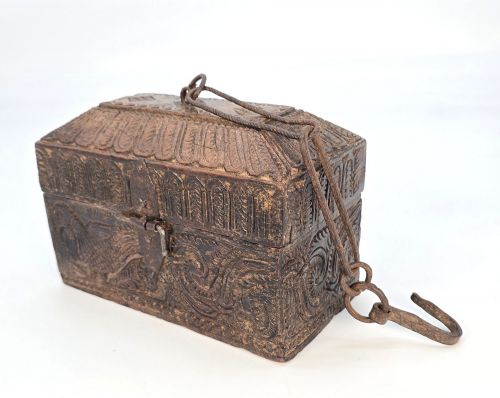
Regional vernacular items display simpler construction in local woods like Welsh oak, whereas metropolitan pieces from the Georgian and Regency periods show refined carving, sophisticated geometric banding, and complex sarcophagus or octagonal forms.
Henry Hollamby
The Antique Timber Caddy Glossary
- Tea caddy
- A small box or chest designed for storing loose tea leaves. The word derives from catty, a Chinese unit of weight.
- Tea poy
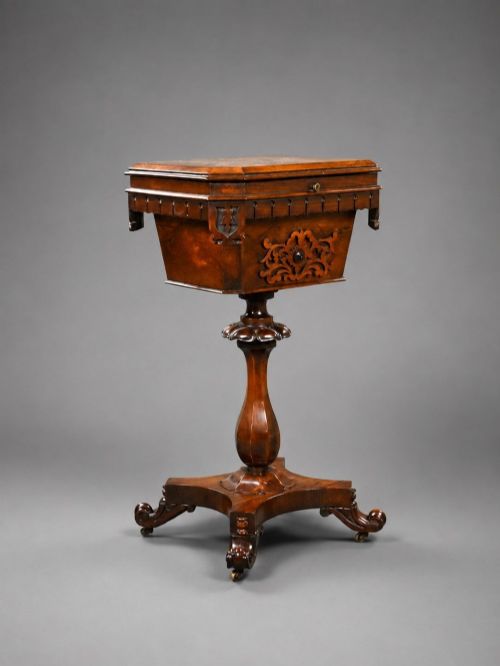
- A small stand or table featuring a top container for holding tea, often mounted on a pillar and claw base during the Regency and William IV periods.
- Tunbridge Ware
- A type of decorative woodwork characterised by intricate mosaic patterns made from many small blocks of naturally coloured wood.
- Partridge wood
- A dense tropical timber valued for its speckled, partridge-feather grain pattern, frequently utilised in late eighteenth-century caddies.
- Cellarette
- A large freestanding or box-like vessel designed to hold bottles of wine, sharing construction traits with larger caddy forms.
Antique Timber Caddy: Frequently Asked Questions
What were antique timber caddies used for?
These vessels originally stored expensive tea leaves under lock and key to protect valuable household stores from domestic servants.
They also functioned as decorative objects on prominent display in period drawing rooms.
How do I date an antique timber caddy?
Dating relies on observing wood choices, construction methods like dovetailing, and distinct prevailing decorative styles from Georgian or Victorian eras.
Hardware styles and interior compartment layouts also offer strong chronological markers for specific decades.
Why do some caddies have glass bowls inside?
The integrated glass bowls served as mixing vessels where different varieties of loose tea leaves could be blended before brewing.
They were lifted out using small rims or handles built into the fitted wooden interior dividers.
How should I care for a wood caddy?
Keep wooden boxes away from direct sunlight and steady heat sources to prevent timber shrinkage and veneer lifting.
Apply a microcrystalline wax occasionally to nourish antique polished surfaces without damaging historical finishes.