

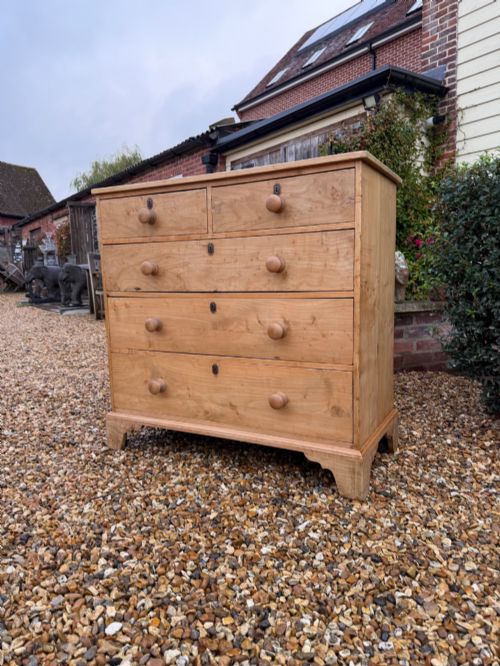
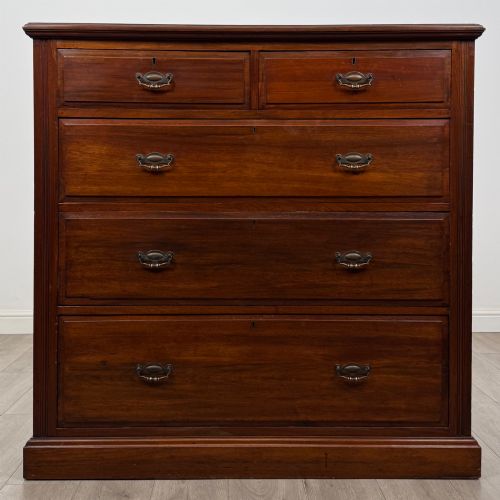
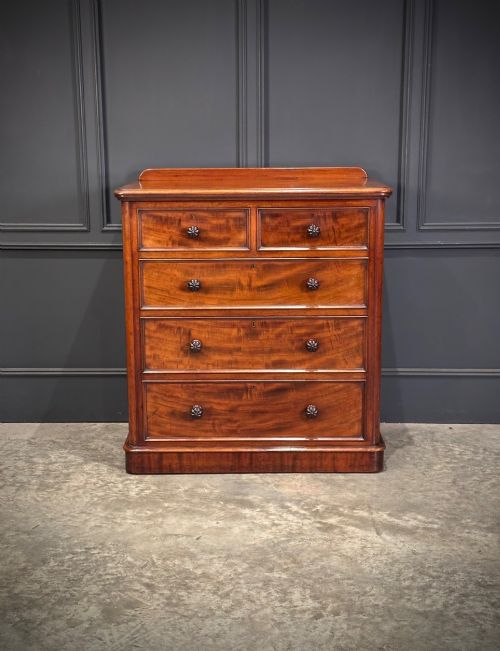
Antique Timber Bureau
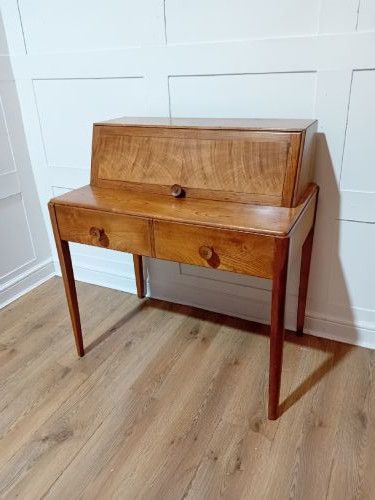
An antique timber bureau delivers a drop-front writing surface concealing fitted compartments, standing as a practical centrepiece for home study.
Antique Timber Bureau
An antique timber bureau combines a writing slope with functional storage drawers, evolving through Georgian, Victorian, and Edwardian periods into distinct regional forms.
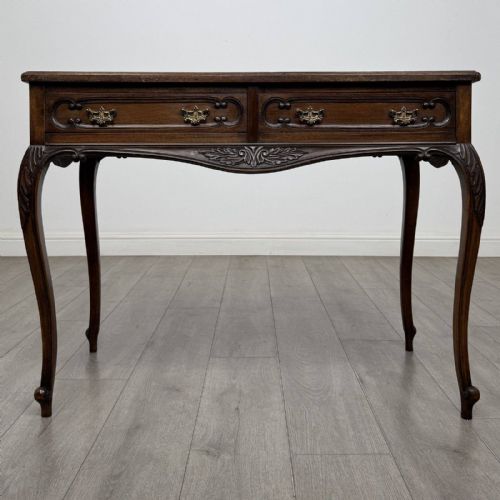
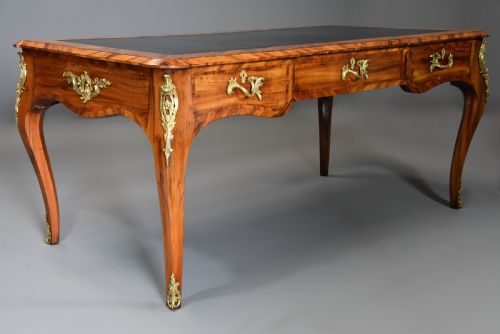
Buyers encounter Anglo-Indian hardwood versions, Arts and Crafts oak designs from the Cotswold School, and continental styles including Louis XV Revival examples.
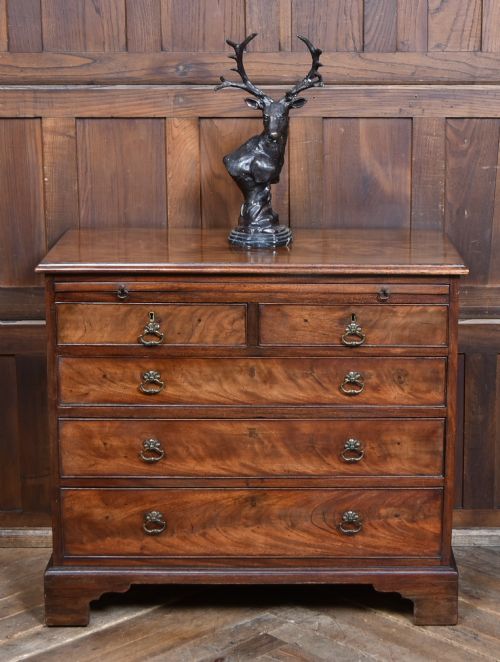
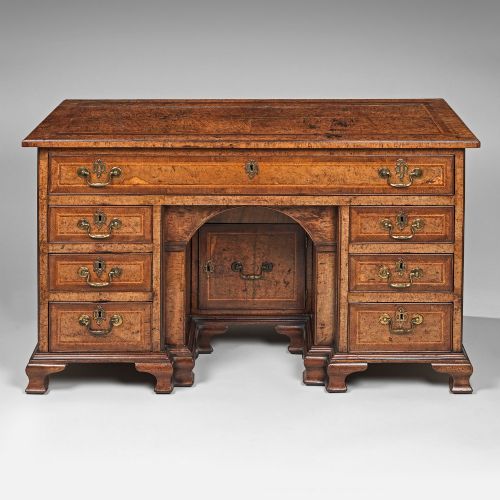
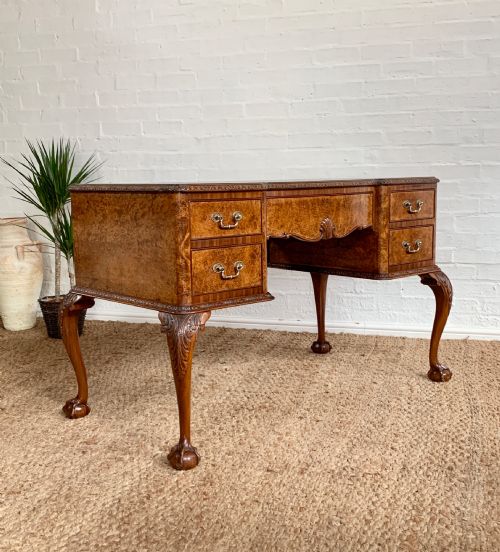
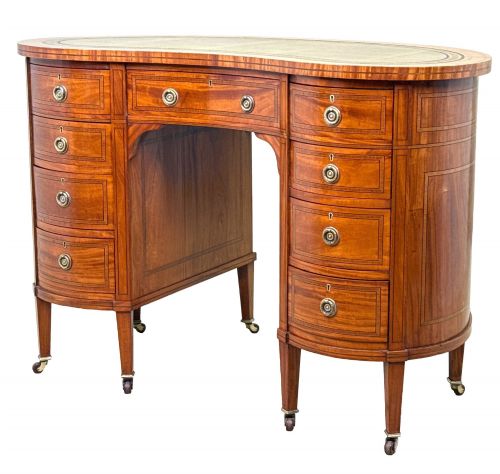
The selection ranges from diminutive George II knee-hole desks to large nineteenth-century pedestal formats utilising mahogany, walnut, satinwood, and elm.
Materials and construction
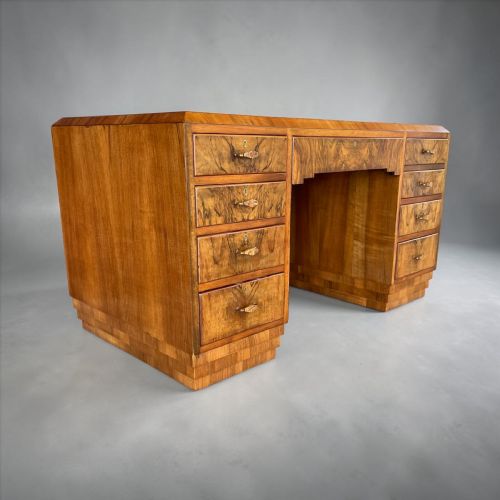
Cabinet makers relied on hardwoods such as mahogany, oak, and walnut, frequently incorporating burr veneers and satinwood stringing to create decorative surfaces.
Structural integrity depended on dovetailed drawer construction and precision joinery, often finished with brass hardware and occasionally inset with tooled leather writing surfaces.
Antique Timber Bureau Retail Price Guide 2026
Typical asking prices for timber bureau among the pieces listed under this phrase on Sellingantiques today, from the lower quarter to the upper quarter. They describe what is for sale here now, not the wider market.
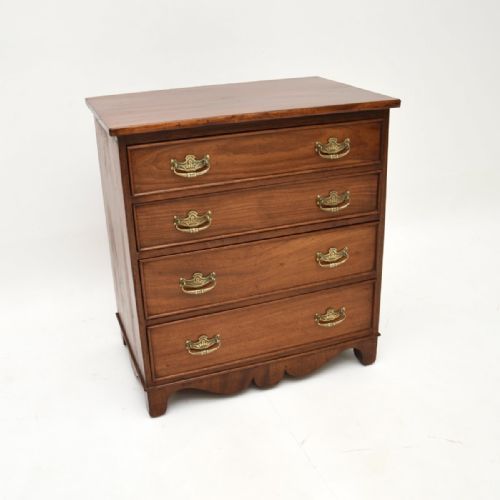
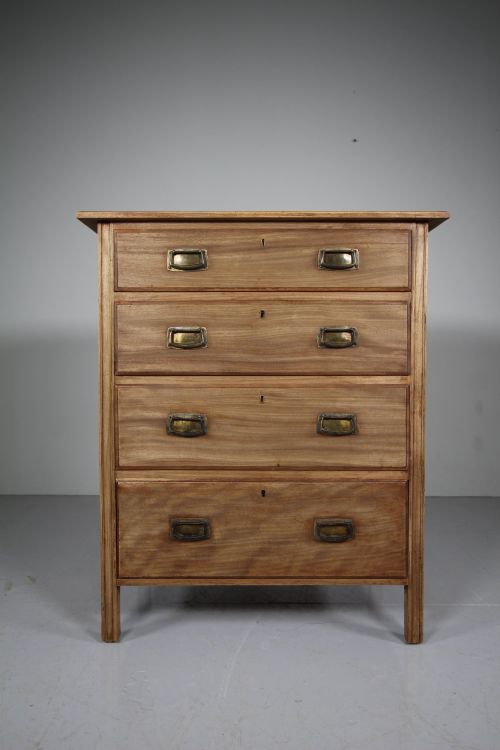
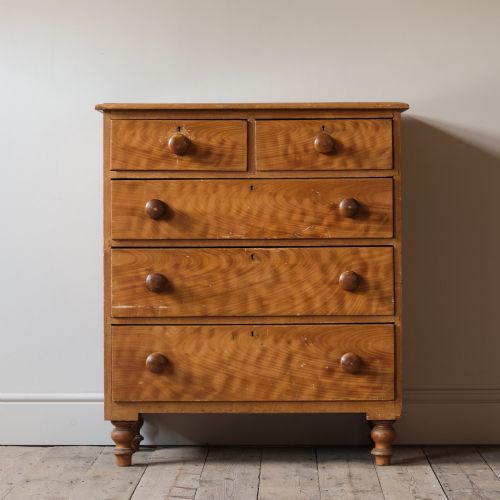
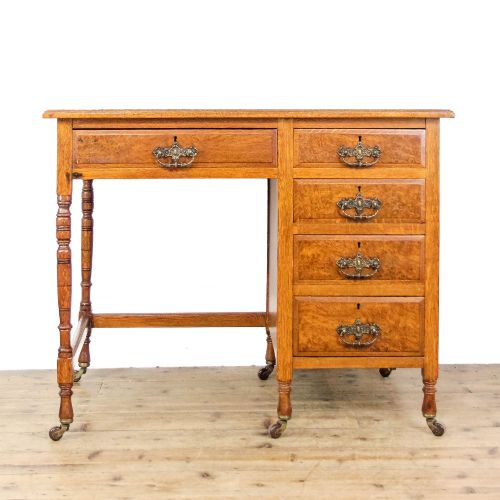
Listings span the eighteenth, nineteenth, and twentieth centuries, recording diverse timbers including burr elm, satin birch, and bleached oak.
Distinctions in craftsmanship
Superior examples display careful timber selection, matching grain patterns across drawer fronts and drop-front flaps, whereas standard pieces utilise plainer stock.
The complexity of the interior fitments - such as secret compartments, pigeonholes, and small drawers - separates standard utility furniture from accomplished cabinet work.
Arthur Basil Reynolds·Heal and Son
The Antique Timber Bureau Glossary
- Bureau plat
- A freestanding French writing table featuring a rectangular top and drawers beneath the frieze, unequipped with a sloping fall-front. This form emerged in France during the eighteenth century.
- Knee-hole desk
- A compact desk configuration featuring a central recess for the sitter's legs, flanked by pedestals of small drawers. These pieces often date from the Georgian era.
- Pedestal desk
- A heavy freestanding desk comprising two supporting columns of drawers beneath a single top. They provide substantial surface area and deep storage capacity.
- Dovetail
- A traditional wood joint formed by interlocking wedge-shaped fingers, securing drawer corners against lateral pull. Hand-cut dovetails indicate earlier periods of manufacture.
- Stringing
- Thin inlaid lines of contrasting timber set flush into the surface veneer for decorative border work. It appears frequently on satinwood and mahogany pieces.
Antique Timber Bureau: Frequently Asked Questions
How do I use a bureau daily?
Lower the fall-front flap to reveal the internal writing ledge and pigeonholes, providing a dedicated space for correspondence and laptop use.
Close the flap when finished to conceal papers and maintain a tidy room appearance.
Where should I place a timber bureau?
Position the piece against an interior wall away from direct sunlight and heat sources to prevent timber drying and veneer lifting.
Ensure adequate natural light falls across the writing surface from the side.
How do I care for leather writing surfaces?
Dust the tooled leather gently with a dry, soft cloth to remove grit without abrading the surface tooling.
Apply specialist leather creams sparingly if the material shows signs of dryness.
How can I distinguish Edwardian pieces from Georgian ones?
Examine the timber species, secondary woods, and hardware construction, as Edwardian furniture frequently utilises satinwood and lighter internal carcases.
Georgian pieces typically display heavier native hardwoods and distinct hand-cut joinery methods.