



Antique Timber Bucket
An antique timber bucket brings tactile warmth and enduring utility to a room, grounding your interior with centuries of honest craftsmanship.
Antique Timber Bucket
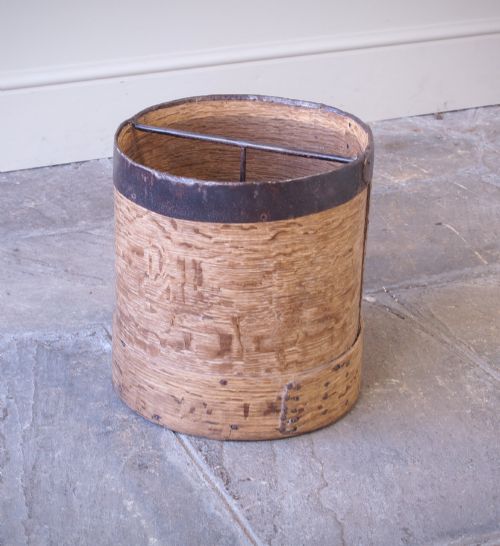
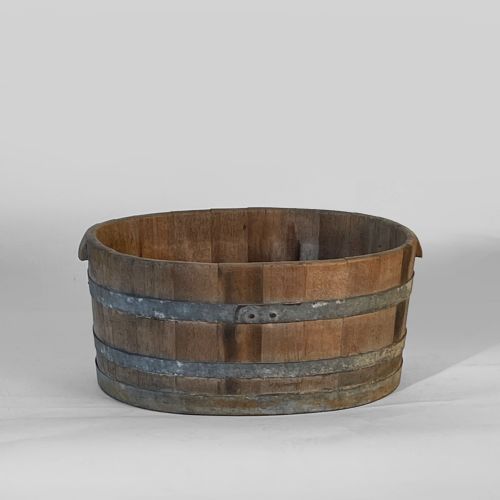
When you search for an antique timber bucket, you are looking at sturdy vessels historically formed for practical agrarian, domestic or maritime labour rather than static display. The examples you are most likely to meet on this page span the Georgian and nineteenth-century periods, taking the form of well buckets, coopered oyster tubs, grain measures, and fireside storage containers.
Originating from English, Dutch, French, Scandinavian, and Chinese country traditions, these items range from rustic pine storage barrels to finely proportioned mahogany and oak vessels. Makers designed them for heavy daily service, utilising robust construction methods that allowed them to withstand moisture, weight, and constant handling over generations.
Today, collectors and interior stylists repurpose these timber vessels as planters, umbrella stands, and hearthside fuel stores. Their surfaces carry the rich patina of age, bearing the marks of active service in domestic and agricultural settings across the globe.
How they were made
The construction of these vessels relies heavily on traditional cooperage, where individual wooden staves of oak, pine, elm, or fruitwood are shaped to form a tight, hollow cylinder. Skilled artisans secured these staves using hand-forged wrought iron or brass bands, hammering them into place to create a robust structure capable of holding dry goods or liquids without adhesive.
Some pieces, such as Chinese mortars, depart from stave construction by employing hand-carving techniques on a single solid log of elm to create a deep, heavy receptacle. Surface finishes remain simple, typically depending on natural waxing or the gradual accumulation of oils from use rather than heavy varnishes, allowing the grain of the timber to remain prominent.
Antique Timber Bucket Retail Price Guide 2026
Typical asking prices for timber bucket among the pieces listed under this phrase on Sellingantiques today, from the lower quarter to the upper quarter. They describe what is for sale here now, not the wider market.
Geographic origins span English, Dutch, French, Scandinavian, and Chinese country workshops.
What varies in quality
Quality in these timber vessels lies in the integrity of the original construction and the balance of the proportions, distinguishing utilitarian workshop pieces from finer domestic items. Tighter stave joints, precise metal banding, and well-preserved handles indicate a higher standard of workmanship by the original maker.
The character and depth of the timber grain, alongside the natural patina acquired through decades of exposure, separate exceptional examples from standard utilitarian items. Original metal fittings, whether wrought iron or polished brass, retain their integrity and contribute significantly to the visual weight and authenticity of the piece.
The Antique Timber Bucket Glossary
- Coopered
- Constructed from curved wooden staves bound together by metal or wooden hoops, traditionally used for holding liquids or loose materials. This technique requires precise woodworking so that the joints fit tightly without glue.
- Stave
- A narrow, shaped strip of wood that forms the vertical sides of a coopered vessel such as a bucket or tub. Multiple staves are fitted edge-to-edge around a base.
- Teestoof
- A traditional Dutch foot warmer or small heating vessel, often taking the form of a small bucket or cylindrical container designed to hold embers safely. These pieces frequently incorporate metal liners and protective framing.
- Patina
- The deep, lustrous surface sheen developed on wood through age, handling, and regular waxing over many decades. A genuine patina cannot be easily replicated and serves as an indicator of age.
Antique Timber Bucket: Frequently Asked Questions
How were antique timber buckets originally used?
These vessels served demanding daily roles in domestic and agricultural life, ranging from drawing water at a well to measuring grain harvests and washing oysters.
Households also utilised them as fireside containers for coal or peat, and Dutch homes employed specific forms like the teestoof for warming feet during cold winters.
Can I use an antique wooden bucket as a planter?
Many buyers repurpose these sturdy vessels to hold house plants or garden flowers, taking advantage of their robust timber construction and generous proportions.
To protect the historic wood from continuous moisture, placing a modern plastic nursery pot or saucer inside the bucket is standard practice.
How do I distinguish Georgian timber buckets from nineteenth-century pieces?
Georgian examples often display formal restraint and finer secondary timbers like mahogany or polished fruitwood, reflecting their place in more affluent domestic interiors.
Nineteenth-century pieces frequently lean towards heavier utilitarian forms in pine, oak, or elm, bearing the straightforward marks of rural, Scandinavian, or continental country workshops.
What maintenance do antique timber buckets require?
Keeping the wood healthy involves placing the vessel away from direct heat sources and sudden temperature shifts that might cause the timber staves to shrink or crack.
Applying a neutral beeswax occasionally will nourish the grain and preserve the historic surface without altering the natural patina.