




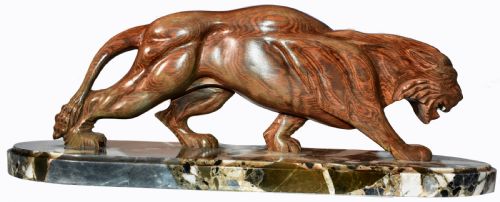


Antique Tiger Figure
These antique tiger figure examples span centuries of bronze casting and pottery, offering a striking display of power and naturalism for your collection.
Antique Tiger Figure
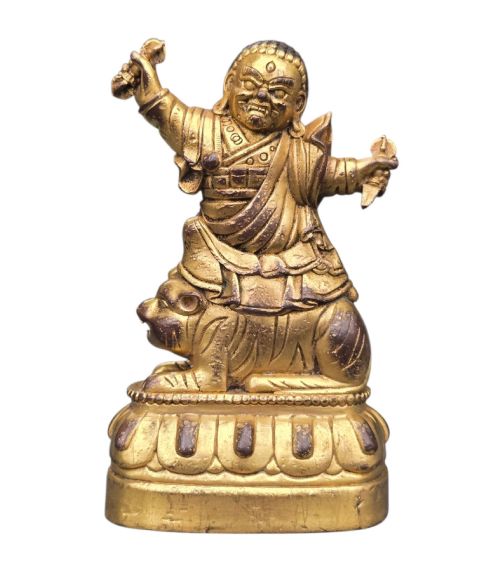
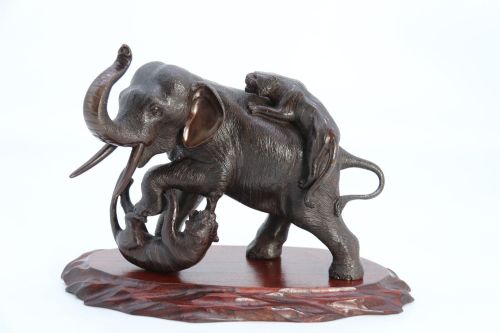
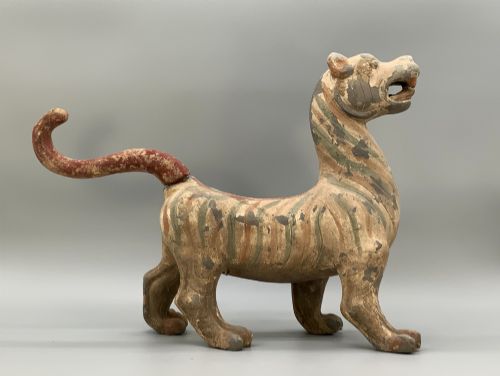
When you search for an antique tiger figure, you encounter an array of sculptural works stretching from pre-sixteenth century ceramic guardian beasts to late nineteenth century French studies. The pieces on this page draw upon diverse cultural traditions, including Japanese Meiji metalwork, Chinese pottery and Sino-Tibetan ritual art.
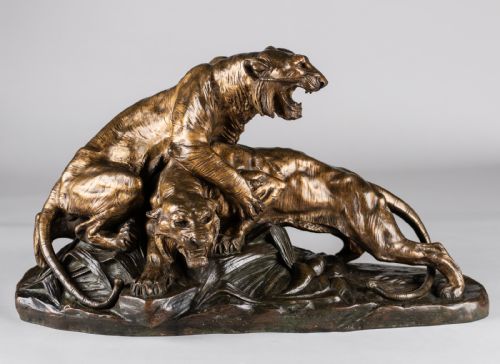
You are most likely to meet French Animalier bronzes from the late nineteenth century, often mounted on marble bases and signed by notable sculptors. These European foundry works sit alongside Asian sculptural forms, capturing the animal in aggressive poses, quiet repose or interaction with other figures.
Materials and construction methods
Metalwork pieces rely primarily on bronze and gilt-bronze, shaped through traditional casting methods that capture muscular tension and fur texture. French Animalier works frequently incorporate carved marble bases to support the heavy cast metal sculptures.
Ceramic and wooden variants utilise earthenware, terracotta and pigment, particularly evident in older Chinese guardian pieces and Japanese wooden carvings. Artisans applied surface colour through painting and glazing, or highlighted metal details with selective gilding.
Antique Tiger Figure Retail Price Guide 2026
Typical asking prices for tiger figure among the pieces listed under this phrase on Sellingantiques today, from the lower quarter to the upper quarter. They describe what is for sale here now, not the wider market.
Listings span periods from pre-sixteenth century to the early twentieth century, utilising bronze, marble, terracotta, wood, and earthenware.
Distinctions in quality
The sophistication of the casting and carving dictates the standing of each piece, distinguishing lively, anatomically observant modeling from stiff or generic execution. Superior bronzes display meticulous attention to musculature, facial expression and the integration of the sculpture with its base.
Surface finish and patination play a significant role in overall execution, where deep, natural patinas and well-preserved original pigments elevate the piece. Signed works by recognised makers also reflect a higher level of workshop output and artistic ambition.
Tsunemitsu·Andrey·E Drouot·Vannetti
The Antique Tiger Figure Glossary
- Animalier
- A nineteenth-century artistic movement focused on the realistic depiction of animals, often shown in dynamic or naturalistic poses. Sculptors in this tradition studied anatomy closely.
- Meiji Period
- A Japanese era lasting from eighteen sixty-eight to nineteen twelve, known for exceptional metalwork and bronze casting. Works from this time often exhibit high technical precision.
- Sino-Tibetan
- Pertaining to the artistic styles shared between China and Tibet, frequently incorporating Buddhist iconography. Figures from this tradition often feature gilt-bronze and complex religious symbolism.
- Shiwan pottery
- A style of Chinese ceramic known for expressive figures and rich glazes, produced in Guangdong province. These pieces often depict animals and mythological subjects.
- Gilt-bronze
- Bronze metal coated with a thin layer of gold, providing a lustrous and enduring finish. This technique enhances decorative statues and ritual objects.
Antique Tiger Figure: Frequently Asked Questions
How do I identify a French Animalier tiger?
French Animalier bronzes typically date from the nineteenth century and focus on realistic anatomical study. They often feature foundry stamps, artist signatures, and heavy marble plinths.
These sculptures emphasise the raw power and muscular movement of the animal. Look closely at the chiselling and the depth of the patina to understand the quality of the casting.
What is the difference between Japanese Meiji bronzes and European ones?
Japanese Meiji bronzes often display meticulous attention to surface detail, such as individual hair strands and subtle patination. They reflect the high technical skill of late nineteenth-century Japanese metalworkers.
European bronzes from the same period tend to focus on dramatic narrative and dynamic tension. They frequently pair the cast metal with polished or carved marble bases.
How were terracotta and ceramic tiger figures used?
Early ceramic and terracotta figures often served as guardian beasts or ritual objects in Chinese traditions. They were placed in tombs or temples to ward off evil and protect sacred spaces.
Over time, these ceramic forms evolved into decorative sculptures for domestic interiors. Artisans applied pigments and glazes to bring texture and colour to the pottery.
How should I clean an antique bronze figure?
Bronze sculptures require minimal intervention to preserve their historic patinas. Dusting gently with a soft, dry cloth is usually sufficient for regular maintenance.
Avoid using water, chemical polishes, or abrasive cleaners, as these can strip away the aged surface. Consult a professional conservator if the metal requires deeper cleaning.