

Antique Three Diamond Ring
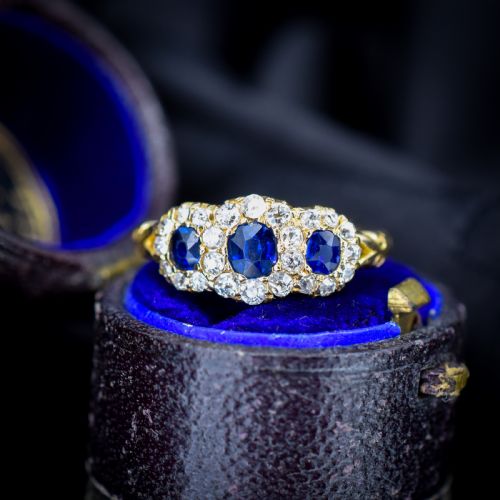
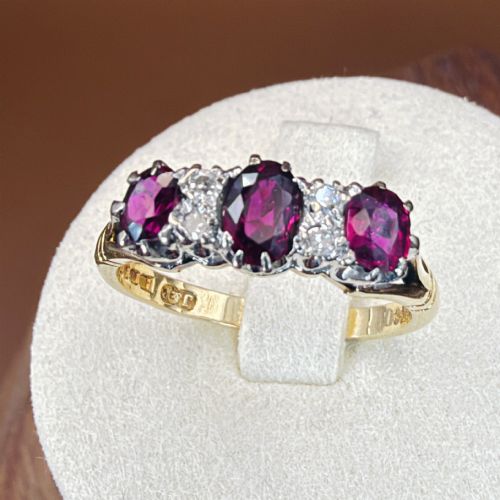
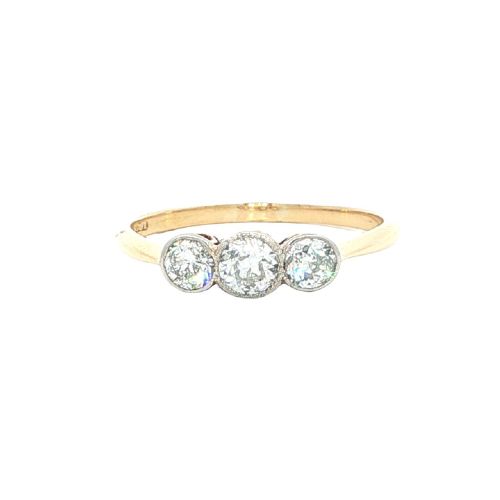
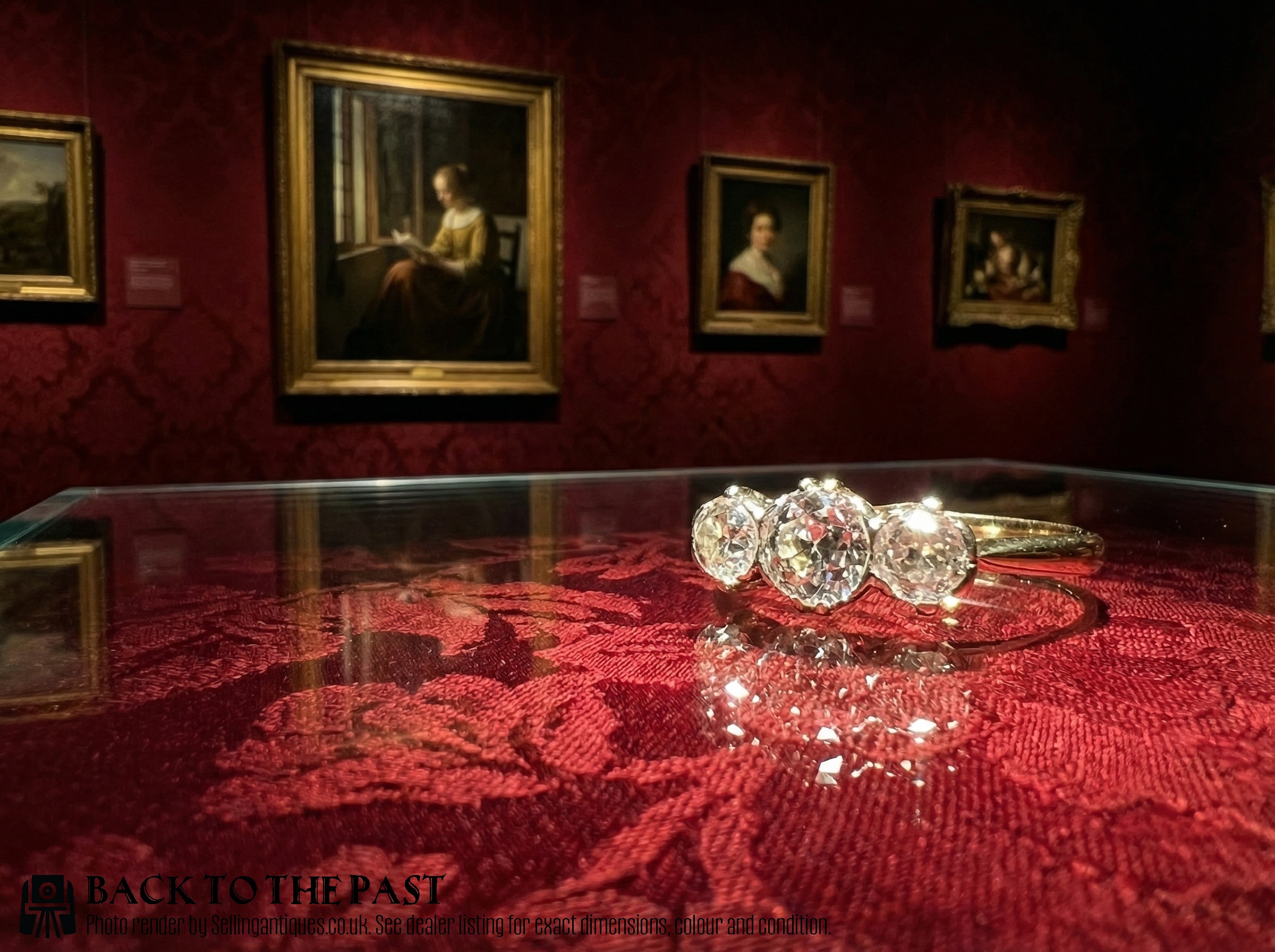
An antique three diamond ring brings together three stones representing past, present, and future in a lasting symbol.
Antique Three Diamond Ring
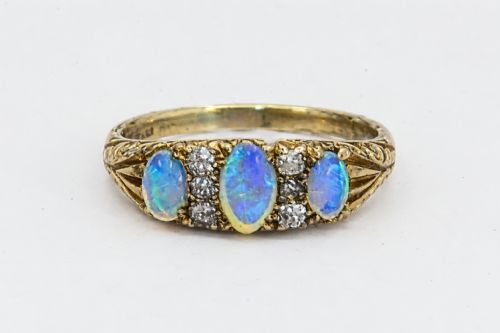
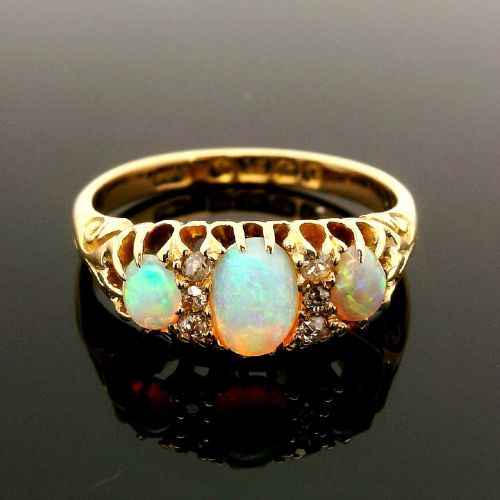
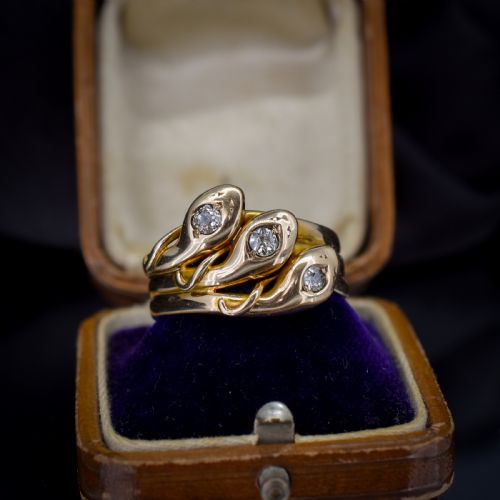
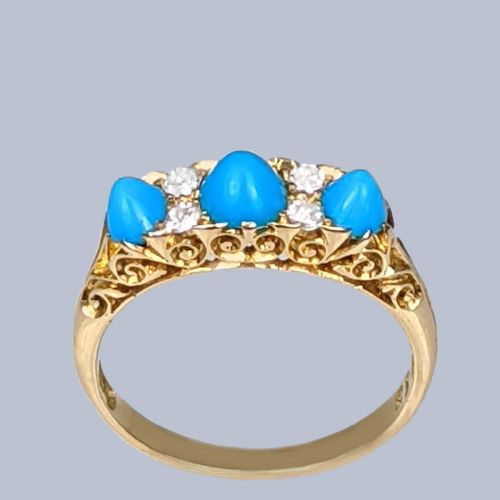
The materials paired with these diamonds frequently include 18ct yellow gold, platinum, and white gold, sometimes accompanied by accent stones like rubies, sapphires, or opals. Examples on this page span from the late nineteenth century through the mid-twentieth century, showcasing the evolution of ring design.
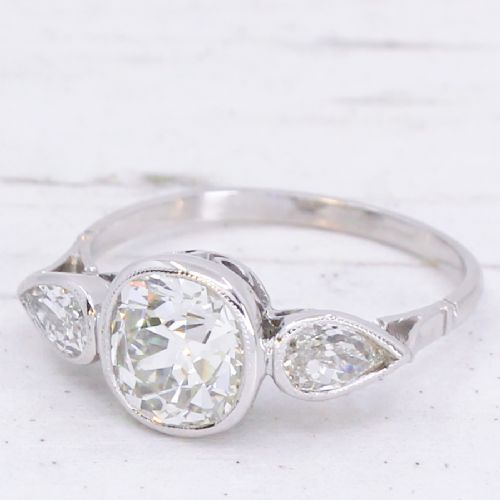
Makers and jewellers of these eras utilised durable precious metals to secure old cut diamonds, cushion cuts, and pear cuts. Buyers exploring this category encounter both engagement rings and dress rings shaped by distinct historical periods.
Materials and construction methods
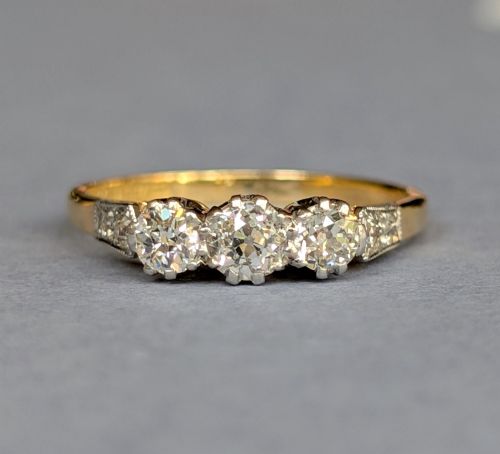
Craftsmen built these rings using 18ct yellow gold, platinum, and combinations of gold and platinum to mount the central gems securely. Platinum gained favour during the Edwardian and Art Deco periods for its strength, allowing for delicate claw settings that maximised light entry into old cut diamonds.
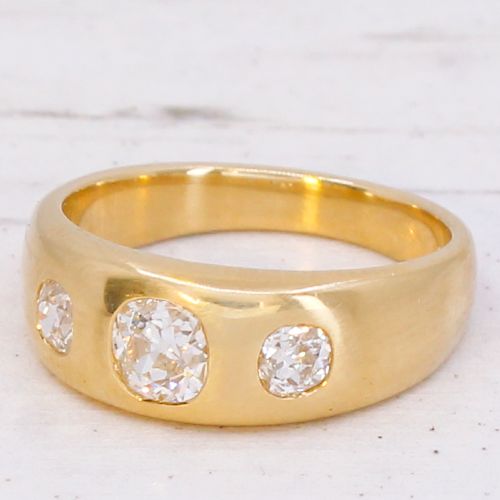
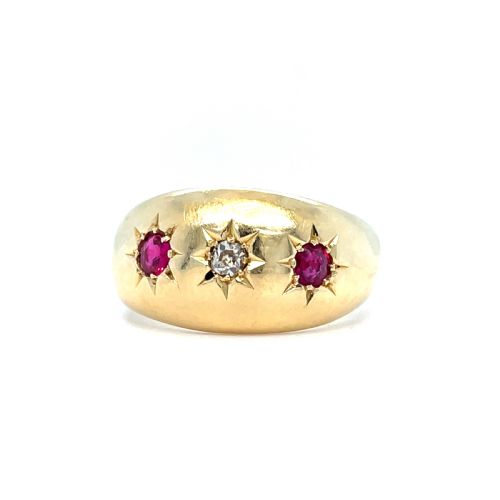
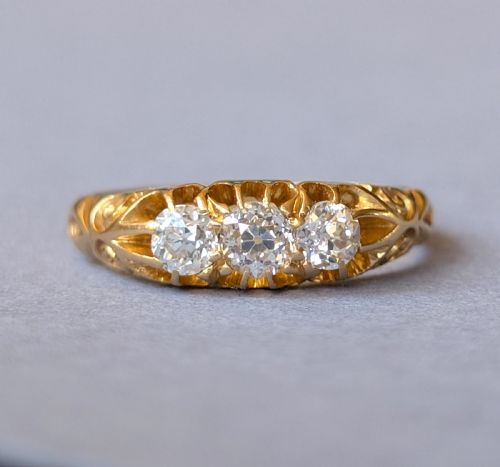
Stones were shaped by hand before the advent of modern automated cutting, resulting in characteristic old mine cuts and old European cuts with distinct faceting. Jewellers also utilised gypsy settings where stones sit flush into the heavy gold band, popular in the Victorian era for daily wear.
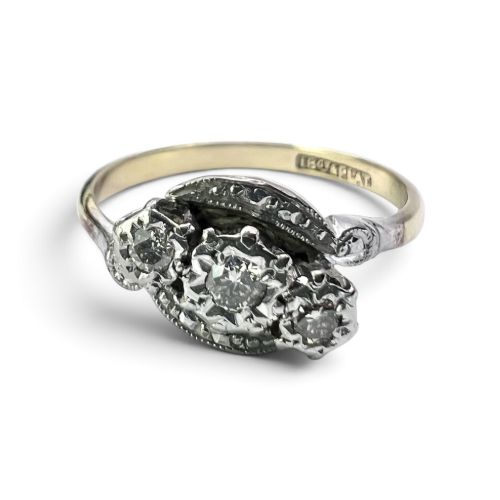
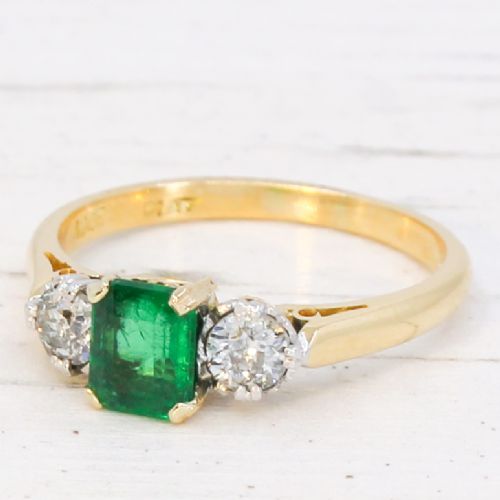
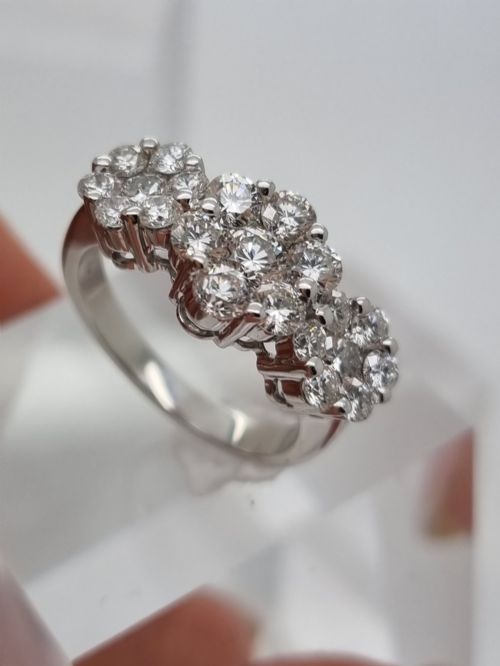
Listings span from the 19th century through the 1960s, featuring diamonds, sapphires, rubies, opals, and emeralds set in platinum and 18ct gold.
Factors determining quality
The calibre of an antique three diamond ring rests largely on the proportion, matching, and cutting of the stones, alongside the integrity of the metalwork. Hand-cut old diamonds display individual character, and pieces where the three main gems harmonise in colour and brilliance stand apart from uneven assemblies.
Wear on the settings and the crispness of hallmarks or engraved shoulders indicate the level of care a piece has received over the decades. Heavier, substantial bands and robust claw or starburst settings distinguish superior workshop production from lighter commercial output.
The Antique Three Diamond Ring Glossary
- Trilogy ring
- A ring set with three stones, traditionally symbolising the past, present, and future of a relationship. These designs are frequently found in Victorian and Edwardian jewellery.
- Old cut diamond
- A diamond cut by hand before modern machinery, typically featuring a smaller table, higher crown, and open culet. These stones catch candlelight warmly.
- Gypsy ring
- A style where the gemstones are set flush into the solid metal band rather than held in raised claws. This technique protected the stone girdle during manual labour in the nineteenth century.
- Starburst setting
- A star or burst pattern engraved into the metal around a flush-set diamond to reflect light. This decorative engraving was common on Victorian rings.
- Hallmark
- An official stamp marked on precious metal indicating the purity standard and assay office. British hallmarks help date rings accurately.
Antique Three Diamond Ring: Frequently Asked Questions
How do old cut diamonds differ from modern ones?
Old cut diamonds are shaped by hand rather than guided by computerised laser precision. They possess smaller tables and deeper pavilions designed to sparkle under ambient indoor lighting.
Because each stone is hand-faceted, no two old cut diamonds are identical, giving antique rings a distinct personality absent in modern manufactured stones.
Can I wear an antique ring every day?
Many antique rings are robustly constructed from 18ct gold or platinum and suit daily wear. However, rings featuring softer accent stones like opal require careful attention.
Checking the security of the claws or flush settings with a jeweller periodically ensures the diamonds remain firmly anchored during regular use.
How can I tell the period of a ring?
The period is identified through a combination of metal types, stone cutting styles, and official hallmarks. Platinum mounts and geometric motifs point towards the Art Deco era.
Victorian pieces often utilise heavy yellow gold and starburst engravings, while Edwardian examples favour delicate platinum claw settings and millegrain edges.