
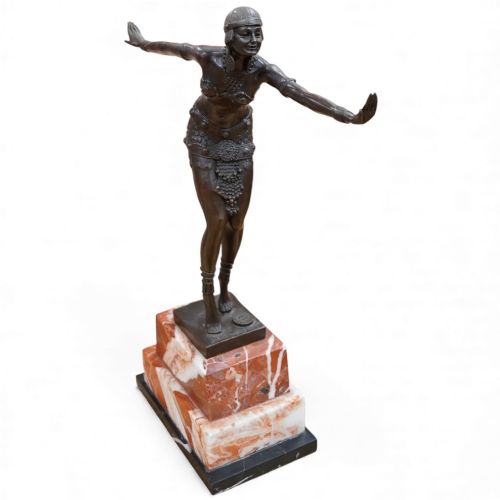
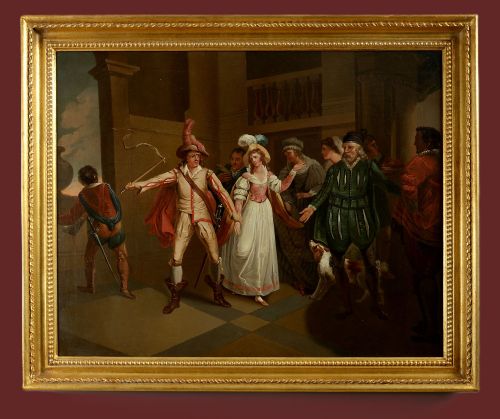
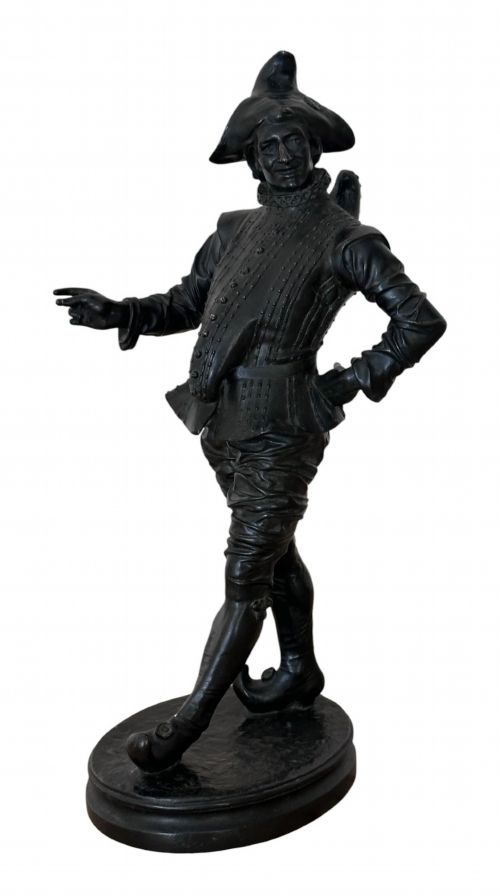
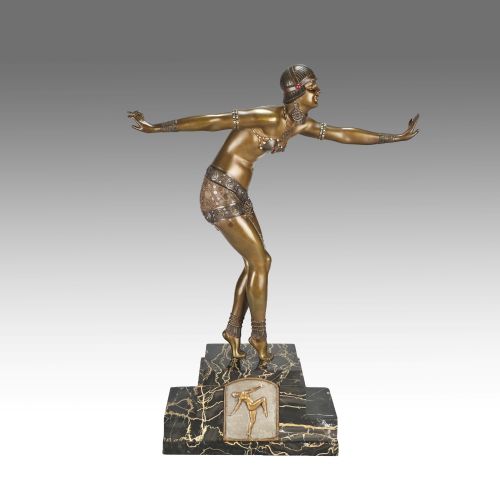



Antique Theatrical Figures
These antique theatrical figures capture the colour and character of the stage through bronze, porcelain, oil paint and earthenware.
Antique Theatrical Figures
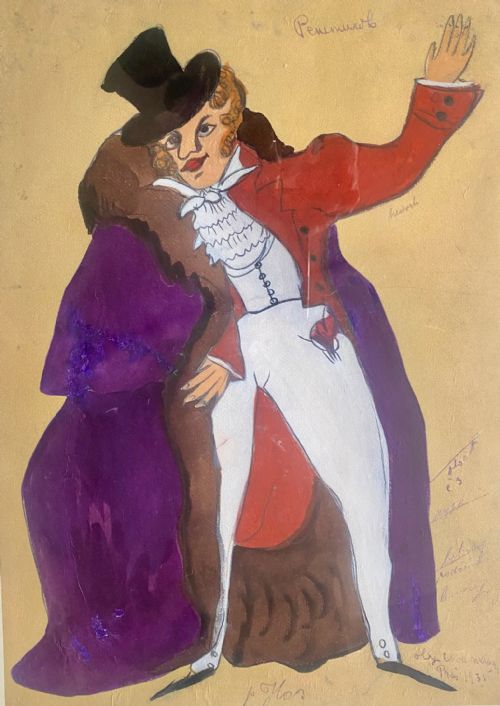
Antique theatrical figures represent stage performers, characters from plays, and traditional characters from the commedia dell'arte. The selection spans oil paintings, porcelain figures, bronze sculptures and carved puppets from various periods.
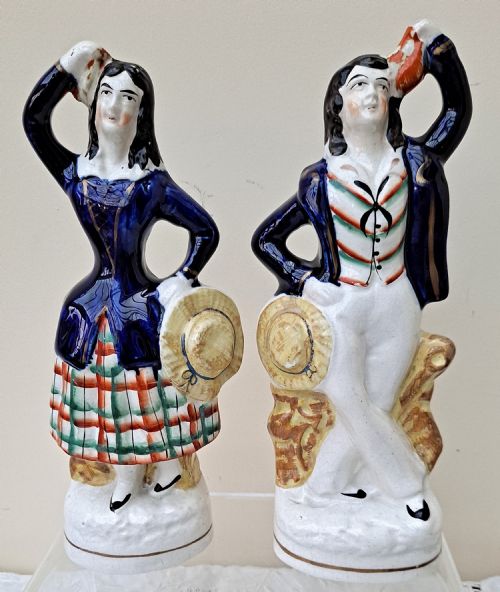
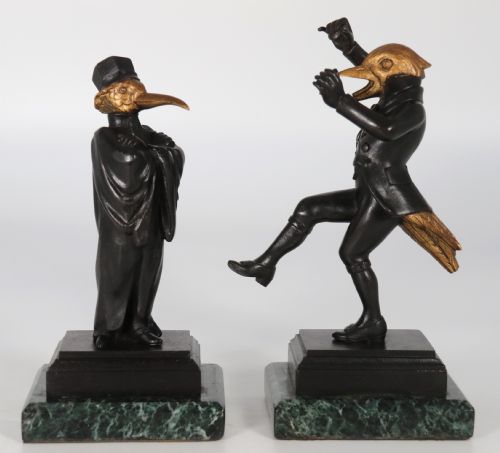
You will most commonly encounter bronze sculptures depicting harlequins and dancers, alongside Staffordshire pottery figures representing notable actors and dramatic scenes. These pieces reflect historical performances and theatrical traditions across Europe.
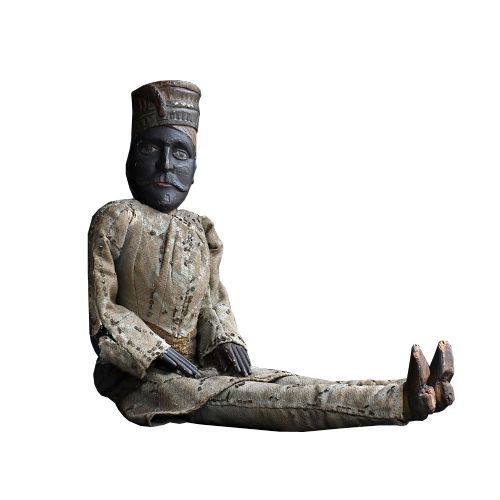
The assortment also includes marionettes and puppets originating from the nineteenth and early twentieth centuries. Each form offers a different lens on how stagecraft and performance were celebrated in domestic spaces.
How they were made
Bronze sculptures and figures utilise casting techniques, often finished with gilt or patinated surfaces that highlight the details of costumes and expressions. Marble bases frequently support these metal works, adding stability and weight.
Ceramic examples rely on earthenware and porcelain, shaped and fired before receiving glaze and enamel decoration. Staffordshire pottery and Derby porcelain pieces demonstrate hand-painted details that bring the actors' costumes to life.
Paintings use oil on canvas to portray theatrical subjects, while puppets combine carved wood with fabric costumes. Each medium requires specific craftsmanship, from the foundry work of bronze to the kiln firing of ceramics.
Several bronze figures capture theatrical birds performing in character, proving that avian drama has a long and noble history.
What varies in quality
Quality in these pieces rests upon the fidelity of the character representation and the skill of the execution. Finer bronzes exhibit sharp casting in the drapery and facial expressions, whereas simpler ceramics rely on painted surface detail.
The reputation of the maker or artist plays a significant role in the standing of a piece. Signed works and items attributed to established sculptors or potteries command greater attention than unsigned commercial output.
The preservation of the original surface finish, whether the patination on a bronze or the glaze on pottery, dictates the integrity of the object. Works that retain their original pigments and mountings demonstrate superior survival.
P Granet·Demetre Chiparus·Alfred Grevin·Charles Anfrie·Sylvain Kinsburger·Henry Bird·Francis O A Haviland
The Antique Theatrical Figures Glossary
- Commedia dell'arte
- A form of theatre that originated in Italy, featuring masked stock characters such as Harlequin and Pulcinella. These archetypes frequently inspired European sculptors and painters.
- Staffordshire pottery
- Ceramic wares produced in the Staffordshire region of England, known for utilitarian and decorative earthenware figures of actors and literary characters. These pottery pieces often served as affordable mantelpiece ornaments.
- Gilt bronze
- Bronze objects treated with a thin layer of gold applied to the surface. This technique provides a lustrous finish that enhances decorative details on nineteenth-century sculptures.
- Marionette
- A puppet controlled from above using wires or strings connected to a wooden cross. Sicilian examples from the nineteenth century are particularly notable for their elaborate armour and costumes.
Antique Theatrical Figures: Frequently Asked Questions
What are theatrical figures?
Theatrical figures are sculptures, paintings and ceramics that depict actors, stage characters or dramatic scenes from plays and operas.
They serve as visual records of historic performances and popular entertainment, often portraying famous stage personalities of their day.
Who made these pieces?
These works were produced by European painters, sculptors and ceramic factories working in various styles from the eighteenth to the twentieth century.
Individual artists cast bronzes in foundries, while potteries like Derby and Staffordshire manufactured ceramic figures for public purchase.
How were puppets used?
Marionettes and puppets served as instruments for theatrical storytelling, particularly in traditional folk plays and regional European performances.
Audiences watched these string-operated figures enact traditional dramas, adventure tales and comedies on small stages.
How do I identify periods?
Periods are identified through the materials, styling, clothing details and techniques characteristic of each artistic movement.
Georgian and Victorian works carry different aesthetic signatures compared to later Art Deco or early twentieth-century pieces.