





Antique Textile Sampler
An antique textile sampler is a needlework record of stitches, alphabets or maps, offering a direct window into the domestic training of young hands centuries ago.
Antique Textile Sampler
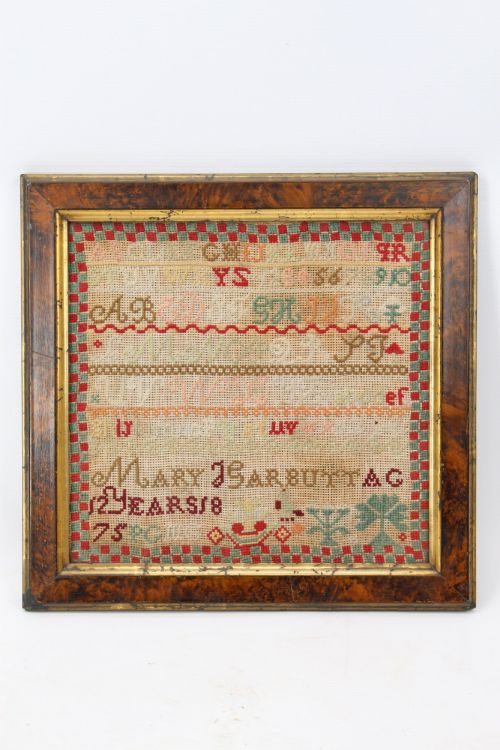
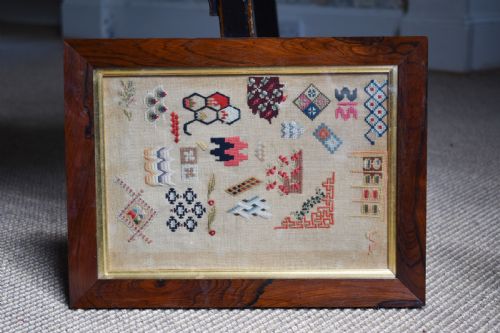
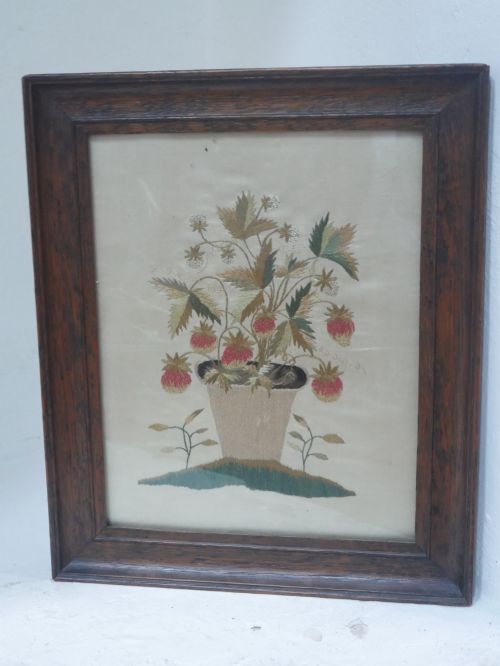
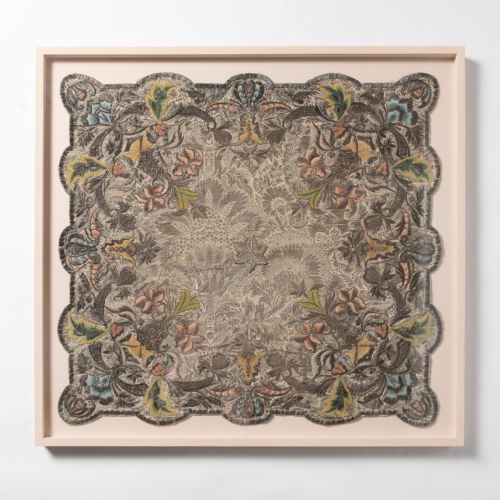
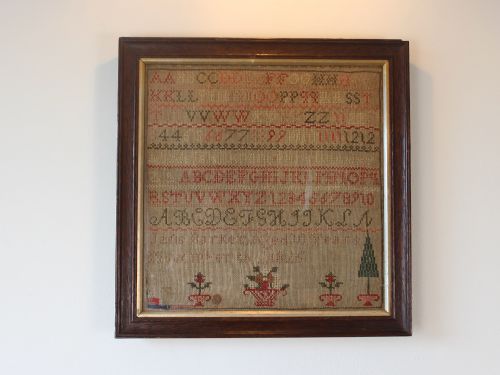
When you search for an antique textile sampler, you encounter needlework panels created to demonstrate proficiency in various stitches, letters and numbers. The most frequent examples on this page date from the Georgian and Victorian periods, often worked on linen or canvas by young girls.
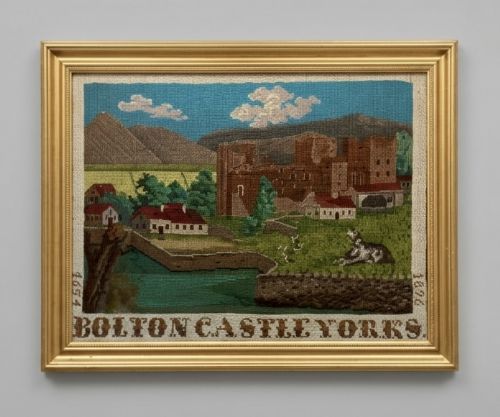
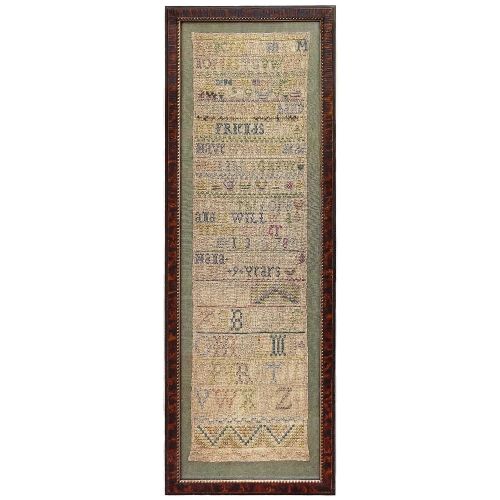
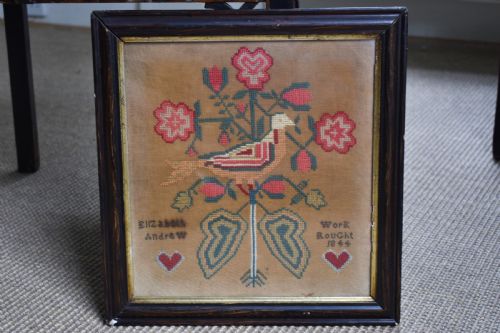
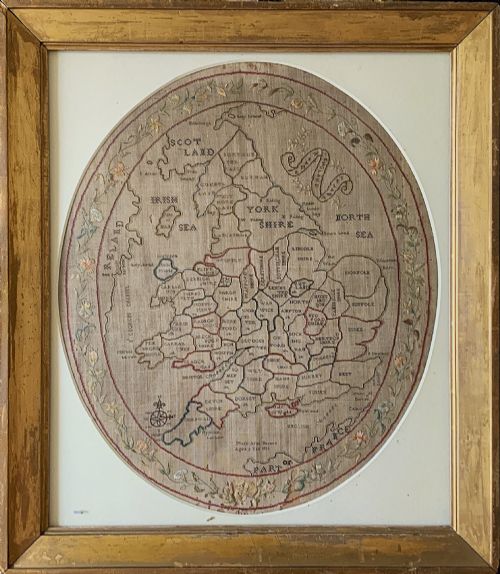
Many surviving pieces record names, ages and specific dates, turning simple stitching exercises into personal archives. Alongside standard alphabet and verse layouts, regional examples include detailed maps of England and Wales or pictorial scenes.
Makers ranged from young children learning the basics to accomplished young women executing complex pictorial needlework pictures. These textiles frequently arrive framed under glass, preserving centuries of delicate thread work.
How They Were Made
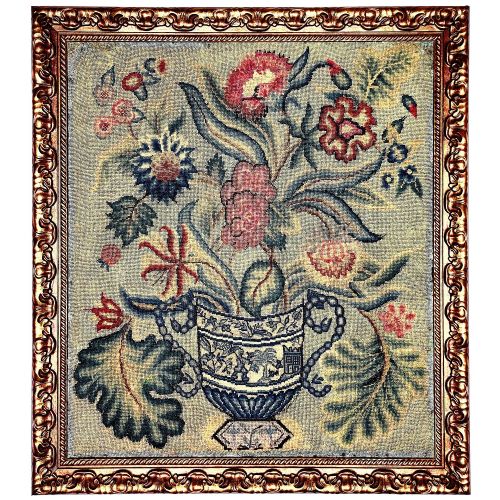
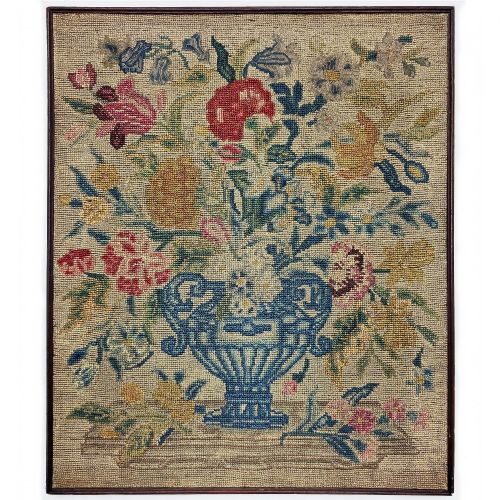
The foundation of these works relies primarily on plain-woven linen or open-weave canvas stretched for stitching. Makers employed silk thread, wool and standard thread to build up dense surfaces using varied needlepoint and embroidery techniques.
Meticulous counting of warp and weft threads governed the geometric precision of alphabets and borders. Pictorial elements incorporated gros point and various specialised stitches to depict figures, flora and architectural motifs.
Antique Textile Sampler Retail Price Guide 2026
Typical asking prices for textile sampler among the pieces listed under this phrase on Sellingantiques today, from the lower quarter to the upper quarter. They describe what is for sale here now, not the wider market.
Listings feature works spanning the late seventeenth century through the Victorian era, utilising linen, wool, silk thread and canvas.
What Varies in Quality
The distinction between ordinary and exceptional pieces rests on the complexity of the design and the neatness of execution. Samplers featuring detailed cartography, figurative narratives or intricate floral borders demand far greater skill than basic alphabet grids.
Preservation of the original materials heavily dictates standing, as light exposure and acidic backing materials degrade silk and wool over generations. Surviving pieces that retain vibrant thread colours and clear maker inscriptions command deeper appreciation.
The Antique Textile Sampler Glossary
- Band sampler
- An early form of needlework where horizontal bands of diverse decorative patterns are stacked vertically. These pieces served as stitch repositories before formal framing became common.
- Gros point
- A counted-thread needlepoint stitch worked on canvas that creates a sturdy, textured surface. It appears frequently in nineteenth-century pictorial panels.
- Canvas
- A heavy, open-weave fabric used as the structural foundation for needlepoint and wool work. It provides the rigid grid necessary for uniform stitches.
- Silk floss
- Unspun or loosely twisted silk fibres utilised for smooth, lustrous embroidery details. This material catches the light differently than standard wool or cotton thread.
Antique Textile Sampler: Frequently Asked Questions
How old is my sampler?
Many pieces include stitched dates, maker names and ages that establish a clear timeline of creation. Stylistic markers such as alphabet fonts and framing materials help narrow down items lacking a direct date.
Comparing the stitching style against documented Georgian and Victorian examples provides further context for dating unlabelled textile art.
Why did girls make samplers?
Young makers stitched these panels to practice and display their mastery of fundamental needlework skills. Completing a clean alphabet, numerical grid or map proved a young person's domestic education.
These finished pieces functioned as household ornaments and kept records of family milestones or educational progress.
How should I display a sampler?
Textile pieces require protection from direct sunlight to prevent the fading of delicate wool and silk threads. Professional framing using conservation-grade glass and acid-free backing materials safeguards the fabric.
Keeping the textile away from high humidity areas prevents mould growth and structural weakening of the linen or canvas base.
What do map samplers show?
Map pieces typically depict geographical regions like England and Wales, embroidered with county boundaries and town names. They combined geography lessons with advanced needlepoint execution during the Georgian era.
These cartographic works stand out as rarer variants within standard textile art collections.