

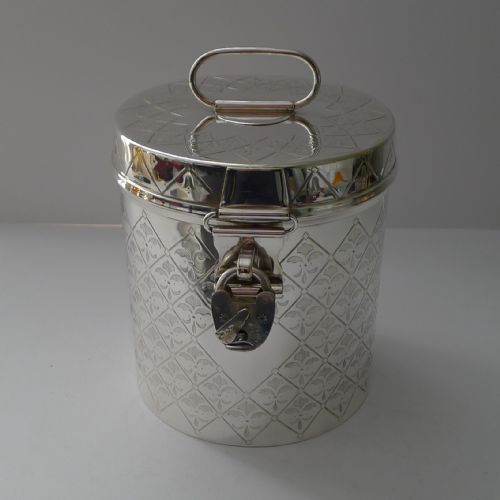


Antique Tea Caddy Lock
These antique tea caddy lock pieces are functional security fittings and secure containers from past centuries, offering a tangible link to the social history of tea.
Antique Tea Caddy Lock
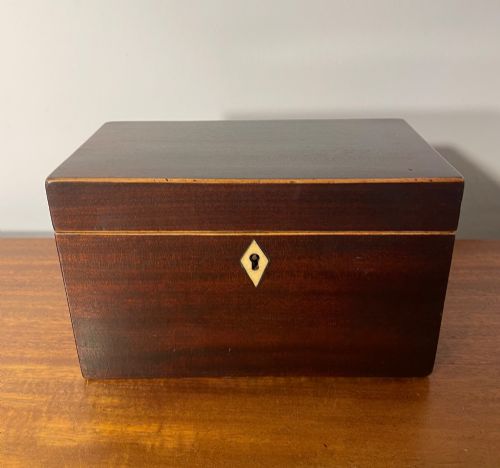
When you search for an antique tea caddy lock, you encounter brass mechanisms, escutcheons, and complete tea caddies or biscuit boxes designed with integral locking systems. These containers originate from the eighteenth century, Georgian, Regency, and Victorian periods, reflecting a time when tea was a valuable commodity requiring safekeeping.
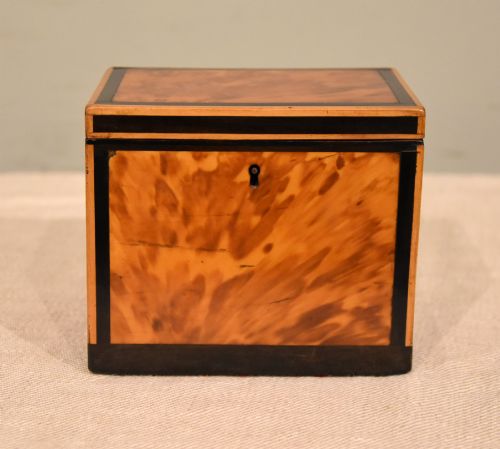
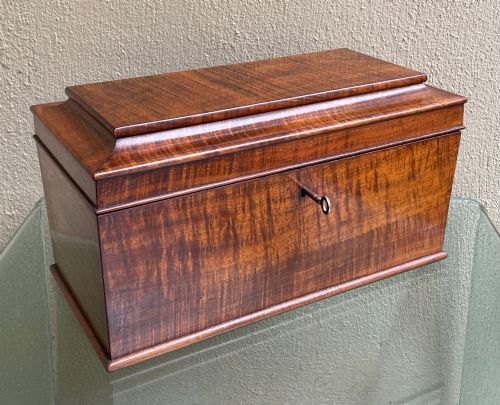
The most common formats on this page include mahogany, walnut, rosewood, and tortoiseshell tea caddies, alongside novelty biscuit boxes and silver locking vessels. Many retain their original brass locks, sometimes accompanied by working keys or secret drawers.
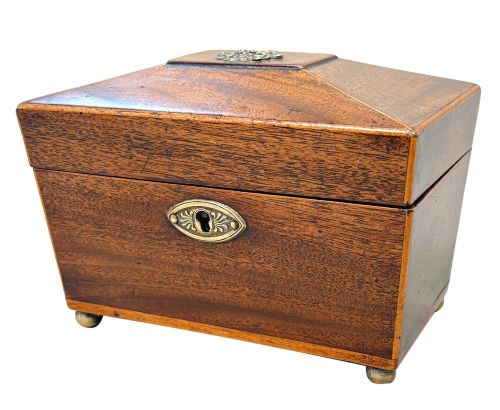
Objects range from sarcophagus-shaped boxes to dome-topped containers and Tunbridge Ware items. Each piece demonstrates how period joiners and metalworkers integrated security directly into domestic wooden containers.
Materials and construction methods
The construction of these pieces relies on dense cabinet timbers such as mahogany, walnut, rosewood, and partridge-wood, often embellished with boxwood stringing, bone details, and marquetry inlay. Some deluxe examples utilise blonde tortoiseshell and ebony veneers applied to wooden carcassing.
Metal components, principally brass, form the interior locks, keyhole escutcheons, and hinges that secure the lids of tea caddies and biscuit boxes. These brass mechanisms were fitted flush into the timber, requiring precise mortising by period craftsmen.
Antique Tea Caddy Lock Retail Price Guide 2026
Typical asking prices for tea caddy lock among the pieces listed under this phrase on Sellingantiques today, from the lower quarter to the upper quarter. They describe what is for sale here now, not the wider market.
One unexpected twentieth-century piece takes the shape of a miniature hat box for biscuits.
Differentiating quality across pieces
Quality in these items is determined by the precision of the cabinetwork and the sophistication of the locking mechanism. Superior examples feature well-figured timber veneers, intricate marquetry or Tunbridge Ware patterns, and fully operational brass locks with matching keys.
Plainly constructed containers with replacement hardware sit at the accessible end of the scale, whereas intact pieces retaining their original locks, escutcheons, and internal compartments demonstrate superior original craftsmanship.
Mappin and Webb
The Antique Tea Caddy Lock Glossary
- Escutcheon
- A flat plate of brass surrounding the keyhole on a tea caddy. It protects the surrounding wood from wear caused by the key.
- Sarcophagus
- A monumental container shape with a sloping lid, popular during the Regency and Georgian eras for larger tea caddies. This form provides substantial interior volume for storage.
- Tunbridge Ware
- Woodworking characterised by tiny mosaic tiles formed from different coloured woods to create geometric patterns. This technique appears on nineteenth-century examples such as the tumbling block pattern caddy.
- Marquetry
- The art of applying pieces of veneer to a structure to form decorative designs. Victorian makers utilised this to ornament rosewood surfaces.
- Partridge-wood
- A dense, mottled exotic timber used by Georgian cabinetmakers for distinctive tea caddy surfaces. Its speckled grain resembles partridge feathers.
Antique Tea Caddy Lock: Frequently Asked Questions
How do I date a tea caddy?
Dating relies on timber choices, construction methods, and architectural styling such as Georgian sarcophagus shapes or Victorian marquetry. Examining the interior fittings and the style of the brass lock also helps narrow the period.
Pieces range from mid-eighteenth-century mahogany boxes to early twentieth-century novelty biscuit containers.
Did all tea caddies have locks?
Many better-quality containers included locks because tea was an expensive import in the Georgian and Regency eras. Securing the box prevented theft.
Simpler caddies occasionally lacked locking mechanisms, though surviving examples frequently show evidence of brass escutcheons.
Can I use the original key?
Original keys sometimes survive with eighteenth and nineteenth-century boxes, though many operational locks now rely on replacement keys fitted by specialists. Care should be taken when turning antique brass mechanisms.
If a key is present, test the lock gently without forcing the bolt inside the timber casing.