

Antique Tea and Coffee
These antique tea and coffee pieces range from fine porcelain cups to walnut tables, bringing daily service and historic craft together.
Antique Tea and Coffee
When you search for antique tea and coffee, you encounter a varied selection of domestic items spanning centuries of social custom. The forms divide neatly between tabletop surfaces designed to hold service items and the actual vessels, cups, and spoons used for consumption.
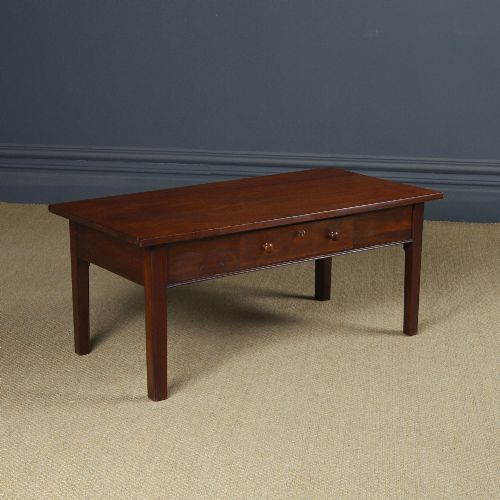
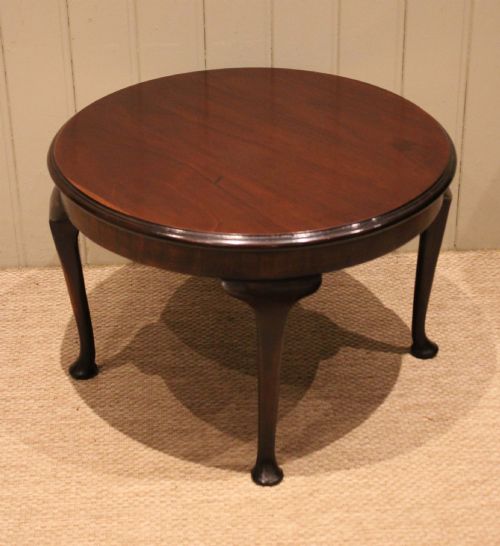
You are most likely to meet low coffee tables, occasional tables, and nests of tables alongside porcelain cups, saucers, and silver spoons. These pieces originate from the Victorian and Edwardian eras, with earlier Regency porcelain and 18th-century ceramics appearing alongside.
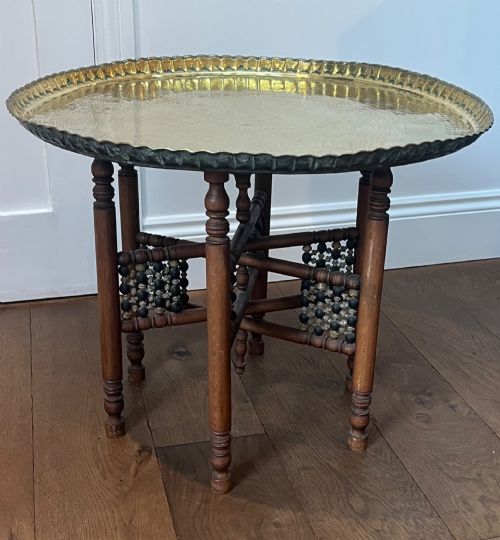
The domestic focus centres on the rituals of hosting and gathering, incorporating Chinese export pieces, Indian brass-inlaid tea tables, and French inlaid marquetry. Each object reflects the changing habits of domestic hospitality across the nineteenth and early twentieth centuries.
How they were made
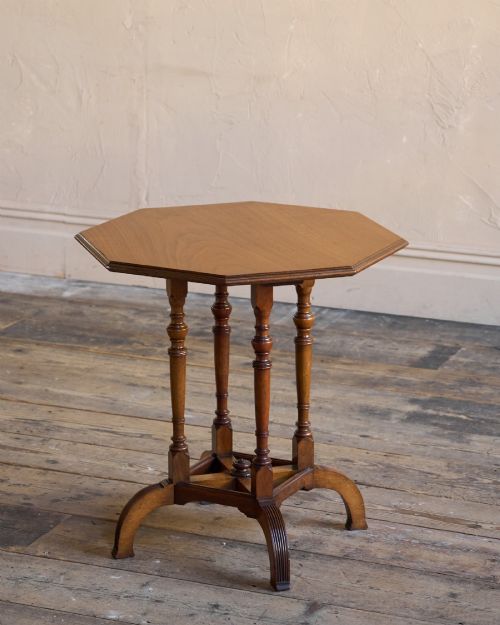
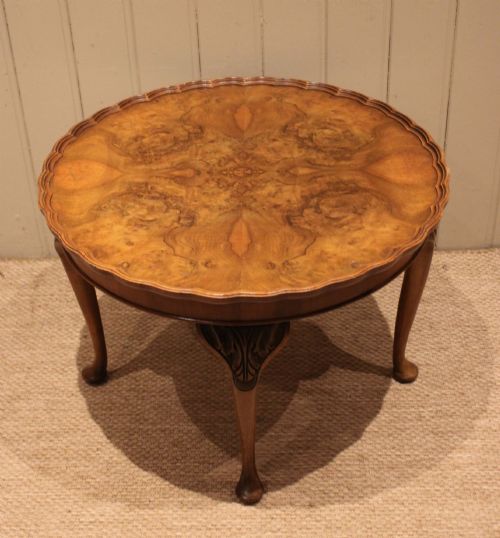
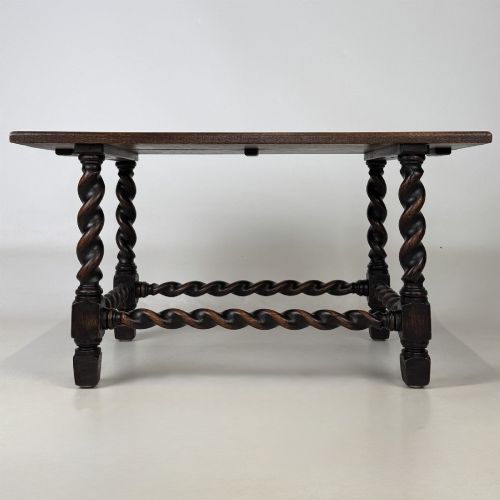
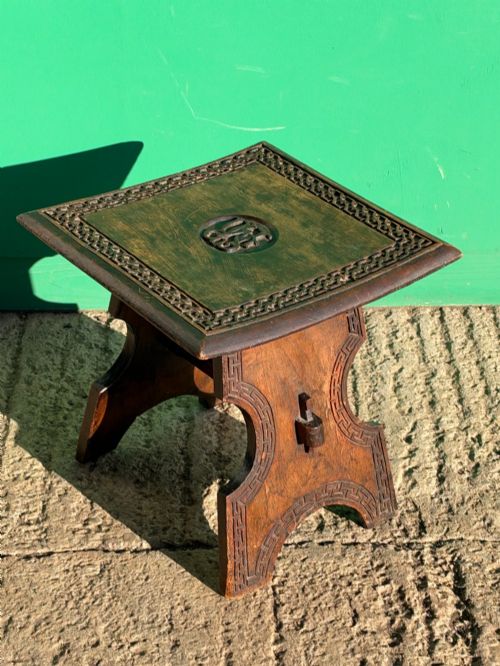
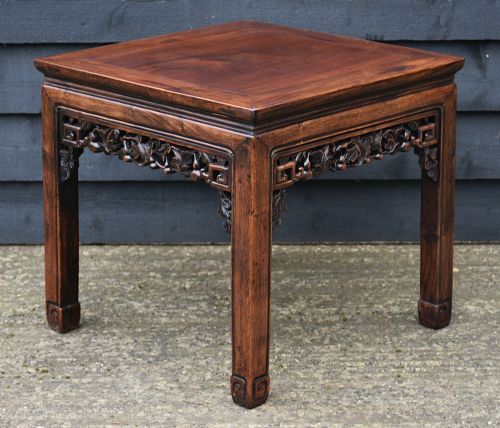
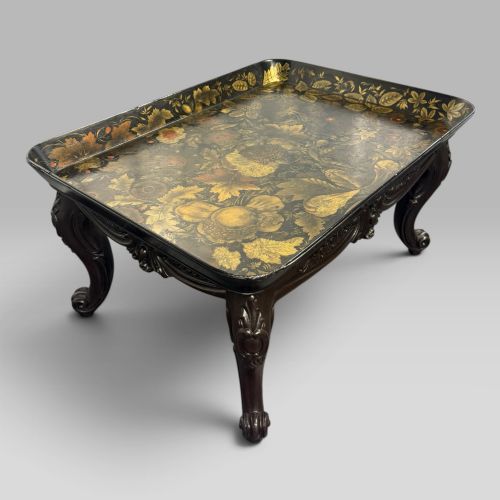
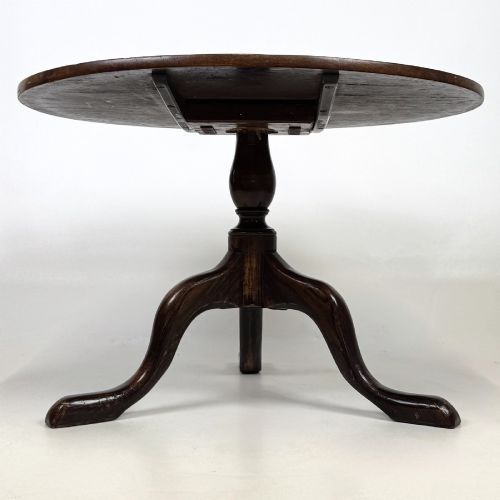
Makers utilised a rich palette of timbers including mahogany, walnut, rosewood, oak, and satinwood for the tables and trays, often incorporating intricate parquetry, marquetry, and mother-of-pearl or copper inlay. Carved details adorn the stretcher frames and bulbous legs of Edwardian and Victorian examples.
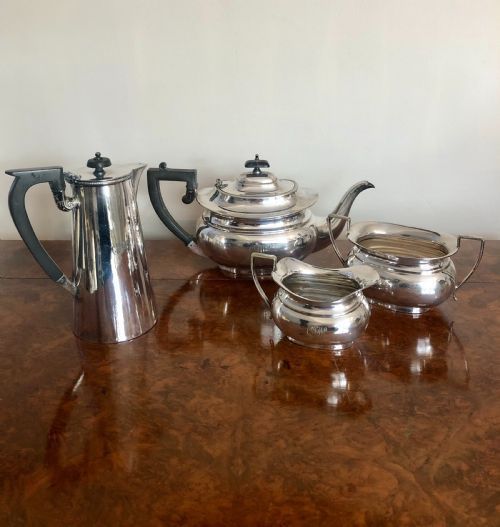
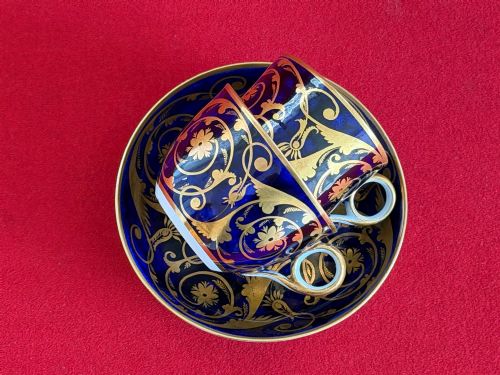
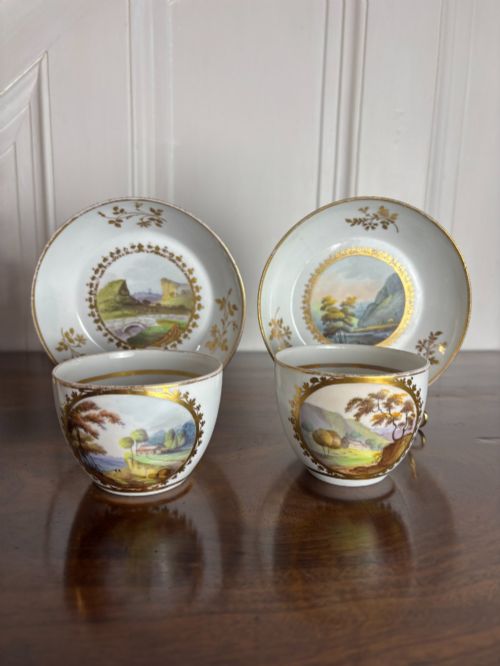
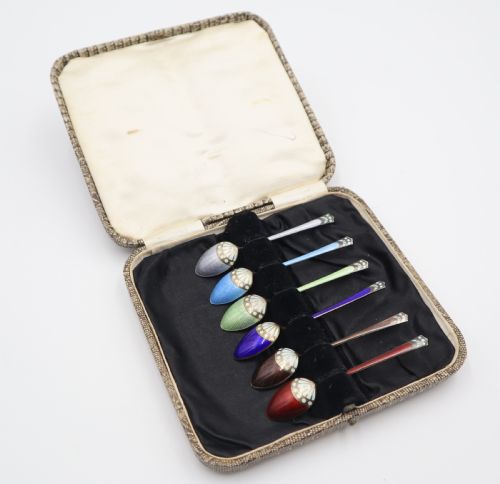
Ceramic pieces rely on fine porcelain bodies, hand-painted decoration, and gilded accents applied by factories such as Worcester and Daniel. Metal items combine silver, silver plating, pewter, and bronze through casting, smithing, and detailed figural work.
Antique Tea and Coffee Retail Price Guide 2026
Typical asking prices for tea and coffee among the pieces listed under this phrase on Sellingantiques today, from the lower quarter to the upper quarter. They describe what is for sale here now, not the wider market.
Listings span the 18th, 19th, and early 20th centuries, covering Regency, Victorian, and Edwardian periods.
What varies in quality
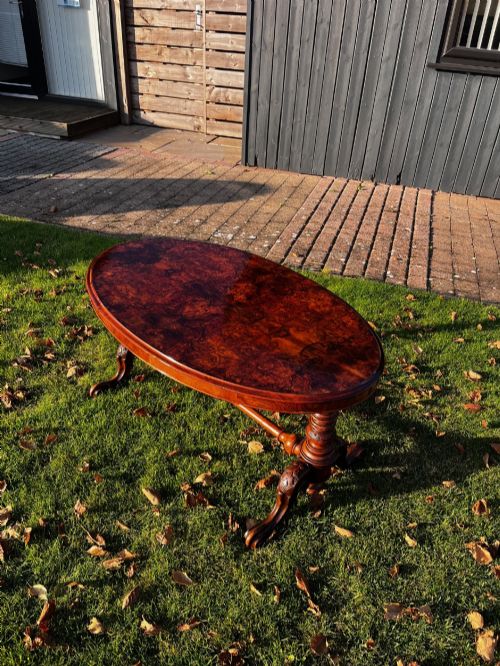
The distinction between ordinary and superior pieces rests on the precision of timber selection, such as figured burr walnut or dense oriental hardwood, and the crispness of hand-carved details. Higher quality tables display balanced proportions and seamless parquetry or marquetry patterns.
Among ceramic wares, quality reveals itself in the delicacy of the porcelain body, the skill of the hand-painted enamel brushwork, and the preservation of original gilding. Silver and metal items derive their distinction from weight, the complexity of figural casting, and maker attribution.
Barr And Barr·H And R Daniel·Chamberlain Worcester·Richard Chaffers
The Antique Tea and Coffee Glossary
- Trio
- A set comprising a tea cup, coffee cup, and matching saucer used in formal nineteenth-century dining.
- Quartetto nest
- A graduated set of four tables designed to fit neatly beneath one another when not in use.
- Toledware
- Enamelled or japanned metalware, often decorated with hand-painted scenes on trays and table tops.
- Samovar
- A heated metal urn traditionally utilised to boil water for tea service.
- Parquetry
- Geometric mosaic woodwork formed by small veneer tiles fitted together on table surfaces.
Antique Tea and Coffee: Frequently Asked Questions
What is a tea and coffee trio?
A trio consists of a matching tea cup, coffee cup, and saucer, allowing a drinker to switch beverages within the same formal service.
These sets were particularly popular during the Regency and Victorian periods for drawing room hospitality.
How do I identify a Victorian coffee table?
Victorian examples often feature dense timbers such as mahogany, rosewood, or burr walnut, accompanied by turned legs or carved stretchers.
Many low tables from this era were converted from larger occasional tables, trays, or needlework stands.
What distinguishes Edwardian occasional tables?
Edwardian tables frequently showcase lighter satinwood or mahogany frames with delicate inlay, oval tops, and inlaid undertier shelves.
They reflect a shift towards brighter, less formal drawing rooms compared to earlier Victorian interiors.
How were Chinese export tables used?
Chinese export hardwood and rosewood tables were brought to Europe to serve as low display surfaces or opium tables in domestic interiors.
Their carved dragon motifs and dense woods made them striking additions to eclectic Victorian rooms.