




Antique Tavern Painting
An antique tavern painting captures spirited gatherings and rustic interiors in oil on canvas, bringing centuries of social history directly to your walls.
Antique Tavern Painting
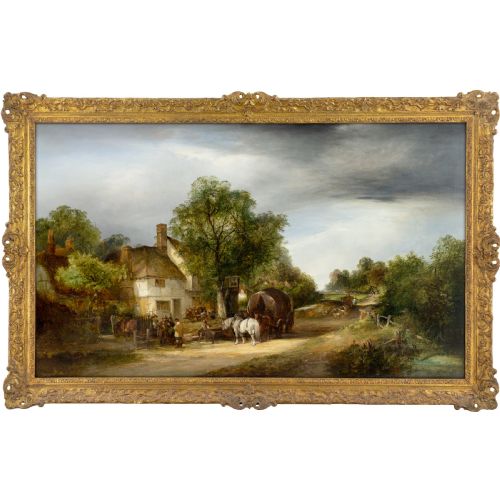
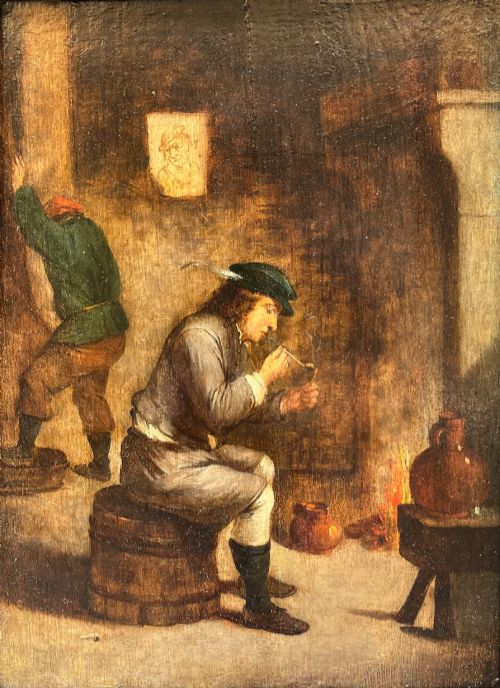
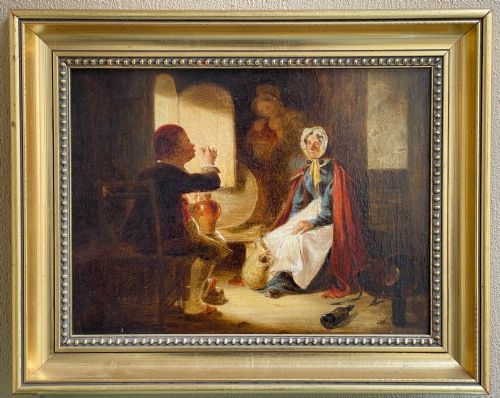
An antique tavern painting depicts lively scenes of drinking, smoking, card games and fellowship within historic drinking houses and inns. These works range from seventeenth-century Dutch and Flemish interior compositions to nineteenth-century English and French genre portrayals.
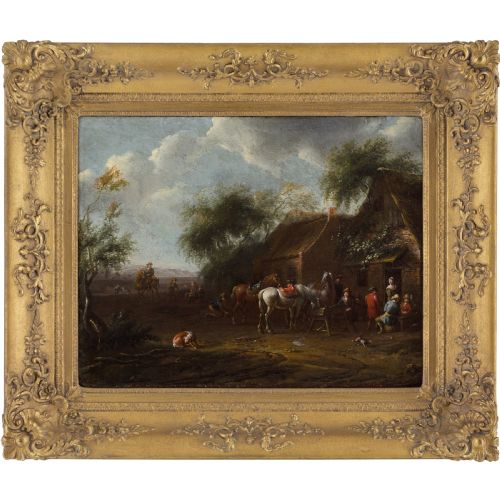
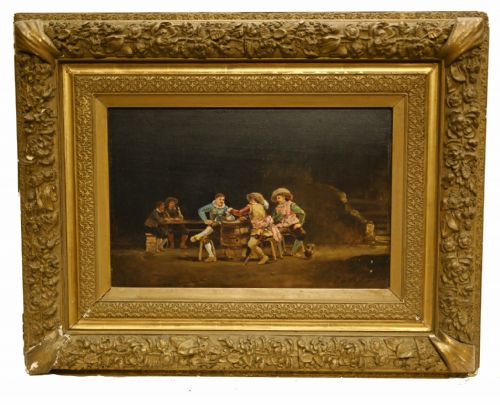
The selections available here lean heavily towards nineteenth-century interpretations alongside earlier Continental works after masters like David Teniers. Collectors encounter depictions of musketeers, travellers, card players and smokers rendered with distinct character.
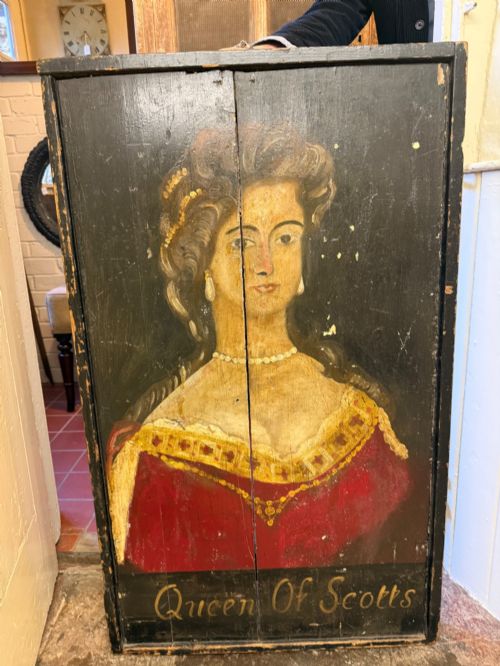
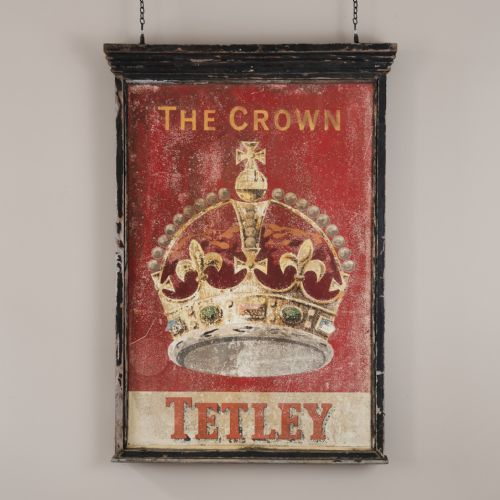
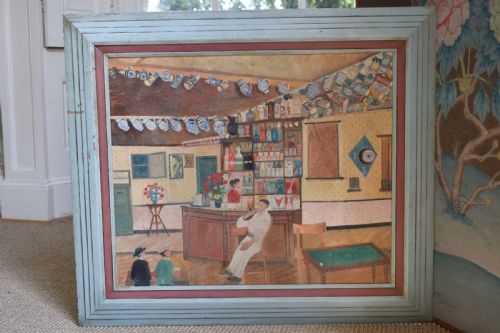
Beyond pure canvases, the wider category encompasses related pub signage, interior portraits and framed narrative pieces. Each item reflects the social hub of the village or roadside stopping place.
Materials and methods
These works are executed primarily in oil paints upon stretched canvas or occasionally wooden panels. Pigments are built up to create deep chiaroscuro lighting, highlighting the smoky atmosphere and facial expressions of the figures gathered inside.
Framing forms an integral part of the survival of these pieces, often utilising period giltwood or simple moulded timber frames that complement the dark palettes. The handling of the brushwork varies from loose, impressionistic strokes to meticulous detail characteristic of genre painting.
Antique Tavern Painting Retail Price Guide 2026
Typical asking prices for tavern painting among the pieces listed under this phrase on Sellingantiques today, from the lower quarter to the upper quarter. They describe what is for sale here now, not the wider market.
One cheerful canvas explicitly celebrates 'The Merry Drinker' alongside other depictions of startled boys tapping ale barrels.
Assessing quality and execution
Quality rests in the psychological depth of the figures and the handling of light and shadow within the dim interior space. Superior works render hands, facial expressions and textiles with distinct individuality rather than relying on generic formulas.
The integrity of the original paint surface and the stability of the canvas or panel dictate the desirability of a piece. Retaining an untouched surface without extensive modern overpainting distinguishes a superior canvas from a heavily restored example.
Barent Gael·Edward Charles Williams·William Shayer·David Teniers·Johann Hamza·John Arthur Lomax·Hermann Armin Kern·Gilbert Scott Wright·Ludolf de Jongh
The Antique Tavern Painting Glossary
- Genre painting
- The pictorial representation of scenes or events from everyday life, typically depicting domestic interiors, market scenes, or tavern gatherings. This style focuses on ordinary people engaged in common activities rather than grand historical or mythological subjects.
- Chiaroscuro
- An artistic effect utilising strong contrasts between light and dark, usually bold contrasts affecting a whole composition. It is frequently employed in tavern interiors to create dramatic illumination around a central group of drinkers or card players.
- Panel painting
- A painting executed on a flat panel made of wood, often oak in earlier European works. This rigid support predates the widespread adoption of canvas and provides a smooth, stable ground for fine brushwork.
- Mezzotint
- A printmaking process of the scraperboard family, allowing half-tones to be produced without using line or dot networks. Many eighteenth-century public house and tavern scenes were disseminated widely through this tonal engraving method.
Antique Tavern Painting: Frequently Asked Questions
What periods do these paintings cover?
The works span from the seventeenth century through to the early twentieth century, encompassing seventeenth-century Dutch and Flemish compositions alongside nineteenth-century Victorian genre pieces.
Later Victorian interpretations often romanticise earlier historical periods, depicting cavaliers, musketeers and travellers in traditional public house settings.
How were tavern scenes used historically?
Tavern and inn scenes served as popular subjects for collectors who appreciated moralising narratives, humorous human behaviour or simply atmospheric genre art.
Artists used the social melting pot of the alehouse to study character, class interaction and everyday leisure activities away from formal portraiture.
How should I hang an oil painting?
Display oil paintings away from direct sunlight and fluctuating heat sources such as radiators to protect the canvas and pigments from cracking. Ensure the wall brackets are securely fixed to support the weight of both the canvas and its period frame.
Maintain a stable indoor climate to prevent moisture accumulation behind the wooden stretcher bars.
How do I identify a genre painting?
Look for subjects that focus on everyday civilian life, such as card players, smokers, musicians or travellers resting at an inn. These compositions tell a narrative story about ordinary human interactions rather than recording specific historical events or portraits.
The presence of barrels, tankards, pipes and rustic wooden furniture typically marks the interior as a public house or tavern setting.