

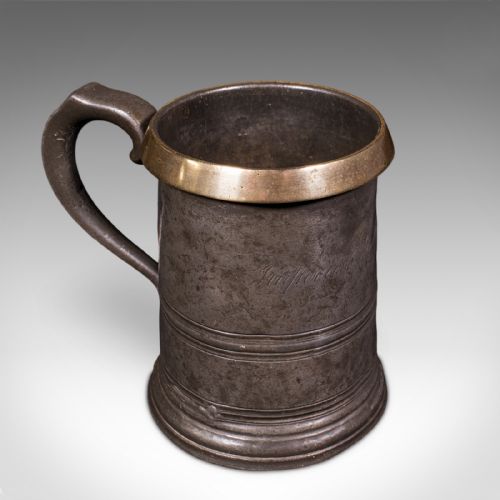


Antique Tavern Mug
An antique tavern mug brings tangible history to your table, offering robust utility forged in eras of communal ale houses and public hospitality.
Antique Tavern Mug
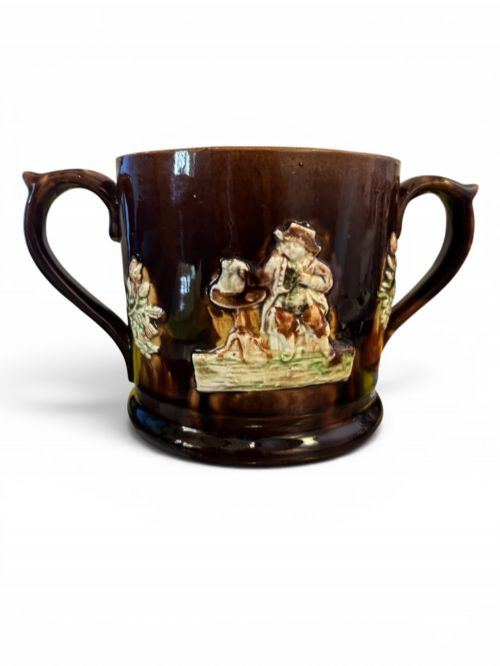
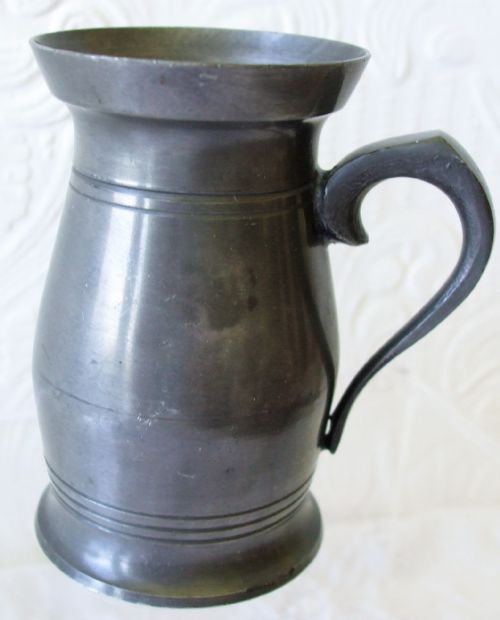
When you search for an antique tavern mug, you encounter durable vessels designed for public house hospitality across the eighteenth and nineteenth centuries. These pieces appear most frequently as pewter tankards, measures, and earthenware vessels.
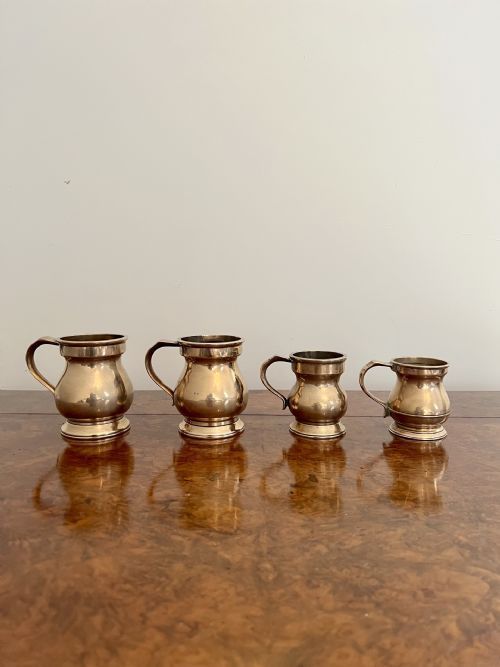
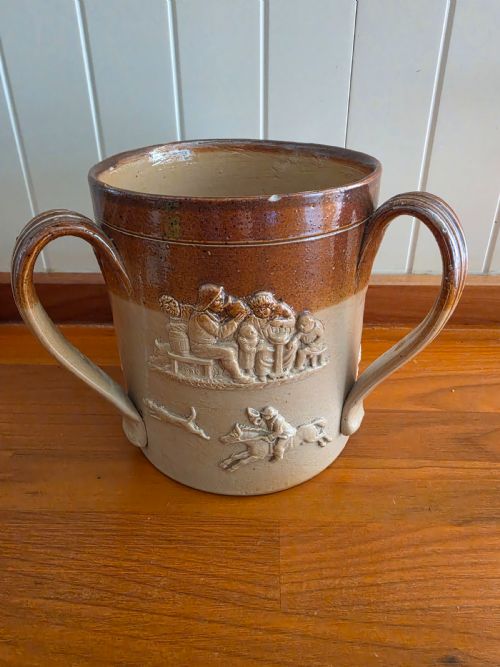
The selection ranges from Georgian flat-lid flagons and multi-handled stoneware tygs to Victorian copper measures and silver-rimmed harvest cups. Most examples originate from English and Scottish makers, reflecting daily service in historical drinking establishments.
How they were made
Makers shaped pewter, copper, brass, and silver into robust drinking vessels, often casting the metal and soldering components together. Metal measures utilise precise weight standards for public house service.
Potters formed clay and stoneware on wheels, applying salt or standard glaze before firing. Some vessels incorporate multiple handles or interior surprises like moulded frogs to amuse the drinker.
Listings span the eighteenth and nineteenth centuries, incorporating Georgian and Victorian eras through pewter, copper, stoneware, and earthenware vessels.
What varies in quality
Subtleties of touchmarks, maker stamps, and regional capacity verification stamps distinguish standard commercial output from superior workshop production. Crispness in cast bell shapes and balanced proportions elevate certain pieces above routine tavern gear.
Integrity of surface patination and original metal finishes separate well-preserved specimens from heavily restored or polished examples. Weight distribution and handle attachment strength also indicate the original grade of manufacture.
Frederic Sanders·Thomas Phillips I·Thomas Dean Alderson·Susannah Cocks·M Alderson
The Antique Tavern Mug Glossary
- Tyg
- A large drinking vessel featuring three or more handles, designed for communal passing around a table. These earthenware or stoneware pieces often date to earlier periods.
- Flagons
- Large lidded drinking vessels with handles, used for pouring or serving ale. Flat-lid variants are typical of eighteenth-century tavern settings.
- Measure
- A standardised vessel employed in public houses to gauge precise volumes of liquid such as pints or gills. These items carry official capacity verification marks.
- Breweriana
- Collectable items associated with the brewing and serving of beer, including public house tankards and measures. This category encompasses the commercial ephemera of taverns.
Antique Tavern Mug: Frequently Asked Questions
How were these mugs used in historic taverns?
Publicans utilised these vessels to serve ale, beer, and spirits directly to patrons in busy drinking houses. Measures ensured customers received legally regulated quantities of beverage.
Communal vessels like tygs passed from hand to hand around tables during social gatherings. Sturdy metal and stoneware construction withstood the heavy daily use of public life.
What materials are most common?
Pewter dominates the metal selection, alongside copper, brass, and occasional silver rims on organic bodies. Stoneware and earthenware represent the ceramic side of tavern vessels.
Different materials served distinct regional preferences and specific pub duties, from heavy metal measures to glazed clay drinking jugs.
How do I date an antique tavern mug?
Makers' touchmarks, capacity stamps, and regional verification marks provide the most reliable chronological clues. Stylistic shifts, such as Georgian flat lids versus Victorian bell shapes, also narrow the timeline.
Material composition and manufacturing techniques evolved over the eighteenth and nineteenth centuries, helping specialists place pieces within specific decades.
Can I use an antique mug for drinks today?
Certain metal and ceramic pieces remain robust enough for modern use, provided they lack harmful interior residues or severe structural compromises. Historic pewter containing lead requires careful evaluation before contact with acidic beverages.
Many collectors prefer to display these items as decorative historical objects rather than risking damage through active modern service.