

Antique Tall Wardrobe
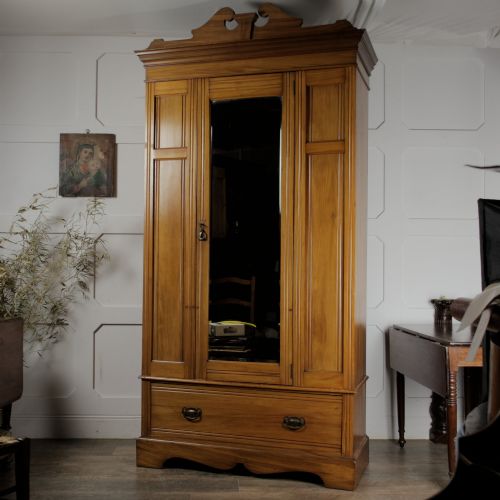
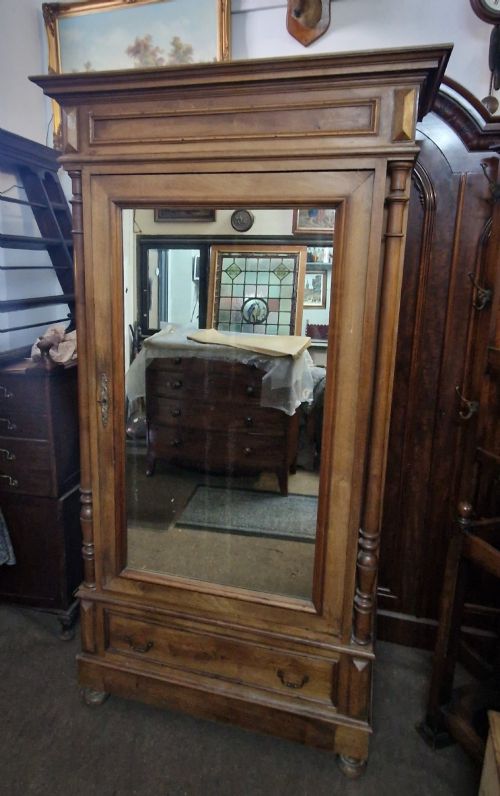
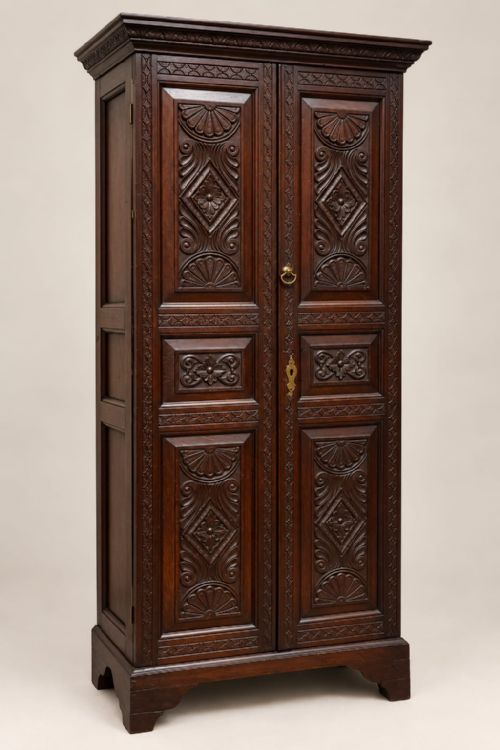
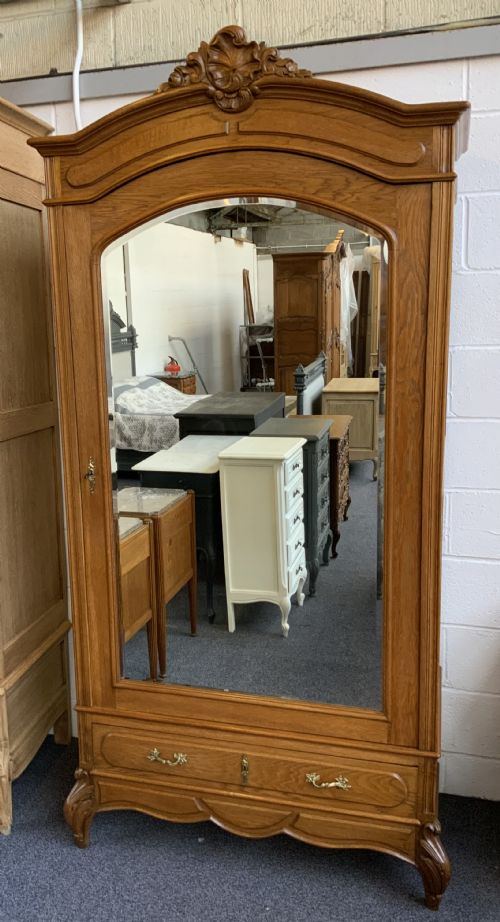
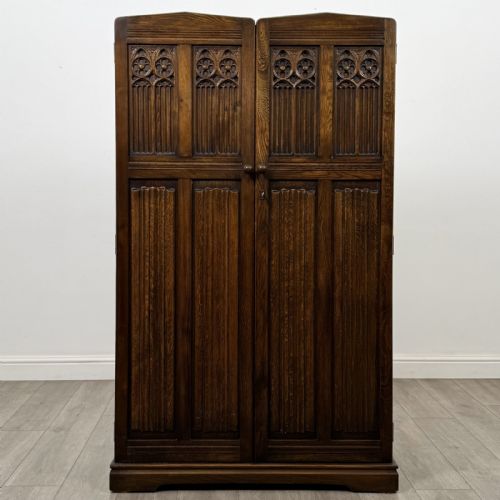
When you need an antique tall wardrobe, you find substantial pieces of furniture built to hold garments and linen in rooms with high ceilings.
Antique Tall Wardrobe
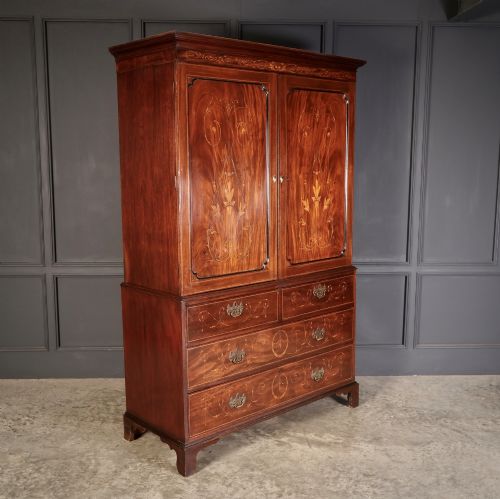
An antique tall wardrobe encompasses large upright storage pieces, including linen presses, armoires, housekeepers' cupboards, and tallboys originating from the eighteenth, nineteenth, and early twentieth centuries. These pieces serve to store clothing and household textiles while anchoring the vertical space of a room.
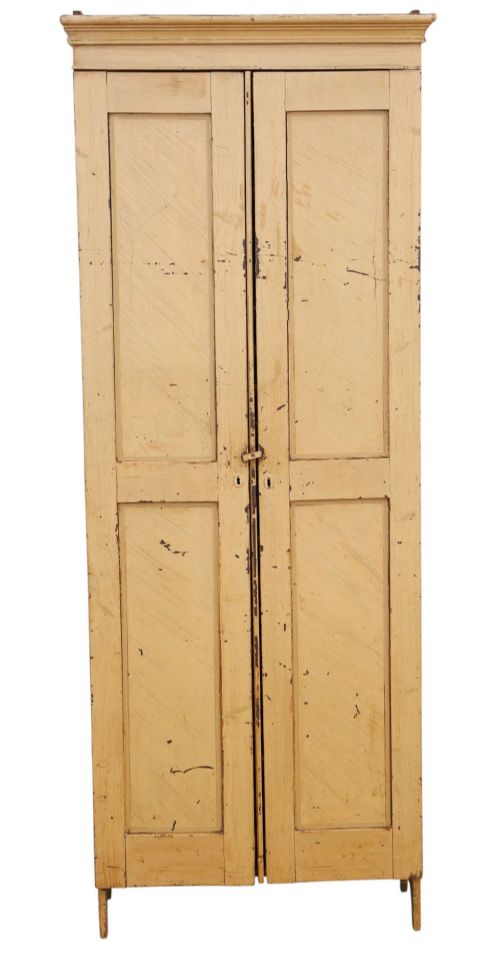
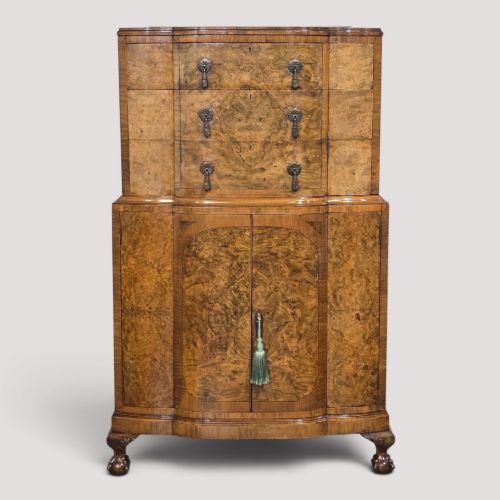
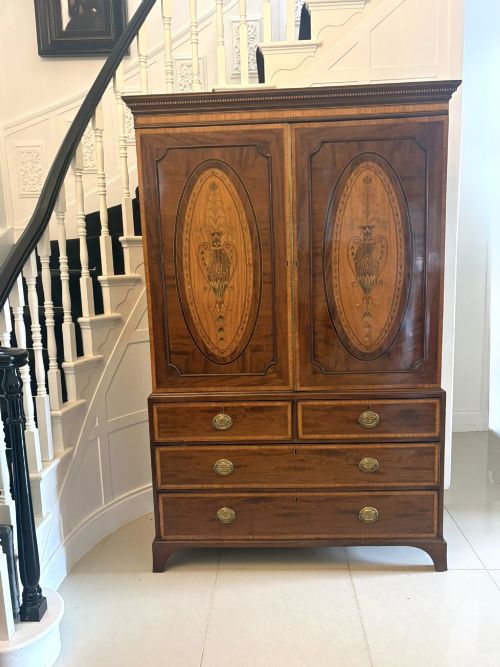
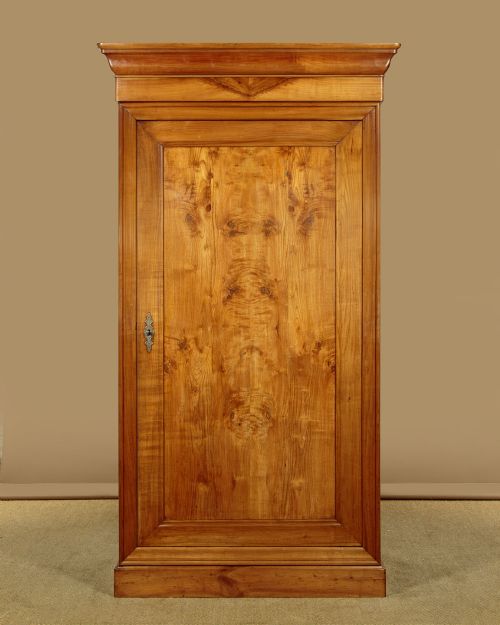
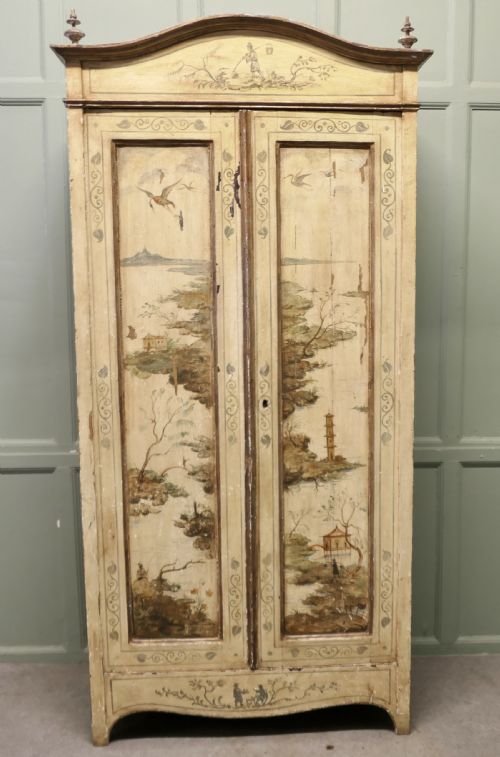
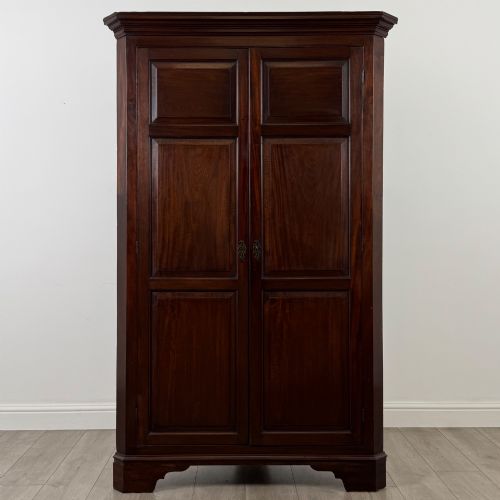
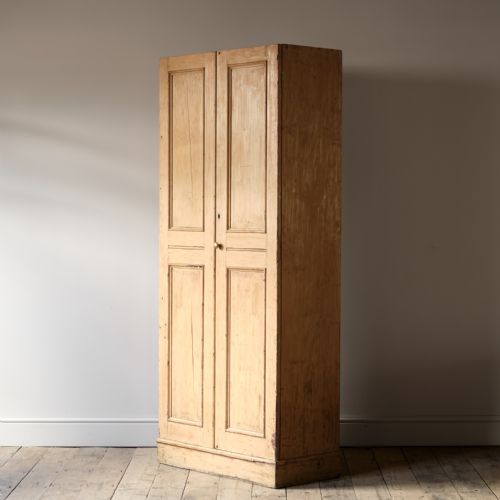
The versions most commonly met on this page are constructed from pine, mahogany, oak, and walnut, reflecting both formal cabinet-making and regional country traditions from Britain, France, Scandinavia, and China. They appear in finishes ranging from polished timber and burr veneer to painted surfaces and Chinoiserie lacquer.
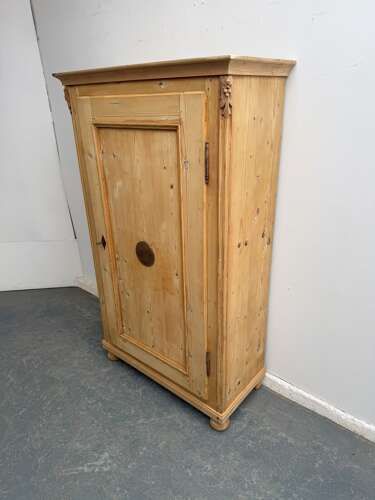
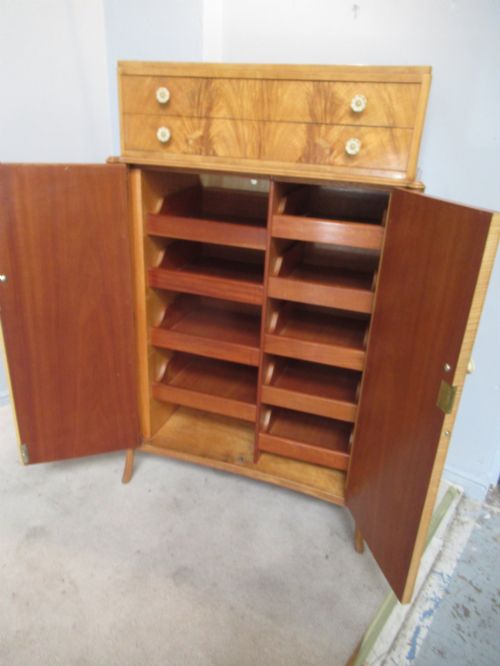
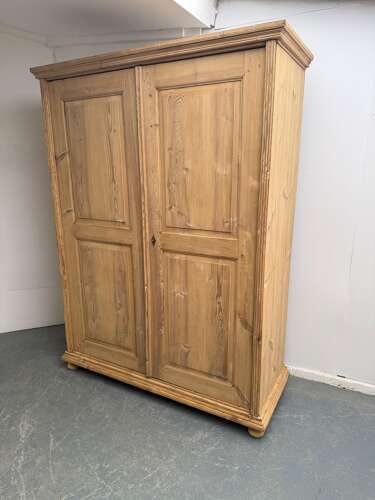
Forms vary from single-door knockdown wardrobes and two-door cupboards to complex linen presses fitted with internal drawers and sliding trays. Their proportions are dictated by historical room dimensions, often reaching considerable heights to maximise internal capacity.
How they were made
Makers utilised solid timbers such as pine, oak, and mahogany alongside decorative veneers like burr walnut, satinwood, and cherry to construct the carcass and panelled doors. Iron and brass hardware, including hinges, locks, and metal binding, secures the structural joints and operational doors.
Joinery techniques involved traditional frame-and-panel construction, dovetailing for internal drawers, and pegged joints designed to allow timber to expand and contract with seasonal humidity. Many larger pieces, particularly pine wardrobes, were constructed to partially or fully dismantle for transport and installation.
Antique Tall Wardrobe Retail Price Guide 2026
Typical asking prices for tall wardrobe among the pieces listed under this phrase on Sellingantiques today, from the lower quarter to the upper quarter. They describe what is for sale here now, not the wider market.
Listings feature pine, mahogany, oak, and walnut pieces spanning the eighteenth, nineteenth, and early twentieth centuries.
What varies in quality
Quality rests upon the selection of timber and the precision of the joinery, distinguishing utilitarian country storage from high-style cabinet-making. Figured veneers, fine inlay work, and well-executed carved details signal workshops operating at a high level of craftsmanship.
Proportion and the integrity of the original surface finish, whether polished mahogany or period paintwork, define the visual weight of the piece. The survival of original brass or iron fittings and fitted internal drawers further separates standard utility pieces from exceptional examples.
Maple and Co
The Antique Tall Wardrobe Glossary
- Linen Press
- A tall cupboard traditionally used for storing folded linen and garments, typically featuring sliding trays or drawers in the upper section enclosed by doors.
- Armoire
- A large upright cupboard or wardrobe used for hanging or shelving clothes, originating in continental Europe.
- Knockdown
- A piece of furniture designed to be taken apart into separate panels and sections for ease of movement and installation.
- Inlay
- A decorative technique where contrasting woods or materials are set into the surface of the primary timber to create patterns.
- Chinoiserie
- European decorative style inspired by Chinese artistic traditions, frequently featuring painted lacquer scenes on cabinets and screens.
Antique Tall Wardrobe: Frequently Asked Questions
How do I fit a tall wardrobe in a modern room?
Measure the ceiling height and floor space carefully before selecting a piece, as these historical items were built for taller rooms than standard modern houses.
Consider knockdown versions that disassemble into sections, which simplify the process of moving large wooden furniture through narrow doors and stairwells.
What is the difference between a wardrobe and a linen press?
A wardrobe is primarily designed for hanging garments on rails or hooks within a tall enclosed space.
A linen press combines hanging or shelf space with internal sliding trays or drawers specifically built for storing folded textiles and linens.
How do I care for antique painted furniture?
Keep painted and lacquered cabinets away from direct sunlight and excessive heat sources to prevent the surface finish from cracking or fading over time.
Dust gently with a dry, soft cloth and avoid chemical cleaning products that can damage historical wax or paint layers.
Can these wardrobes be dismantled for transport?
Many large pine and timber wardrobes from the nineteenth century were constructed to partially or fully dismantle using wedges, pins, or screws.
Check the specific construction details of the piece, as some formal mahogany and walnut cabinets are built as single solid units.