




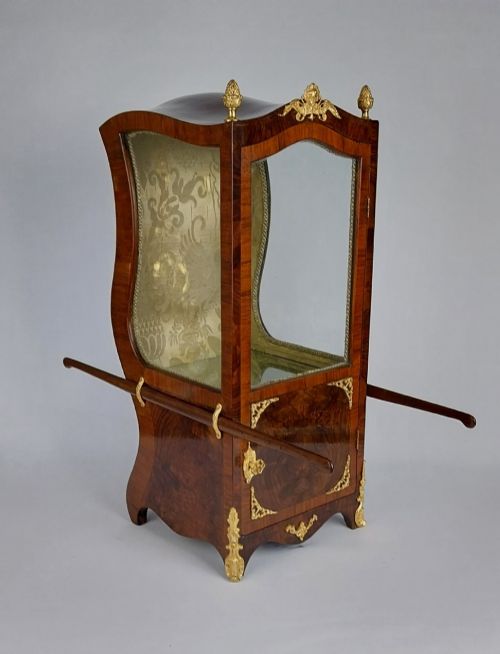
Antique Tabletop Display
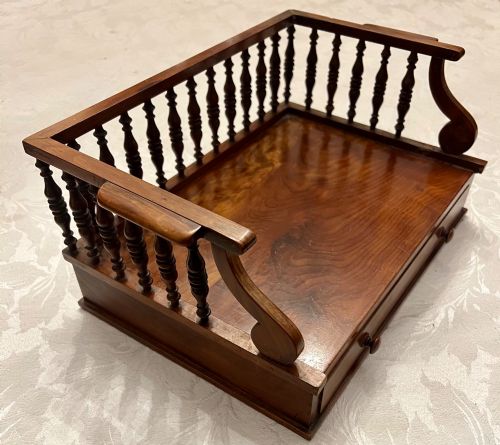
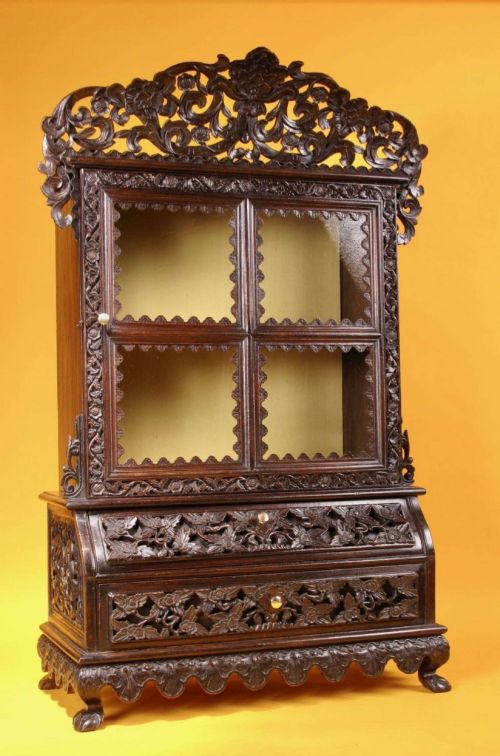
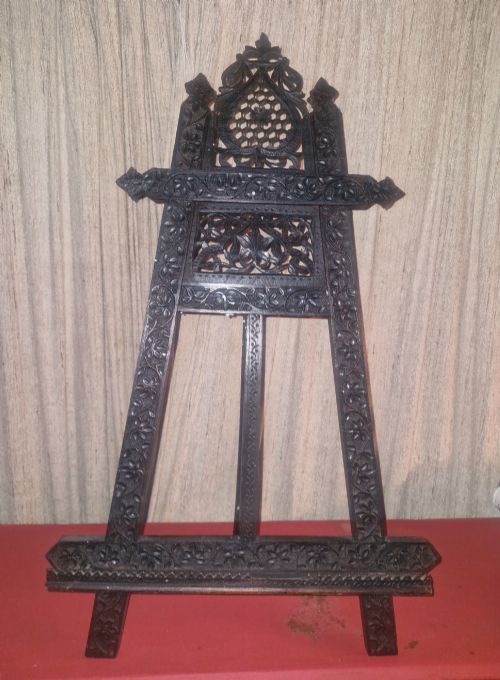
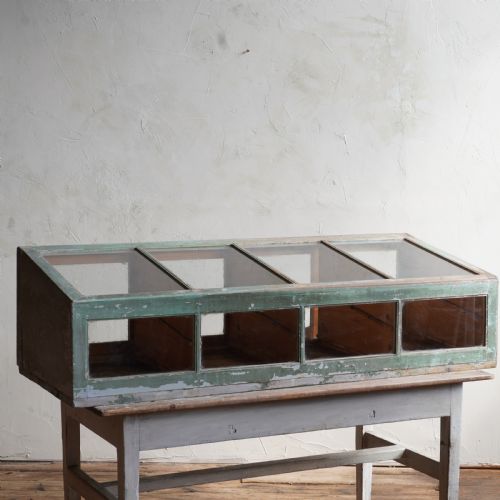
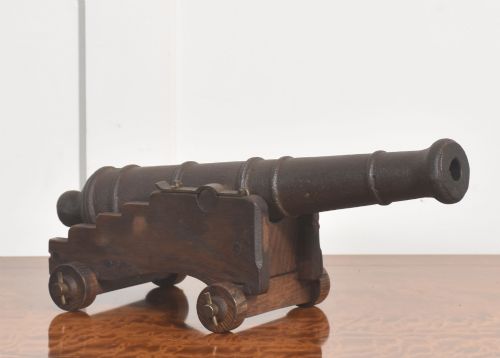
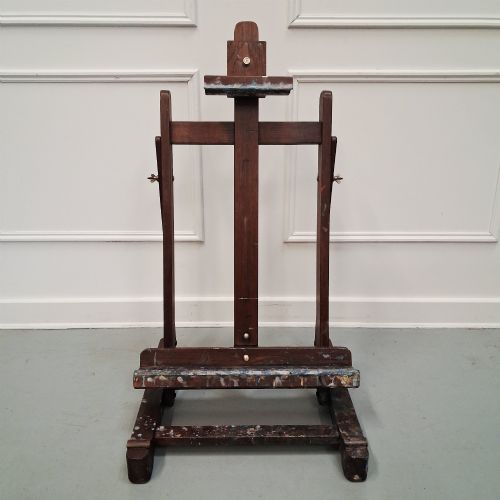
These antique tabletop display pieces hold small treasures, photographs and curios within easy reach.
Antique Tabletop Display
An antique tabletop display gathers together small cabinets, cases, frames and easels designed to sit upon furniture rather than stand upon the floor. When searching for antique tabletop display pieces, collectors encounter diverse utilitarian and decorative forms spanning the Georgian, Victorian, Edwardian and Art Deco periods.
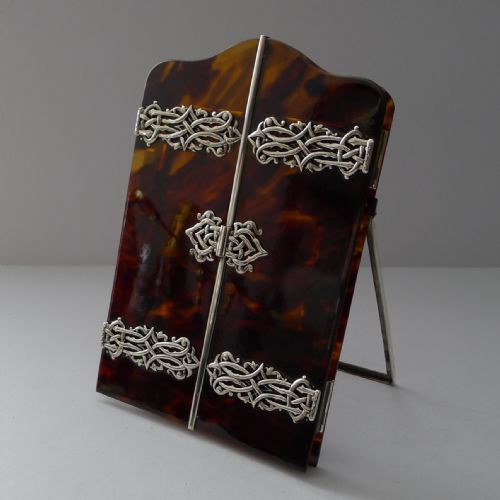
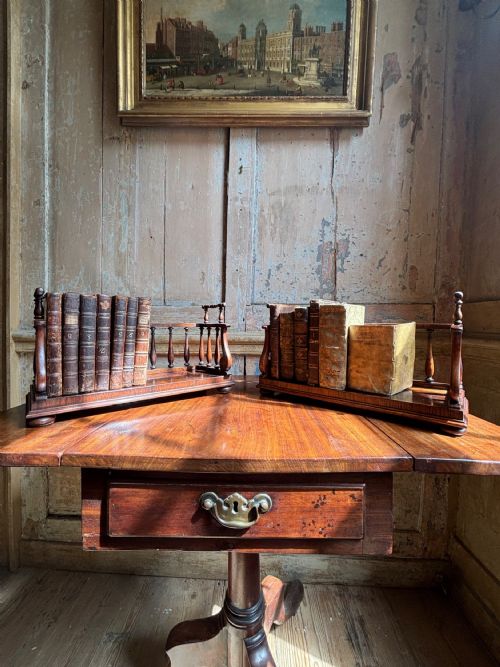
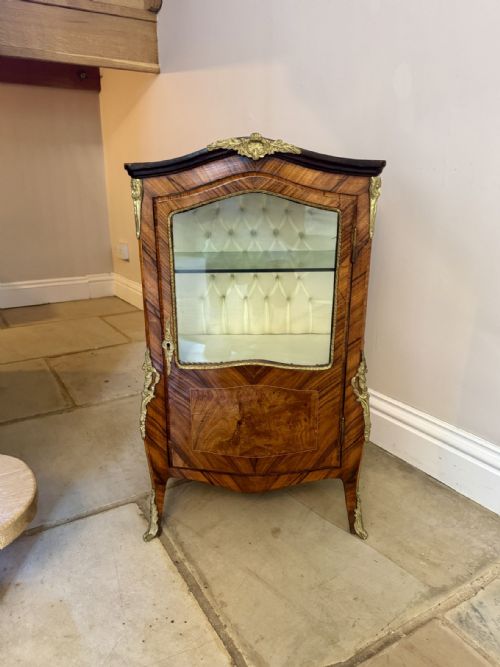
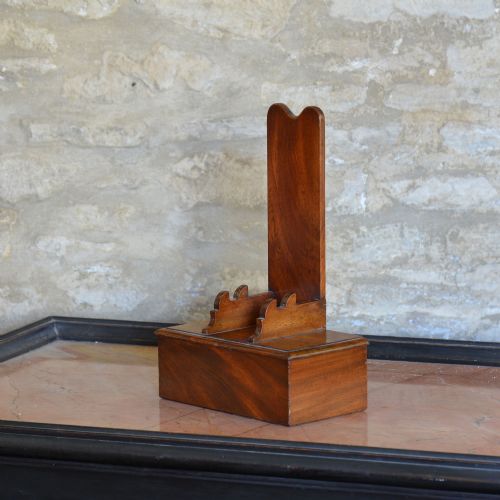
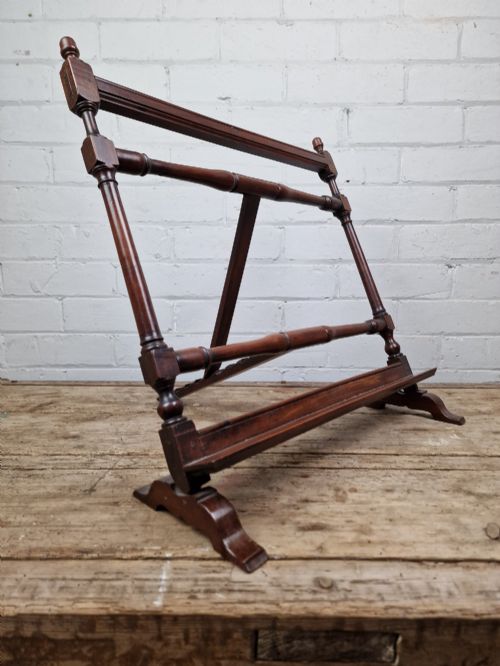
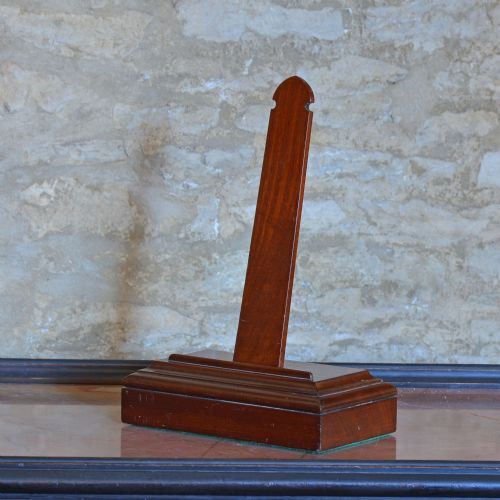
The selection ranges from small glazed countertop cabinets and shop vitrines to portable book carriers, picture easels and silver-mounted photograph frames. Mahogany, oak and rosewood frequently form the structural bodies of these items, often housing precious items or displaying small collections.
Countertop display cabinets and specimen drawers serve functional roles originating in retail shops, apothecary stores and collector's studies. Meanwhile, ornate picture frames and tabletop étagères highlight the domestic desire to showcase personal mementos and decorative arts.
Materials and Construction
Cabinet makers utilised dense hardwoods such as mahogany, oak, walnut and rosewood alongside exotic veneers like kingwood and burr walnut to construct durable frames and display cases. Joinery techniques varied from simple housing joints in utilitarian shop fittings to intricate inlay and ormolu mounts on French étagères.
Glass panels are fitted into wooden or metal doors for countertop cabinets and vitrines, allowing visibility while protecting the contents from dust. Sterling silver mountings, brass handles and cast iron components add structural integrity and decorative contrast to wood and tortoiseshell surfaces.
Antique Tabletop Display Retail Price Guide 2026
Typical asking prices for tabletop display among the pieces listed under this phrase on Sellingantiques today, from the lower quarter to the upper quarter. They describe what is for sale here now, not the wider market.
Specimen collector cabinets once held everything from beetle wings to geological rocks.
Standards of Craftsmanship
The distinction between standard utility items and exceptional pieces rests upon the precision of the joinery and the selection of timber figures. Fine burr walnut, rosewood and inlaid kingwood elevate domestic tabletop pieces above plain oak or deal shop counters.
Original hardware, including working locks with keys, intact glass panels and hallmarked sterling silver mounts, preserves the integrity of the piece. Refined carving, well-fitted drawers and balanced proportions separate commercial production from master craftsmanship.
Manoah Rhodes and Sons Ltd·Gillows
The Antique Tabletop Display Glossary
- Vitrine
- A glass-fronted cabinet or case designed for displaying fine objects or curiosities. These pieces often feature glazed sides to maximise light penetration.
- Étagère
- A set of open shelves or tiers for displaying small ornaments and decorative objects. French examples frequently incorporate marquetry and ormolu mounts.
- Specimen Cabinet
- A small multi-drawer chest intended for organising natural history collections or small artefacts. Each drawer typically includes internal compartments.
- Cartes de Visite
- Small photographic portraits popular in the Victorian era. Specially constructed frames and boxes were utilised to store and display these cards.
- Ormolu
- Gilded bronze or brass ornamentation applied to furniture and decorative objects. This technique was favoured by cabinet makers during the nineteenth century.
Antique Tabletop Display: Frequently Asked Questions
What fits inside a countertop display cabinet?
Countertop cabinets accommodate small collectibles, pocket watches, silver trinkets and specimen objects. Their shallow depth allows viewers to inspect items closely through glass panels.
These cases suit domestic tabletops, sideboards and shop counters alike, offering both secure storage and clear visibility.
How do I care for antique wood display pieces?
Maintain timber surfaces by applying a modest amount of quality beeswax periodically to nourish the grain. Avoid placing antique wood in direct sunlight or near heat sources to prevent warping.
Handle brass fittings and silver mounts with soft cloths to preserve their natural patina without abrasive cleaning.
How do I distinguish Victorian from Edwardian cases?
Victorian display pieces often feature darker timbers, heavier carvings and elaborate ornamentation such as tortoiseshell or burr walnut veneers. They prioritise rich texture and substantial presence.
Edwardian examples tend to exhibit lighter oak frames, cleaner lines and simpler glazing bars, reflecting a shift towards brighter domestic interiors.