




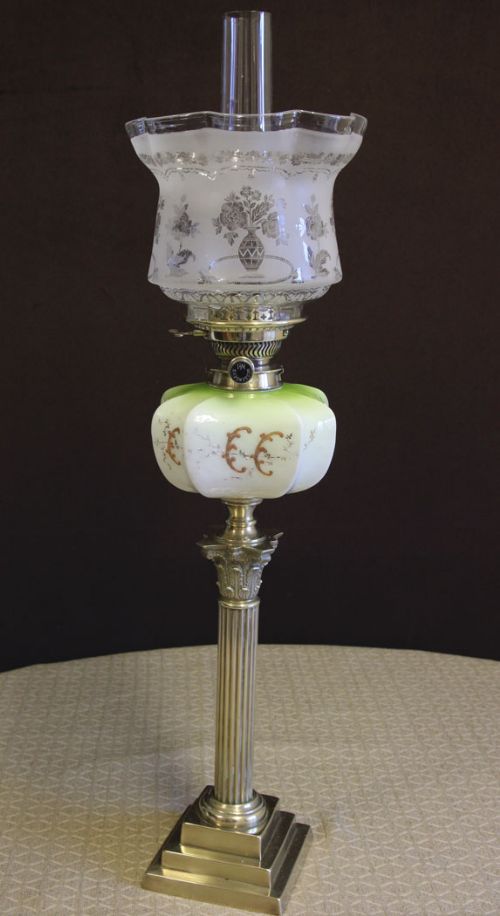
Antique Table with Glass
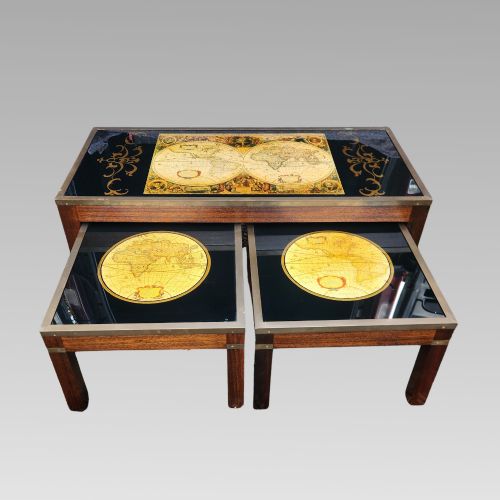
An antique table with glass combines sturdy timber frames with transparent surfaces, giving rooms a sense of openness.
Antique Table with Glass
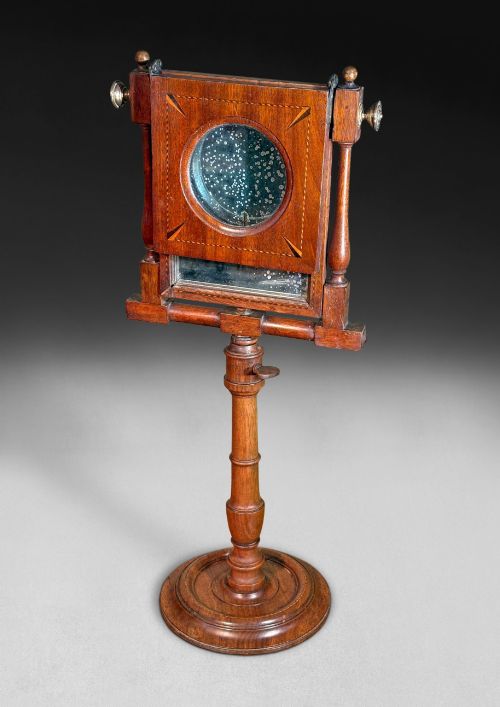
When buyers search for an antique table with glass, they encounter varied forms spanning the eighteenth, nineteenth, and early twentieth centuries. These pieces encompass mahogany dressing mirrors with adjustable plates, walnut occasional tables, and display cases fitted with glass tops.
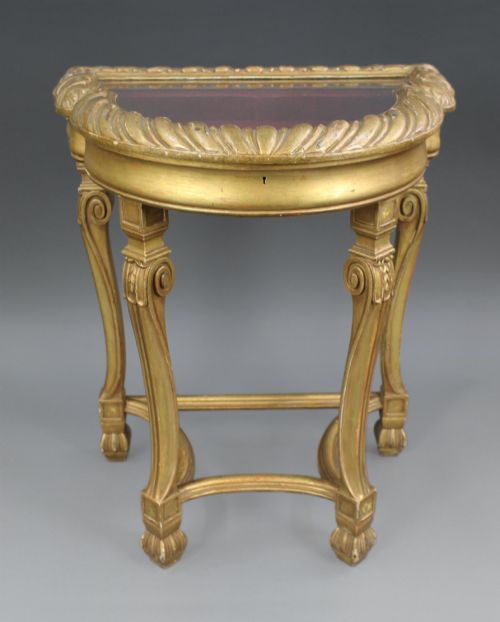
The selection on this page relies heavily on mahogany and walnut timber structures paired with transparent or mirrored glass elements. Such items range from compact toilet mirrors to French bijouterie display tables mounted in ormolu.
Makers from the Georgian, Victorian, Edwardian, and Art Deco eras approached these furniture forms with distinct regional styles. Buyers frequently meet items incorporating brass fittings, silver-plated frames, and intricate fretwork panels beneath protective glass.
Materials and construction methods
Craftsmen built the structural components of these tables and mirrors using dense hardwoods like mahogany and walnut. These timbers provided the necessary strength to support heavy glass inserts and hinged mirror frames.
Metal components such as brass, copper, and silver plate appear alongside timber and glass to form decorative mounts and handles. Joinery techniques from the eighteenth and nineteenth centuries ensured stable frames that accommodate fragile glass components safely.
Antique Table with Glass Retail Price Guide 2026
Typical asking prices for table with glass among the pieces listed under this phrase on Sellingantiques today, from the lower quarter to the upper quarter. They describe what is for sale here now, not the wider market.
Factors determining quality
The grade of timber and the clarity of the glass dictate the primary division between standard and superior examples. Figured walnut veneers and hand-cut glass inserts show a higher level of artisan skill than plain equivalents.
Integrity of the original mounts, bezels, and framing elements defines the overall execution. Pieces retaining their original ormolu, brass work, and glass components without modern replacements hold greater historical consistency.
R Lalique·Karl Palda·WMF
The Antique Table with Glass Glossary
- Bijouterie table
- A display table featuring a glass top and sides designed to showcase small valuable objects. These pieces often incorporate ormolu mounts and silk-lined interiors.
- Toilet mirror
- A smaller tabletop mirror resting on a wooden stand or drawer base, frequently produced in mahogany or walnut during the eighteenth and nineteenth centuries.
- Ormolu
- Gilded bronze or brass applied as decorative mounts to furniture and display pieces. This technique was common in French decorative arts.
- Fretwork
- Openwork ornamentation carved or pierced through thin timber panels. It appears on decorative frames and furniture accents.
- Veneer
- A thin layer of figured wood applied to a secondary timber base to create decorative grain patterns. Walnut and mahogany were frequently utilised for this purpose.
Antique Table with Glass: Frequently Asked Questions
What periods do these pieces date from?
The listings span several distinct design eras, beginning in the eighteenth century with Georgian and Queen Anne walnut and mahogany items. Later examples progress through the Regency, Victorian, and Edwardian periods up to Art Deco designs of the early twentieth century.
Each era employed characteristic timbers, glass types, and mounting techniques that help identify the date of manufacture.
How should I clean an antique glass top?
Maintain glass surfaces by using a soft, lint-free cloth and a mild glass cleaning solution applied directly to the cloth rather than the table. Avoid spraying liquids near timber frames, metal mounts, or fabric linings to prevent moisture damage.
Dry the surface immediately to prevent streaks and protect surrounding wood and brass elements from corrosion.
Are the glass components original?
Many items retain their period glass inserts, mirrors, or panels, though replacement is occasionally necessary due to accidental damage over centuries of use. Inspecting the edges, thickness, and surface wear of the glass helps determine its age relative to the wooden frame.
Consulting individual descriptions provides specific details regarding whether components show signs of later restoration.
How do I identify a toilet mirror?
A toilet mirror typically consists of an adjustable glass plate mounted within a pivoting frame, supported by small wooden drawers or box bases. Eighteenth and nineteenth-century examples were placed on dressing chests or dedicated tables for grooming.
Woods like mahogany and figured walnut dominate these pieces, frequently paired with brass adjustment screws and fine joinery.