





Antique Table Treen
Antique table treen comprises small wooden items for the dining table and parlour, crafted to bring tactile warmth and function to daily domestic rituals.
Antique Table Treen
Antique table treen encompasses small, functional wooden items made for use around the table and parlour, ranging from cheesecoasters and egg cup stands to candlestands and snuff boxes. These domestic objects survive from the eighteenth and nineteenth centuries, spanning Georgian and Victorian periods.
The versions most commonly met on this page are dining accessories in hardwoods and fruitwoods. Pieces such as mahogany and oak cheese coasters, along with turned fruitwood egg cup stands and yew wood spill vases, form the core of the selection.
Regional and folk variations also appear among the domestic items, including Welsh country salt cellars and Victorian folk art pieces. These items demonstrate the varied turning and joinery skills applied to everyday household objects in timber.
How these pieces were made
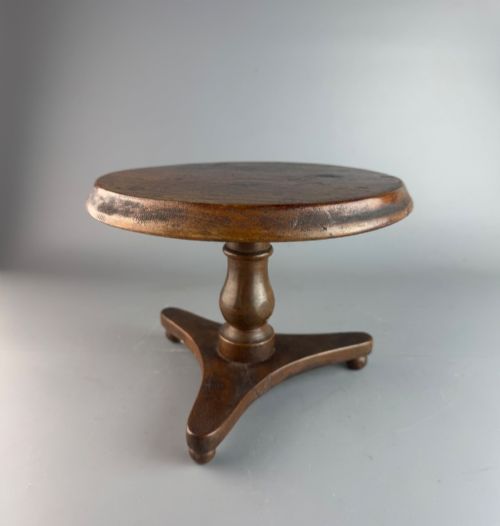
Makers shaped antique table treen using dense timbers such as mahogany, oak, fruitwood, and yew wood, often turning them on a lathe to achieve smooth, symmetrical profiles for items like candlestands and coasters. Cabinetmaking joints and turned sections were combined for more complex forms, such as revolving egg cup stands and tip-top tripod tables.
Surface finish was achieved through plain polishing of the wood or, in specific examples, the application of gold leaf and gesso. Inlays of amboyna and tortoiseshell also appear on smaller luxury table items like snuff boxes, combining fine joinery with contrasting materials.
Antique Table Treen Retail Price Guide 2026
Typical asking prices for table treen among the pieces listed under this phrase on Sellingantiques today, from the lower quarter to the upper quarter. They describe what is for sale here now, not the wider market.
Listings feature items exclusively from the Georgian and Victorian periods, executed in mahogany, fruitwood, yew wood, and oak.
What varies in quality
Quality in antique table treen rests upon the crispness of the turning and the selection of the timber. Dense, well-figured fruitwoods and rich mahogany display sharper profiles and better patination than softer or more plain woods.
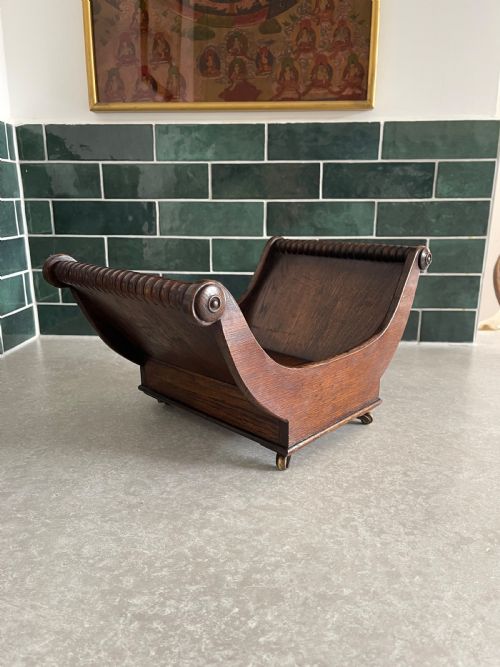
The complexity and ingenuity of the form also separate standard items from superior pieces. Working mechanisms on revolving stands, neat proportions on cheese coasters, and unusual decorative details like tortoiseshell inlays distinguish the finer examples.
The Antique Table Treen Glossary
- Treen
- Small handmade wooden domestic objects. The term derives from old English words for tree or wood.
- Cheese coaster
- A small wheeled tray designed to hold a cheese wedge and glide along the dining table. They are frequently made of mahogany or fruitwood.
- Spill vase
- A small container placed on tables to hold thin wooden spills used for lighting candles and fires. They are often turned from yew wood or other dense timbers.
- Candlestand
- A small table or stand specifically designed to support a candlestick. Examples appear in Victorian treen formed like miniature tripod tables.
Antique Table Treen: Frequently Asked Questions
What is table treen?
Table treen refers to small, functional wooden objects used in dining and parlour settings. These items include coasters, egg stands, and spill vases.
They were produced primarily during the Georgian and Victorian eras using timbers like mahogany, oak, and fruitwood.
How do I date table treen?
Dating relies on timber choice, turning style, and historical context. Georgian pieces often display restrained mahogany or oak forms, whereas Victorian items include more varied folk art and revolving designs.
Examining the patination and construction methods helps establish whether an item originates in the eighteenth or nineteenth century.
How do I care for wooden treen?
Wooden treen requires stable environmental conditions away from direct sunlight and radiators to prevent timber from splitting. Keeping humidity steady preserves the natural patination of the wood.
Applying occasional wax maintains the finish without damaging the antique surface.