
Antique Table Top Box
When you search for an antique table top box, you find compact wooden chests, glass vanity jars and velvet-lined caskets designed to sit securely upon larger furniture.
Antique Table Top Box
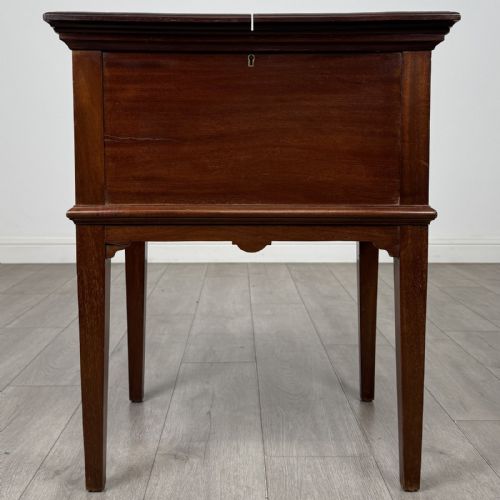
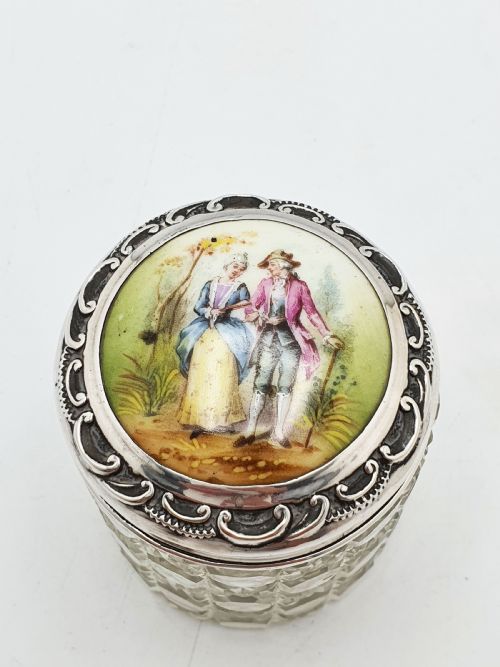
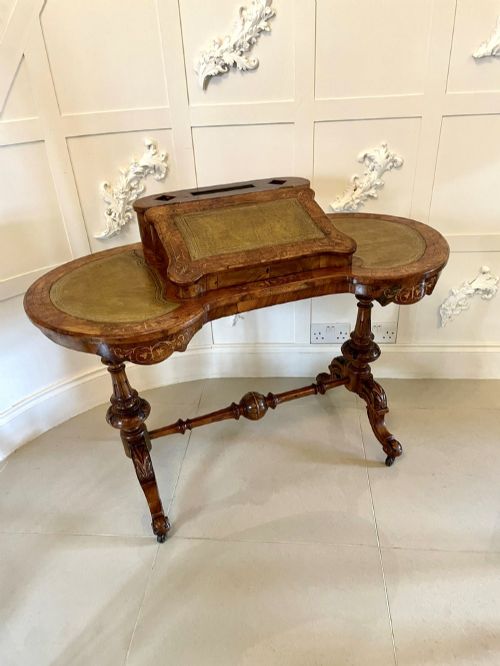
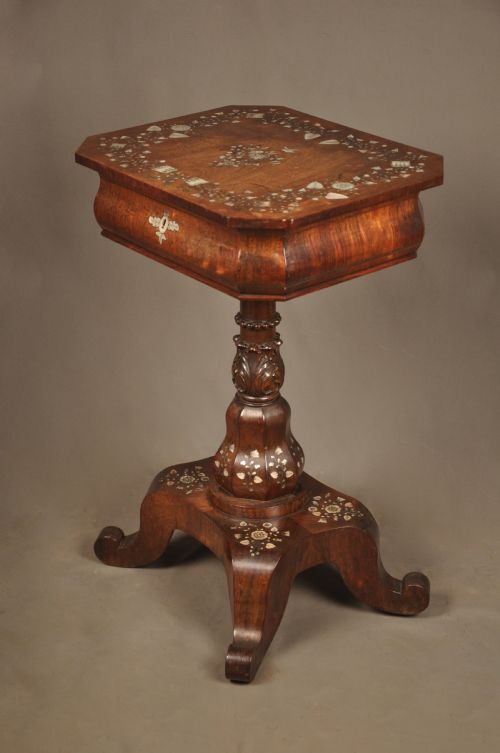
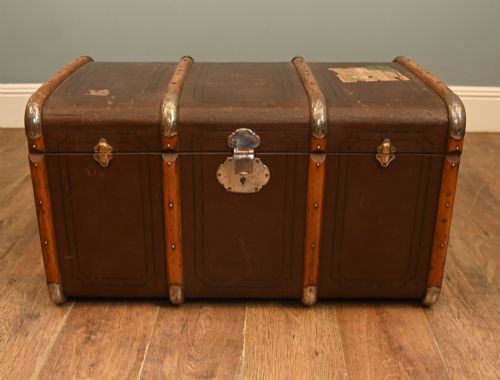
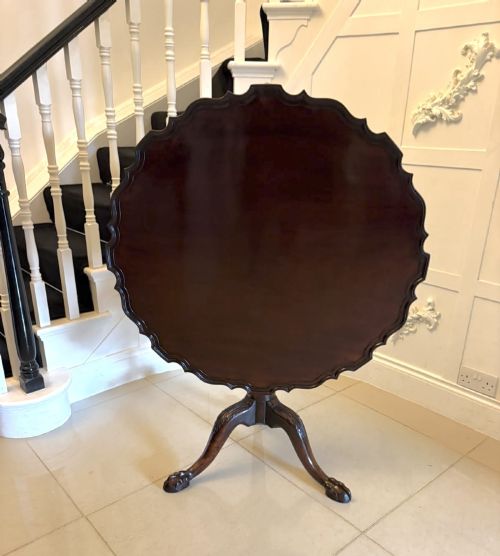
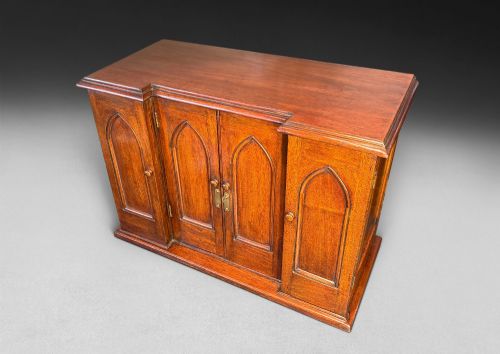
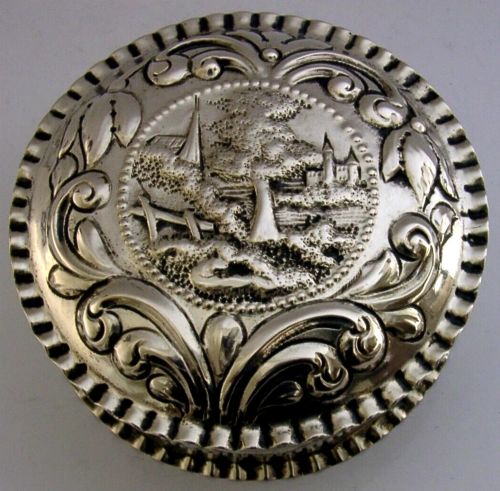
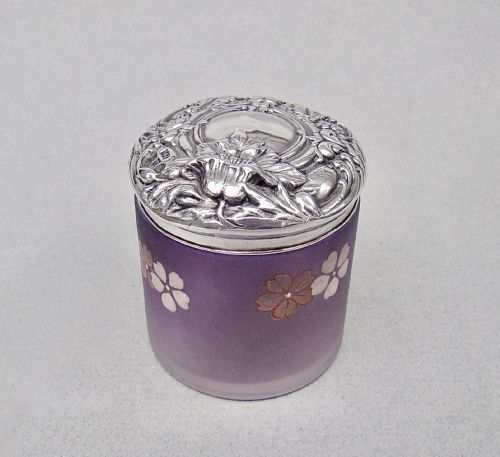
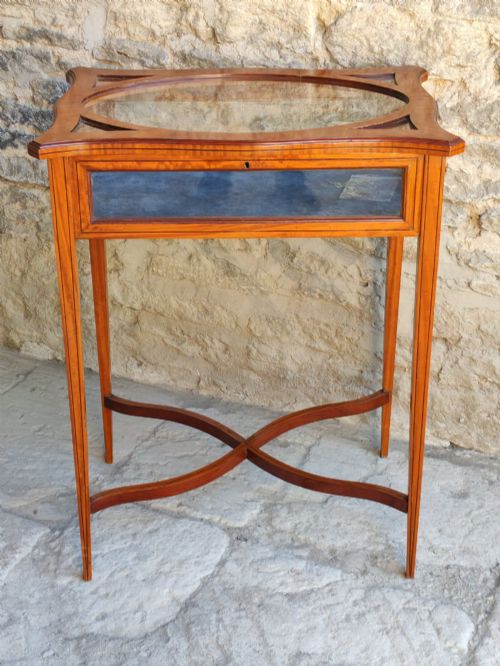
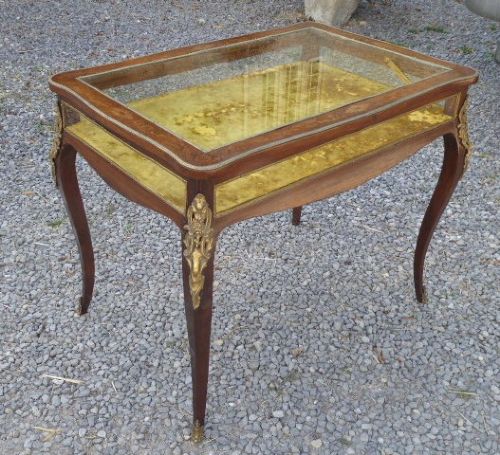
An antique table top box covers a diverse group of small, portable containers designed to sit upon furniture surfaces rather than stand on the floor. When browsing this selection, you encounter items ranging from seventeenth-century oak Bible boxes and nineteenth-century rosewood work tables to silver-mounted glass trinket jars and inlaid satinwood bijouterie cases.
Makers fashioned these pieces to hold valuables, documents, sewing implements or personal adornments within domestic settings. The forms vary from simple hinged caskets and slant-front boxes to glazed display cabinets and fitted desktop storage units created across the Georgian, Victorian, Edwardian and Art Deco periods.
Materials and Technique
Cabinet makers utilised dense hardwoods such as mahogany, oak, walnut, rosewood and satinwood, frequently applying decorative veneers, boxwood inlay or marquetry patterns to the exterior surfaces. Many specimens incorporate brass mounts, ormolu details, leather bindings and internal compartments lined with velvet to protect fragile contents.
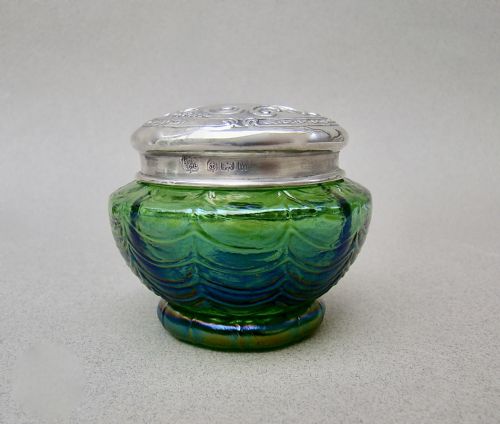
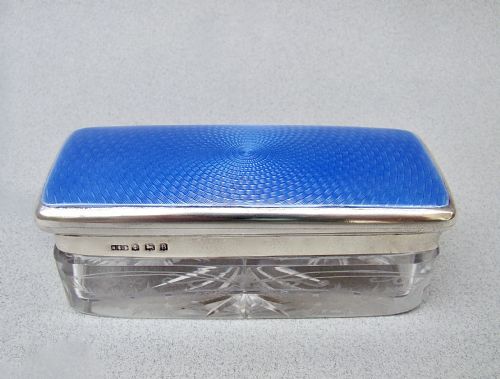
Glass and silverware artisans produced smaller vanity and trinket containers by combining cut or frosted glass with sterling silver lids, occasionally embellishing them with hand-painted porcelain plaques, guilloché enamel or colourful glass bodies.
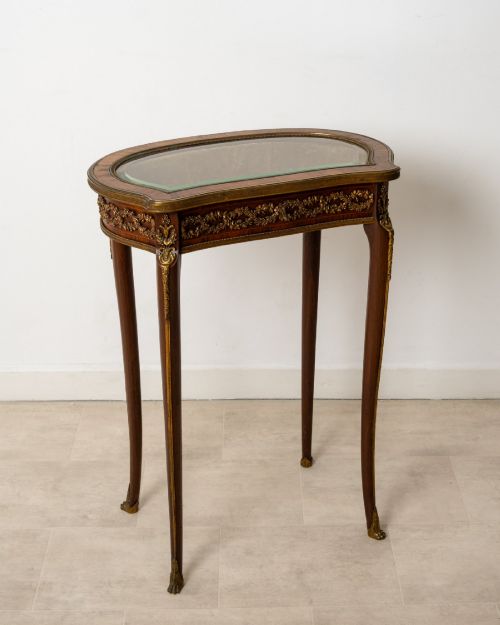
The selection includes specialised forms such as slant-front Bible boxes, kidney-shaped display tables and velvet-lined jewellery caskets.
Markers of Distinction
Quality rests upon the precision of the joinery, the selection of figured timber veneers and the crispness of any applied metal mounts or carved details. Pieces featuring intact interior fittings, original working locks with keys, and well-preserved glass or enamel elements retain greater integrity.
The sophistication of decorative techniques, such as detailed marquetry work, hand-painted ceramic inserts or finely chased silver lids, distinguishes standard utility items from more ambitious examples produced for wealthy households.
A. J. Pepper & Co·Henry Clifford Davis
The Antique Table Top Box Glossary
- Bijouterie table
- A glass-topped display table designed to showcase small decorative objects, medals or jewellery inside a glazed compartment.
- Bible box
- A sloping-lidded wooden container originally built to hold religious texts and writing materials securely.
- Guilloché
- A decorative mechanical engraving technique that produces intricate, repetitive geometric patterns beneath translucent enamel.
- Ormolu
- Gilded bronze or brass mounts applied to furniture and boxes during the eighteenth and nineteenth centuries.
- Marquetry
- The art of applying decorative pieces of veneer to a structure to form intricate pictorial or geometric designs.
Antique Table Top Box: Frequently Asked Questions
What is an antique table top box used for?
These containers served various domestic functions, from holding personal correspondence and sewing equipment to securing jewellery and displaying small curiosities.
Today, they function as practical desktop storage or decorative accents on sideboards and mantelpieces.
How do I date a wooden box?
Dating relies on examining construction methods, timber choices and hardware such as hinges and locks. Earlier pieces often feature hand-cut dovetails and native woods, whereas later Victorian and Edwardian examples show industrial sawing and exotic veneers.
Stylistic markers like Georgian mahogany or Art Deco enamel work also narrow down the manufacturing era.
Are glass trinket boxes fragile?
While the cut glass or frosted bodies possess reasonable thickness, the sterling silver lids and enamel decorations require gentle handling. Proper placement away from high-traffic edges prevents accidental drops.
Cleaning should involve soft cloths without harsh chemical abrasives to protect the metal and glass surfaces.
What is a bijouterie table?
A bijouterie table is a raised display case with glazed panels designed to exhibit collections of small valuables at a convenient viewing height. They became particularly popular during the Victorian and Edwardian periods.
These pieces combine the utility of a small table with the protective display qualities of a cabinet.