






Antique Table Knife
These antique table knife examples and related cutlery items combine practical dining history with period design from the nineteenth and twentieth centuries.
Antique Table Knife
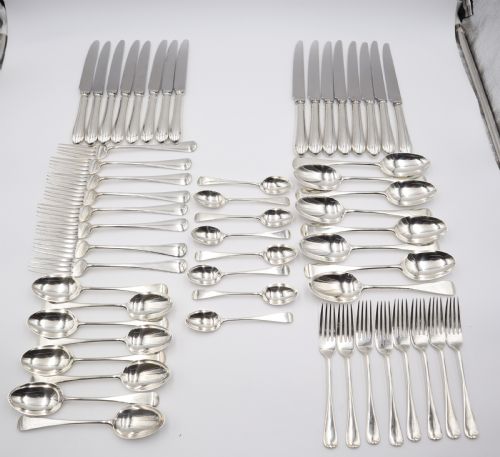
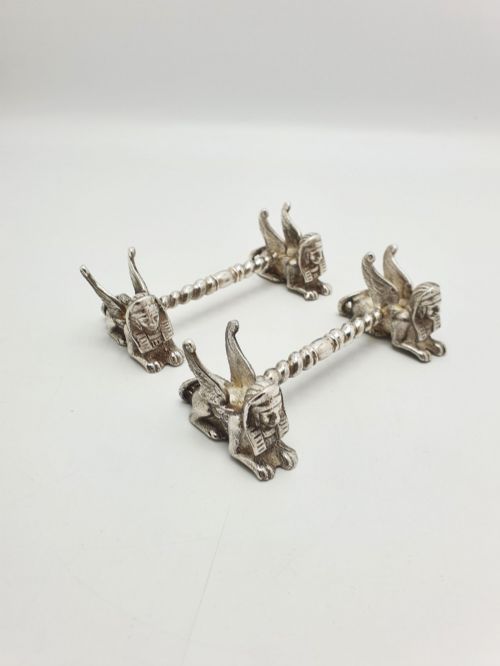
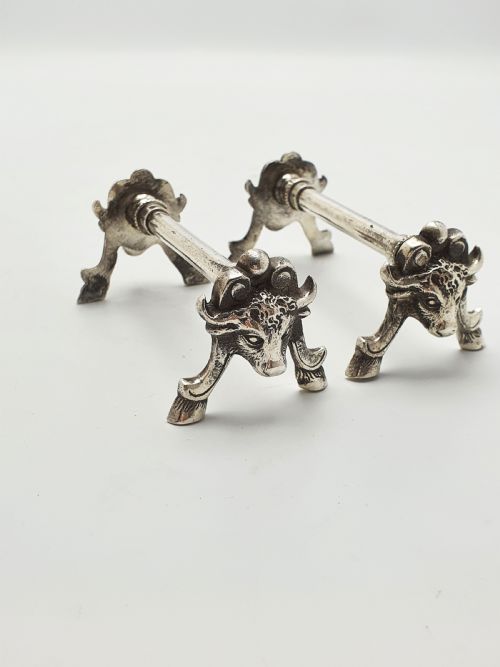
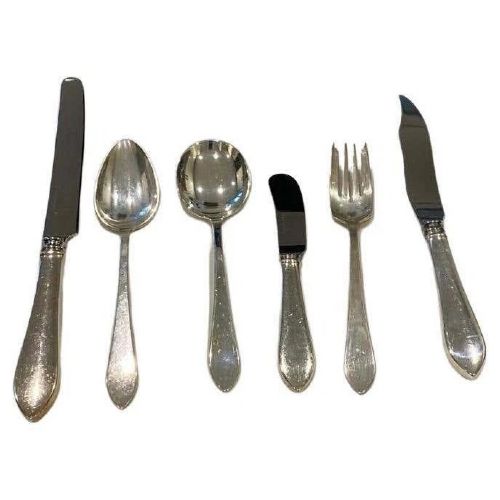
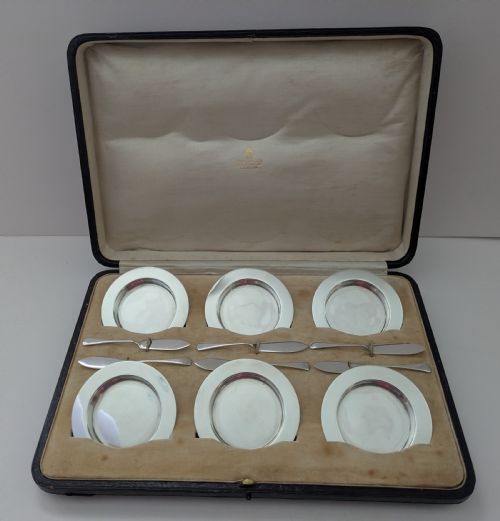
You are likely to meet nineteenth-century silver plated knife rests alongside cased butter knives and larger cutlery sets featuring mother of pearl or bone handles. Pieces range from traditional patterns to specific designs like the Egyptian Revival sphinx rests or figural bull head motifs.
Materials and construction
Manufacturers utilised metals such as sterling silver, silver plate, and stainless steel for the blades, shafts, and rests. Handles frequently incorporated organic materials including mother of pearl, bone, and occasionally Bakelite.
Silver items often display hallmarks from assay offices in locations like Birmingham and Sheffield, indicating the exact town and year of production. Plated items such as Old Sheffield Plate demonstrate distinct layering techniques over base metals.
Factors of quality
The weight of the metal gauge separates standard utility pieces from heavier, more substantial examples designed for formal dining. High quality is evident in crisp casting details on figural rests, such as rampant lions or sphinxes.
The integrity of handle materials, whether intact mother of pearl or well-fitted bone, dictates the desirability of a piece. Preservation of original fitted presentation cases also distinguishes superior sets from loose items.
Tiffany·Asprey And Co·International Silver Co·Adie Brothers
The Antique Table Knife Glossary
- Sterling silver
- A silver alloy containing 92.5 percent pure silver by mass, widely utilised for British dining flatware and marked with standard assay symbols.
- Silver plate
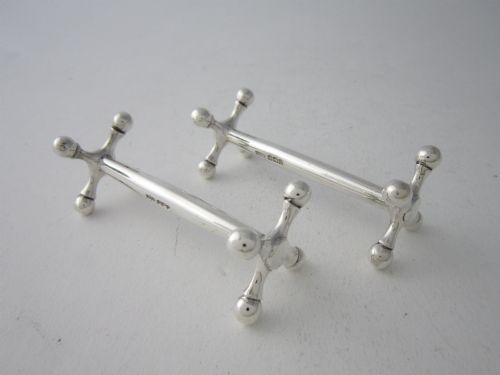
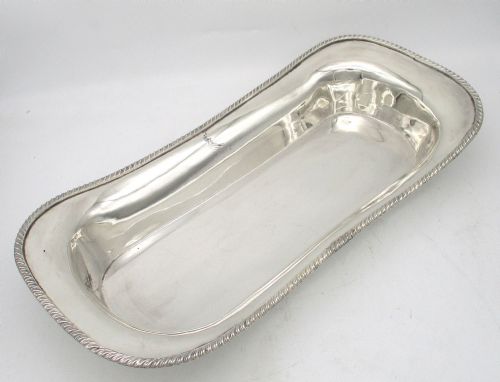
- A base metal substrate coated with a thin layer of pure silver, common in nineteenth-century trays and knife rests.
- Knife rest
- A small support, often formed as a pair, designed to keep carving or table knives elevated above the tablecloth between courses.
- Old Sheffield Plate
- An early form of plated metal produced by fusing a sheet of silver to a copper ingot before rolling.
- Fiddle pattern
- A traditional nineteenth-century flatware handle design characterised by a narrow stem widening towards a squared shoulder.
Antique Table Knife: Frequently Asked Questions
What is an antique knife rest?
A knife rest is a small decorative stand placed beside a plate to hold a knife or fork between courses, protecting the table linen from grease and food residue.
These pieces typically appear in matched pairs and take various forms, ranging from simple geometric bars to figural motifs like animals or architectural elements.
How do I identify silver plate?
Silver plated items consist of a base metal covered with a thin layer of silver, often marked with manufacturer symbols rather than official assay sterling hallmarks.
Items described as Old Sheffield Plate utilise an older fused layering method that shows copper edges where the outer silver layer has worn away.
When were mother of pearl handles used?
Mother of pearl handles appear frequently on nineteenth-century and Edwardian butter knives, fruit sets, and small cutlery collections.
This material provides a lustrous, iridescent quality that complemented silver blades during formal Victorian and Edwardian dining occasions.
How should I clean antique cutlery?
Antique silver and plated items require gentle cleaning with specialised silver cloth or non-abrasive polishes to preserve the underlying metal and any maker marks.
Harsh chemical dips and modern dishwashers should be avoided, particularly on pieces with organic handle materials like bone or mother of pearl.