
Antique Table Glass
When collectors seek antique table glass, they explore decorative lighting, scent bottles and display vessels forged across centuries.
Antique Table Glass
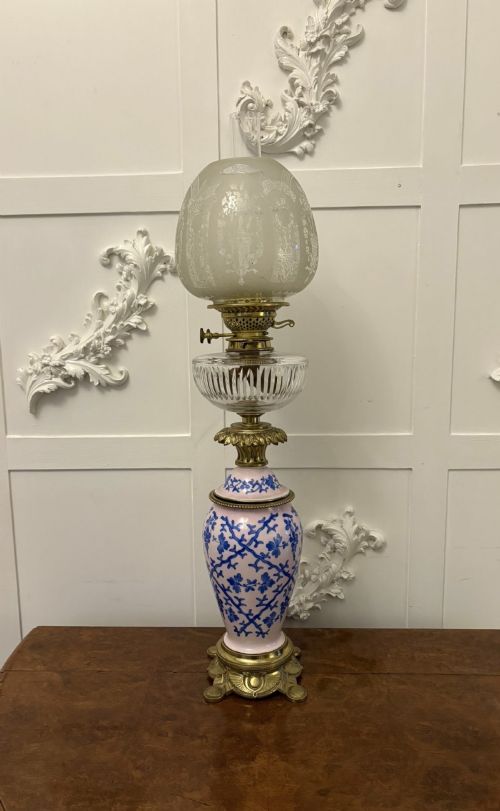
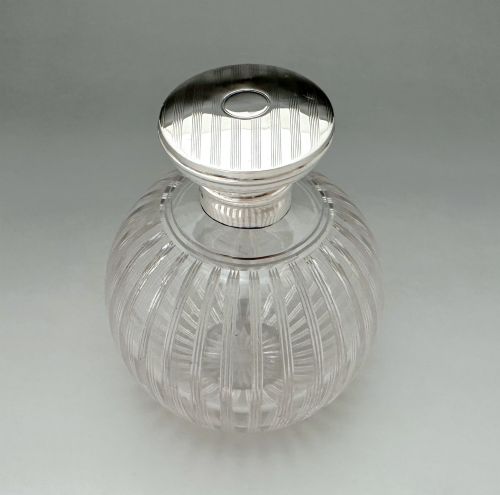
Antique table glass encompasses functional and decorative vessels created for domestic interiors, spanning Georgian, Victorian and Edwardian periods alongside later twentieth-century movements. Buyers frequently encounter lighting components such as oil lamps and cut glass table lamps, often paired with brass or sterling silver mounts.
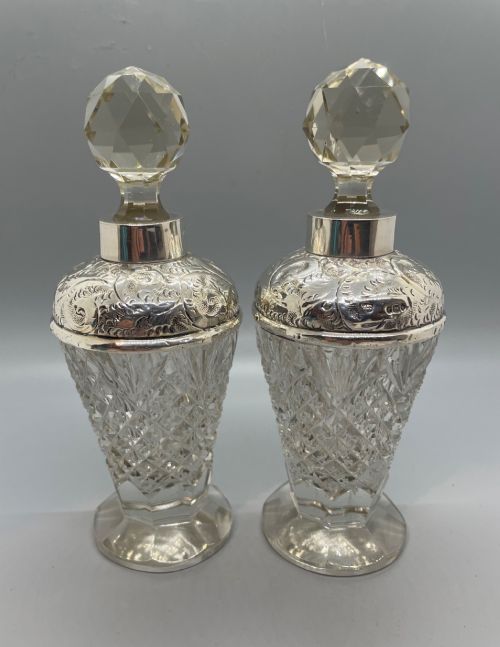
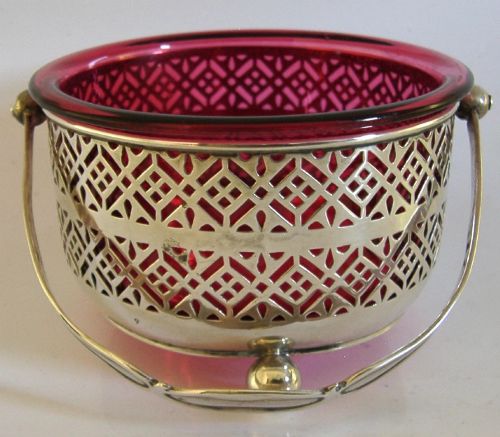
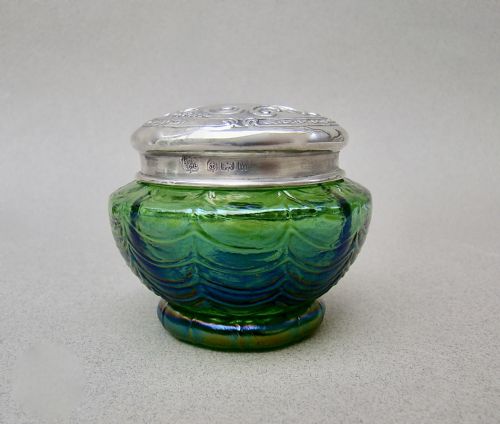
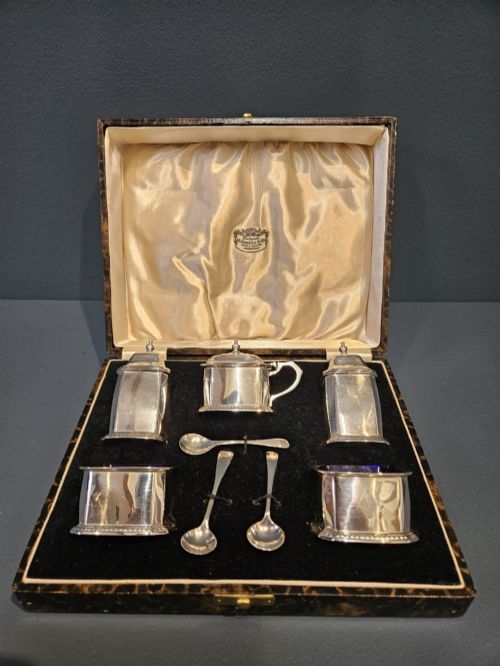
Beyond illumination, the category includes dressing table items like scent bottles and trinket boxes, as well as dining accessories including celery vases, cruet sets and baskets. These objects frequently integrate coloured glass such as cranberry, vaseline or opal varieties within their overall composition.
Materials and methods
The objects recorded utilise clear and coloured glass combined with structural metals including brass, sterling silver and gilt bronze. Artisans shaped molten material through blowing or pressed it into moulds before applying decorative cutting, etching or overlay techniques.
Many items incorporate wooden elements such as mahogany or walnut for bases and stands, while metal mounts and fittings secure the glass components to create stable table pieces.
Assessing craftsmanship
Quality within antique table glass rests upon the clarity of the material and the precision of the cutting or moulding. Superior examples display crisp facets, balanced proportions and harmonious integration between the glass body and any metal or wooden mounts.
Artisanal execution distinguishes finer pieces, particularly where hand-applied gilding, complex overlay colouration or detailed silver work accompany the glass vessel.
A. J. Pepper & Co·The Boots Company·Henry Clifford Davis·Samuel Marti·Fratelli Toso
The Antique Table Glass Glossary
- Cranberry glass
- A rich red-pink transparent glass produced by adding gold chloride to the molten batch. It appears frequently in Victorian and Edwardian tableware and decorative accessories.
- Vaseline glass
- A yellow-green transparent or translucent glass containing uranium dioxide that glows under ultraviolet light. It gained popularity during the nineteenth and early twentieth centuries.
- Cut glass
- Glass decorated by grinding facets or patterns into the surface using abrasive wheels. The resulting cuts refract light and create distinctive surface textures.
- Overlay glass
- A technique involving layers of different coloured glass fused together, where portions of the outer layer are cut away to reveal the contrasting colour beneath.
Antique Table Glass: Frequently Asked Questions
How do I clean antique glass?
Wash glass gently in warm soapy water using a soft cloth, avoiding harsh abrasives that might scratch the surface. Dry thoroughly with a lint-free cloth to preserve the clarity of the material.
Keep metal mounts and silver fittings dry during cleaning to protect the secondary materials from moisture damage. Avoid submerging items that combine glass with wood or glued components.
What is vaseline glass?
Vaseline glass is a distinct yellow-green transparent or translucent material produced using small amounts of uranium. It became popular during the Victorian period for decorative vessels and lamps.
The glass derives its name from its similarity in colour to petroleum jelly. It reacts visibly under ultraviolet light by emitting a bright green glow.
How do I date table lamps?
Dating table lamps involves examining the manufacturing techniques of the glass body alongside the style of the metal mounts and wiring fixtures. Victorian examples often feature heavy brass or column designs with oil burners.
Later Edwardian and Art Deco pieces introduce simplified geometric forms or cut crystal profiles. Maker marks stamped on silver mounts provide precise documentation when present.
Were these items used daily?
Many pieces served practical domestic functions, such as oil lamps for illumination, cruet sets for dining tables and scent bottles for personal grooming. Their daily utility guided their initial manufacture and design.
Over time, these functional objects transitioned into decorative display items. Their survival reflects both their utility and the durability of quality glasswork.