


Antique Table Bookshelf
An antique table bookshelf combines practical storage with compact surface space, offering a functional centrepiece for any room.
Antique Table Bookshelf
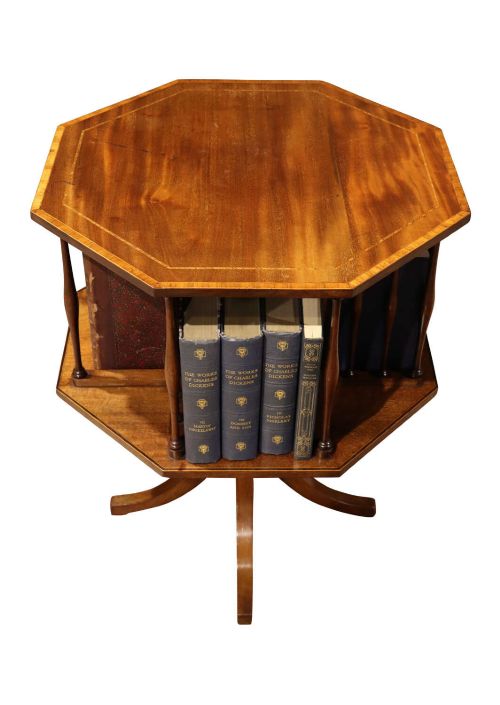
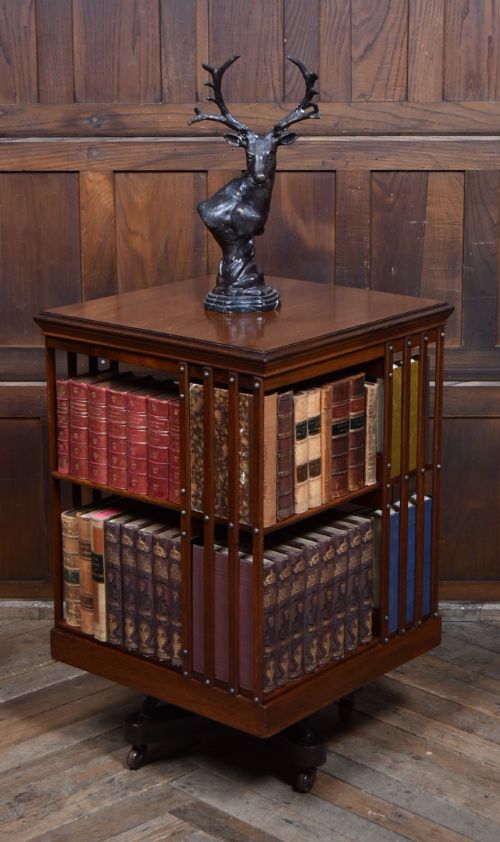
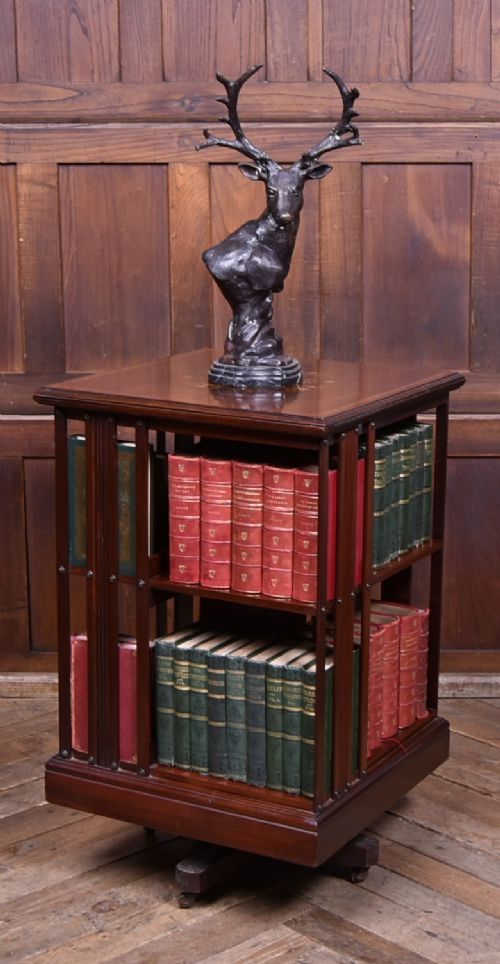
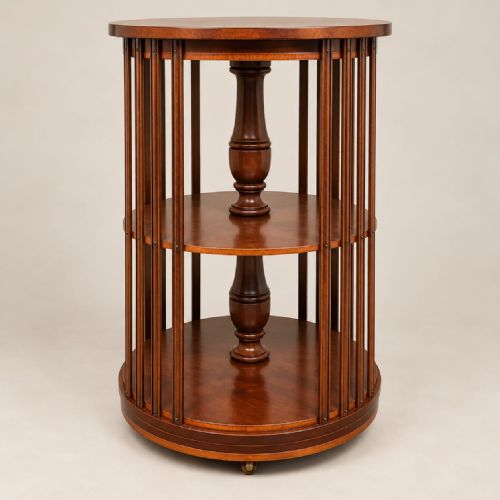
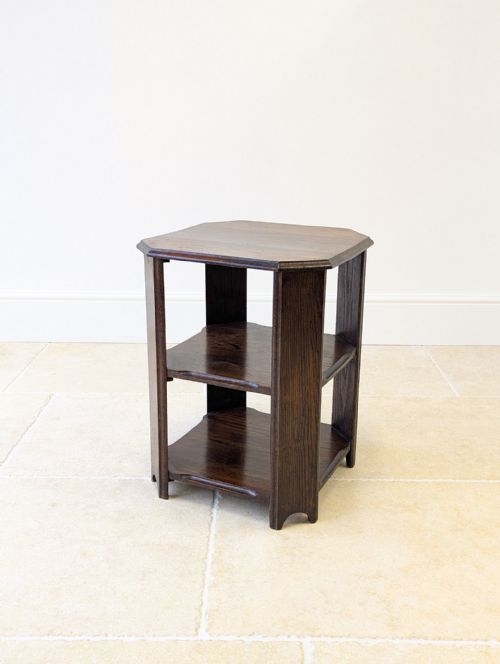
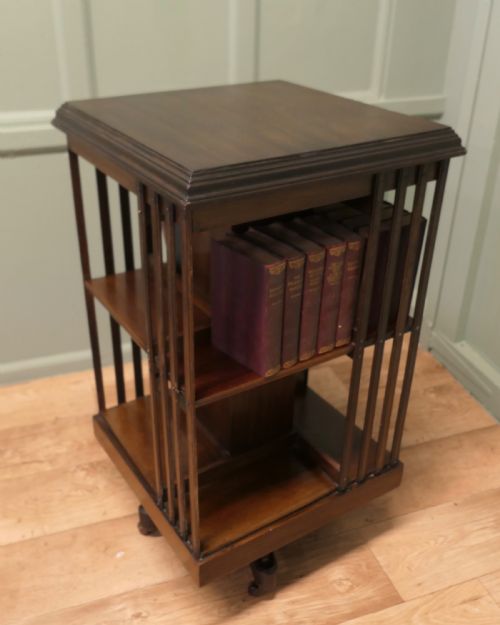
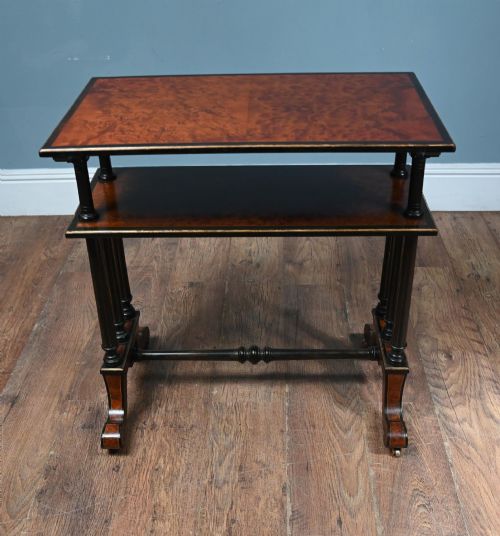
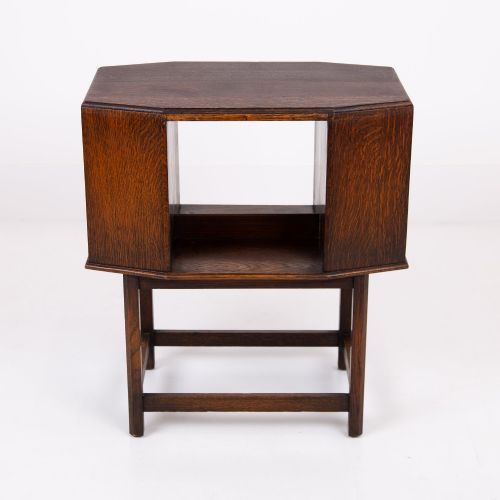
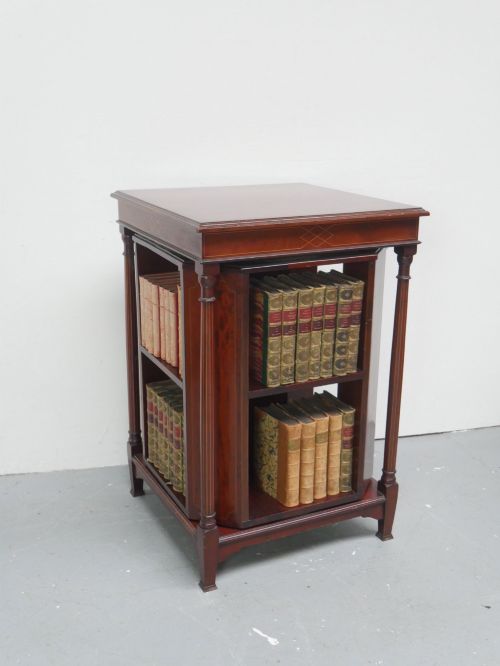
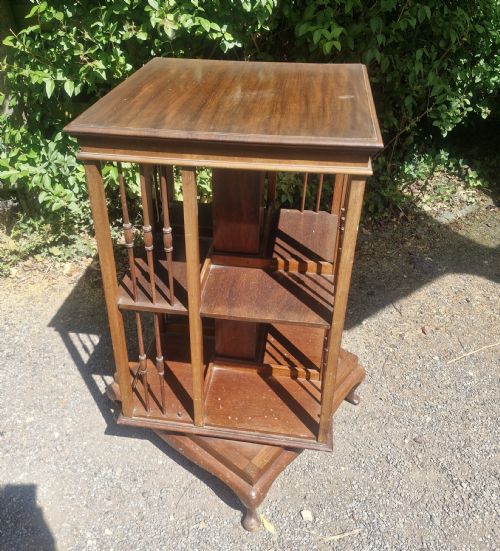
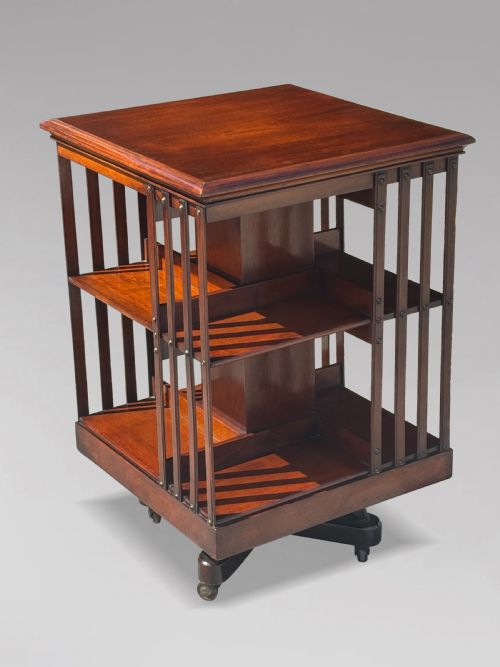
An antique table bookshelf brings together surface display and accessible book storage in a single compact footprint. Buyers searching for an antique table bookshelf often encounter revolving bookcases, occasional tables with integrated shelves, and tiered whatnots from the Victorian and Edwardian eras.
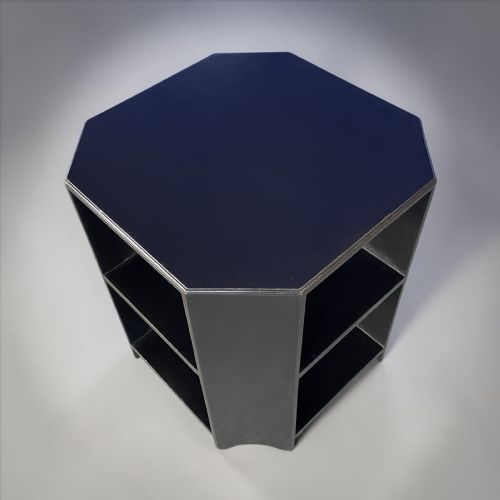
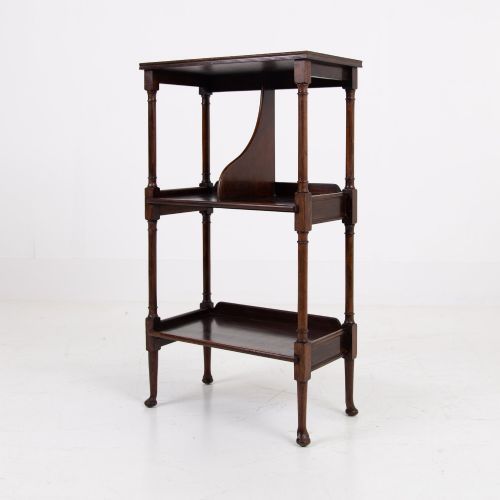
The pieces span various forms including octagonal side tables, low open bookcases, and multi-tiered etageres designed to fit beside seating or within smaller rooms. Materials range from traditional mahogany and oak to burr walnut and rosewood, reflecting domestic needs across the nineteenth and early twentieth centuries.
Materials and construction
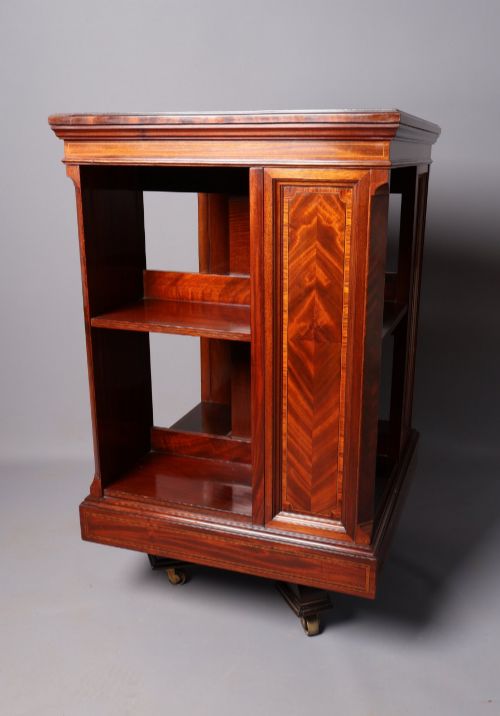
Cabinetmakers utilised dense hardwoods such as mahogany, oak, walnut, and rosewood to support the weight of stacked volumes while maintaining slender profiles. Inlaid details in satinwood or brass fittings added decorative contrast to the primary timber surfaces.
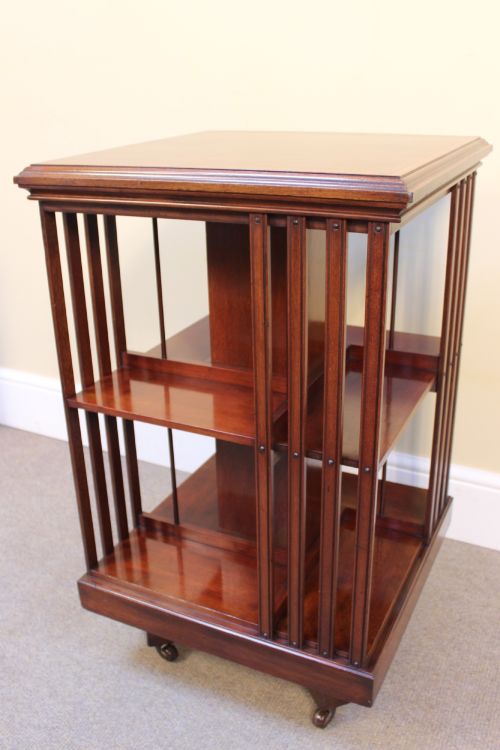
Revolving models relied on internal wooden or cast iron spindle mechanisms to allow smooth rotation, while multi-tiered pieces employed turned columns and pegged joints to secure each platform.
Antique Table Bookshelf Retail Price Guide 2026
Typical asking prices for table bookshelf among the pieces listed under this phrase on Sellingantiques today, from the lower quarter to the upper quarter. They describe what is for sale here now, not the wider market.
Listings feature items constructed from mahogany, oak, walnut, rosewood, and partridge wood across Victorian, Edwardian, and Art Deco periods.
Factors of quality
Quality rests upon the selection of timber grain, such as figured mahogany or burr walnut, and the precision of inlaid woodwork. Superior examples exhibit tightly fitted joinery, stable tier alignment, and smooth action in rotating mechanisms without excessive play.
Finer items retain original brass castors, uncompromised carved details, and coherent proportion between the table surface and the storage shelves below.
Heals
The Antique Table Bookshelf Glossary
- Whatnot
- A multi-tiered open shelving unit used for displaying and storing books, ornaments, or serving items. This piece evolved during the nineteenth century to maximise vertical storage space in domestic interiors.
- Canterbury
- A low stand traditionally fitted with divisions to hold sheet music, books, or folios, often combined with a drawer below. Nineteenth-century versions frequently incorporated open slat construction and castor wheels.
- Dumb waiter
- A tiered serving trolley or side table with multiple rotating or stationary shelves used for holding food, dishes, or volumes. They provide robust framework and tiered surfaces suitable for daily use.
Antique Table Bookshelf: Frequently Asked Questions
What is an antique table bookshelf?
An antique table bookshelf is a hybrid piece of furniture that provides both a flat surface like a side table and built-in compartments for storing books. These pieces range from revolving tabletop stands to full-sized side tables with integrated lower shelves.
Cabinetmakers designed them to keep volumes within arm's reach while serving functional roles in sitting rooms, libraries, and studies.
How do revolving bookcases work?
Revolving bookcases operate on a concealed central bearing and spindle mechanism positioned beneath the wooden tiers. This internal pivot allows the entire structure to turn smoothly in either direction.
Most mechanisms use wood or cast iron components enclosed within the base to distribute the weight of the books evenly.
Where were these pieces used?
These pieces served primarily in domestic living spaces, libraries, and drawing rooms where surface area and book storage were both at a premium. Their compact footprint allowed them to sit beside armchairs, beside beds as low cabinets, or in corners.
Multi-tiered versions like whatnots and etageres also functioned as display units for decorative objects alongside reading material.
How do I identify the period?
Dating relies on observing timber choices, construction techniques, and stylistic markers associated with specific decades. Victorian and Edwardian examples often feature rich mahogany, satinwood inlay, or oak built with traditional joinery.
Later pieces from the early twentieth century introduce Arts and Crafts simplicity or ebonised finishes influenced by Art Deco design.