
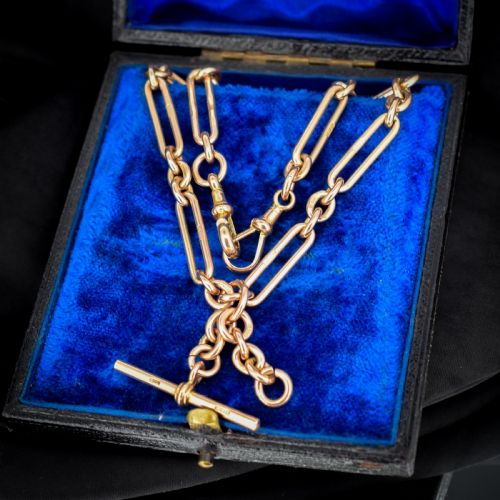


Antique Swivel Pocket Watch Fob
An antique swivel pocket watch fob is a functional waistcoat accessory that adds movement and character to any period chain.
Antique Swivel Pocket Watch Fob
When you search for an antique swivel pocket watch fob, you encounter small pendant attachments designed to rotate within a loop on an albert chain. These pieces date from the Victorian and Edwardian eras through to the nineteen twenties.
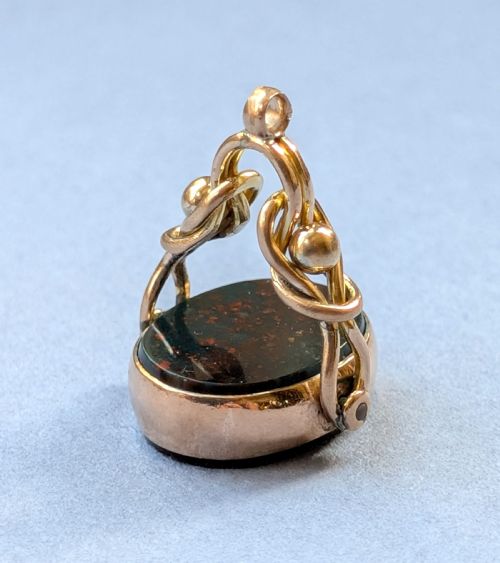
You meet both standalone spinning fobs and complete pocket watch chains equipped with a swivel mechanism. The forms vary from simple metal mounts to pieces holding rotating hardstones like bloodstone.
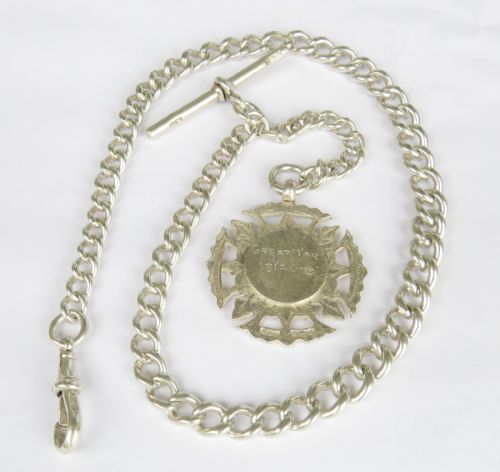
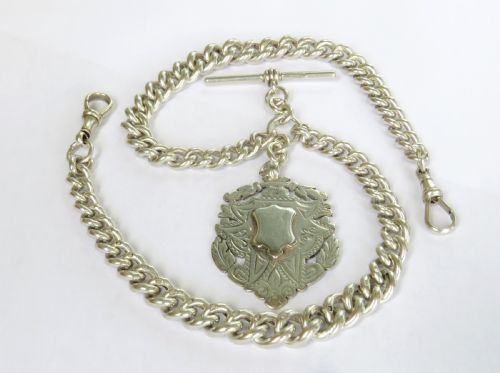
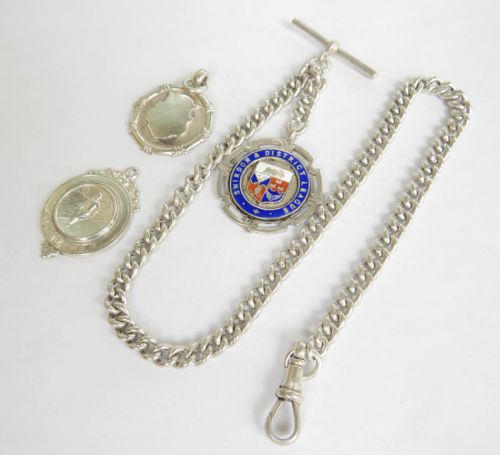
Many items connect directly to watch chains and fobs, whilst others appear alongside keys, T-bars, and commemorative medallions. The examples on this page reflect silver and gold construction spanning several decades.
How They Were Made
Metals form the core structure, utilising sterling silver, nine carat gold, eighteen carat yellow gold, nine carat rose gold, and rolled gold. Goldsmiths and silversmiths shaped these materials into trombone links, chains, and intricate swivel frames.
Stonemasons and jewellers integrated hardstones such as bloodstone into rotating bezels, allowing the wearer to display two distinct faces. Enamelwork also appears on specific commemorative fobs, adding colour and detail to the metal base.
Irish football and cricket matches inspired specialised silver fobs, proving Victorians loved sports memorabilia just as much as we do.
What Varies in Quality
The soundness of the rotating swivel mechanism determines the functional standard of the piece, requiring smooth movement without looseness in the frame. Superior examples maintain firm alignment when flipped between faces.
The choice of materials shifts the character and weight of the item, distinguishing solid gold and heavy silver formations from rolled gold alternatives. Precision in link construction, such as trombone links, further separates standard production from finer workmanship.
The Antique Swivel Pocket Watch Fob Glossary
- Swivel
- A coupling mechanism that allows the attached fob to rotate freely on its axis without twisting the chain. This movement prevents the watch chain from kinking during daily wear.
- T-bar
- A crossbar fastener attached to the centre of an albert chain. It slips through a waistcoat buttonhole to secure the chain safely.
- Bloodstone
- A dark green chalcedony flecked with red jasper spots. It is frequently set into spinning fobs to provide a contrasting decorative face.
- Rolled gold
- A manufacturing method where a layer of gold is mechanically bonded to a base metal core. This technique offered the appearance of solid gold at a lower cost.
Antique Swivel Pocket Watch Fob: Frequently Asked Questions
How did Victorians wear swivel fobs?
Victorians attached swivel fobs to albert chains that spanned the front of a waistcoat. The T-bar secured the chain through a buttonhole, whilst the fob hung downward as a decorative pendant.
This arrangement allowed the wearer to easily detach or spin the fob to reveal a different stone or engraved side during conversation.
Can I wear an antique fob as a necklace?
Many people adapt antique pocket watch chains and fobs to be worn around the neck as a pendant necklace. The existing loop or swivel makes attachment to a suitable chain straightforward.
This approach brings the detailed metalwork and rotating stones up to the neckline for everyday modern wear.
What is a spinning fob?
A spinning fob is a type of pendant mounted on a central axis within a U-shaped frame. The centrepiece turns round to display two different faces, which often feature gemstones, monograms, or crests.
This dual-sided design gave the original owner a choice of appearance without changing their accessories.
How do I date an antique watch chain?
Dating involves examining hallmarks stamped on the metal links, the style of the construction, and associated components like cricket or war fobs. Victorian and Edwardian pieces often display specific hallmarks indicating the assay office and year of manufacture.
Link patterns such as trombone links and the presence of rolled gold or solid gold further narrow down the production period.