

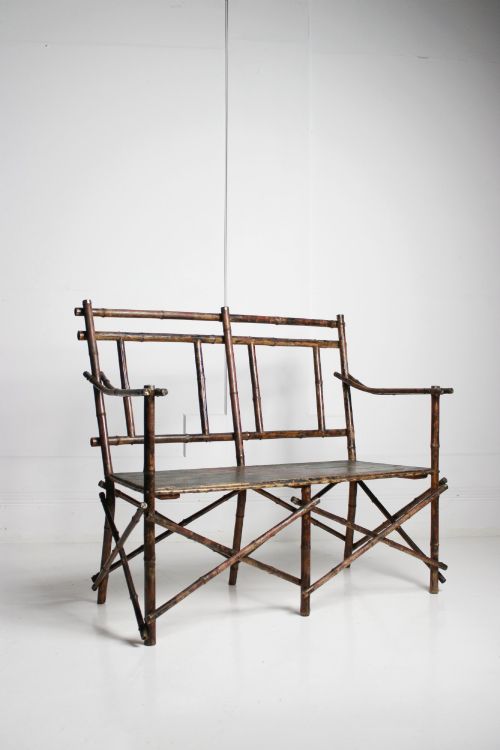
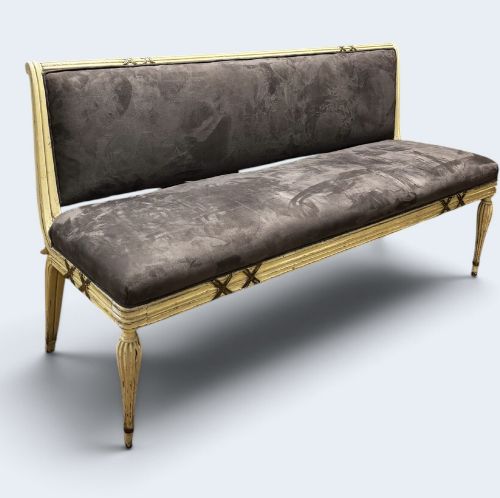
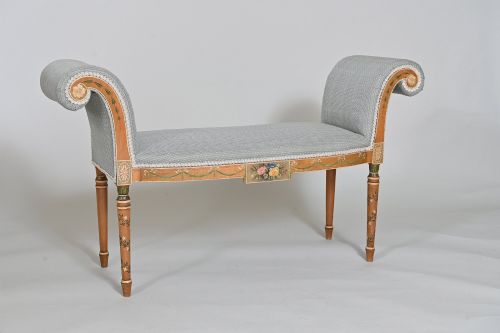
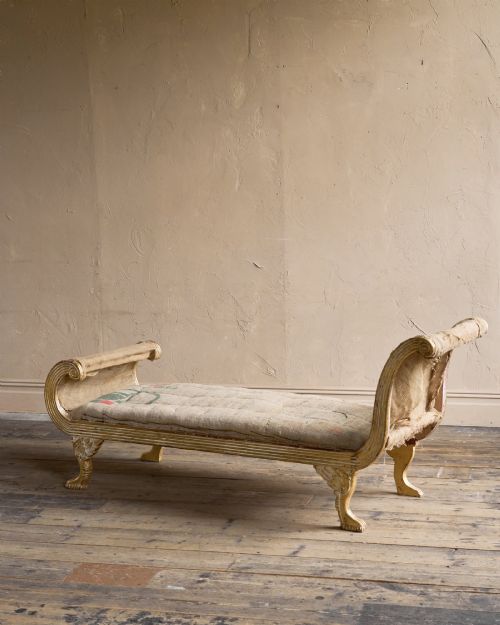
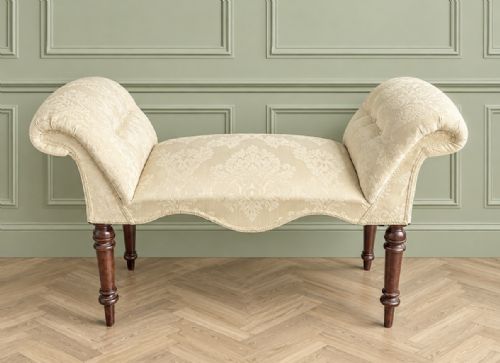
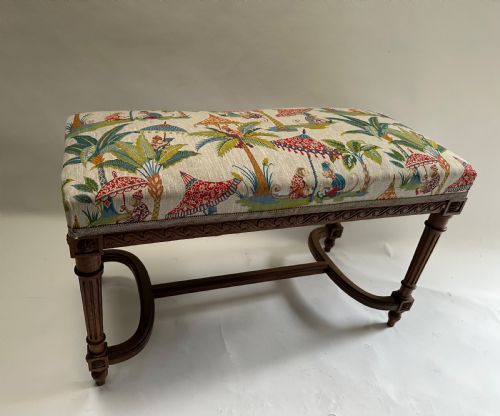
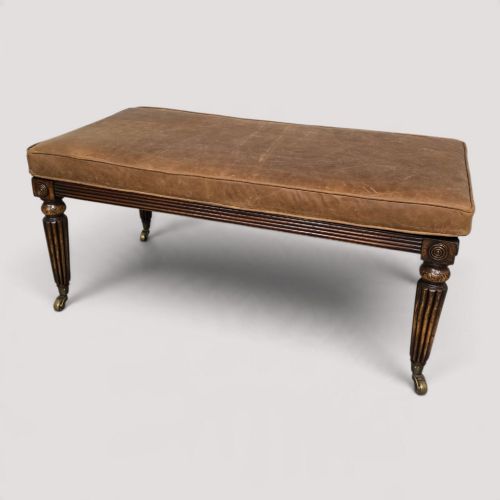
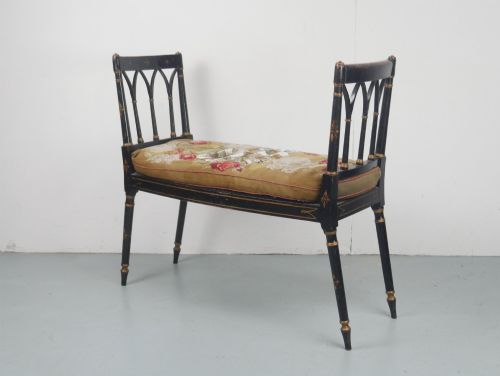
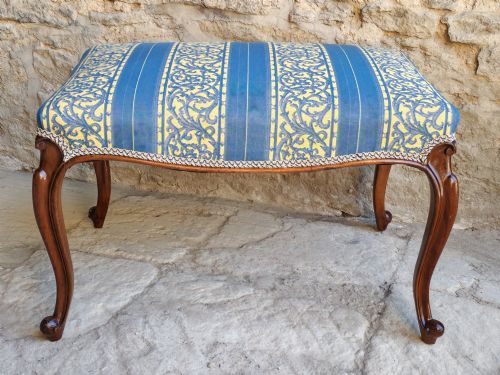
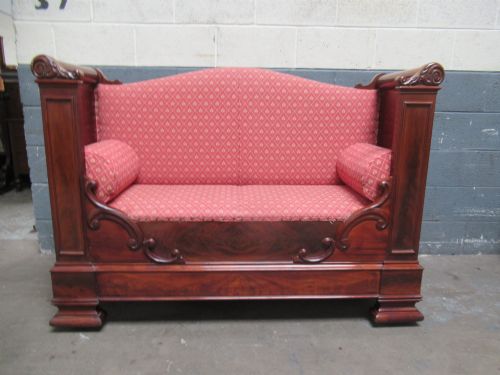
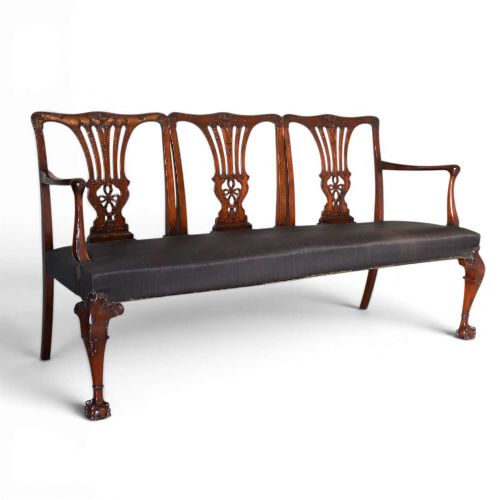
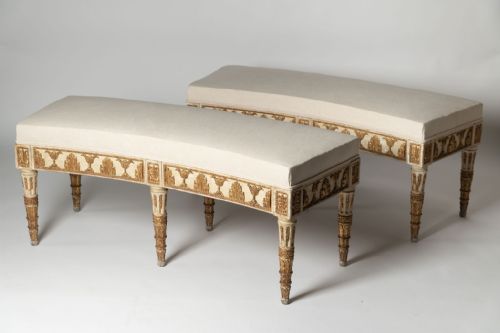
Antique Style Window Bench
An antique style window bench brings classical proportion and practical seating to a hallway or bedroom.
Antique Style Window Bench
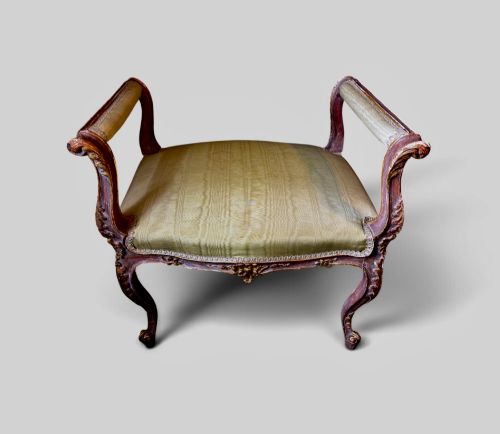
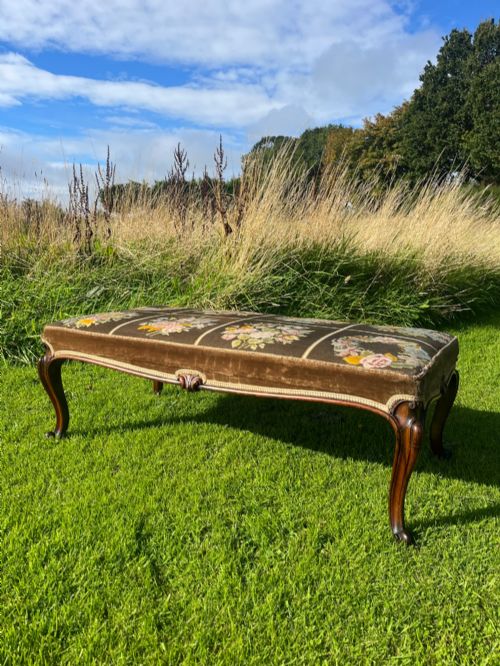
When searching for an antique style window bench, buyers encounter a diverse selection of low seating designed for specific interior spaces. These pieces span the eighteenth, nineteenth, and early twentieth centuries, drawing on Regency, Victorian, Edwardian, and various continental design traditions.
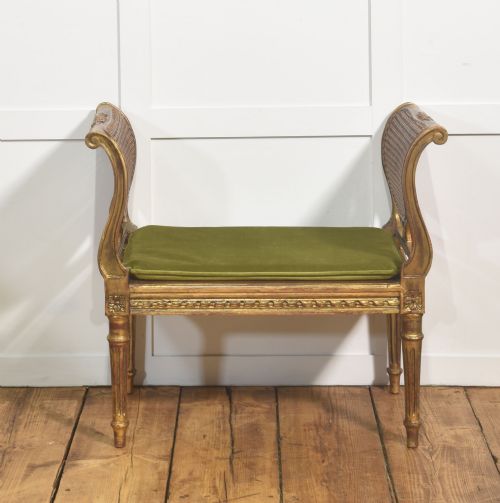
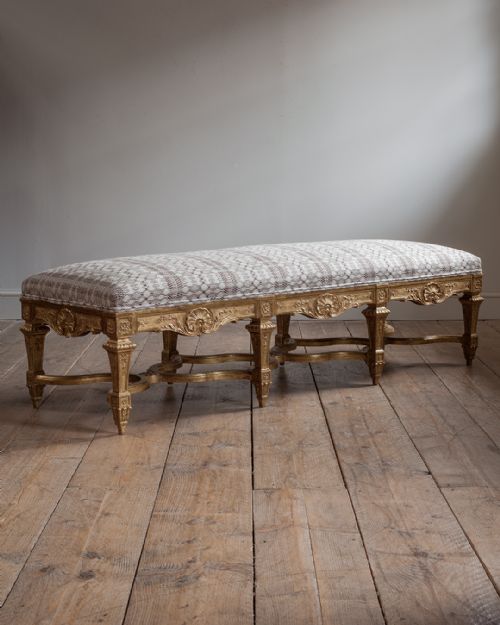
The category encompasses several related forms, notably window seats, long stools, and small settees. Many examples feature exposed wooden frames in mahogany, walnut, oak, giltwood, or painted satinwood, often paired with upholstered pads or canework panels.
Originating in English country houses and continental salons, these items served as versatile seating near light sources or against hallway walls. Today, they function similarly in domestic settings, offering compact seating options that complement traditional and eclectic interiors.
Materials and construction methods
Cabinetmakers constructed these frames using dense hardwoods such as mahogany, walnut, and oak, frequently selecting burr veneers or applying giltwood and gesso finishes for decorative impact. Structural integrity relied on traditional joinery, including mortise and tenon joints, to support the low-slung proportions of benches and stools.
Upholstery techniques varied according to period and function, employing materials like horsehair stuffing, linen, leather, damask, and woven cane. Carved details such as fluted legs, cabriole supports, and X-frames required skilled hand-tooling by makers following classical styles like Louis XVI, Regency, and Chippendale.
Antique Style Window Bench Retail Price Guide 2026
Typical asking prices for style window bench among the pieces listed under this phrase on Sellingantiques today, from the lower quarter to the upper quarter. They describe what is for sale here now, not the wider market.
Apprentice pieces occasionally appear, created by aspiring craftsmen to demonstrate mastery of miniature joinery and carving.
Distinguishing quality in construction and design
Quality rests upon the crispness of the hand-carved ornamentation and the selection of timber used for the frame. Dense hardwoods and well-executed gilding or paint finishes indicate superior workshop production, whereas softer secondary woods or heavy restoration alter the character of a piece.
The integrity of the frame construction and the proportion of the legs relative to the seat platform define the success of the design. Examples retaining original canework, period upholstery materials, or specific regional turning display a higher degree of authenticity.
The Antique Style Window Bench Glossary
- Window seat
- A low bench designed specifically to fit the architectural recess of a window. These pieces typically feature upholstered tops and arms at either end.
- X-frame
- A structural base formed by intersecting curved or straight wooden members resembling the letter X. This curule form appears frequently on Regency and neoclassical stools.
- Canework
- A seating surface woven from peeled rattan or cane strips. It provides a lightweight, resilient panel often found in Edwardian and French-style frames.
- Giltwood
- Timber coated with a thin layer of gold leaf over a prepared gesso base. This finish is common on formal eighteenth and nineteenth-century salon furniture.
- Satinwood
- A durable hardwood with a characteristic golden-yellow sheen used for fine cabinetmaking. It frequently serves as a base for painted decorative motifs.
Antique Style Window Bench: Frequently Asked Questions
Where should I place a window bench?
These benches suit narrow spaces such as hallways, landings, and the foot of a bed. Their low profile avoids blocking natural light when positioned beneath windows.
They also function as informal seating in living areas or as occasional surfaces for books and textiles.
How do I identify the period of a bench?
Dating relies on stylistic markers such as cabriole legs, fluting, and X-frame supports associated with specific eras like the Regency or Edwardian periods. Timber choice and joinery methods provide further clues to age.
Comparing carved details against established design revivals helps distinguish eighteenth-century originals from later nineteenth-century interpretations.
Are these benches comfortable for daily use?
Most examples provide firm seating supported by traditional webbing and horsehair or modern padding. Their primary function historically was short-term seating rather than lounging.
Upholstered versions offer softer support, while caned seats provide a resilient, springy surface that accommodates cushions if desired.
How do I care for antique wood and upholstery?
Maintaining wooden frames requires gentle dusting and occasional application of appropriate wax to nourish the grain. Direct sunlight should be avoided to prevent fading of giltwood and painted finishes.
Upholstery and canework benefit from regular light vacuuming with a soft brush attachment to protect delicate textiles and woven strands.