
Antique Style Timepiece
An antique style timepiece brings historic domestic discipline into a room, taking the form of mantel clocks, carriage clocks, and wristwatches.
Antique Style Timepiece
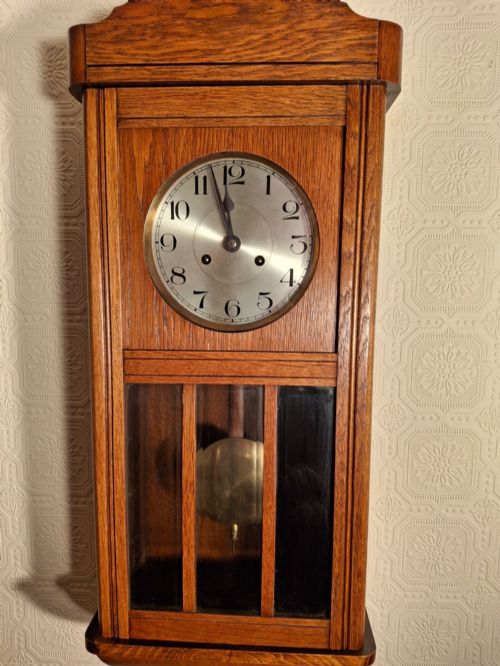
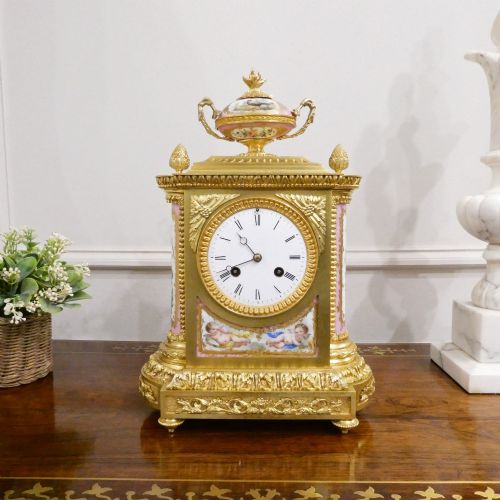
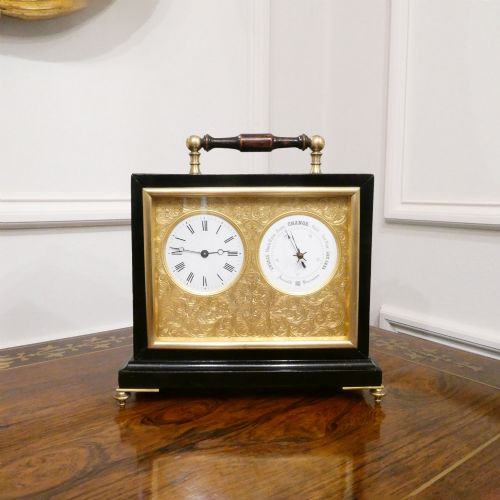
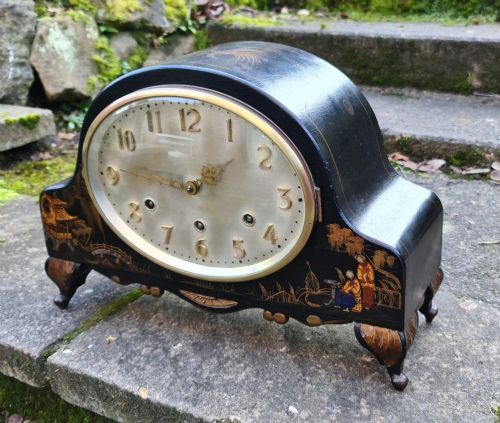
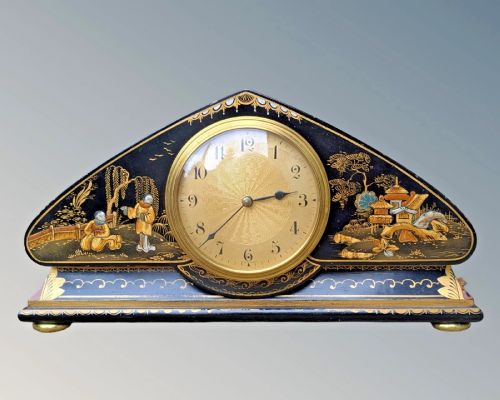
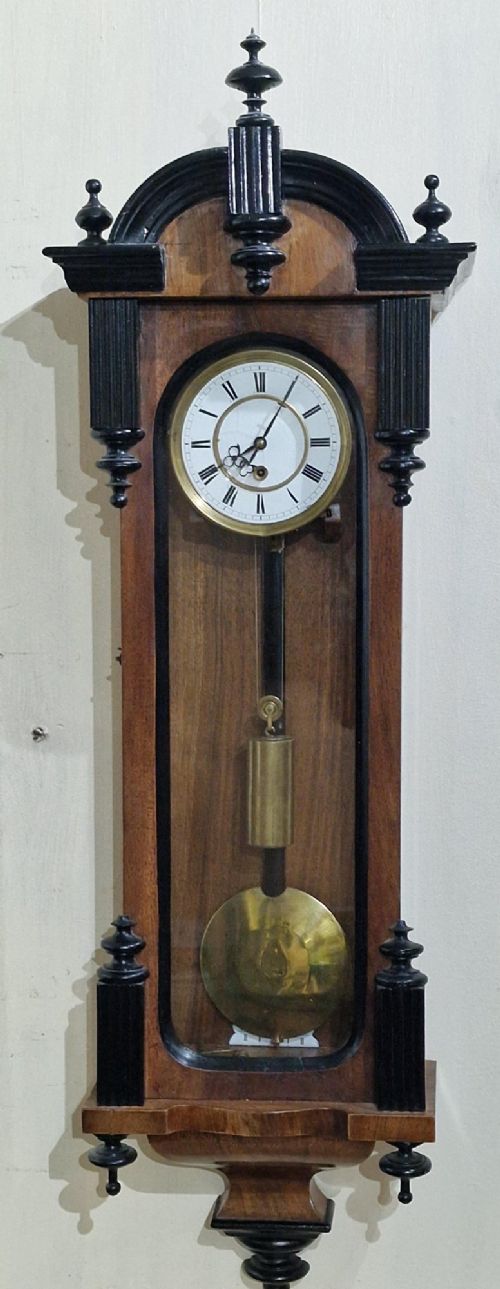
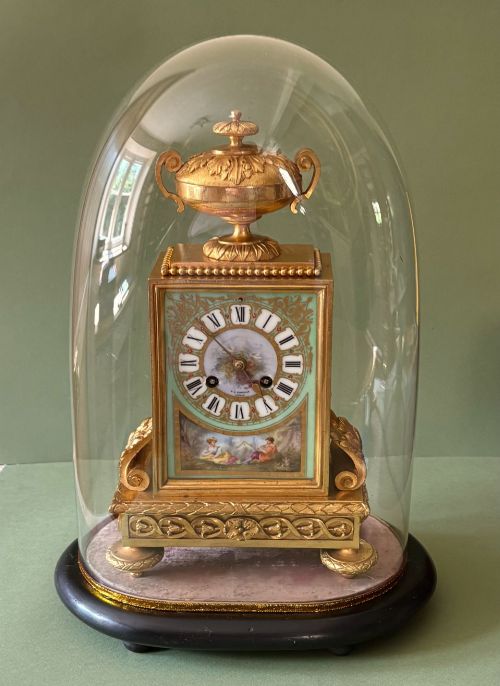
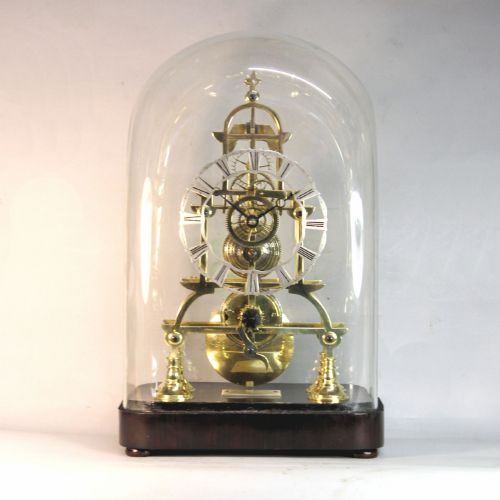
Buyers seeking an antique style timepiece encounter a diverse array of horological instruments spanning several centuries of design. Mantel clocks and carriage clocks dominate the selection, often housed in decorative cases of brass, porcelain, or mahogany.
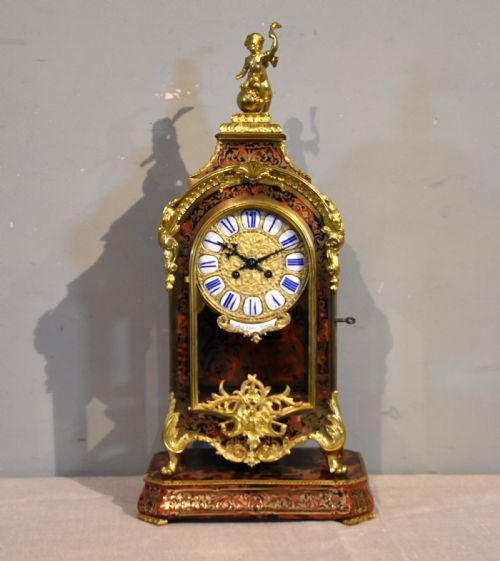
The objects originate primarily from French and English workshops, ranging from Victorian mantel clocks to earlier Regency fusee dial clocks and Edwardian pieces. Styles vary from restrained Georgian and Edwardian designs to exuberant French Rococo and Louis XVI revivals.
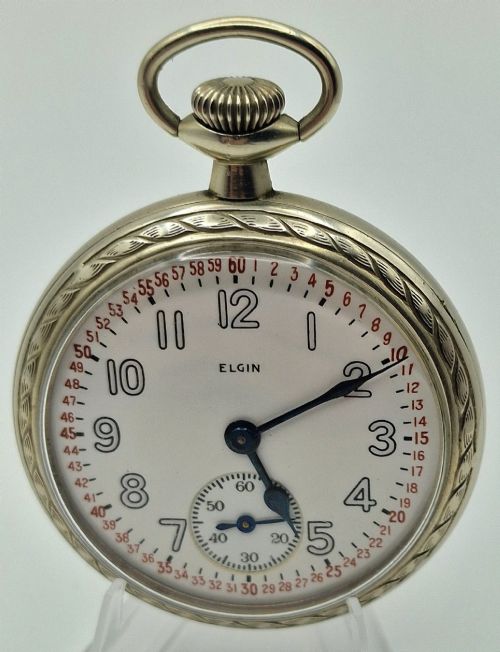
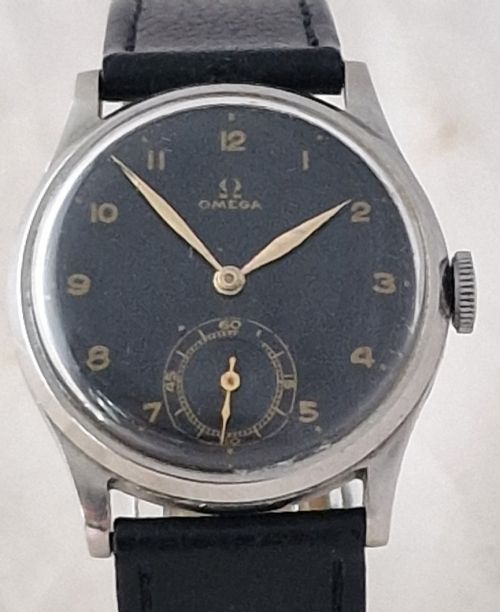
Beyond domestic shelf and wall timepieces, the listings include pocket watches, travel clocks, and vintage wristwatches from the mid-twentieth century. This mix reflects how horology evolved from stationary household fixtures to portable personal instruments.
Materials and construction
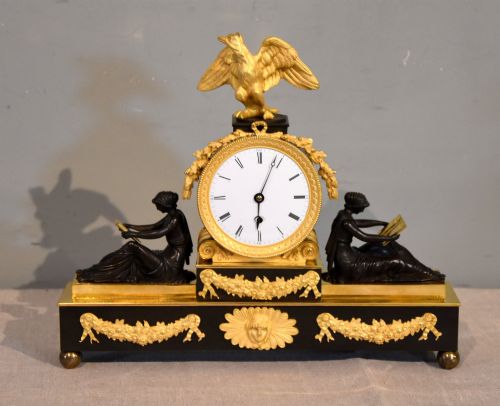
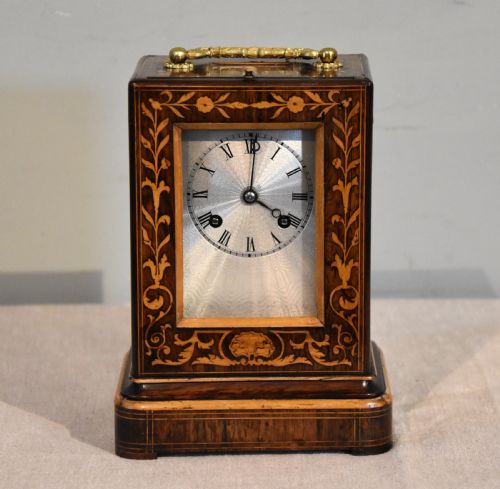
Casing construction relies heavily on cast metals such as brass, bronze, and ormolu, frequently combined with porcelain plaques, enamel dials, and polished marble. Wooden cases utilise mahogany, rosewood, ebonised timber, and tortoiseshell veneers.
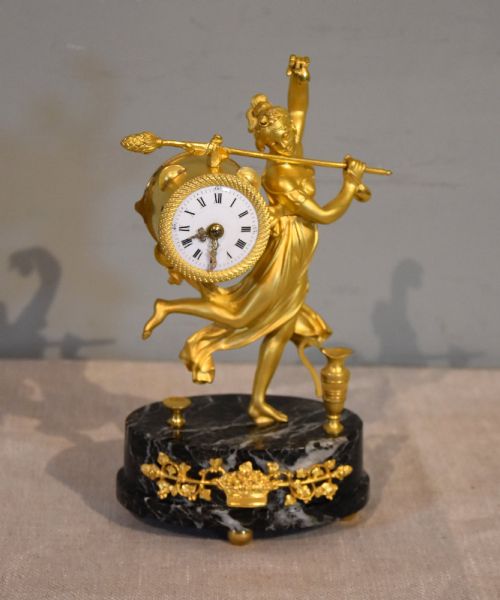
Movement assembly requires precise metalworking, incorporating gear trains, escapements, and dial painting executed by specialist artisans. Ormolu mounts and cast bronze figures demonstrate detailed chasing and gilding techniques applied to the metal surfaces.
Materials utilised in these timepieces include brass, ormolu, porcelain, tortoiseshell, green marble, and leather.
Judging quality
Quality rests upon the crispness of metal casting and the refinement of case decoration, whether hand-painted porcelain panels or finely carved wood veneers. Signed dials and movements bearing the mark of known makers separate standard production from superior pieces.
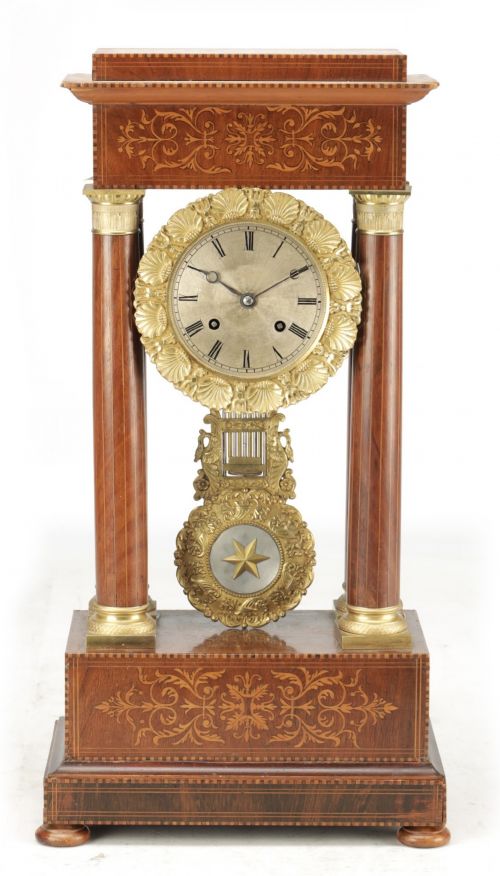
The integrity of the original materials and the balance of the architectural proportions dictate the overall success of the object. Heavy fire-gilt bronze mounts and complex architectural portico forms represent the upper tier of manufacture.
Jean-Baptiste Delettrez·Howell & James London·Richard Winter of Chieveley·Baetens London·Pickford of London·Viner London·Tiffany·Wetterstrands·Leon Message·Jollet et Cie
The Antique Style Timepiece Glossary
- Ormolu
- Gilded bronze produced by applying a mercury-gilding technique to cast bronze. This finish gives a deep, warm metallic lustre found on French decorative clocks.
- Fusee
- A conical pulley used in clock and watch movements to maintain even tension on the mainspring as it unwinds. It ensures consistent timekeeping.
- Capucine
- A type of French striking alarm clock with visible bells on top and carrying handles. They originate from eighteenth and nineteenth-century travel traditions.
- Cartel clock
- A wall clock mounted in an ornate, asymmetrical frame carved from wood or cast in metal. They are typically associated with Rococo and Louis XVI styles.
- Garniture
- A set of matching decorative objects, often a clock flanked by matching vases or candelabra. These sets were designed to sit together on a mantelpiece.
Antique Style Timepiece: Frequently Asked Questions
What is an antique style timepiece?
An antique style timepiece encompasses mechanical clocks, pocket watches, and wristwatches produced during the nineteenth and twentieth centuries. These objects served practical timekeeping needs while functioning as decorative ornaments for domestic interiors.
Items range from large French porcelain-mounted mantel clocks to small brass carriage clocks and portable pocket watches. Each piece reflects the aesthetic preferences and technical capabilities of its period of origin.
How do I identify a French mantel clock?
French mantel clocks typically feature cast ormolu, bronze, marble, or porcelain cases housing precision mechanical movements. Stylistic indicators often point to specific periods like the nineteenth-century Rococo revival or Louis XVI revival.
Many examples include signatures on the enamel dial or backplate, naming the maker or retailer. The presence of architectural elements such as portico columns or figural bronze animals also signals French manufacture.
Where were carriage clocks used?
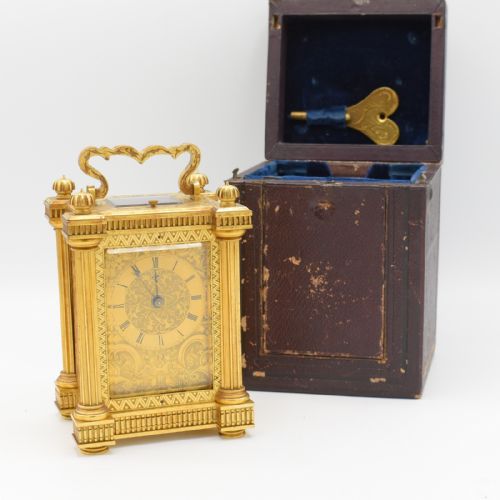
Carriage clocks were originally designed as portable timepieces for travellers during the nineteenth century. Wealthy individuals packed them in leather travel cases for use on journeys.
Over time, these small brass and glass clocks transitioned to static display on domestic mantelpieces and desks. Their sturdy construction and folding handles retained the legacy of portable utility.
How do I care for a mechanical clock?
Mechanical clocks require careful placement on a stable, level surface away from direct sunlight and drafts. Winding should follow the manufacturer instructions regarding frequency and tension.
Professional servicing every few years ensures the gear trains and escapements remain clean and lubricated. Avoid moving large mantel clocks without securing the pendulum first.