


Antique Style Shelves
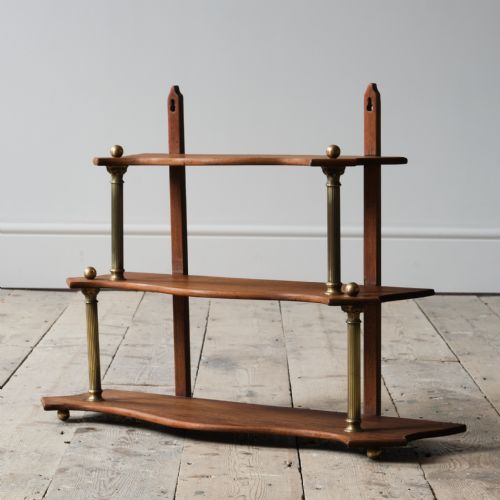
Antique style shelves are practical storage items built from timber and brass, offering period character to hold books and display ornaments.
Antique Style Shelves
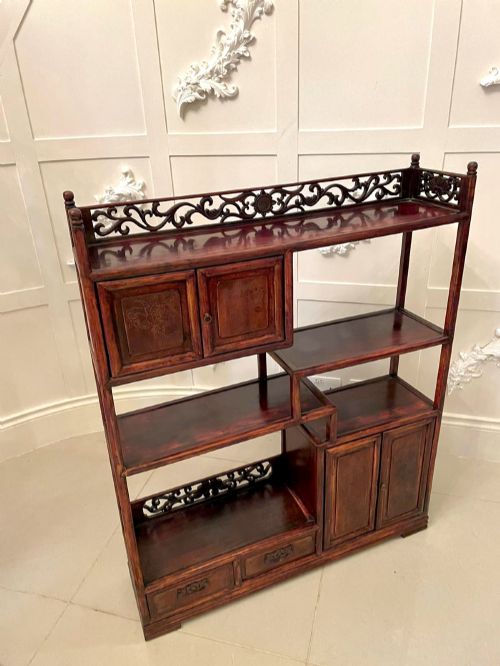
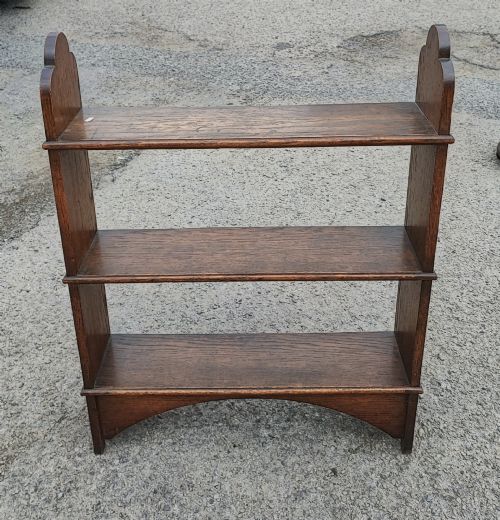
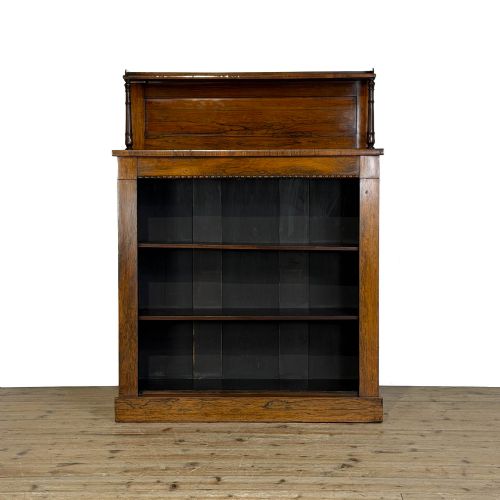
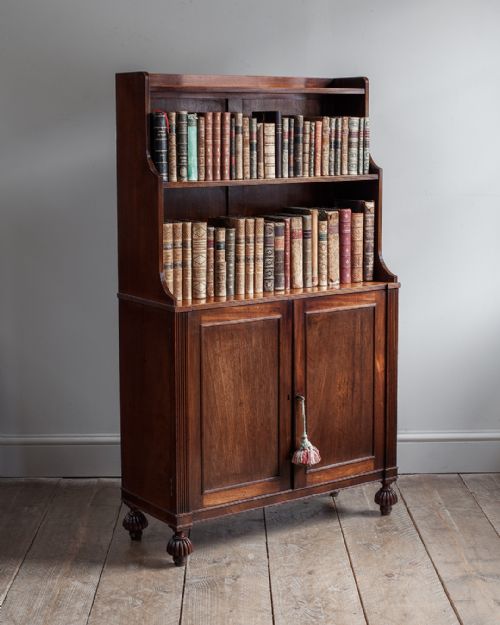
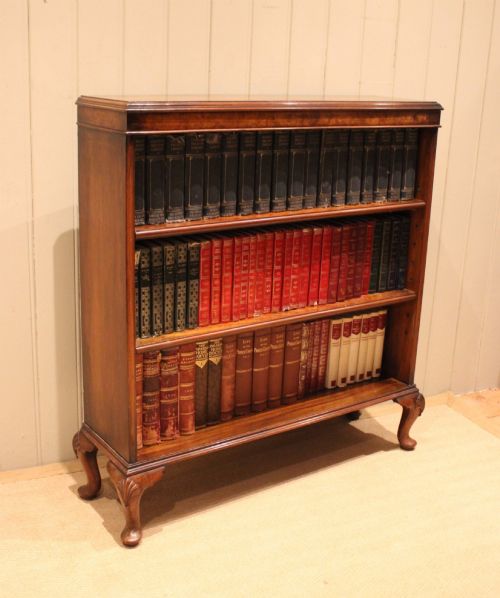
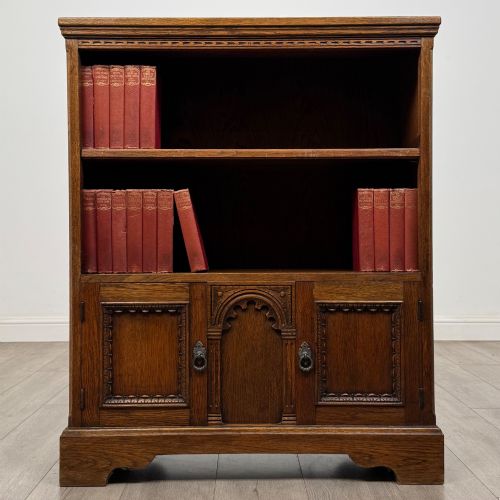
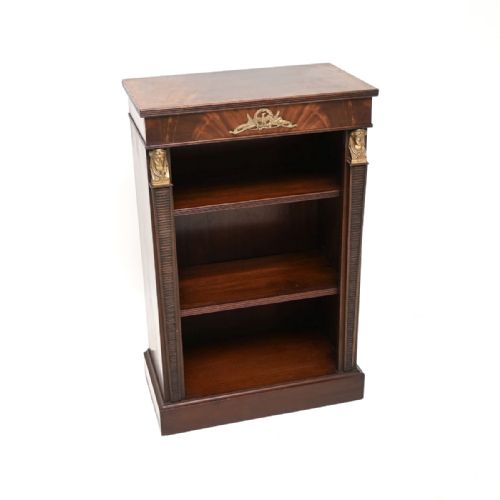
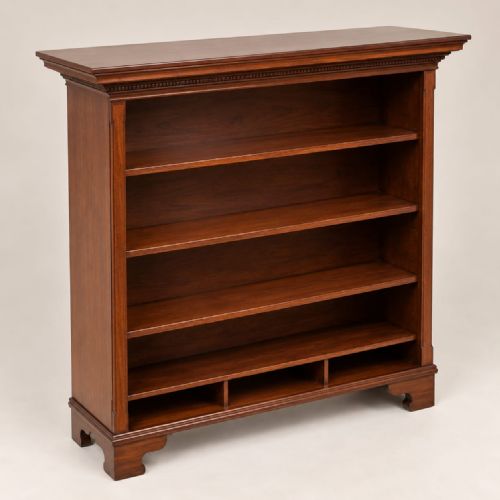
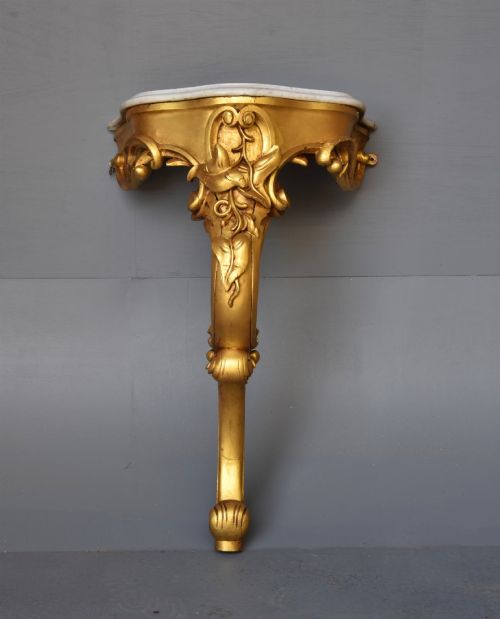
When buyers search for antique style shelves, they encounter open bookcases, wall hanging shelves, and multi-tiered shelving units designed for domestic display and storage. The selection spans several distinct periods, including the Victorian era, the Edwardian period, and the nineteenth century.
Origins and styling vary widely across the selection, drawing on Regency, Arts and Crafts, and Jacobean Revival traditions. Woods such as mahogany, oak, walnut, and rosewood dominate the listings, frequently accompanied by brass fixtures or gilt details.
How they were made
Cabinet makers utilised dense hardwoods including mahogany, oak, walnut, and rosewood to construct the main bodies and supporting panels of these shelves. Timber selection dictated the strength of the uprights and the fineness of the carved details.
Metal elements such as brass castors, mounts, and hanging brackets provided structural support and decorative contrast against the dark timbers. Joinery methods relied on traditional cabinet-making techniques to secure shelves, whether fixed permanently or made adjustable for varying book heights.
Bookcases occasionally roll around on tiny brass wheels, ready to sprint across the carpet at the slightest nudge.
What varies in quality
The choice of timber and the precision of the cabinet work dictate the distinction between standard and superior pieces. Selected hardwoods with rich grain patterns and solid construction represent the higher tier of production.
Refinement in secondary details, such as inlaid veneers, cast brass mounts, and well-fitted adjustable shelf mechanisms, separates simpler utility pieces from more ambitious decorative furnishings.
Gabriel Viardot·Achille Brocot·Henry Marc
The Antique Style Shelves Glossary
- Waterfall bookcase
- A tiered shelving unit where each successive shelf is slightly recessed from the one below, creating a stepped profile.
- Arts and Crafts
- A design movement prioritising visible construction, honest materials, and plain surfaces over ornate factory-made decoration.
- Open bookcase
- A piece of furniture designed for book storage with open fronts rather than glass or timber doors.
- Brass castors
- Small swivel wheels attached to the feet of heavier furniture to ease movement across floor surfaces.
- Inlay
- A decorative technique where contrasting strips of wood or metal are inserted into the primary timber surface.
Antique Style Shelves: Frequently Asked Questions
How do I install wall hanging shelves securely?
Wall hanging shelves require sturdy fixings into wall studs or solid masonry to support the weight of timber and books.
Check the load-bearing capacity of the wall type before mounting any wooden shelf unit.
Are the shelves adjustable on these bookcases?
Many of the mahogany and oak open bookcases feature adjustable wooden shelves supported by traditional pegs or tracks.
This allows the internal height to adapt for different sizes of books and objects.
What woods were used for these shelves?
Cabinet makers predominantly utilised mahogany, oak, walnut, and rosewood for building these shelving units and bookcases.
Secondary materials often include brass brackets, castors, and occasionally inlaid veneers.
How do I distinguish Edwardian pieces from Victorian ones?
Victorian pieces often display heavier proportions and darker finishes, influenced by historic revival styles.
Edwardian items frequently lean towards lighter oak or walnut constructions with simpler lines inspired by the Arts and Crafts movement.