
Antique Style Pedestal Table
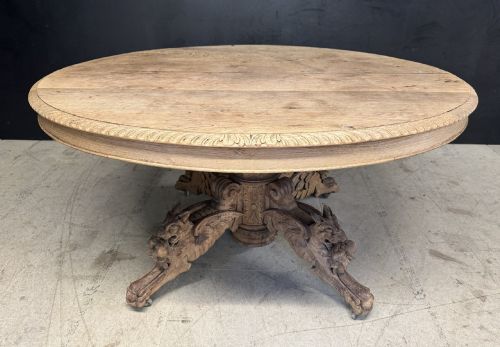
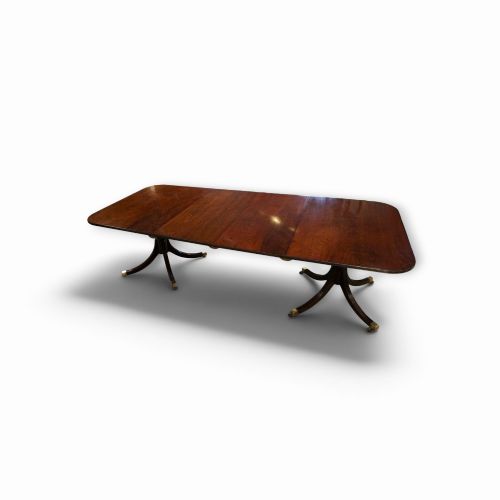
These antique style pedestal table examples combine central supports with classic timbers, offering practical surfaces suited for dining rooms and studies alike.
Antique Style Pedestal Table
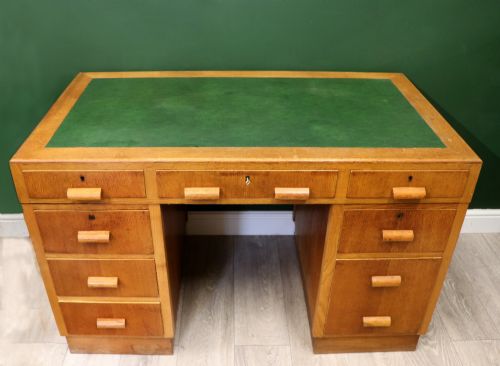
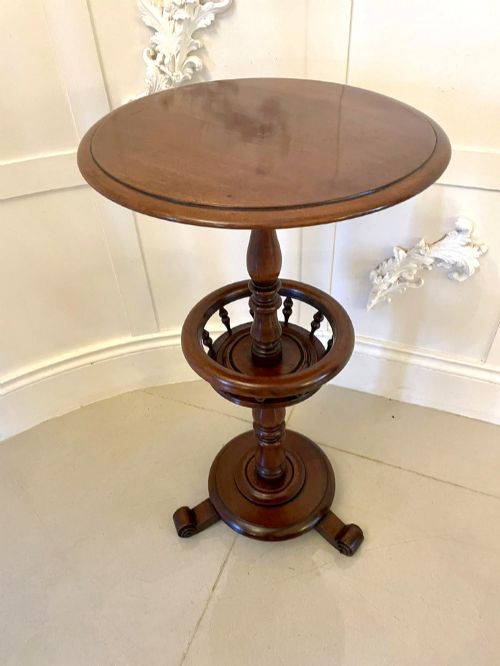
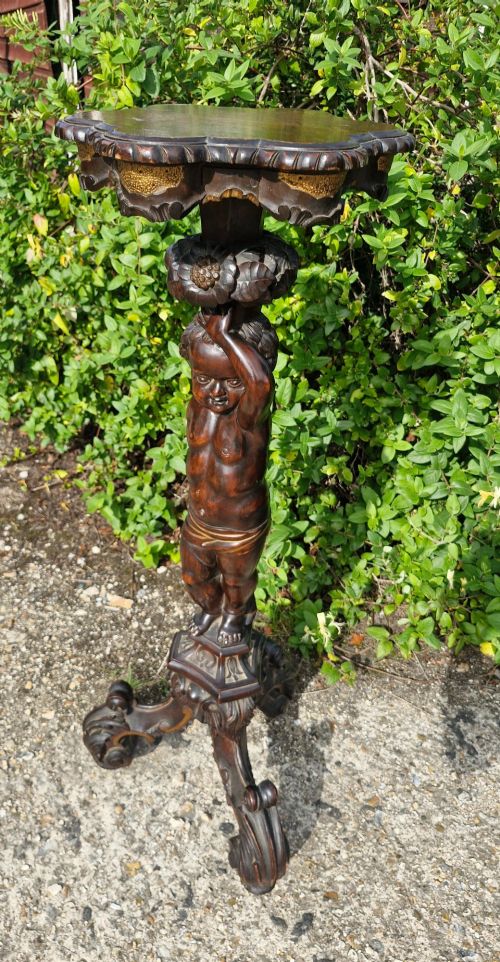
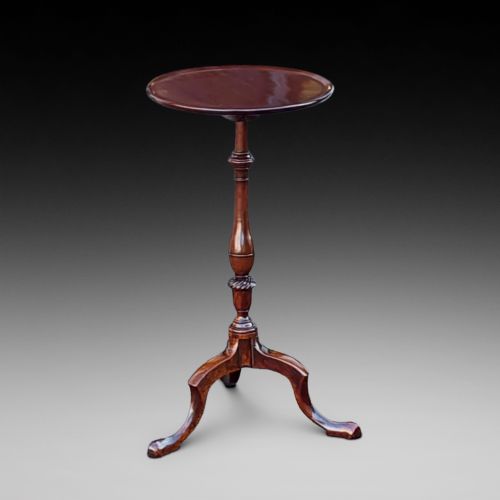
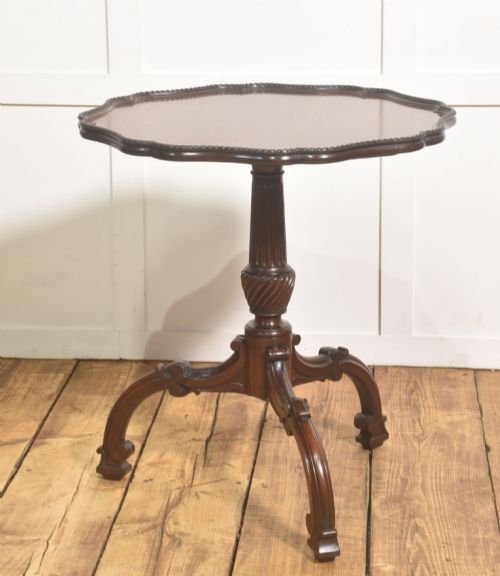
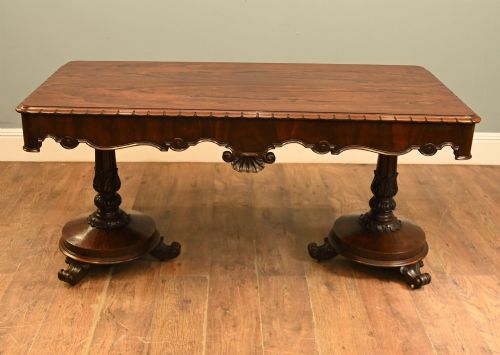
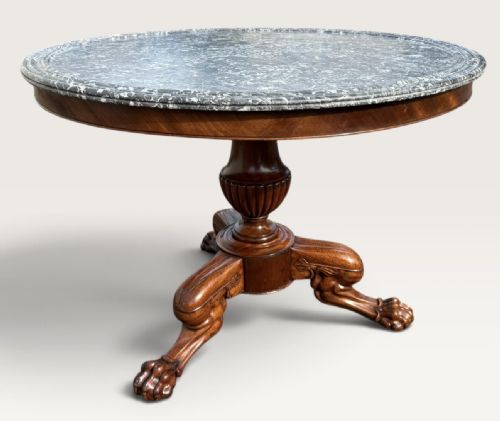
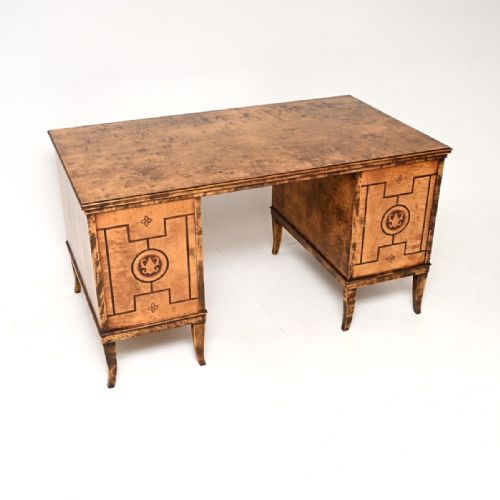
An antique style pedestal table centres on a single pillar or multiple columns supporting surfaces ranging from compact wine tables to expansive extending dining furniture. Buyers encounter forms including side tables, breakfast tables, drum tables, and partners desks produced across various eras.
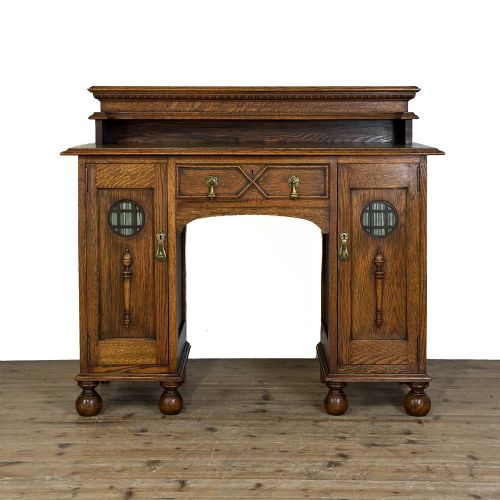
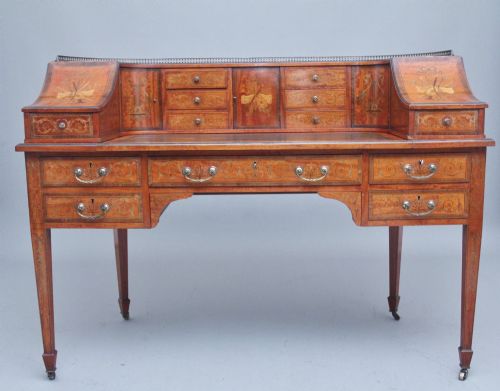
The selections span pieces from the Georgian, Victorian, and Edwardian periods alongside later revivals. Dining tables and desks predominate among larger formats, while smaller occasional and lamp tables appear frequently.
Distinctions in Execution
Execution depends on the selection of timber veneers and solid woods, where highly figured mahogany or burr walnut elevates the visual weight of a piece. The crispness of carved details on pedestals and legs distinguishes superior workshop output.
Structural integrity relies on the hidden joinery within the pillar and base connections, particularly on extending dining tables that bear heavy loads across multiple pillars.
The documented periods span the Georgian era through Victorian, Edwardian, and twentieth-century revivals.
George Bullock·Gillows
The Antique Style Pedestal Table Glossary
- Pedestal table
- A table supported by a central upright column or pillar rather than four corner legs. This construction allows greater legroom around the perimeter.
- Drum table
- A circular library or writing table featuring a deep frieze fitted with drawers, resting on a central pillar and usually a tripod base.
- Partners desk
- A large double-sided desk designed for two people to work opposite each other, often featuring pedestals containing banks of drawers.
- Tripod base
- A three-legged support system radiating from a central column, common in smaller occasional and wine tables.
- Triform base
- A three-sided platform base supporting a central pillar, frequently seen on breakfast and dining tables from the nineteenth century.
Antique Style Pedestal Table: Frequently Asked Questions
How do I identify a pedestal table style?
Examine the timber, base construction, and decorative motifs to link the piece to periods such as Regency, Victorian, or Edwardian revivals.
Look for specific leg configurations, such as triform or tripod bases, which indicate the manufacturing era and intended function of the table.
Were pedestal tables used for dining?
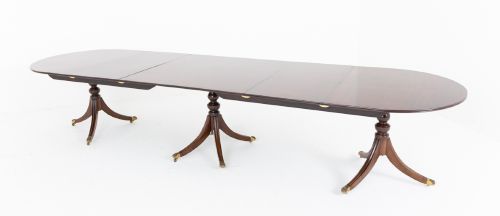
Larger multi-pillar versions served substantial dining functions, accommodating numerous guests by extending along a central track system.
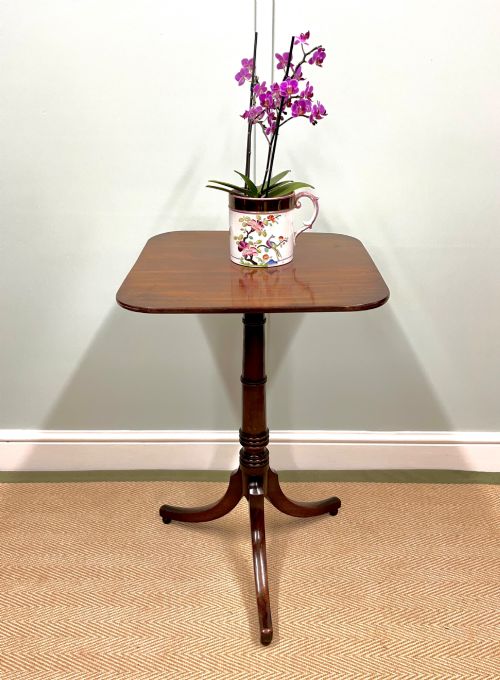
Smaller single-pillar formats functioned as breakfast, wine, or occasional tables placed in parlours and drawing rooms.
What timbers appear on these tables?
Mahogany, walnut, and oak form the structural foundation for the majority of surviving examples recorded in these listings.
More decorative surfaces utilise burr walnut, rosewood, and satinwood veneers to create striking visual patterns on tabletops.
How do I care for a wood table top?
Maintain polished hardwood surfaces by avoiding direct sunlight and excessive moisture, using coasters and mats during daily use.
Apply traditional wax sparingly to nourish the grain and protect older finishes without building up residue.