
Antique Style Lamps
These antique style lamps unite period forms with functional illumination, bringing character and warm light into traditional interiors.
Antique Style Lamps
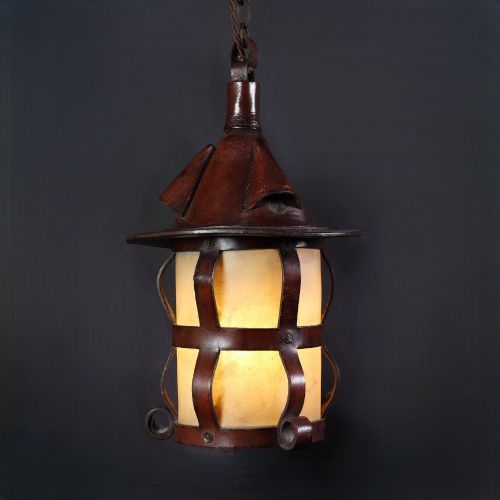
When searching for antique style lamps, buyers encounter a diverse selection of lighting fixtures and repurposed vessels drawing on historic design vocabularies. The pieces on this page span several decades from the nineteenth century into the twentieth century, incorporating styles such as French Rococo, Neoclassical, and Arts and Crafts.
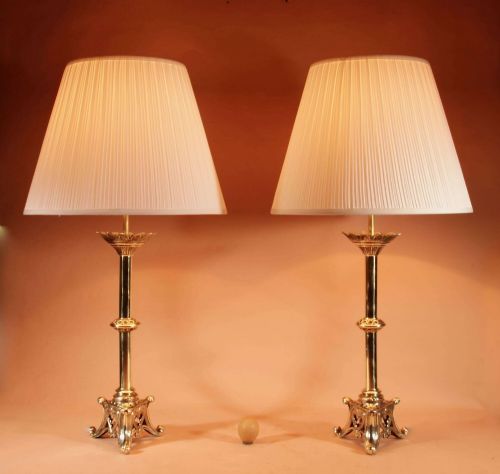
The selection frequently includes paired table lamps, bronze figural oil lamps, and converted porcelain or glass vessels. Materials range from cast brass and ormolu to carved wood and lacquered finishes, reflecting the decorative preferences of Victorian and Edwardian makers.
Materials and construction
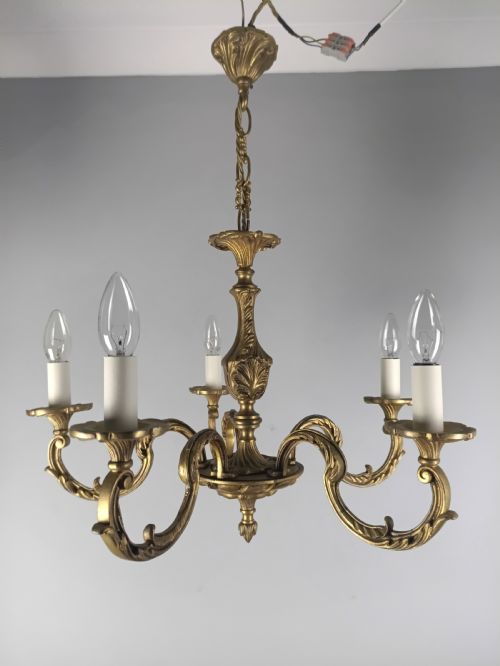
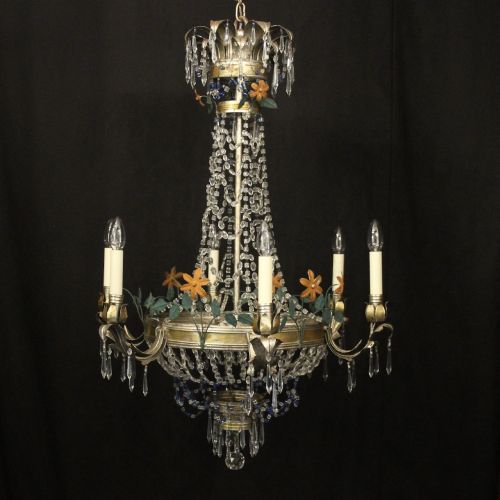
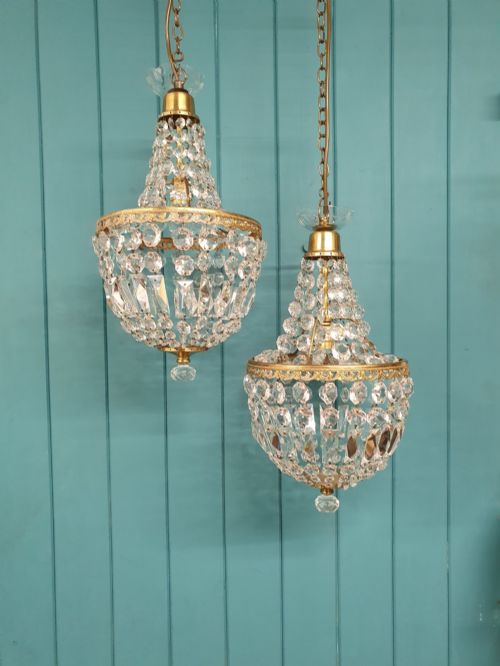
Metal components rely heavily on cast brass, bronze, and gilded ormolu, often formed into classical urns, figural groups, or structural mounts. Artisans utilised traditional foundry methods and hand-finishing techniques to achieve crisp detail on chandeliers, wall lights, and lamp bases.
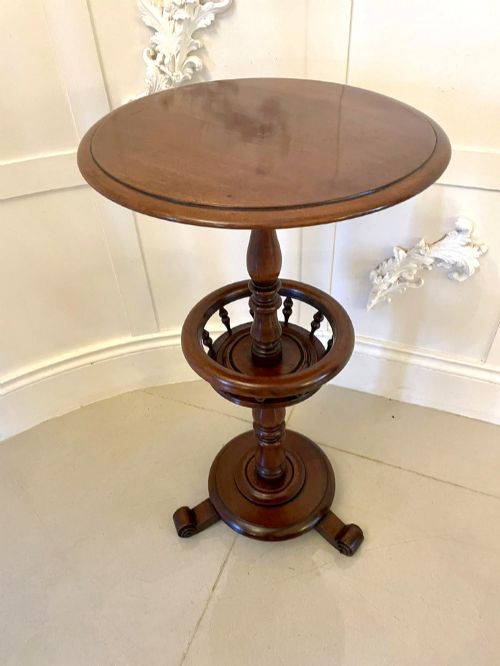
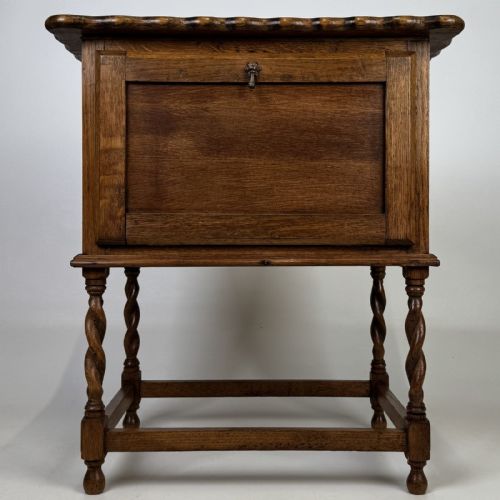
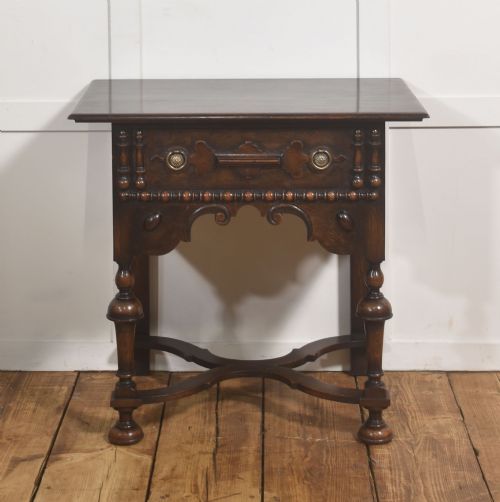
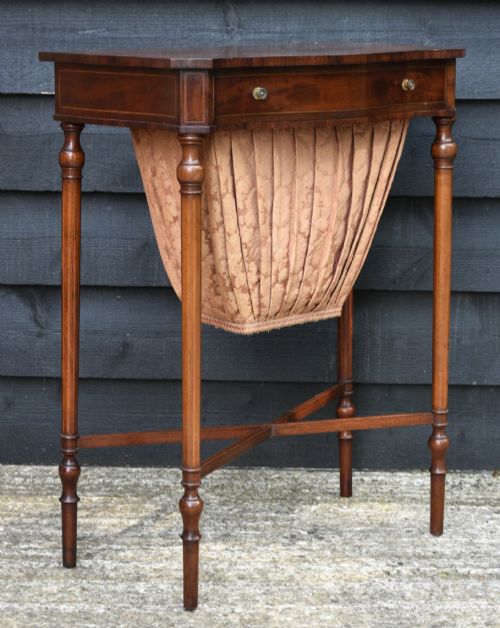
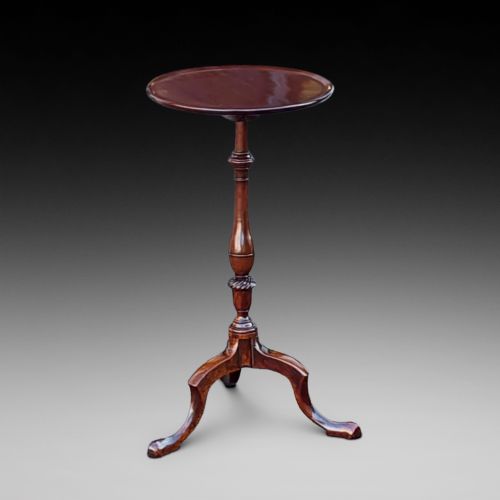
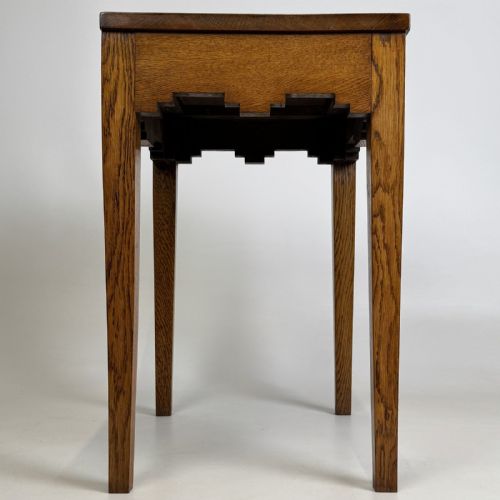
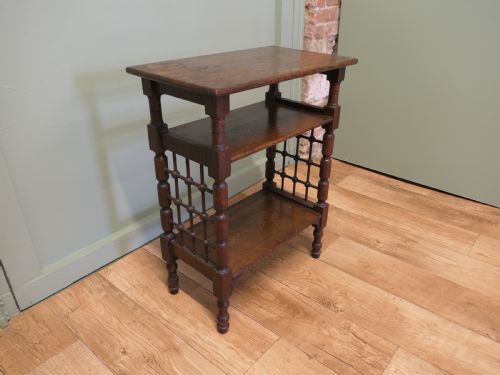
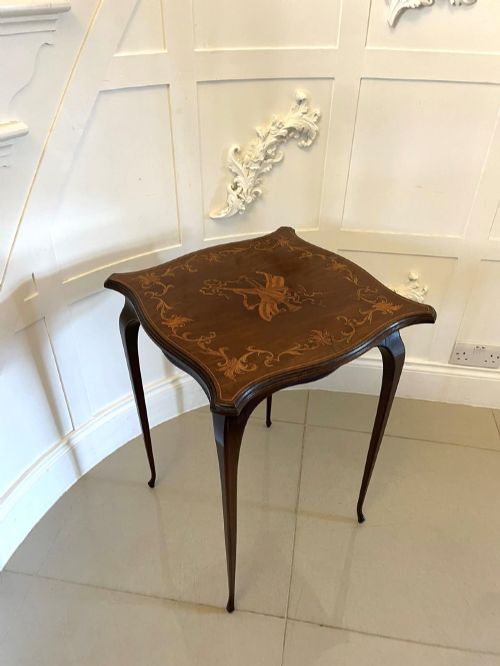
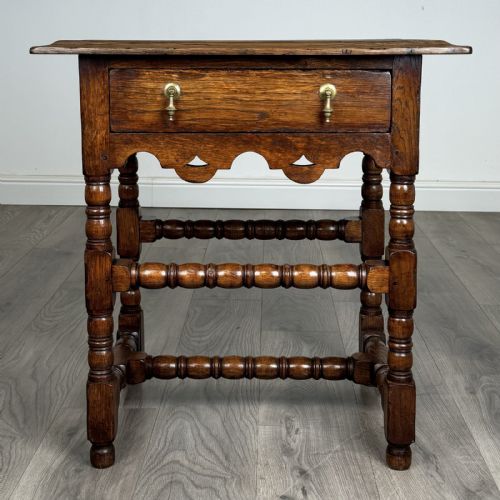
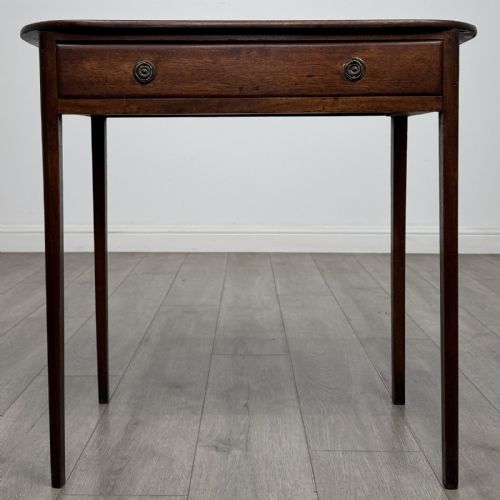
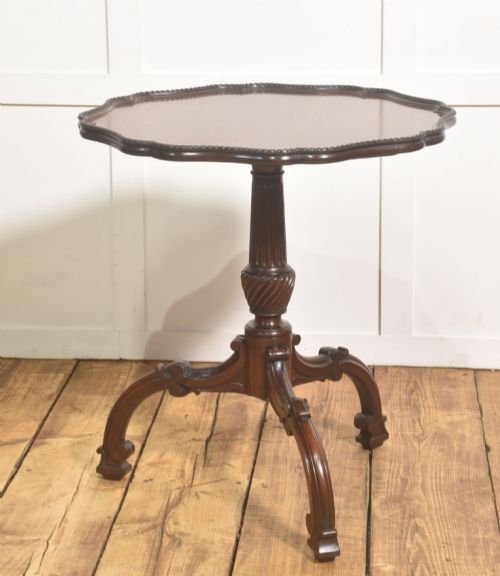
Wooden elements employ timbers like mahogany, oak, walnut, and kingwood, frequently combined with marquetry inlay, lacquer work, or giltwood accents. These materials are shaped into supporting stands and occasional tables that accompany the lighting fixtures.
Several pieces incorporate winged cherubs and mythical beasts frozen mid-pose to hold up the evening light.
Assessing craftsmanship
Quality in these pieces rests upon the precision of the casting work, the depth of the gilding, and the integrity of the timber or ceramic body. Finer examples display sharp chasing on bronze mounts and seamless joinery on wooden elements.
The sophistication of the design execution distinguishes standard production items from superior workshop pieces. Artisans who paid careful attention to proportional balance and surface patination created lighting that retains its aesthetic presence.
The Antique Style Lamps Glossary
- Ormolu
- Gilded bronze used widely for decorative mounts on furniture and lamp bases during the eighteenth and nineteenth centuries. This technique involved applying finely ground gold to a bronze base.
- Chinoiserie
- European imitation and interpretation of Chinese and East Asian artistic traditions, often expressed through lacquered surfaces and painted motifs. It appeared frequently on decorative items during the Victorian era.
- Neoclassical
- A style drawing inspiration from the classical art and architecture of ancient Greece and Rome. It emphasises symmetry, straight lines, and classical motifs such as urns and acanthus leaves.
- Cloisonné
- An ancient technique for decorating metalwork objects with coloured glass paste separated by strips of metal. It frequently appears on imported or revival decorative vessels.
Antique Style Lamps: Frequently Asked Questions
How do I clean an antique brass lamp?
Dust the surface regularly with a soft, dry cloth to prevent the accumulation of grime. Avoid abrasive cleaners or harsh chemical polishes that can strip the historic patination from the metal.
For stubborn residue, use a mild soap solution on a damp cloth, drying the piece thoroughly immediately afterwards. Preserving the natural age of the brass maintains the visual character of the object.
Can I mix different decorative styles?
Combining varied periods and regional styles creates a layered, collected interior rather than a uniform showroom look. Pairing a neoclassical bronze lamp with later wooden furniture adds visual depth to a room.
Proportion and scale remain the primary considerations when placing diverse objects together in a single space. Maintaining a consistent colour palette helps unify disparate design eras.
What defines a Grand Tour lamp?
Grand Tour items were acquired by affluent travellers journeying through cultural centres in Europe during the nineteenth century. These pieces often took the form of bronze classical ruins or miniature figures adapted into oil lamps.
They reflect an era when collecting classical antiquities was a central part of elite education and travel. Such objects carry a specific historical narrative rooted in nineteenth-century leisure.