

Antique Style Hall Chair
When you search for an antique style hall chair, you are looking at timber seating built to make an impression by the front door.
Antique Style Hall Chair
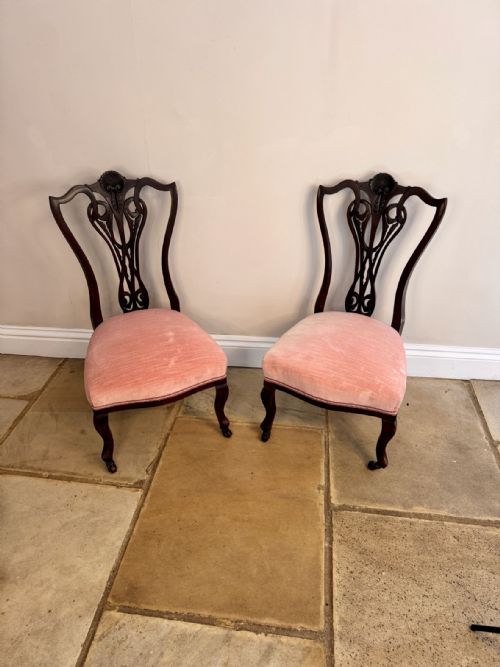
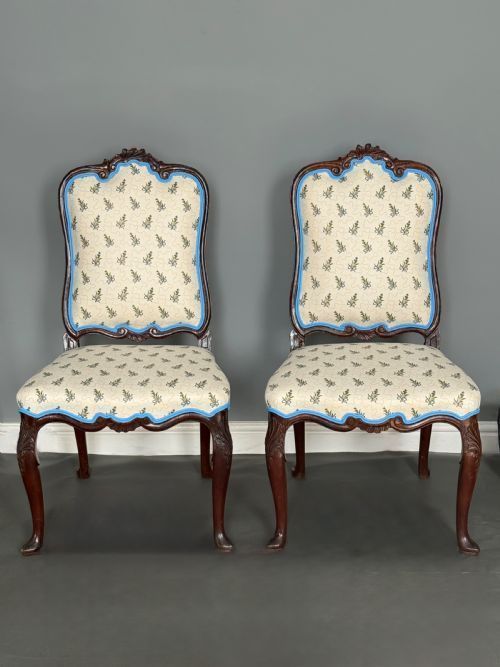
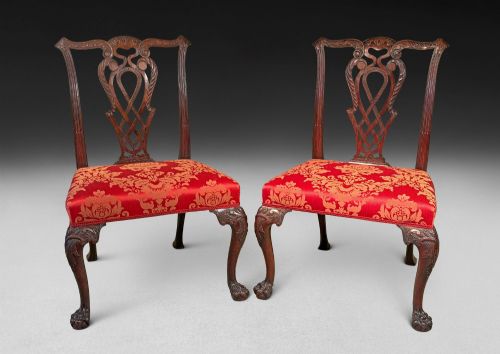
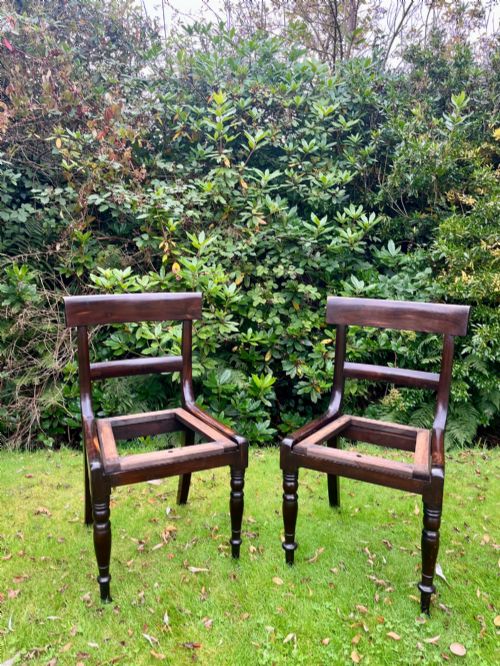
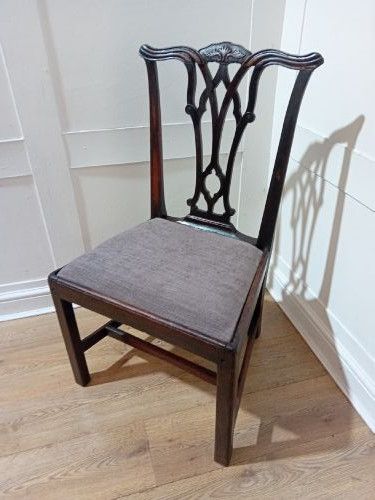
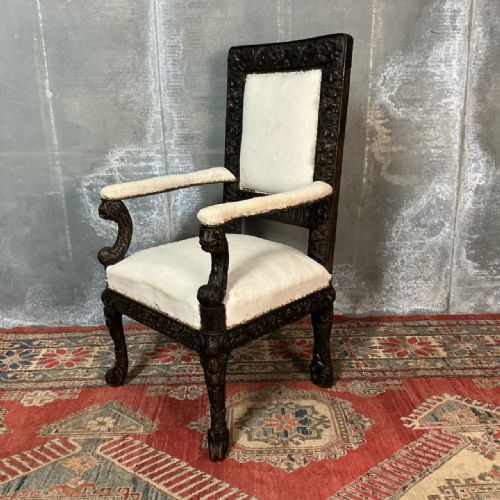
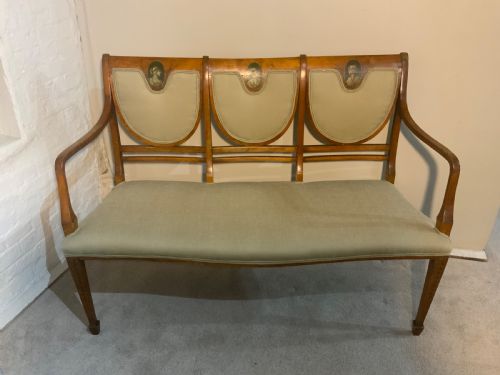
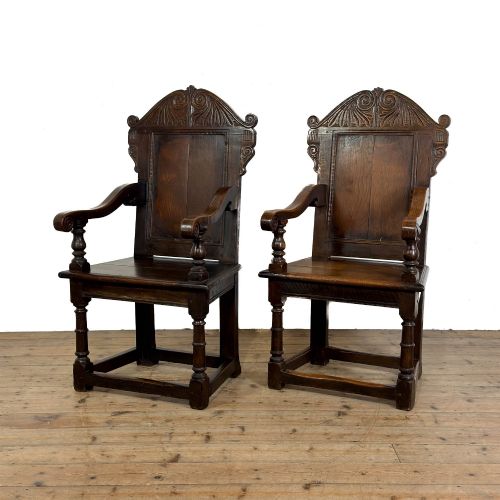
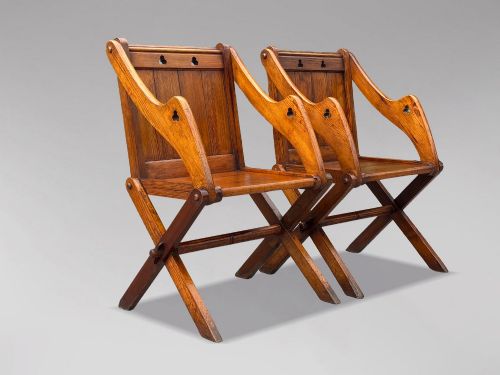
An antique style hall chair brings historical revivals and formal seating into the entranceway, drawing on centuries of domestic design. These pieces often take the form of side chairs, armchairs, or wainscot designs intended for occasional sitting rather than long hours of repose.
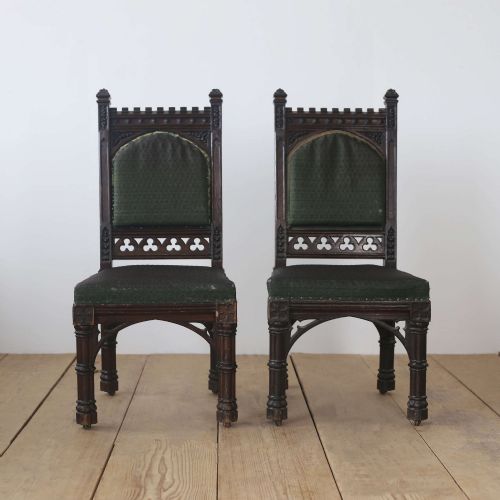
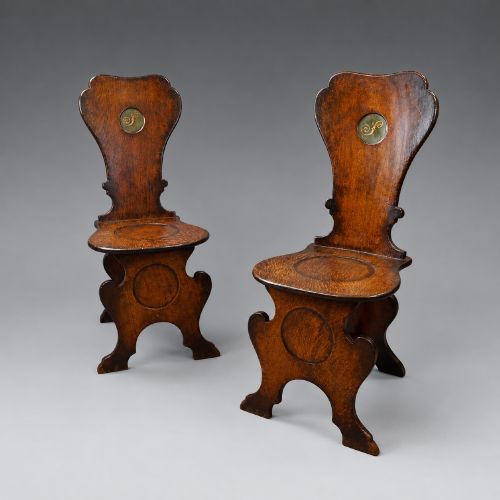
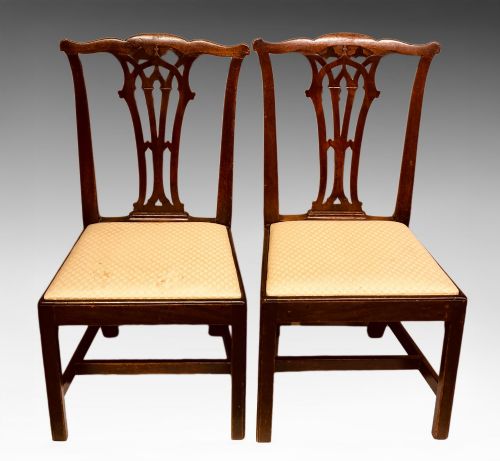
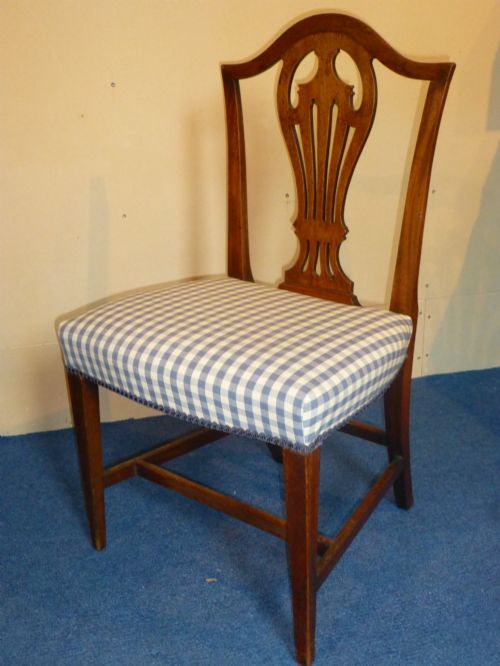
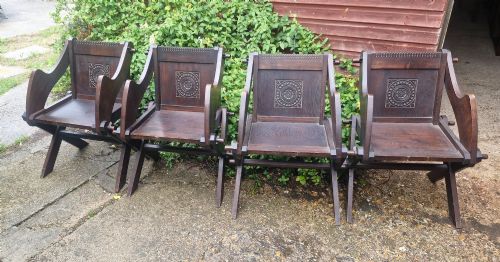
The selections available range from 18th-century George III mahogany and oak examples to later 19th-century interpretations in the Gothic, Jacobean, and Renaissance revivals. Many items appear as pairs or larger sets, reflecting the symmetrical demands of traditional interior architecture.
Materials and construction
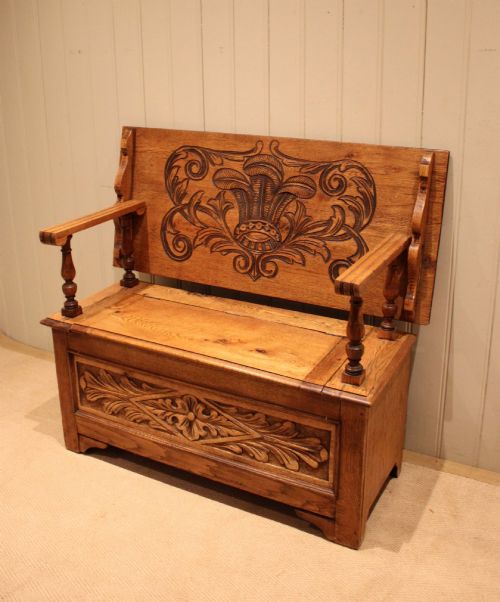
Cabinetmakers utilised solid timbers such as oak, mahogany, walnut, and fruitwood to build these chairs, often turning to pine or satinwood for specific decorative effects. Wood was frequently carved with heraldic crests, strapwork, or revival motifs, and sometimes finished with paint or lacquer.
Upholstery materials varied widely, incorporating canvas, fabric, leather, cane, and velvet, sometimes secured with brass detailing. Structural joinery relied on traditional framing methods suited to the heavy loads placed upon entranceway seating.
Listings feature items spanning the seventeenth through to the early twentieth century, with oak and mahogany being the most common structural timbers.
Assessing quality and execution
The standard of carving sets the finer examples apart, distinguishing crisp, deep relief work from softer, shallower execution on later revival pieces. Timber selection also dictates the grade, with dense grain and well-matched sections showing greater care in workshop preparation.
The integrity of the structural frame and the retention of original surface finishes, whether polished wood, paint, or applied ormolu mounts, heavily influence the character of each piece. Matched sets with uniform wear display a higher degree of initial commissioning intent.
Charles Tozer·Bruce Talbert·Gillows
The Antique Style Hall Chair Glossary
- Sgabello
- A light wooden chair with a high back and trestle base, often featuring carved decoration and associated with the Renaissance.
- Wainscot chair
- A heavy wooden armchair constructed with panelled backboards and solid timber armrests, popular in the seventeenth century.
- Ormolu
- Gilt bronze mounts applied to furniture for decorative enrichment, frequently seen on revival pieces.
- Derbyshire chair
- A type of regional seventeenth-century chair characterised by turned posts and intricately carved spindle backs.
- Gossip chair
- A low seat designed for telephone conversations or casual seating, emerging in later revival periods.
Antique Style Hall Chair: Frequently Asked Questions
Where were hall chairs placed?
These chairs stood in entrance halls, corridors, and landings rather than principal living rooms. They served visitors waiting briefly before being received into the main household.
Because they were meant for transient use, their designs prioritised upright posture and striking visual backs over cushioned comfort.
How do I spot a revival piece?
Revival pieces draw on styles like Gothic, Jacobean, or Renaissance, but are often built with nineteenth or twentieth-century timber preparation techniques. Machine-cut elements or uniform patination can signal a later date.
Examining the underside and joinery helps clarify whether the piece is a genuine seventeenth or eighteenth-century survivor or a later homage.
Are these chairs comfortable for daily sitting?
Most hall chairs feature rigid wooden seats or taut upholstery designed for short periods of sitting. Their upright backs and shallow proportions reflect formal historical etiquette.
They function best as accent pieces in hallways, bedrooms, or studies where visual presence outweighs deep lounging comfort.
Why do they often come in pairs?
Formal entrance halls historically required balanced furniture arrangements flanking a doorway or console table. Makers produced matching pairs and sets to satisfy this architectural symmetry.
Finding a matched pair today preserves the intended decorative impact of the original commission.