


Antique Style Diamond Earrings
Antique style diamond earrings bring together enduring periods like the Edwardian and Art Deco eras to offer genuine sparkle and historic character.

Antique Style Diamond Earrings
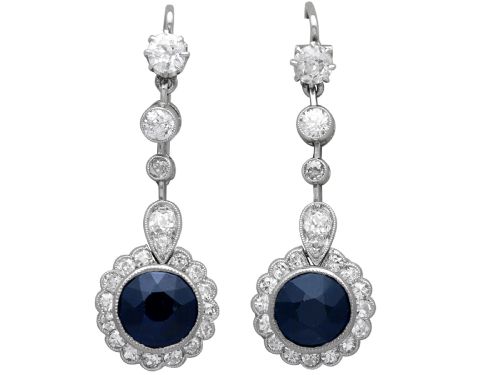
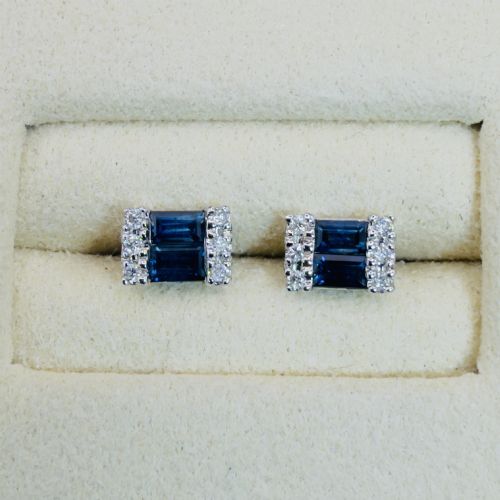
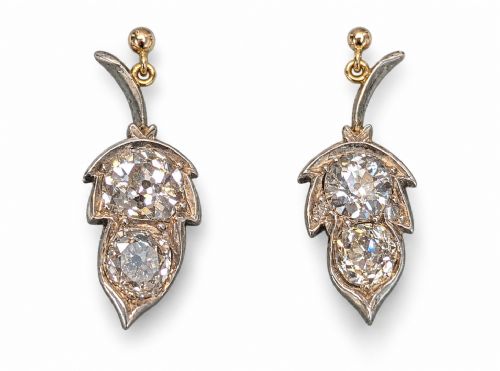
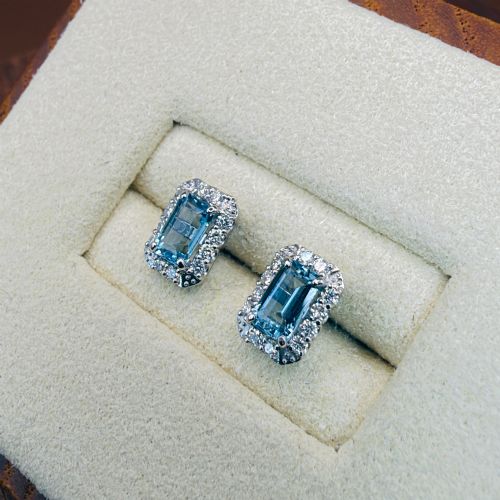
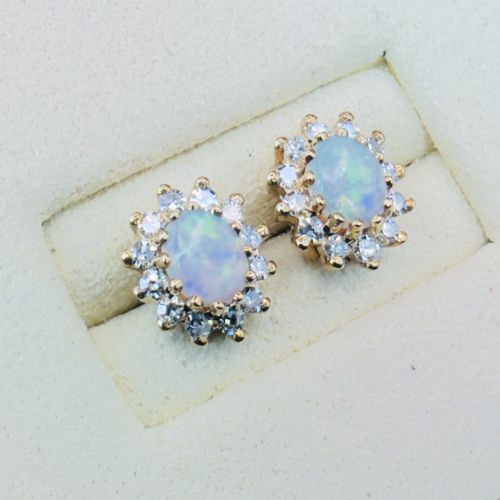
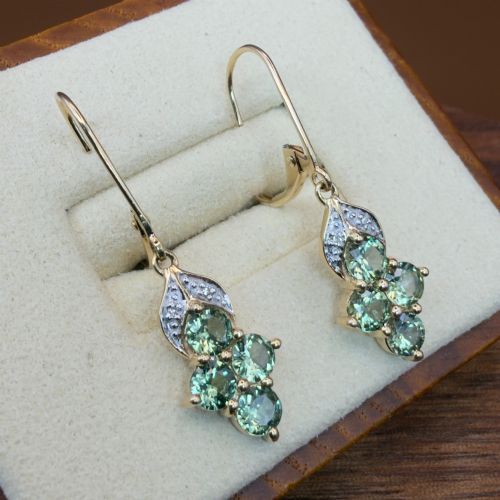
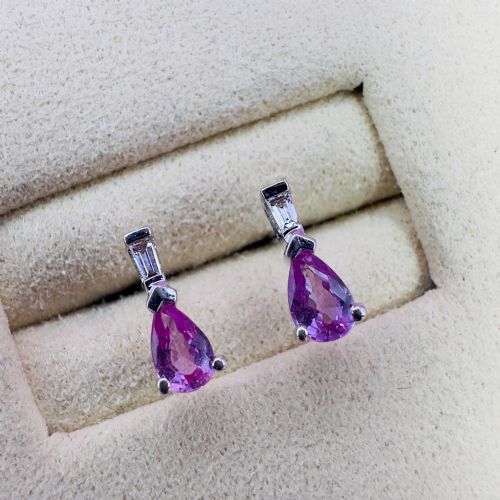
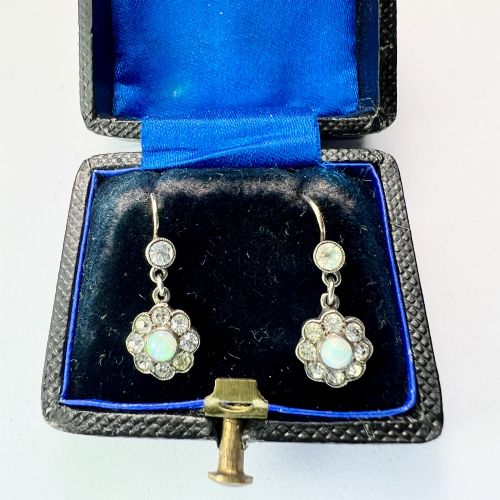
When searching for antique style diamond earrings, buyers encounter a diverse range of historic designs spanning from the Victorian and Edwardian periods through to the mid-century decades. These pieces primarily take the form of drops, dangles, and cluster studs, often incorporating colourful gemstones alongside the diamonds.
Many of these earrings combine diamonds with pearls, sapphires, opals, or turquoise, demonstrating the varied decorative preferences of past makers. Whether choosing a delicate Edwardian drop or a bolder mid-century cluster, the focus remains on period-specific craftsmanship.
Materials and Techniques
The construction of these pieces relies heavily on precious metals like 18ct white gold, yellow gold, platinum, and silver, often used in combination to support the stones securely. Metalworkers shaped these materials into intricate settings such as halos, clusters, and lever-backs.
Gemstones including old cut, rose cut, and single cut diamonds are paired with coloured stones like sapphires, garnets, and pearls. The settings utilise traditional techniques to hold stones close to the metal, creating distinctive silhouettes characteristic of their respective eras.
Materials documented across the listings include 18ct white gold, platinum, silver, and gold, paired with diamonds, sapphires, pearls, and opals.
Assessing Quality and Execution
Quality in these pieces rests upon the precision of the metalwork and the harmonious integration of the stones within the design. Finer examples display meticulous attention to detail in claw or bezel settings that securely anchor old cut and rose cut diamonds without overpowering them.
The choice of supporting materials, such as platinum paired with 18ct white gold or the inclusion of natural pearls and matched sapphires, separates standard items from exceptional ones. The balance between the historic style and the execution of the cluster or drop configuration dictates the overall presence of the earrings.
Knoll & Pregizer
The Antique Style Diamond Earrings Glossary
- Old Cut Diamond
- A diamond cut by hand in earlier centuries, featuring a smaller table and larger facets that produce a softer, warmer glow under candlelight.
- Cluster Earrings
- A style featuring a central stone surrounded by a ring of smaller stones, often creating a floral or geometric silhouette.
- Lever-Back
- A type of earring closure that uses a hinged lever to snap shut behind the earlobe, providing secure wear for drop designs.
- Paste
- Hand-cut glass used historically to imitate gemstones like diamonds or emeralds, valued for its own decorative charm in vintage jewellery.
- Rose Cut Diamond
- A vintage diamond cut with a flat base and a domed crown consisting of triangular facets, resembling an unopened rosebud.
Antique Style Diamond Earrings: Frequently Asked Questions
What periods do these earrings represent?
The pieces span multiple historical eras, most notably the Victorian, Edwardian, and Art Deco periods, alongside mid-century decades.
Each period brings distinct stylistic elements, from delicate Edwardian filigree to bold 1950s geometric and floral clusters.
Are these earrings made with genuine diamonds?
Yes, the listings feature authentic diamonds, frequently utilising older cuts such as old European, single, and rose cut stones.
These are often set alongside precious metals like platinum, 18ct white gold, and silver.
How do I care for antique style diamond earrings?
Care requires gentle cleaning with soft cloths and avoiding harsh chemical dips, especially when pearls, opals, or softer gemstones are present.
Storing them separately prevents the diamond facets from scratching neighbouring metal or softer stones.
Can I wear these earrings daily?
Many designs, particularly robust cluster studs or secure lever-backs, suit regular wear provided they are handled with reasonable care.
Checking the security of the settings periodically ensures the stones remain firmly anchored in their historic mounts.