

Antique Style Cupboard
An antique style cupboard brings practical storage and traditional period character into a room.
Antique Style Cupboard
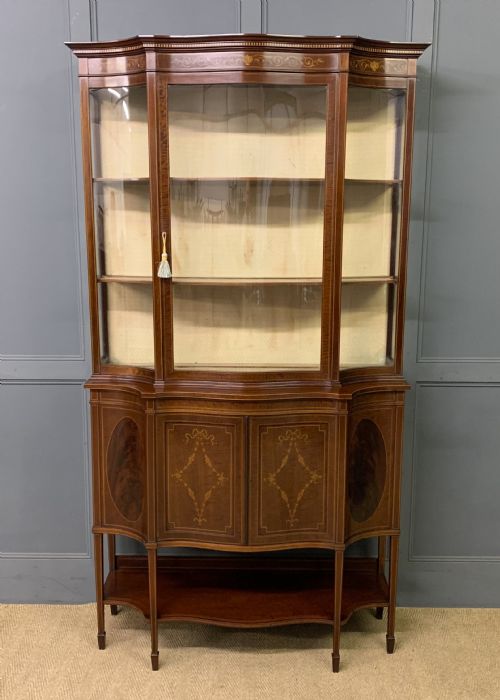
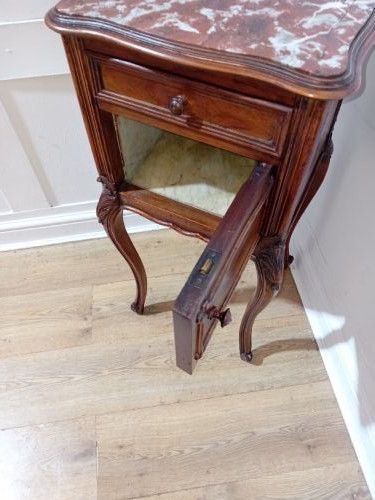
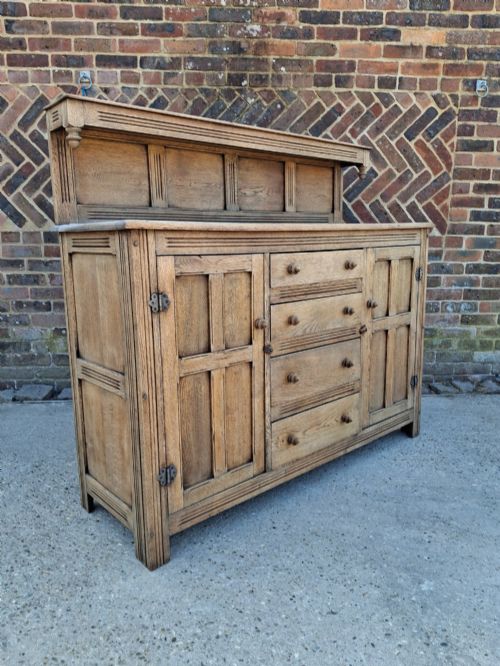
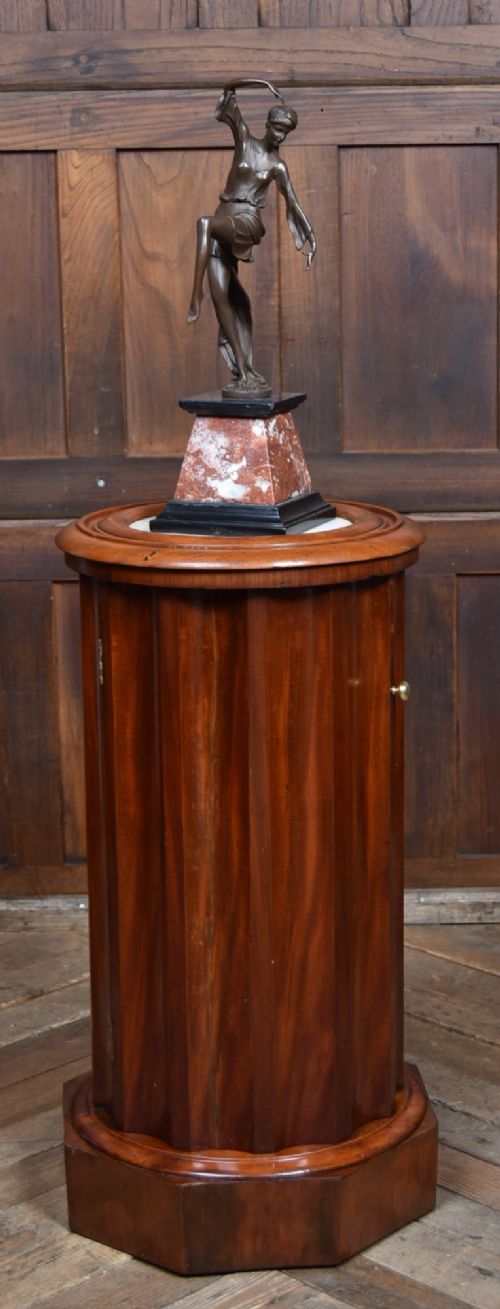
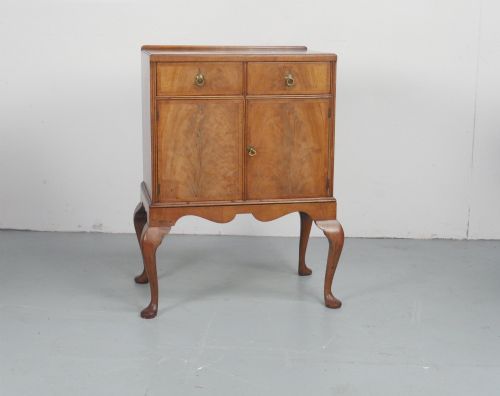
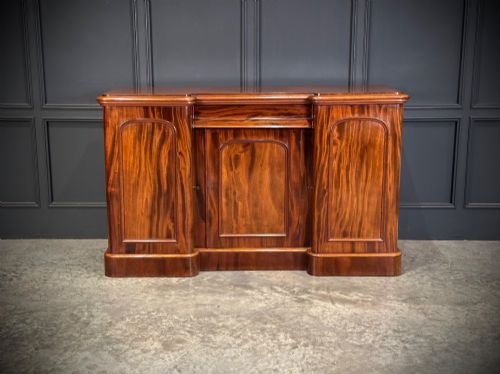
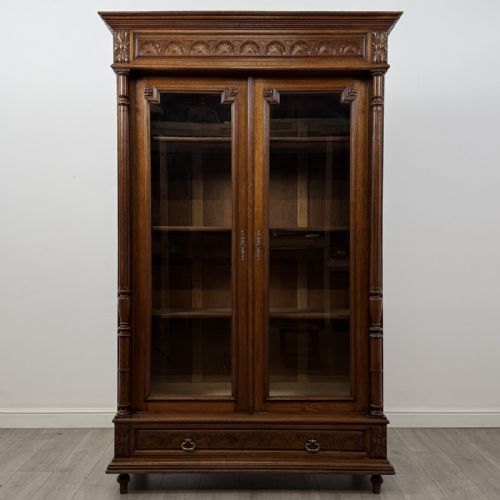
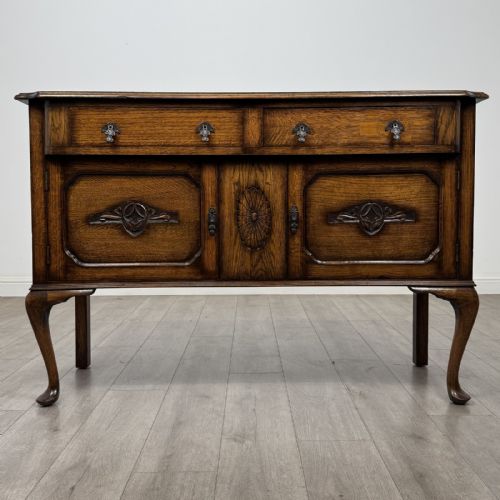
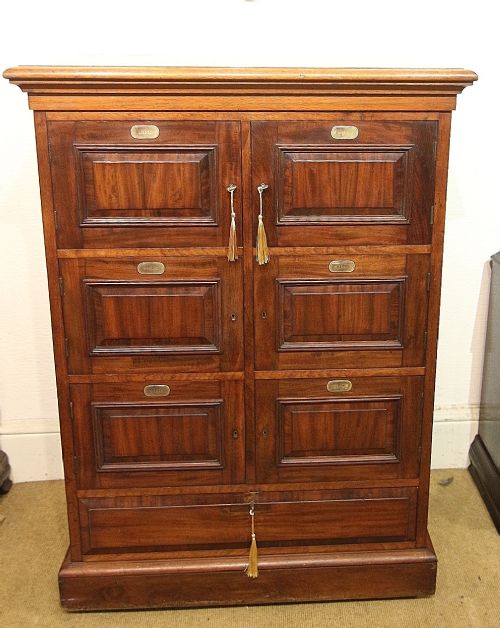
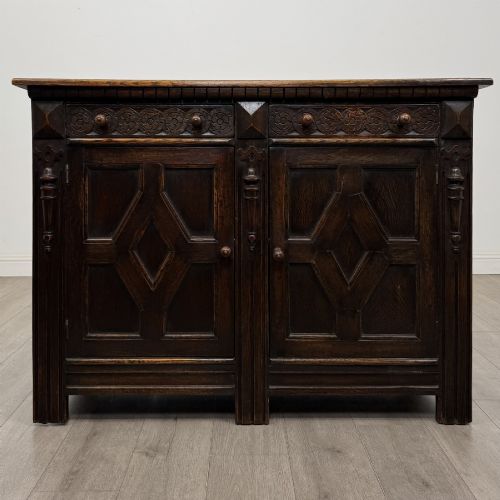
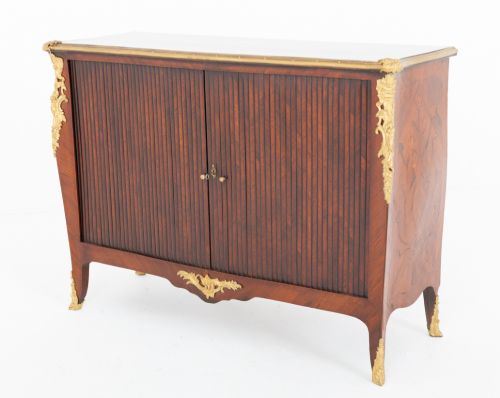
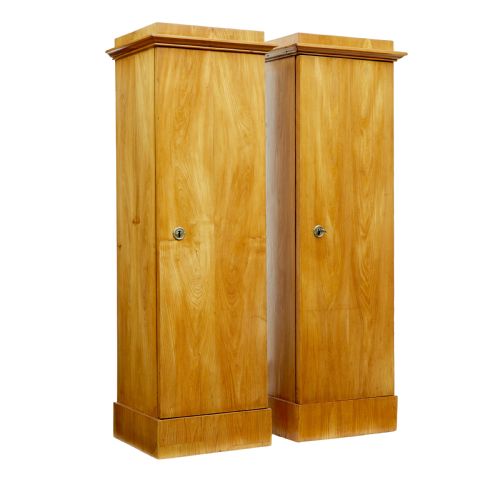
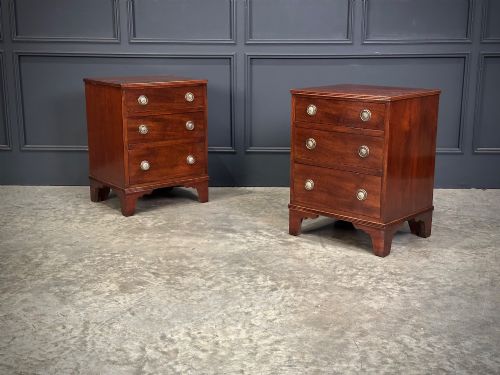
When you search for an antique style cupboard, you are looking at storage furniture designed to echo earlier historical periods. The pieces appearing here span from the nineteenth century through the Edwardian era and into the 1920s and 1930s, offering forms like bedside cabinets, display units, sideboards, and wardrobes.
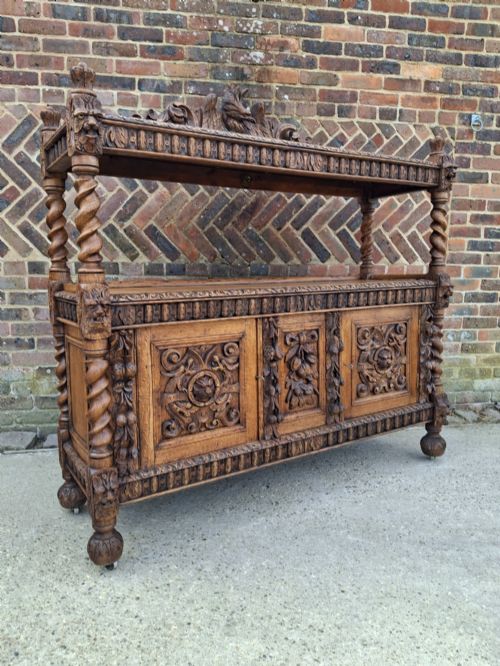
You are most likely to meet oak and mahogany examples shaped by revivals of Georgian, Victorian, Jacobean, and Edwardian tastes. These storage items range from compact bedside tables to larger side cabinets and bookcases fitted with glass, brass, or iron hardware.
The selection encompasses diverse regional influences and stylistic revivals, capturing eras when makers reinterpreted older designs for contemporary homes. Each form serves a domestic function, from bedside storage to larger hall and boot room requirements.
Materials and construction
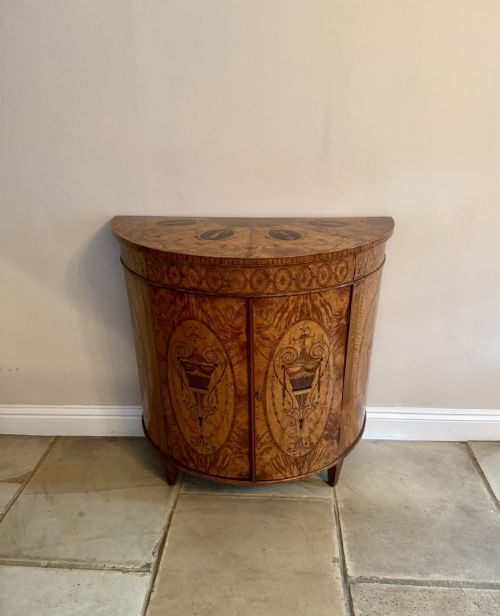
Cabinet makers relied heavily on solid hardwoods like oak, mahogany, and walnut, frequently enhancing surfaces with burr veneers, satinwood inlay, or marquetry. Glass panels feature in display cabinets and bookcases, while brass, iron, and gilt-bronze provide structural mounts, handles, and hinges.
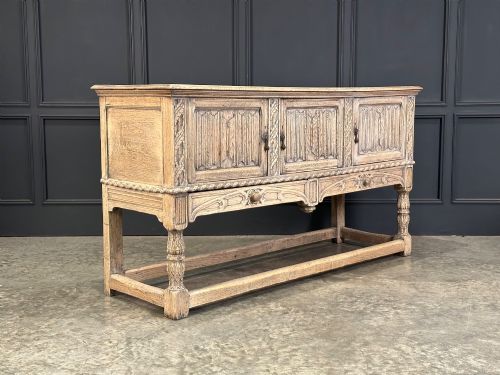
Construction techniques combine traditional joinery with decorative carving, turning, and painted finishes. Artisans utilised barley twist legs, baluster turned supports, bracket feet, and carved stretcher bases to give these storage pieces architectural definition and stability.
Antique Style Cupboard Retail Price Guide 2026
Typical asking prices for style cupboard among the pieces listed under this phrase on Sellingantiques today, from the lower quarter to the upper quarter. They describe what is for sale here now, not the wider market.
Listings feature items constructed from oak, mahogany, walnut, satinwood, and marble across periods spanning the nineteenth and twentieth centuries.
What separates the tiers of quality
Quality in these storage pieces rests upon the selection of timber and the precision of the cabinet maker's joinery. Finely figured burr walnut, intricate marquetry, and hand-carved panels demonstrate a higher level of workshop skill than plain or machine-milled alternatives.
The integrity of secondary woods, the weight and finish of brass or gilt-bronze hardware, and the crispness of details like dentil cornices or inlaid satinwood distinguish ambitious studio pieces from standard domestic furniture.
Waring and Gillow·François Linke·Hille for Harrods·Epstein
The Antique Style Cupboard Glossary
- Chinoiserie
- European decorative style reflecting Chinese artistic traditions, often featuring lacquered surfaces and painted motifs. This aesthetic appears on wardrobes and display cabinets.
- Marquetry
- The art of applying pieces of veneer to a structure to form decorative patterns and pictures. It is frequently seen on revival furniture panels.
- Jacobean Revival
- A style popular in the late nineteenth and early twentieth centuries that copies seventeenth-century English furniture characteristics. Pieces in this mode typically feature heavy oak and carved details.
- Dentil Cornice
- A moulding embellished with a series of small, rectangular blocks resembling teeth. This architectural detail is found along the upper edges of bookcases and cabinets.
- Drop Front
- A hinged panel that folds down to create a writing surface or access interior compartments. It is a common feature on specialised writing and storage cupboards.
Antique Style Cupboard: Frequently Asked Questions
What is an antique style cupboard used for?
These pieces provide enclosed storage for household items, clothing, books, or displaying china and decorative objects.
Depending on the specific form, such as a bedside cabinet, wardrobe, or sideboard, they organise and conceal belongings while adding traditional style to a room.
Where should I place a display cabinet?
Display cabinets with glass doors suit living rooms, dining spaces, or hallways where collections, glassware, or books can be seen while protected from dust.
Positioning them away from direct sunlight preserves both the timber finish and any delicate interior painted surfaces.
How do I care for oak and mahogany furniture?
Maintenance involves dusting with a soft, dry cloth and occasionally applying appropriate beeswax to nourish the timber. Avoiding direct heat sources and excessive moisture prevents the wood from warping or cracking.
Gentle care preserves the original polish and patina built up over decades of use.