

Antique Studded Chairs
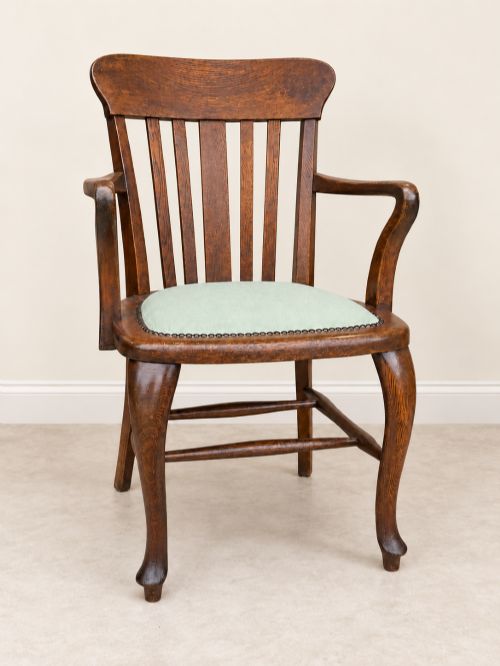
Antique studded chairs bring immediate texture to a room, combining solid timber frames with tactile upholstery secured by metal nails.
Antique Studded Chairs
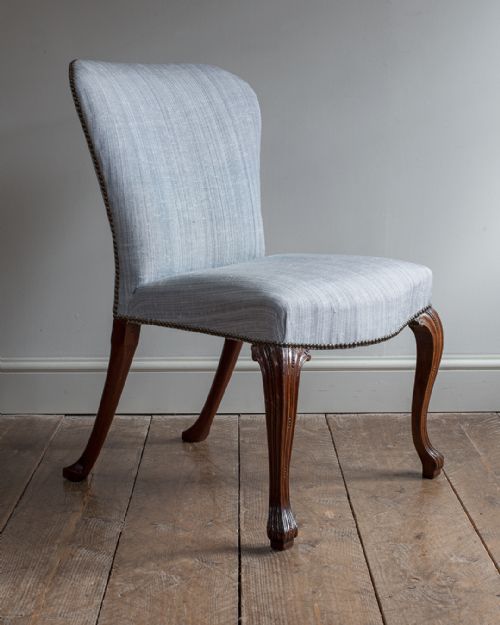
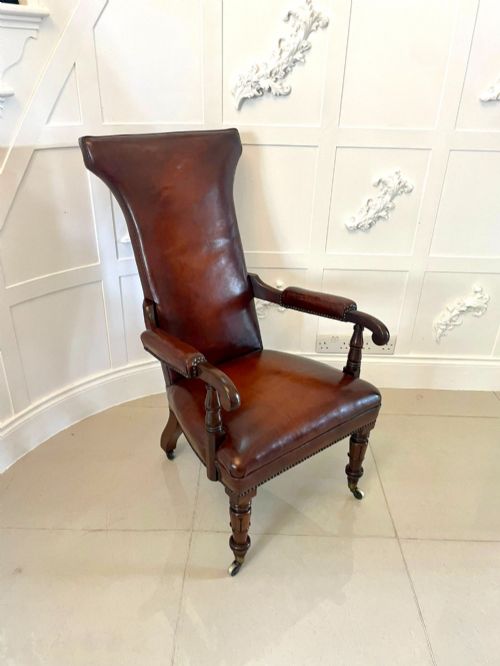
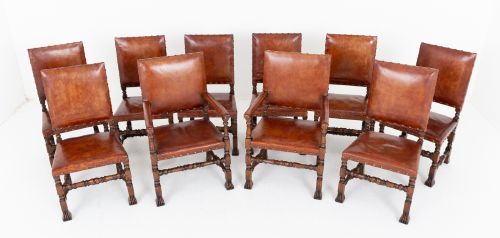
When searching for antique studded chairs, buyers encounter a diverse selection ranging from formal dining sets to substantial library and club armchairs. These pieces span multiple centuries, incorporating periods such as the Georgian, Victorian, and Edwardian eras alongside later twentieth-century designs.
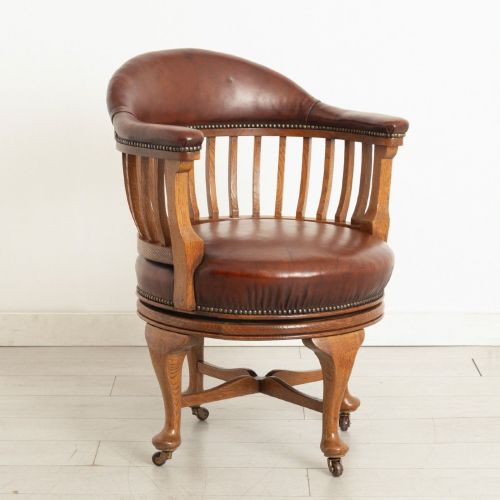
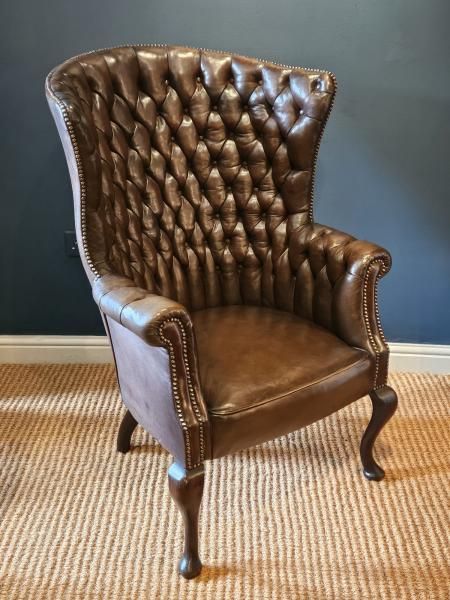
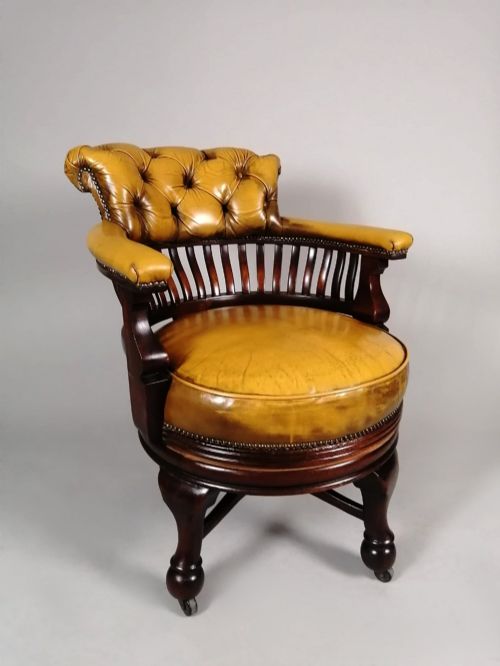
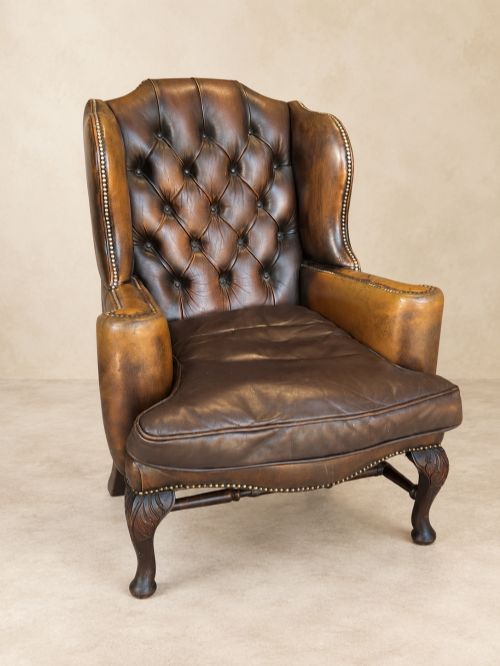
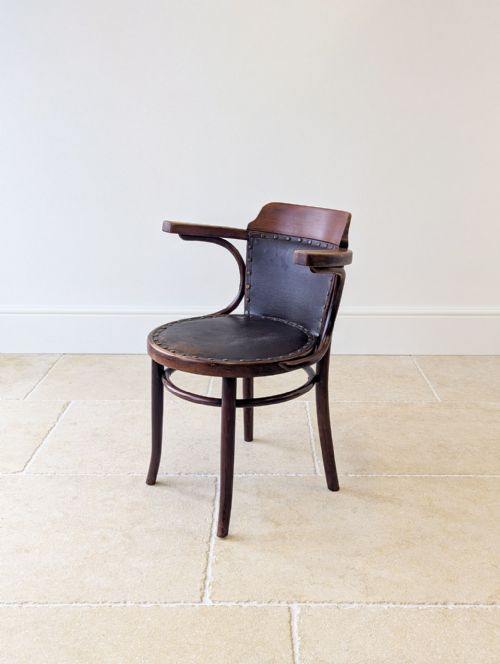
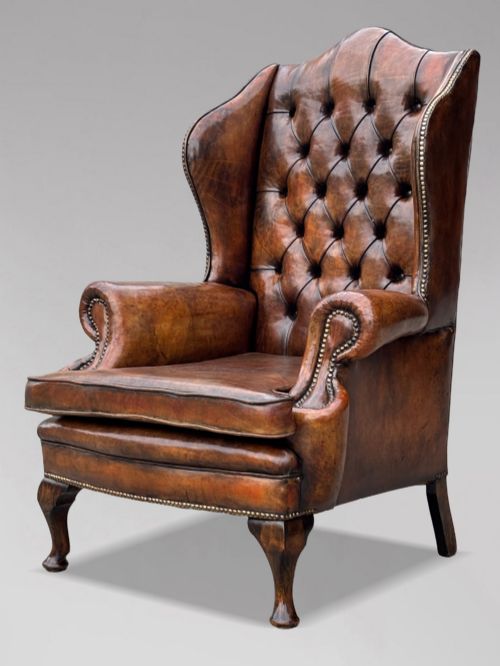
The assortment on this page leans heavily towards seating constructed from sturdy hardwoods like oak and mahogany, upholstered in leather and fabric. Forms vary from revolving desk chairs and office seating to high-backed dining chairs and deep wingback armchairs.
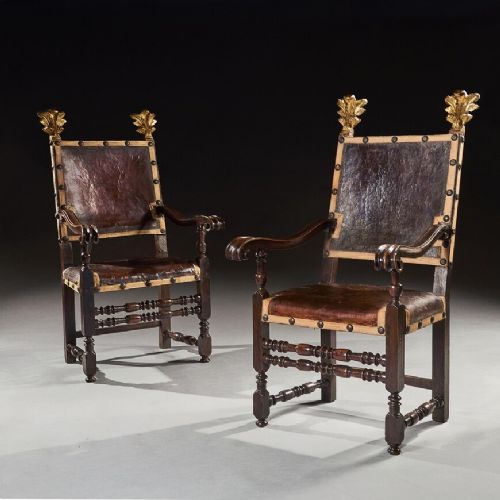
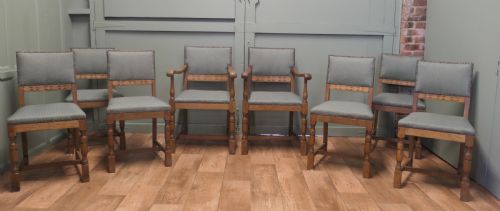
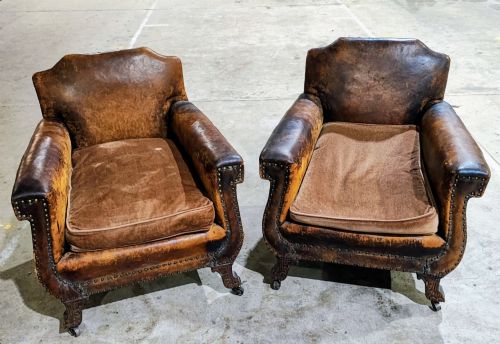
Origin and style distinctions matter greatly when identifying these chairs, with examples reflecting regional British craftsmanship as well as continental influences like French Art Deco and Italian Baroque. Buyers will find individual fireside chairs, matched pairs, and full dining sets designed for various domestic and working spaces.
How they were made
Makers utilised dense timbers such as mahogany, oak, walnut, and general wood for the structural frames, often incorporating hand-carved details or turned supports. Joinery methods relied on traditional techniques to ensure durability under daily use.
Upholstery involved stretching durable leather or heavy fabric over padding, held securely to the wooden framework by rows of metal brass studs. These metal fasteners served both a structural purpose in securing the hide and a decorative function along the borders.
The listings feature oak, mahogany, walnut, and metal combined with leather and fabric across Victorian, Georgian, and Art Deco styles.
What varies in quality
The distinction between ordinary and exceptional examples rests upon the integrity of the timber frame and the depth of the carving. Superior pieces display crisp architectural details, such as blind carving on mahogany rails, while lesser examples rely on simpler, plain construction.
Upholstery choice and the neatness of the metal studding also dictate the grade of the chair. Hand-dyed English hide and carefully spaced brass nails elevate a piece far above standard commercial production.
The Antique Studded Chairs Glossary
- Gainsborough chair
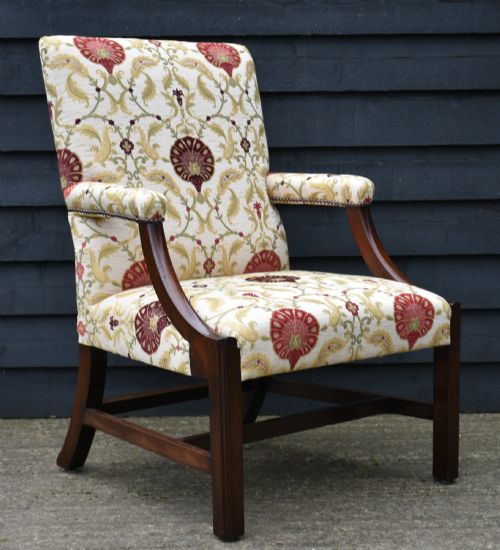
- A wide, upholstered armchair with an open-framed mahogany structure, designed during the Georgian period for writing desks or parlours.
- Wingback armchair
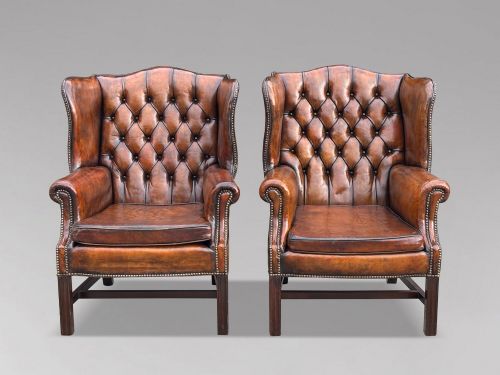
- A seat featuring projecting side panels designed to shield the occupant from draughts while retaining heat from an open fire.
- Carver
- An armchair intended to sit at the head of a dining table, built to match a set of smaller side chairs.
- Parcel-gilt
- A decorative treatment where specific carved portions of a wooden surface are partially gilded with gold leaf.
Antique Studded Chairs: Frequently Asked Questions
Where should I put a club chair?
Club chairs suit studies, libraries, and living rooms where deep seating provides comfort for reading or relaxing.
Their substantial proportions mean they anchor a seating arrangement effectively when paired with smaller occasional tables.
How do I care for old leather?
Leather upholstery benefits from regular dusting and occasional treatment with appropriate conditioning balms to prevent the hide from drying out.
Keeping these chairs away from direct sunlight and heat sources preserves the suppleness and colour of the material.
Are desk chairs comfortable for work?
Many period desk chairs include swivel mechanisms and revolving bases designed for practical utility in offices and libraries.
Their ergonomic design reflects the working habits of past centuries while remaining functional for modern daily use.
Can I mix dining chairs?
Mixing different styles within a dining space creates a layered interior look, especially when pairing carvers with side chairs from similar periods.
Ensuring consistent wood tones or upholstery materials helps tie disparate seating together harmoniously around a table.