

Antique Striped Chair
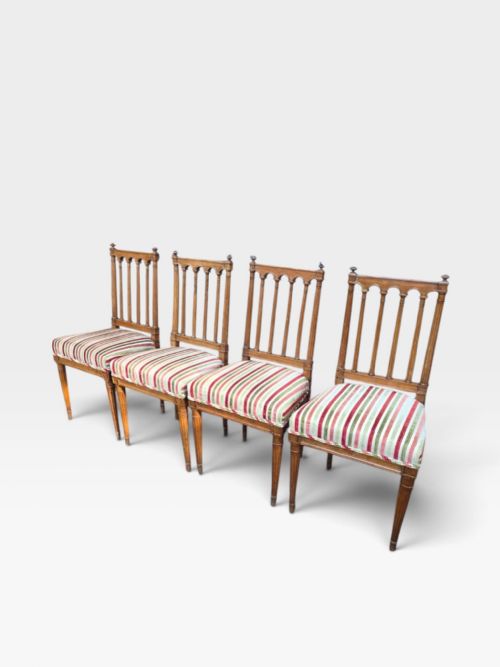
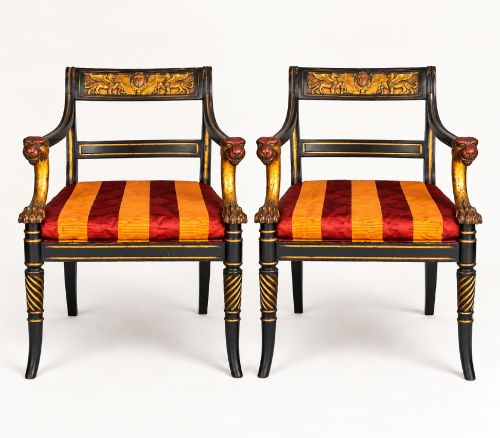
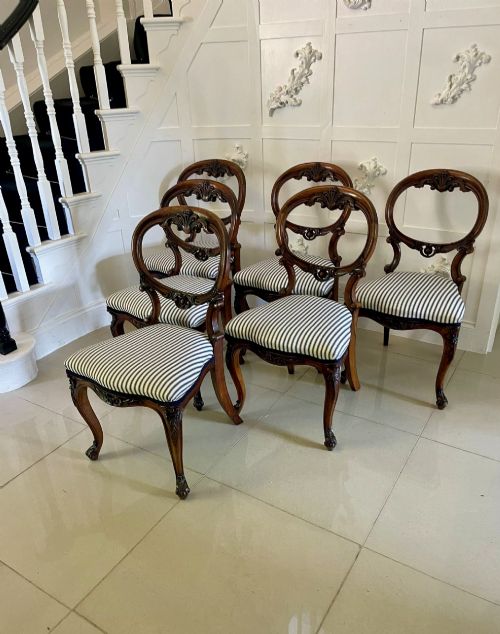
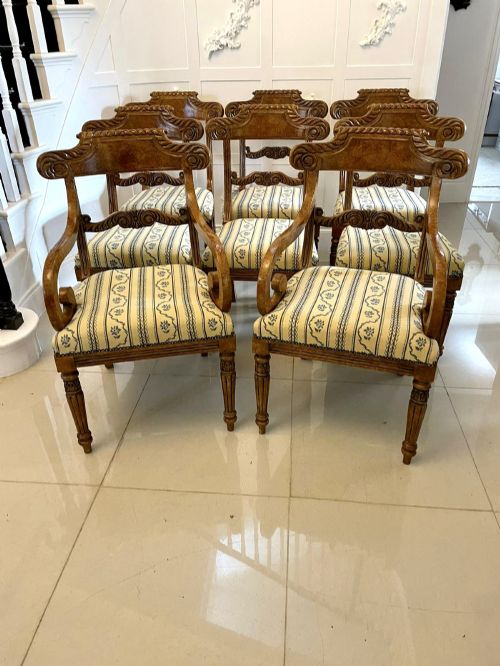
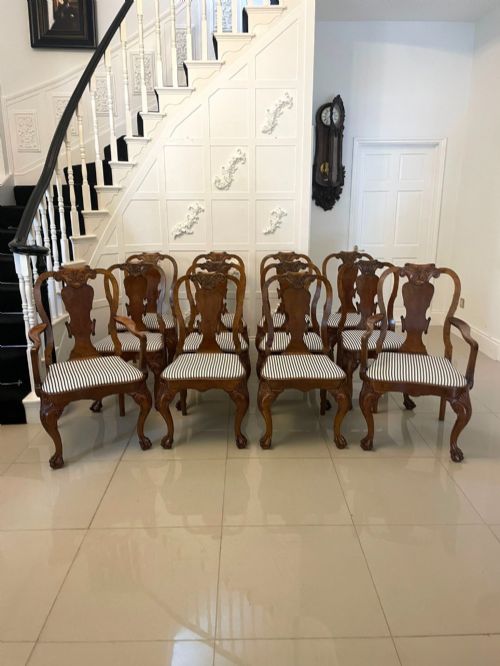
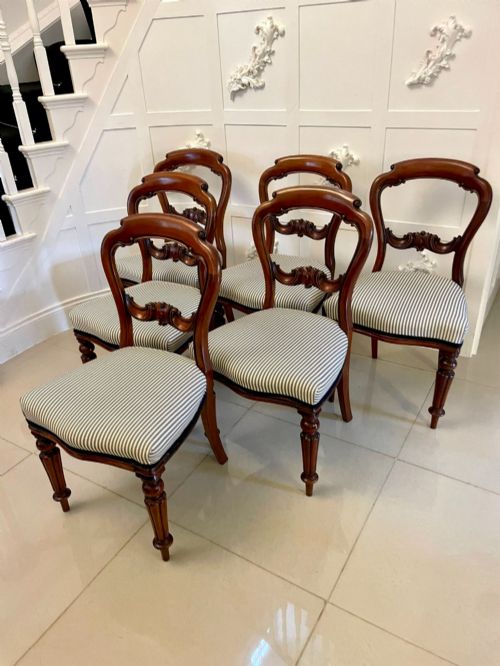
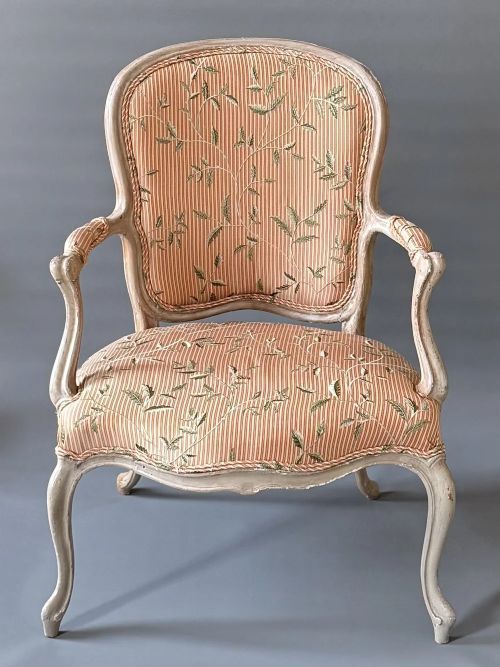
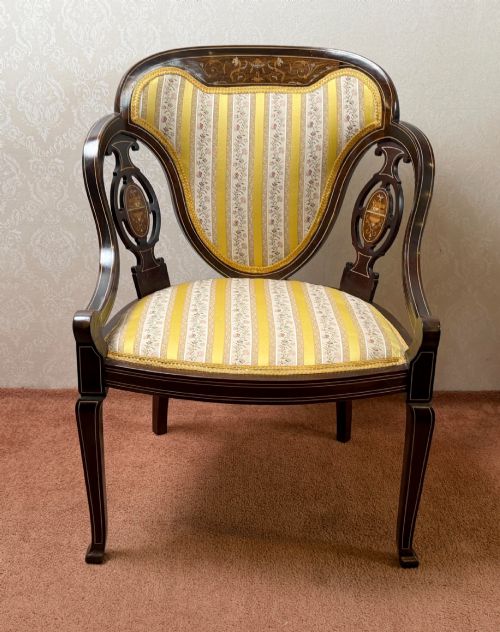
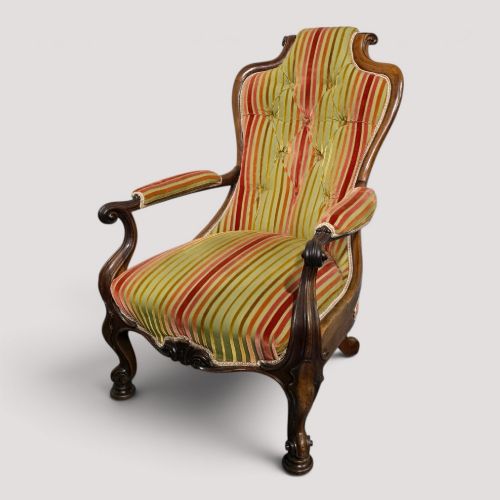
An antique striped chair brings distinct linear pattern and period form to a room, ranging from grand Regency dining seats to French painted salons.
Antique Striped Chair
An antique striped chair encompasses a wide variety of seating forms, including dining chairs, armchairs, carvers, salon chairs, and library bergères. When searching for an antique striped chair, buyers encounter pieces stretching from the 18th century through the Georgian, Regency, Victorian, and Edwardian eras.
The material framing these seats typically consists of mahogany, walnut, oak, rosewood, or painted wood. Upholstery fabrics range from traditional silks and velvets to contemporary patterned textiles like Regency stripe.
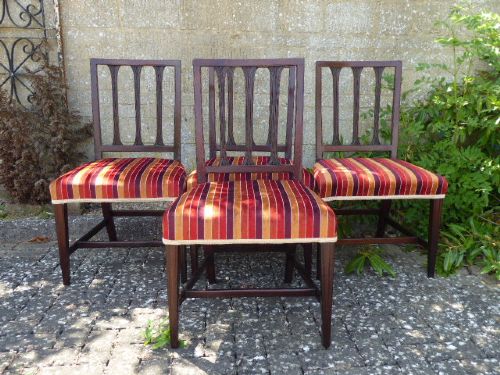
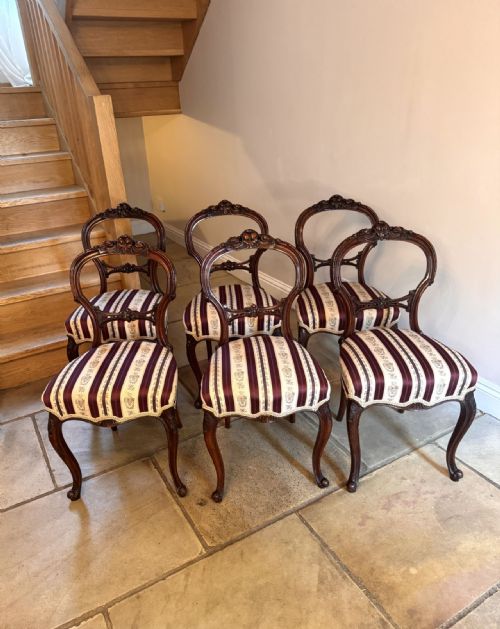
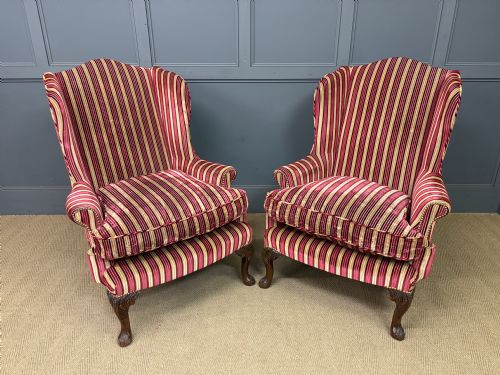
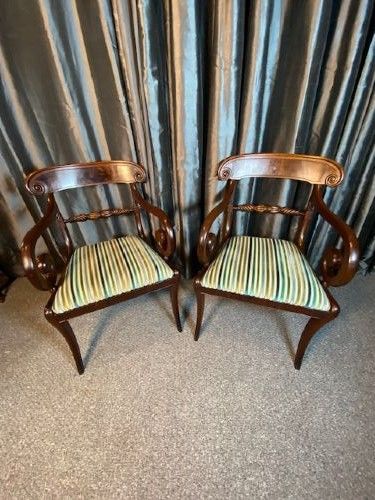
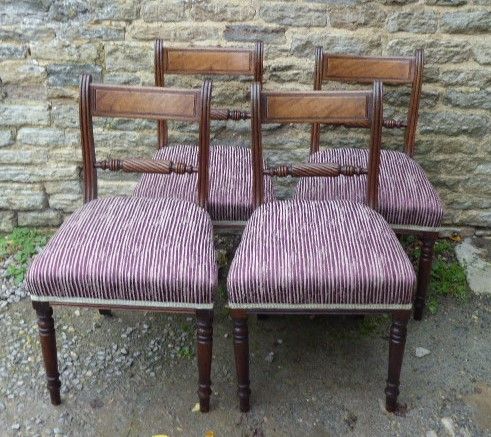
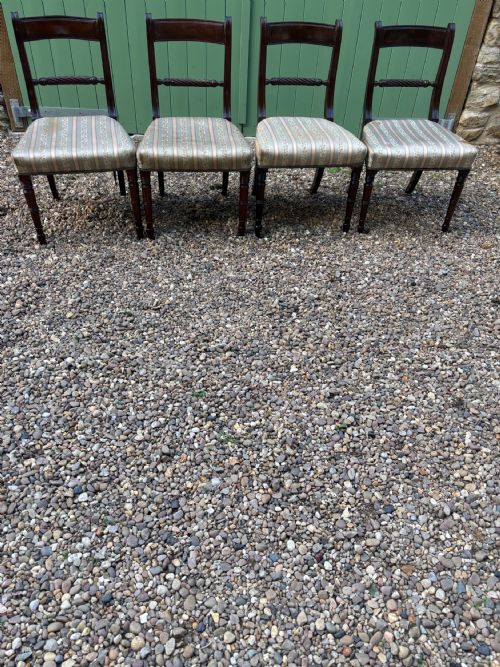
The pieces on this page span formal dining suites, pairs of carvers, and individual easy chairs. Styles run from British Georgian and Regency to French Louis XVI and Baroque designs.
Materials and construction methods
Timbers such as solid mahogany, walnut, and rosewood form the structural frames of these seats, often shaped with carved details, inlay, or giltwood finishes. Oak appears in earlier or regional frames, while some French salon chairs utilise painted wood.
Joinery methods rely on traditional cabinet-making techniques to secure legs, backs, and armrests. Upholstery fabrics are fixed over padding, with specific examples featuring specialised silk or velvet treatments.
Antique Striped Chair Retail Price Guide 2026
Typical asking prices for striped chair among the pieces listed under this phrase on Sellingantiques today, from the lower quarter to the upper quarter. They describe what is for sale here now, not the wider market.
Listings feature mahogany, walnut, oak, and rosewood frames paired with diverse textiles including silk, velvet, and standard upholstery fabric.
Distinguishing quality across periods
Quality separates through the crispness of timber carving, the selection of figured veneers such as burr walnut or birds-eye maple, and the integrity of the underlying frame construction. Finer pieces demonstrate superior joinery and balanced proportions across suites or pairs.
The choice of upholstery material and the precision of its application also differentiate the range. High-tier examples feature period-appropriate or premium branded textiles that complement the architectural style of the wood frame.
COLEFAX AND FOWLER
The Antique Striped Chair Glossary
- Bergere
- An enclosed upholstered armchair with wooden framing exposed around the sides and back. It often includes a cane or upholstered panel.
- Carver
- An armchair designed to match a set of dining chairs, typically placed at the head of a table. These pieces feature wider proportions to accommodate seating comfort.
- Fauteuil
- An open-arm armchair originating in France, characterised by upholstered back and arm pads with exposed wooden arms. The style reflects various classical European periods.
- Regency stripe
- A vertical linear pattern commonly associated with furniture from the Regency era. This textile design provides a formal, balanced visual contrast to carved wooden frames.
Antique Striped Chair: Frequently Asked Questions
How do I identify a Regency striped chair?
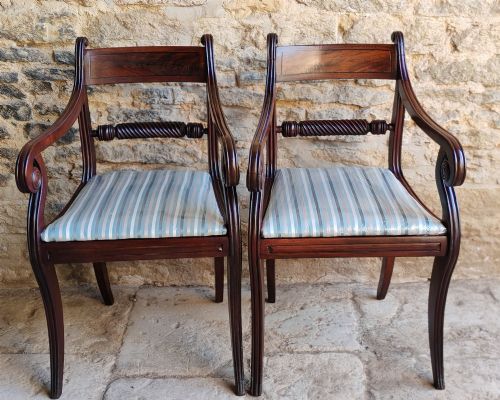
Regency chairs typically feature dark timbers like mahogany or rosewood, sometimes accented with brass inlay or reeded legs. Their upholstered seats frequently display linear patterns.
Look for classical architectural influences and sabre legs which define the period's distinct silhouette.
Can I use these chairs for daily dining?
Many solid mahogany and walnut dining sets from the Georgian and Victorian periods remain sturdy enough for regular use. Their robust frame construction supports everyday seating requirements.
Ensure the joints remain tight and the upholstery provides adequate support before placing them into active service.
What is the difference between a carver and an armchair?
A carver is specifically built to match a set of dining chairs, featuring armrests while maintaining a height and scale suitable for a table. Standard armchairs are generally deeper and designed for lounging in a library or drawing room.
Dining suites often include two carvers and several side chairs.
How do I care for antique wood and upholstery?
Protect wooden frames from direct sunlight and fluctuating humidity to prevent the timber from drying or cracking. Regular dusting with a soft cloth preserves the polished finish.
Upholstered surfaces benefit from gentle professional cleaning to protect delicate textiles like silk or velvet.