




Antique Street Scene Painting
An antique street scene painting captures the movement and architecture of historic urban life through the eyes of past artists.
Antique Street Scene Painting
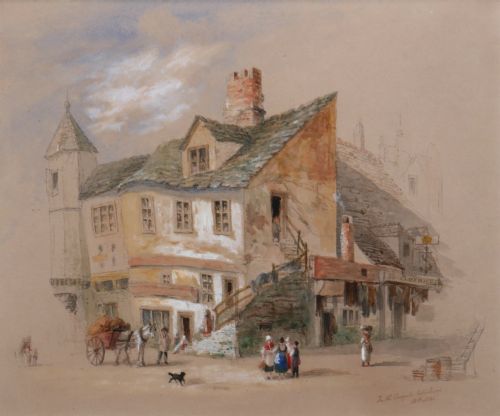
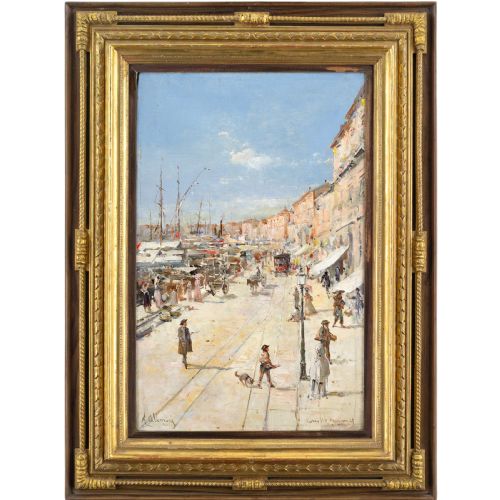
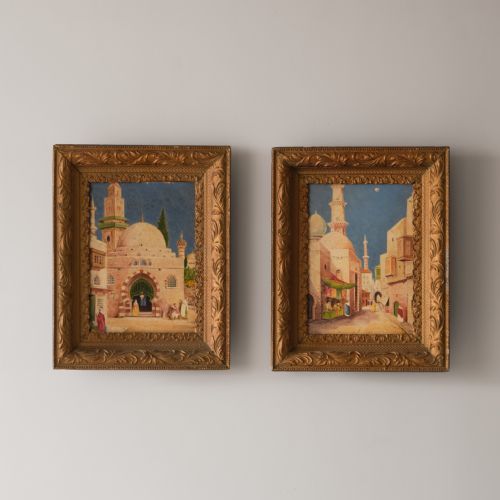
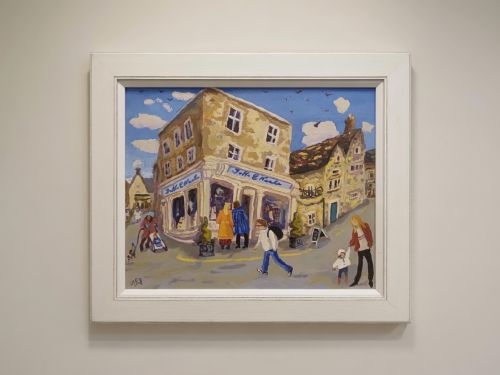
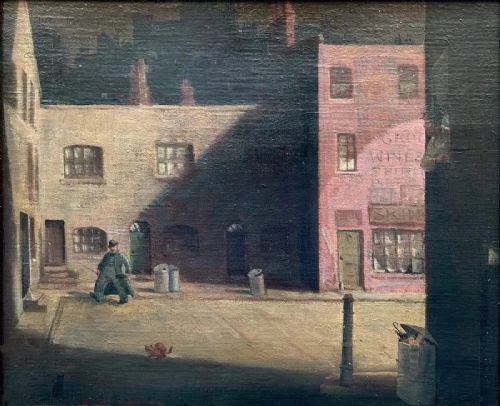
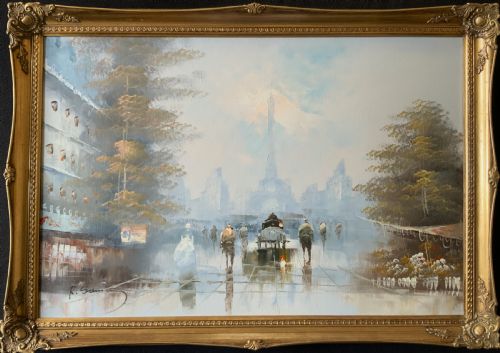
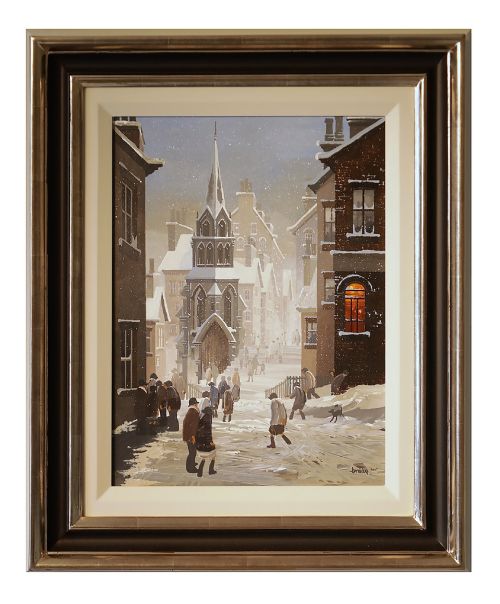
The antique street scene painting focuses on urban views, townscapes, and market places from the nineteenth and early twentieth centuries. These works record daily life, local architecture, and bustling thoroughfares in Britain and across continental Europe.
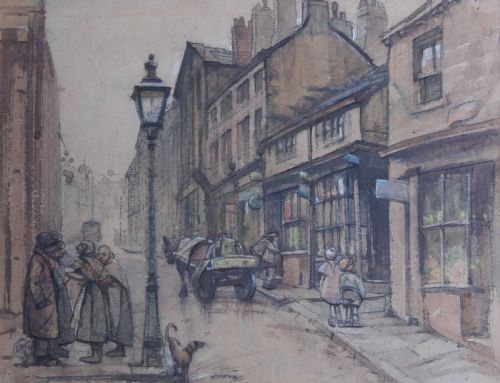
Buyers regularly encounter watercolours on paper and oil paintings on canvas or board dating from the Victorian and Edwardian periods up to the 1940s. Many pieces feature named locations, ranging from London and Yorkshire streets to Parisian boulevards and Italian towns.
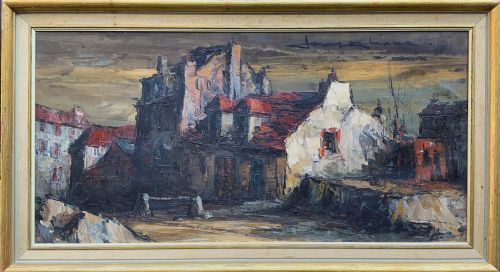
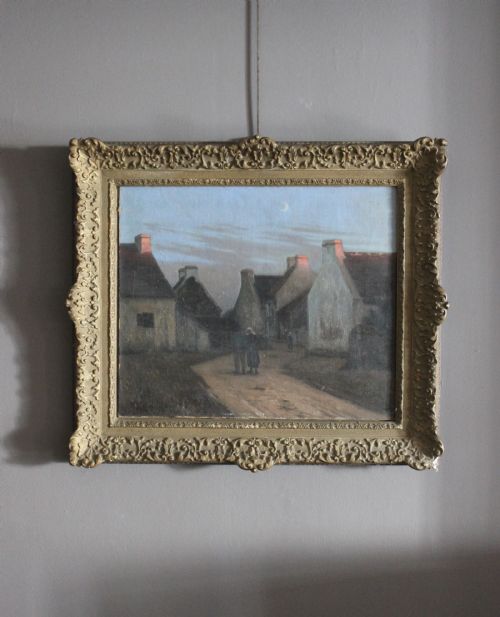
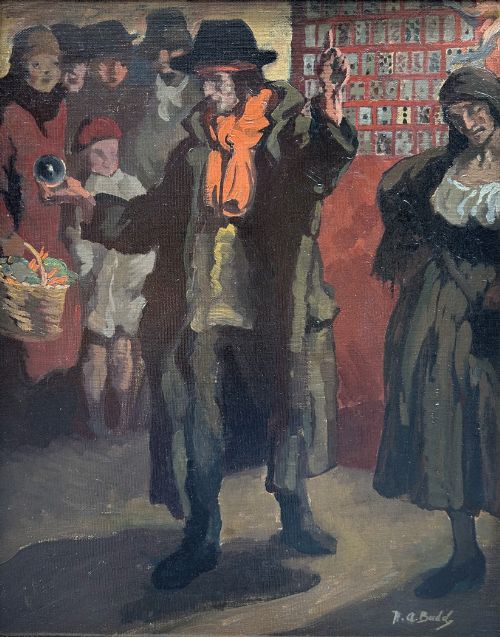
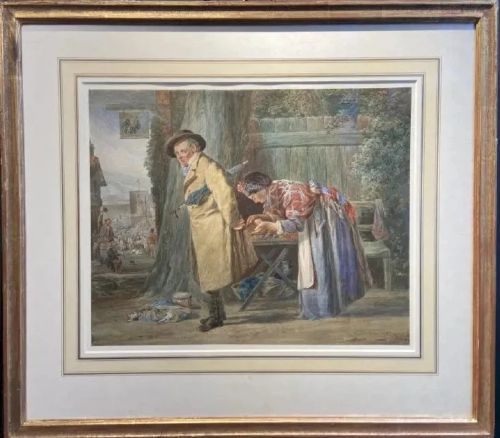
The selection includes atmospheric moonlight scenes, genre watercolours with figures and carts, and architectural views executed in impressionist, post-impressionist, and naïve styles.
Materials and methods
Artists painted these urban views primarily using oil paint on canvas or wooden board, or applied watercolours and pastel onto paper. Canvas works often show heavier textures built up by the brush, while watercolours rely on the white of the paper to catch the light.
Framing typically involves giltwood frames that protect the works behind glass for watercolours or leave oil paintings exposed to the air. Support materials range from sturdy paper sheets to stretched canvas secured on wooden frames.
Antique Street Scene Painting Retail Price Guide 2026
Typical asking prices for street scene painting among the pieces listed under this phrase on Sellingantiques today, from the lower quarter to the upper quarter. They describe what is for sale here now, not the wider market.
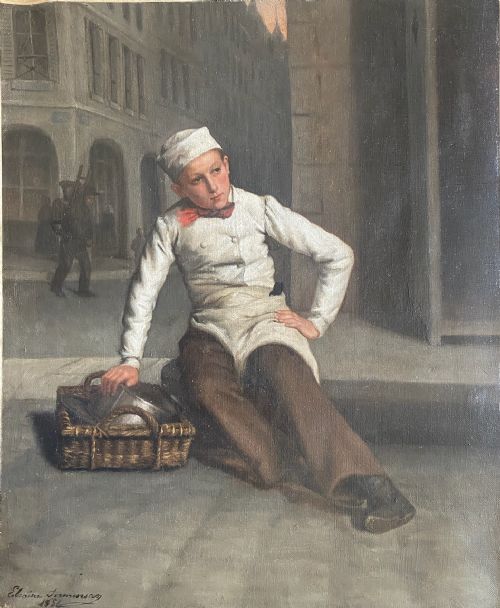
Several street scenes capture rain-slicked cobblestones and weary apprentice cooks resting by market stalls.
Assessing quality
The strength of the composition and the artist's ability to render human figures and architectural perspective separate individual pieces. Skilled brushwork or confident watercolour washes bring movement and atmosphere to markets and street corners.
The handling of natural light, such as morning bustle or evening gloom, determines the visual depth of the urban landscape. Works by recognised exhibition artists or named painters show a surer command of tone and place than anonymous studio pieces.
Felix Stone Moscheles·Augusto Alberici·Herbert Ashwin Budd·Victor Gabriel Gilbert·Eduard Leon Cortes
The Antique Street Scene Painting Glossary
- Watercolour
- A paint consisting of pigment suspended in a water-soluble vehicle, usually applied to paper. It allows for transparent washes and delicate atmospheric effects.
- Giltwood
- Wood that has been coated with gold leaf or a gold-coloured finish. This material is commonly found on antique frames surrounding fine art.
- Genre painting
- The pictorial representation of scenes or events from everyday life, such as markets, street sellers, and domestic interiors.
- Post-Impressionism
- An art movement developing roughly from the late nineteenth century that extended impressionism while rejecting its limitations. Artists emphasised symbolic motifs and expressive brushwork.
- Oil on canvas
- Pigment mixed with an oil medium applied to a stretched fabric surface. This combination provides rich colour depth and durability.
Antique Street Scene Painting: Frequently Asked Questions
What periods do these paintings cover?
The available works span the nineteenth century, the Victorian and Edwardian eras, and run through the 1920s, 1930s, and 1940s.
Most pieces date from periods where urban industrial growth and European travel inspired artists to record historic streetscapes.
Where were these street scenes painted?
Artists painted locations across Britain, including London, York, Whitby, and Liverpool. Continental subjects from France, Italy, Spain, and Belgium also appear frequently.
Many works explicitly name towns, cathedrals, or specific markets in their titles or inscriptions.
How should I display a watercolour?
Watercolours on paper require protection from direct sunlight to prevent the pigments and paper from fading over time. Hanging them behind glass with conservation mounts preserves the delicate washes.
Keeping them away from damp environments ensures the paper and backing boards remain stable.
What is the difference between oil and watercolour?
Oil paintings use slow-drying paint on canvas or board, creating rich textures and deep tones that do not require glass protection. Watercolours use pigment on paper, offering lighter, more transparent effects.
Oils are generally heavier and arrive within robust giltwood frames.