




Antique Store Fitting
An antique store fitting holds the history of trade, offering robust utility and character through timber counters, cabinets, and drawers.
Antique Store Fitting
When you search for an antique store fitting, you encounter commercial furniture built to withstand generations of retail use. The selections here span the nineteenth century, Edwardian era, and the 1920s to 1930s, reflecting the practical needs of past merchants.
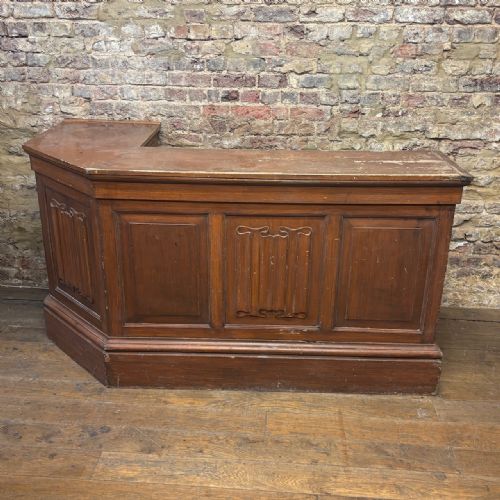
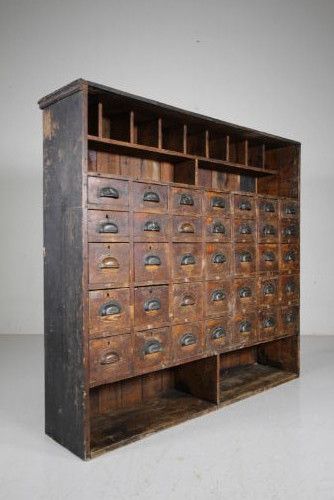
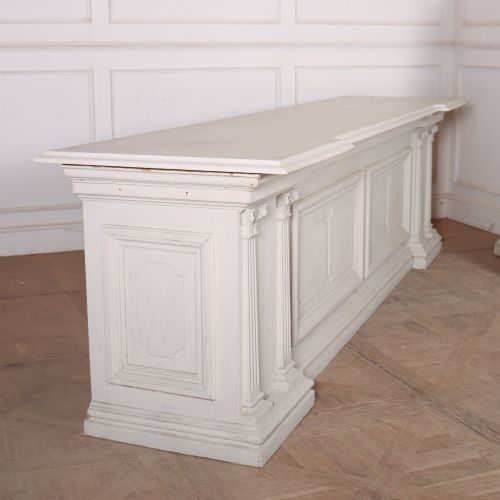
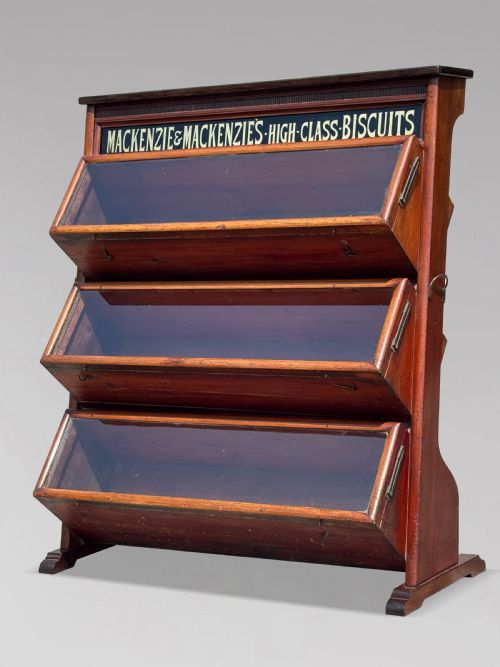
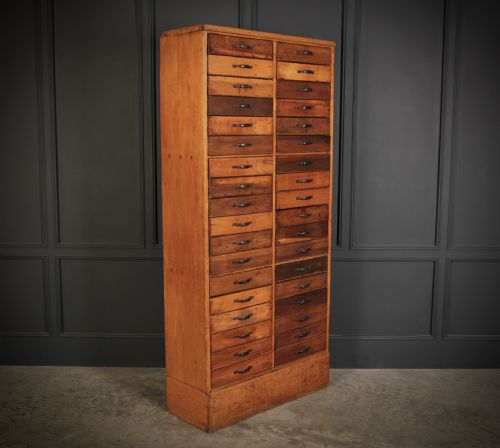
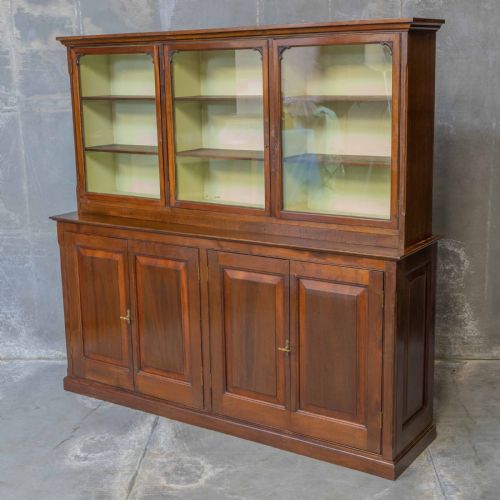
The most common forms on this page include shop counters, display cabinets, haberdashery chests, and banks of drawers. These pieces served grocery stores, drapers, and commercial premises before finding new life in modern interiors.
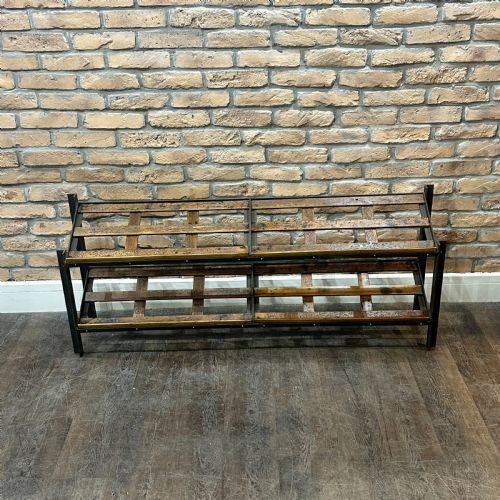
Materials range from sturdy oak, mahogany, pine, and fruitwood to brass, glass, cast iron, and metal. Styles stretch from Victorian commercial and industrial to Edwardian, Art Deco, and French country.
How they were made
Makers utilised dense timbers like oak, mahogany, and pine to construct heavy-duty frames capable of holding vast quantities of stock. Joints were cut to bear the daily weight of goods, drawers, and heavy customers leaning over counters.
Glass panels were integrated into brass-framed or timber display counters to protect merchandise while maintaining visibility. Metal hardware, iron brackets, and cast-iron components provided structural reinforcement to high-stress areas.
Some counters still bear the slight downward slope worn by decades of leaning customers and bustling shopkeepers.
What varies in quality
Quality rests upon the selection of timber, the integrity of the original hardware, and the sophistication of the joinery. Denser hardwoods like mahogany and oak generally indicate a higher grade of commercial commission than softer pine.
Retaining original details such as adjustable feet, brass framing, and period glass separates standard utilitarian furniture from finer architectural examples. The harmony between painted surfaces, exposed grain, and structural soundness dictates the standing of each piece.
Saml. Elliott & Sons
The Antique Store Fitting Glossary
- Haberdashery cabinet
- A multi-drawer storage unit originally used in drapery shops to organise small sewing goods and ribbons. These pieces often feature glass-fronted drawers or shallow trays.
- Shop counter
- A large commercial table or barrier behind which merchants served customers. They frequently incorporate display glazing, banks of drawers, or panelled timber construction.
- Toleware
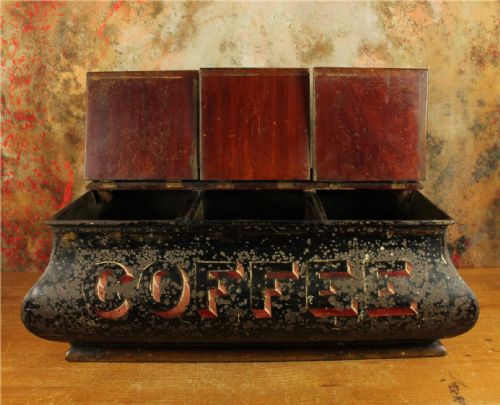
- Painted or japanned metalware commonly used for domestic and commercial storage in the nineteenth century. These items include decorated boxes and tin compartments.
- Coopered
- A method of construction using tapered staves bound together with metal bands, traditionally utilised for barrels, buckets, and bins. This technique provides immense structural strength to round vessels.
- Display cabinet
- A glazed piece of furniture designed to showcase merchandise or private collections securely. They utilise wood and metal framing to support expansive glass viewing areas.
Antique Store Fitting: Frequently Asked Questions
What is an antique store fitting?
An antique store fitting is a piece of commercial furniture built for nineteenth and early twentieth-century retail environments. These items include counters, haberdashery chests, and display cabinets designed for heavy daily trade.
They bring functional storage and industrial character into contemporary spaces, serving as kitchen islands, sideboards, or display units.
How do I date a shop counter?
Dating a shop counter involves examining the timber species, construction methods, and hardware used in the frame. Victorian examples often feature heavy mahogany or pine with hand-cut joinery, while 1930s pieces incorporate bronze or specific brass framing.
Makers' plates, patent numbers, and regional styles also help place a fitting within the nineteenth century, the Edwardian period, or the interwar decades.
Are shop fittings suitable for homes?
Commercial furniture translates exceptionally well into residential settings due to its robust construction and high utility. Haberdashery drawers organise clothing or kitchen utensils, while large shop counters function as durable preparation surfaces.
Their practical origins mean they offer deep storage capacities and solid timber frames that outperform standard modern domestic furniture.
What materials were used?
Makers relied heavily on durable hardwoods like oak and mahogany, alongside pine, fruitwood, and walnut for cabinetry. Structural reinforcement came from brass, iron, metal, and cast-iron components.
Display elements incorporated glass panes, while specific storage items utilised painted finishes, leather, or coopered timber staves.