



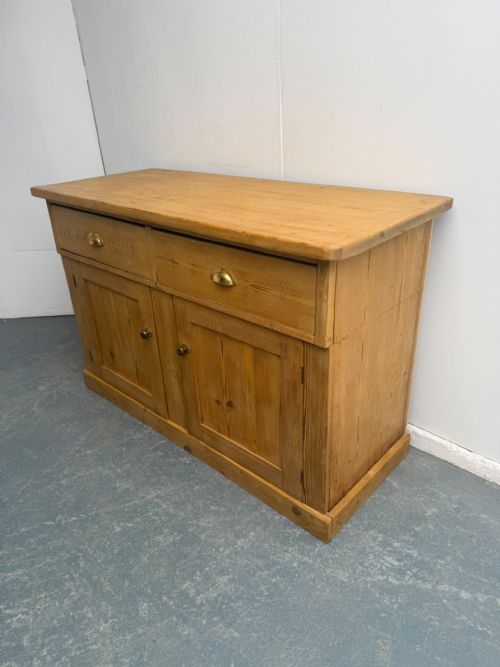


Antique Storage Console
An antique storage console is a practical vessel for household belongings, combining surface display with hidden depth.
Antique Storage Console
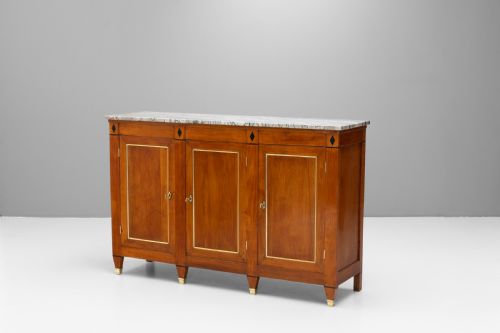
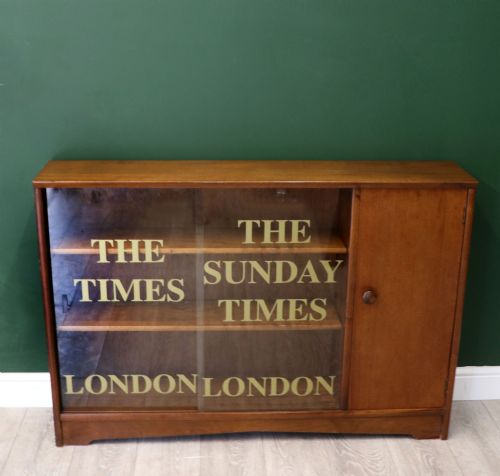
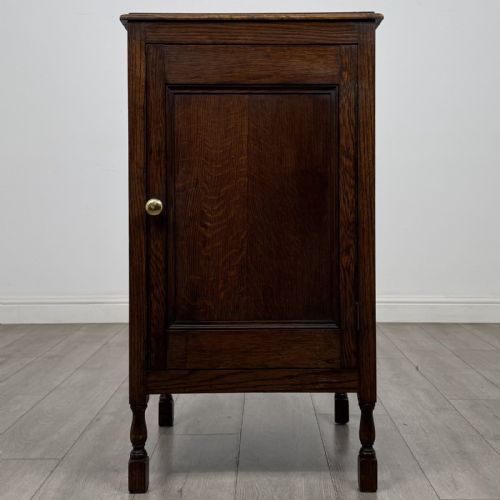
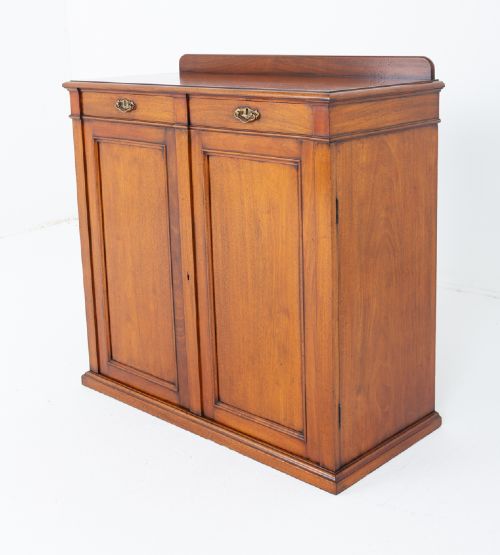
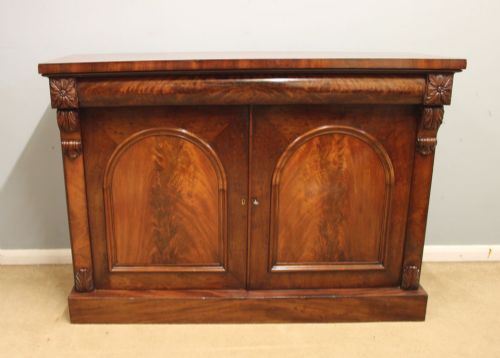
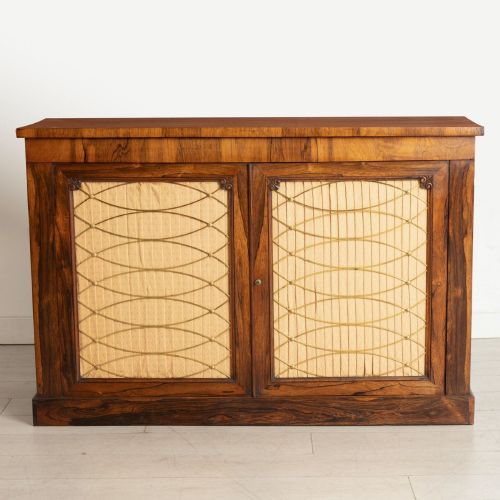
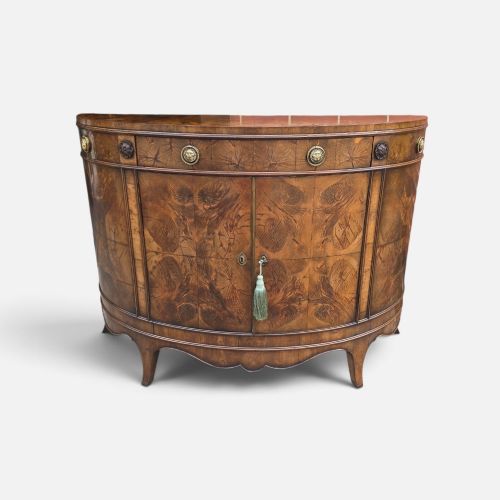
When you search for an antique storage console, you encounter a diverse group of foundational furniture that bridges the gap between open display and enclosed containment. These pieces range from Georgian and eighteenth-century oak dresser bases to Victorian mahogany chiffoniers, side cupboards, and demi-lune cabinets.
The assortment on this page leans heavily toward nineteenth-century production, alongside earlier eighteenth-century examples and twentieth-century revivals. Sideboards, hall stands, commodes, and console tables frequently incorporate hidden compartments, drawers, or door-fronted cupboards beneath a display surface.
Regional and stylistic variations span English oak and mahogany traditions, French marquetry and painted commodes, Biedermeier, and Chinese elm or lacquered small sideboards. You are just as likely to find a Swedish zinc-topped sideboard or a demi-lune console as a sturdy pine dresser base.
Materials and construction methods
Cabinet makers relied primarily on solid timbers such as mahogany, oak, walnut, yew, elm, and pine, often enhancing surfaces with flame mahogany veneer or intricate marquetry. Structural integrity relied on traditional joinery techniques suited to the weight of stone or timber tops.
Marble tops appear frequently on continental and neoclassical demi-lune consoles, paired with ebonised, painted, or polished timber bases. Brass hardware, glass doors, and zinc tops supplement the primary wood constructions across various nineteenth and twentieth-century regional workshops.
Antique Storage Console Retail Price Guide 2026
Typical asking prices for storage console among the pieces listed under this phrase on Sellingantiques today, from the lower quarter to the upper quarter. They describe what is for sale here now, not the wider market.
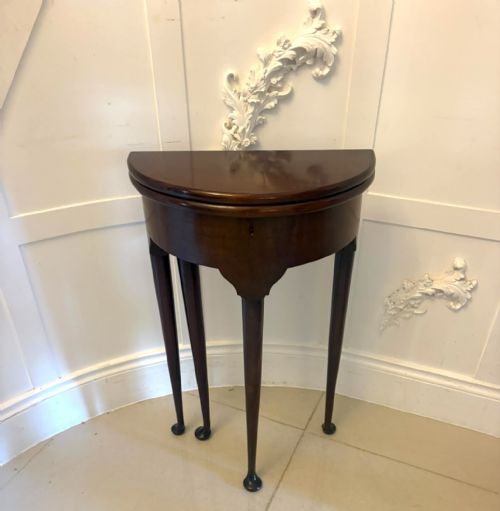
Some tea and lamp tables hide secret compartments, designed for letters or valuables.
Distinctions in construction and finish
Quality resides in the selection of timber figures, such as flame mahogany or figured yew, and the precision of the cabinetmaker's joinery. Superior examples maintain structural balance between heavy tops, such as marble or thick timber, and the supporting carcass without sagging.
The refinement of carved details, intact original hardware like brass handles, and the seamless operation of drawers and concealed compartments separate standard utility furniture from finer stylistic expressions.
Gillow and Co
The Antique Storage Console Glossary
- Demi-lune
- A half-moon shape used for tables and cabinets designed to stand flush against a wall. This profile became particularly popular in neoclassical and revival furniture.
- Chiffonier
- A low sideboard or cabinet, typically Victorian, featuring enclosed shelving and occasionally a raised back or mirror. It served to store tableware and display decorative objects.
- Dresser base
- A sturdy wooden low sideboard with drawers and cupboards underneath a flat top. Originating in earlier centuries, these pieces formed the backbone of rural and domestic storage.
- Commode
- A low French chest of drawers or cabinet with doors. These pieces often feature painted finishes, marquetry, or marble tops.
- Marquetry
- The art of applying pieces of veneer to a structure to form decorative patterns. Cabinet makers utilised contrasting timbers to create pictorial or geometric designs on tabletops and doors.
Antique Storage Console: Frequently Asked Questions
What defines an antique storage console?
An antique storage console is a piece of furniture designed to sit against a wall while providing both a top surface and enclosed storage space. This category encompasses sideboards, demi-lune cabinets, dressers, and commodes from various periods.
These items were built to hold household goods, tableware, or linens while offering a surface for lamps, mirrors, or decorative displays.
Where were these consoles typically placed?
Historically, these consoles and side cabinets stood in dining rooms, hallways, and parlours. Hall stands greeted visitors near an entryway, while sideboards and chiffoniers resided in dining spaces.
Their shallow depths, particularly in demi-lune formats, allowed them to occupy corridors and reception rooms without obstructing walkways.
How do I distinguish between periods?
Period identification relies on timber selection, hardware, and stylistic motifs such as Jacobean carving, Sheraton curves, or Victorian mass and proportion. Eighteenth-century pieces often display heavy oak construction, while nineteenth-century items frequently utilise mahogany, rosewood, and elaborate veneers.
Construction methods inside drawers and cabinet backs also provide clues to the age and regional origin of the piece.
How do I live with an antique console?
Living with these pieces involves balancing their historical character with modern domestic needs, utilising their interior cupboards and drawers for everyday storage. Their durable timber and stone surfaces accommodate lamps, books, and objects.
Positioning them against stable interior walls protects them from extreme temperature shifts that affect antique veneers and solid woods.