





Antique Stone Reliefs
Antique stone reliefs are carved sculptural panels bringing centuries of classical mythology, religious devotion and portraiture straight onto your interior walls.
Antique Stone Reliefs
Antique stone reliefs are sculptural carvings projecting from a flat background surface, designed primarily as wall plaques, architectural fragments and decorative panels. When you search for antique stone reliefs, you encounter pieces rendered in sandstone, marble, lava stone and terracotta from periods spanning the medieval era through to the nineteenth century.
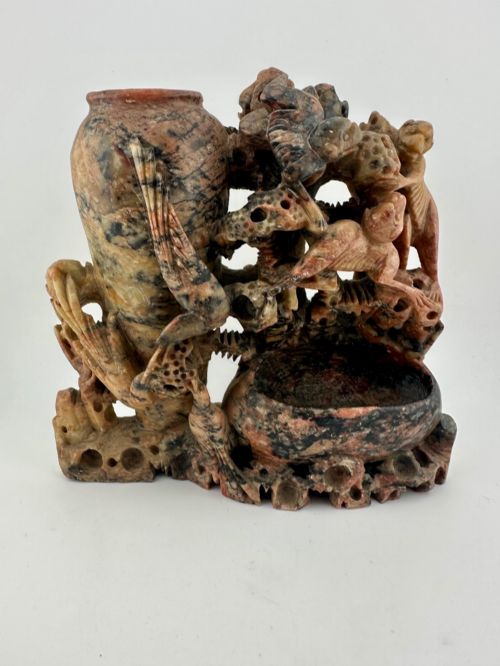
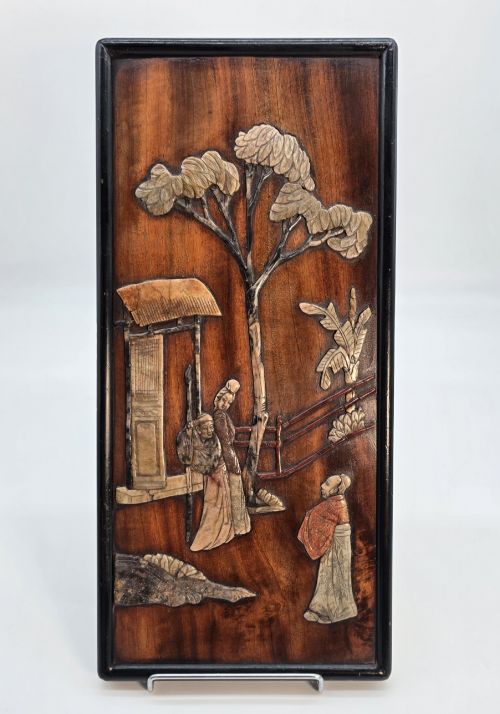
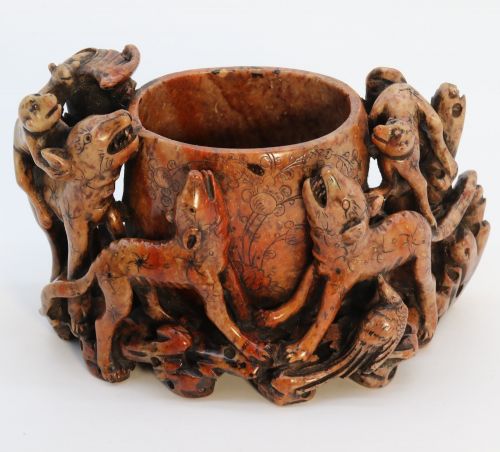
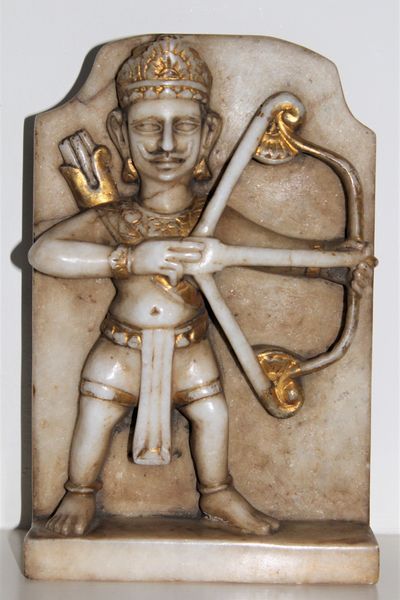
The selection here encompasses diverse regional traditions, including Italian Grand Tour marble profiles of Roman emperors, Northern Indian sandstone deities, Chinese soapstone carvings and Gothic religious subjects. Wall plaques and sculptural panels dominate the forms, offering distinct narratives from classical, Victorian and medieval makers.
These works function as focal points in a room, bridging the gap between flat paintings and freestanding sculpture. Collectors select them to anchor an interior scheme with tangible history and tactile depth.
Materials and carving techniques
Surface treatments vary according to origin, with some pieces retaining the smooth polish characteristic of Grand Tour souvenirs while others display the weathered patination of architectural stonework and garden urns. Secondary materials like slate, wood, glass and plaster occasionally appear in allied plaques, brooches and display sets.
Antique Stone Reliefs Retail Price Guide 2026
Typical asking prices for stone reliefs among the pieces listed under this phrase on Sellingantiques today, from the lower quarter to the upper quarter. They describe what is for sale here now, not the wider market.
Listings feature marble, sandstone, lava stone and terracotta across Neoclassical, Victorian, Gothic Revival and Chinese styles.
Evaluating sculptural quality
Quality rests entirely in the anatomical precision of the carving, the depth of the relief work and the expressive clarity of the figures. Superior pieces demonstrate confident handling of drapery, musculature and facial expression, whether depicting classical deities, saints or Roman emperors.
The integrity of the stone surface and the ambition of the composition separate exceptional carvings from simpler decorative fragments. Signed works and items with well-documented provenance carry distinct authority compared to anonymous architectural remnants.
Kasper Hendrik Roskam
The Antique Stone Reliefs Glossary
- Bas-relief
- A sculptural technique where the figures project only slightly from the background plane. This shallow carving style is frequently seen in classical portrait profiles and architectural wall panels.
- Grand Tour
- A cultural journey undertaken by wealthy young Europeans in the eighteenth and nineteenth centuries. Souvenirs from these travels included carved marble and lava stone cameo reliefs of Roman emperors.
- Keystone
- The central wedge-shaped stone at the summit of an arch that locks the other stones in place. Architectural examples often feature carved armorial designs or dates.
- Marble dust
- A composite material formed from crushed marble mixed with a binder. This substance is moulded into relief sculptures to replicate the appearance of carved stone.
- Sandstone
- A sedimentary rock composed mainly of sand-sized minerals or rock grains. It appears in medieval religious carvings and regional architectural keystones.
Antique Stone Reliefs: Frequently Asked Questions
What is an antique stone relief?
An antique stone relief is a piece of sculpture where figures or ornaments are carved into a solid stone background, causing them to stand out from the surrounding surface. These works range from small framed portrait plaques to significant architectural fragments.
They were traditionally created to decorate walls, furniture and buildings, offering both narrative illustration and decorative texture.
How were stone reliefs displayed originally?
Historically, stone reliefs were built directly into interior and exterior walls of public buildings, religious sites and private residences as architectural elements or memorials. Smaller carved panels and Grand Tour souvenirs were later mounted in frames or displayed on desks and shelves.
Today, collectors typically hang wall plaques securely using appropriate masonry fixings or display them on dedicated stands.
How do I identify the period of a stone relief?
Dating relies on stylistic clues, costume details, subject matter and the specific type of stone or marble used in the carving. Neoclassical and Grand Tour pieces often mimic ancient Roman models, while Victorian and Gothic Revival works reflect the aesthetic interests of the nineteenth century.
Comparing the tool marks, weathering and mounting style also helps establish the approximate age of the piece.
Are stone reliefs suitable for outdoor display?
Suitability for outdoors depends entirely on the specific stone material and its historical context. Dense sandstones and terracotta garden pieces generally withstand exterior conditions, whereas delicate marbles and indoor wall plaques are best kept protected within a stable climate.
Consulting the specific material composition ensures the stone is not damaged by frost, moisture or direct exposure to the elements.