






Antique Stone Pillars
Antique stone pillars bring architectural gravity to a room, offering tactile permanence through centuries of weathering and carving.
Antique Stone Pillars
Antique stone pillars encompass structural elements, pedestals, and decorative obelisks hewn from durable geological materials. When searching for antique stone pillars, buyers encounter both monumental architectural salvage and smaller decorative columns intended for display. The selection ranges from robust staddle stones and granite pillar caps to finely turned marble columns and carved limestone capitals.
Pieces from the nineteenth century predominate, alongside eighteenth-century vernacular examples and early twentieth-century decorative pieces. Forms vary widely from classical revival orders to rustic vernacular staddle stones once used to support granaries. Buyers will find items originating from English, French, and Italian traditions, utilising materials suited to both interior display and garden placement.
How they were made
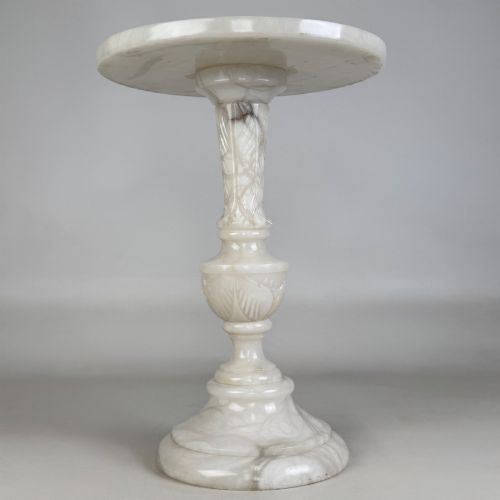
Masons shaped these items using traditional hand-carving techniques on hard stone, sandstone, limestone, and granite. Architectural capitals and columns display intricate chiseling on materials like alabaster and hard marble, requiring skilled stonecutting by hand.
Natural weathering accumulates over decades, leaving surfaces marked by moss and lichen on outdoor pieces like staddle stones and pillar caps. Interior decorative objects often feature polished marble, onyx, and specimen stones finished with smooth surfaces.
Antique Stone Pillars Retail Price Guide 2026
Typical asking prices for stone pillars among the pieces listed under this phrase on Sellingantiques today, from the lower quarter to the upper quarter. They describe what is for sale here now, not the wider market.
Listings feature items spanning from the 18th century through the 1950s, utilising stone, sandstone, granite, limestone, and various decorative marbles.
What varies in quality
Quality rests upon the crispness of the stone carving and the geological character of the material itself, whether dense granite, figured marble, or fine sandstone. Pieces with deeply undercut capitals and well-proportioned fluting demand a higher level of stonemasonry skill.
The integrity of the material matters greatly, distinguishing solid carved stone and marble from composite forms. Surface patination, organic weathering such as lichen growth, and original architectural context contribute to the visual distinction of each piece.
The Antique Stone Pillars Glossary
- Staddlestone
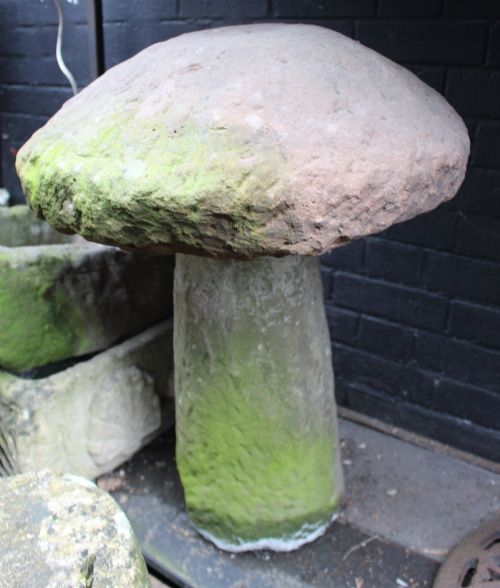
- A mushroom-shaped stone support formerly used to elevate granaries above damp ground and deter pests. These vernacular garden items typically feature a heavy cap and a separate base.
- Obelisk
- A tall, four-sided, narrow tapering monument which ends in a pyramid-like shape at the top. Smaller decorative versions utilise materials such as Ashford marble and Egyptian onyx.
- Capital
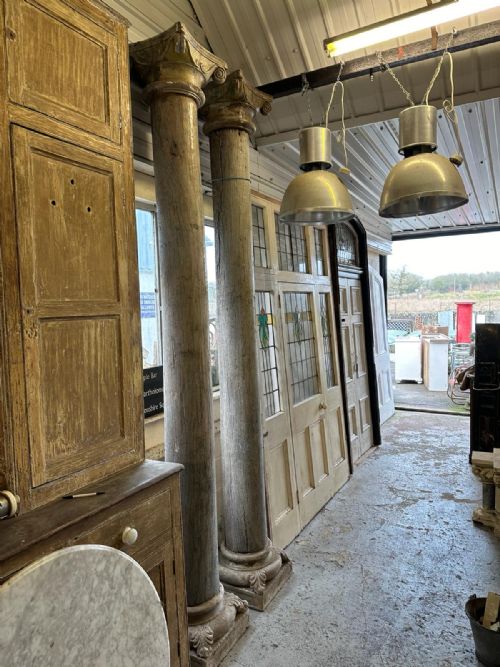
- The uppermost member of a column, serving as a decorative transition between the shaft and the load. Examples include classical Corinthian and Ionic orders carved from limestone or stone.
- Architectural Salvage
- Building elements recovered from demolished structures for reuse in new settings. This category includes granite pillar caps and stone columns.
- Verde Antico
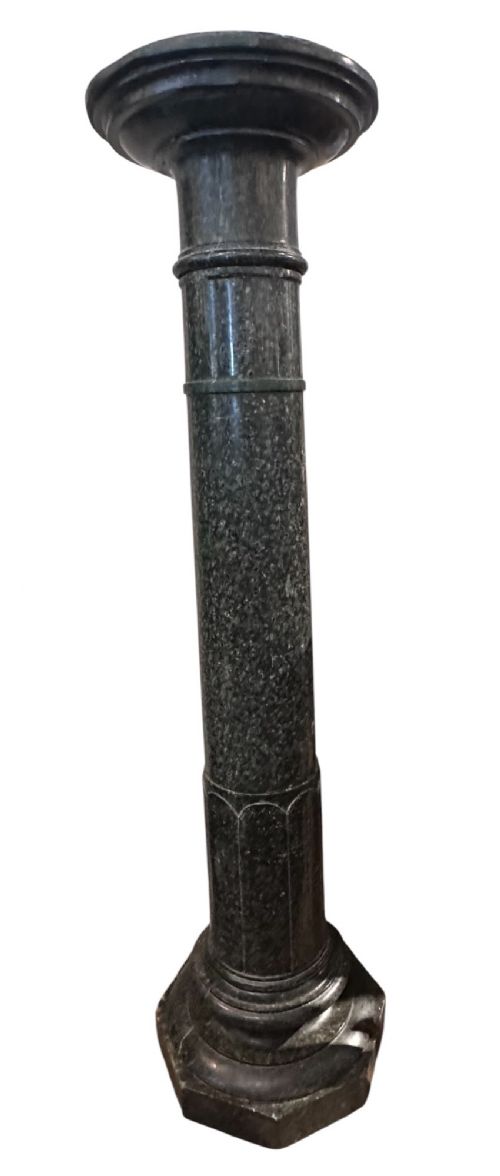
- A dark green serpentine marble historically quarried in Greece and Italy. It is frequently seen in turned columns and decorative architectural supports.
Antique Stone Pillars: Frequently Asked Questions
How do I use stone pillars indoors?
Smaller columns, pedestals, and marble obelisks function effectively as display stands for sculpture or art objects within domestic rooms. They add height and architectural structure to interior spaces without requiring permanent structural installation.
Larger architectural capitals and half-columns can be mounted against walls or displayed freestanding as sculptural artefacts. Their heavy mass requires stable placement on secure flooring.
Can these stone pillars go outside?
Granite pillar caps, staddle stones, and certain sandstone items are naturally suited to exterior garden placement due to their durable geological composition. These items withstand weathering and often acquire organic patination like moss over time.
Polished interior marbles and softer alabaster pieces are vulnerable to frost and moisture damage. They should remain indoors to preserve their polished surfaces and fine carving.
How do I identify the stone type?
Examination of grain, weight, and surface texture helps distinguish between granites, sandstones, limestones, and marbles. Granites and hard limestones show heavy crystalline or granular structures, whereas marbles often display veining.
Specialist stones like Ashford marble or Egyptian onyx possess distinct colorations and polish that separate them from standard architectural stone. Natural weathering such as lichen helps confirm age on outdoor stone.
What is a staddle stone used for?
Historical staddle stones served as functional supports for agricultural granaries and hayricks, keeping stored grain dry and safe from rodents. The wide cap prevented vermin from climbing the pillar into the timber structure above.
Today, these stone assemblies are repurposed as garden ornaments and focal points in landscape design. They are valued for their rustic vernacular form and age-worn texture.