

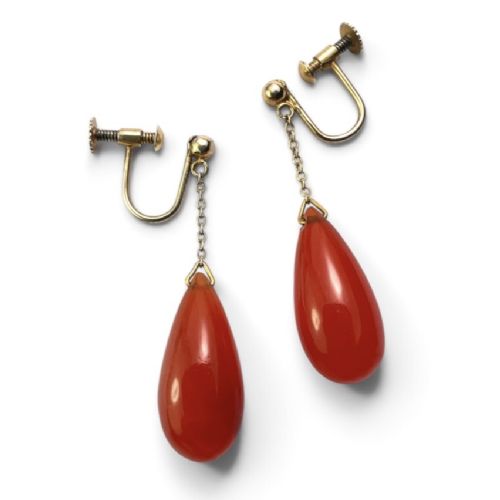
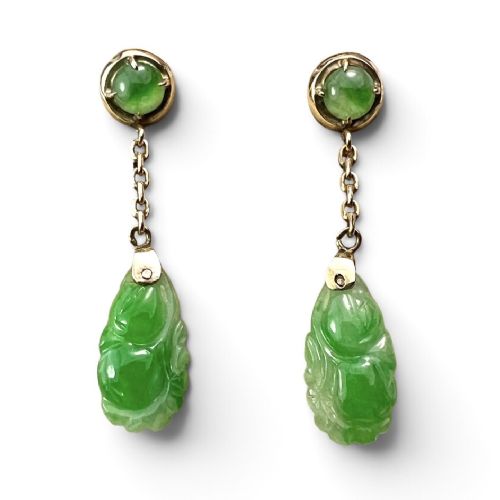
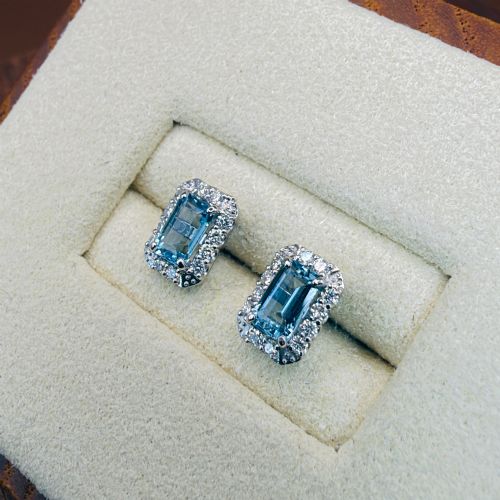
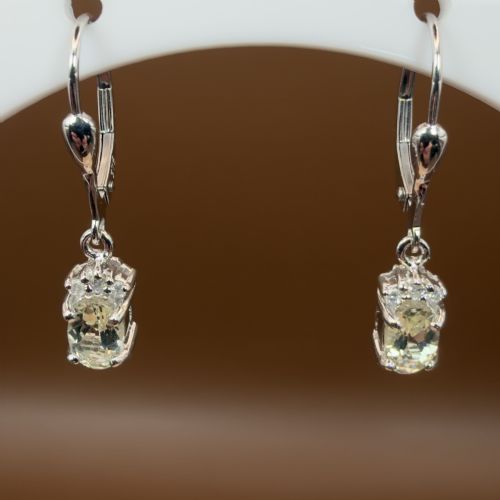
Antique Stone Earrings
These antique stone earrings span centuries of lapidary work, offering enduring colour and character that modern jewellery rarely matches.
Antique Stone Earrings
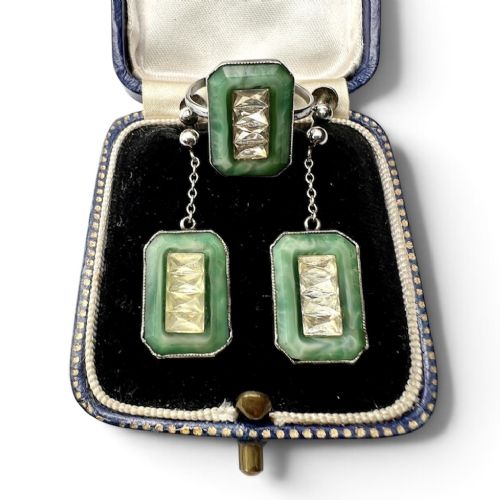
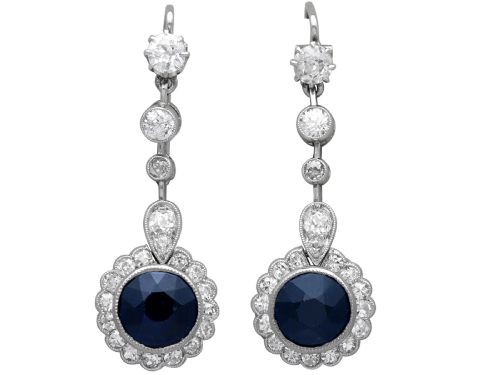
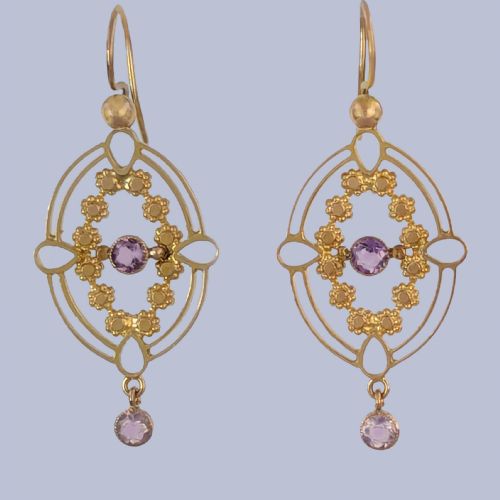
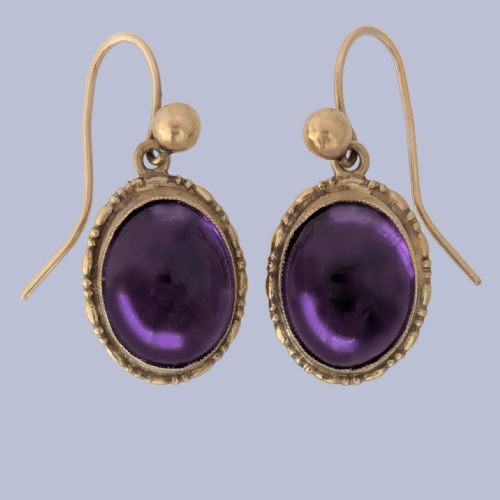
When you search for antique stone earrings, you encounter an array of precious and semi-precious minerals set in precious metals across distinct historical periods. These range from Georgian flat-cut amethysts and Victorian malachite to Edwardian amethyst drop designs and geometric Art Deco platinum mountings.
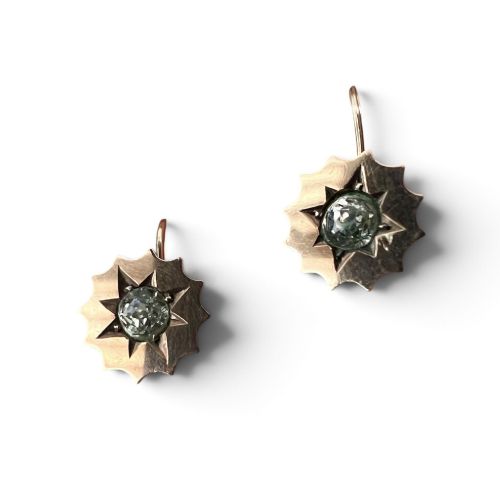
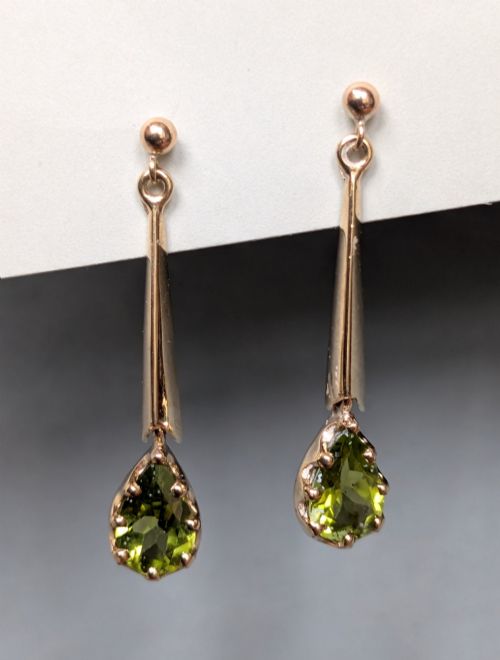
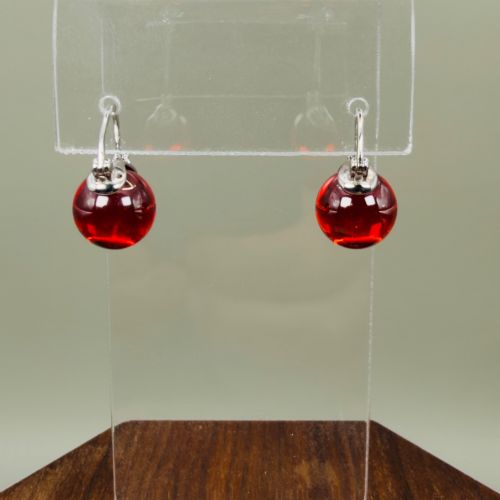
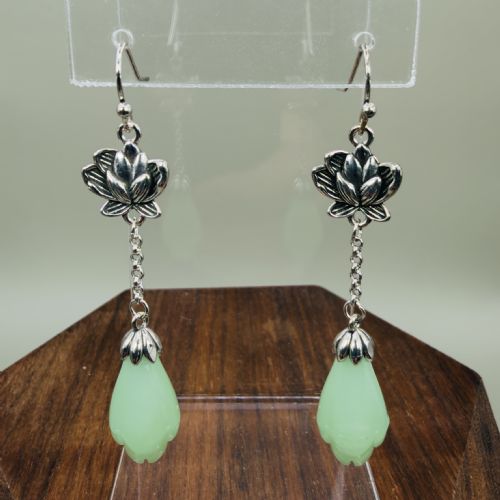
The selections on this page lean heavily toward drop and cluster forms, reflecting the changing social habits and hair fashions that dictated earring lengths throughout the nineteenth and twentieth centuries. Studs, screw-backs, and dangling hoop configurations also appear regularly, utilising hook, lever-back, and screw-on mechanisms appropriate to their era of manufacture.
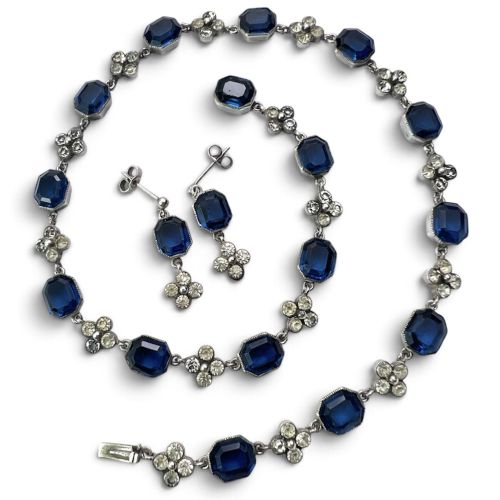
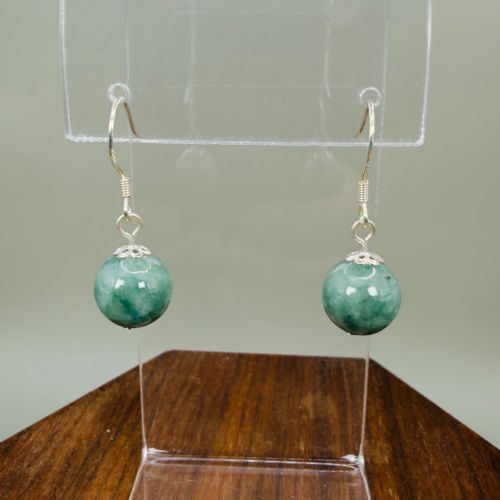
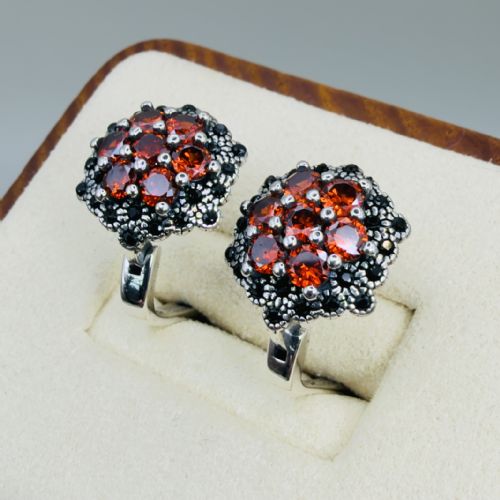
Originating across Victorian, Edwardian, and mid-century workshops, these pieces incorporate diverse geological specimens including jadeite, turquoise, rock crystal, garnet, and tourmaline. Buyers find both simple daily wear pieces and elaborate suites accompanied by matching necklaces or brooches.
How they were made
Goldsmiths and silversmiths utilised varied carat weights of gold, alongside silver and platinum, to house these diverse minerals. Stones were shaped into cabochons, flat cuts, cushion cuts, and intricate carved forms before being secured in bezels, openwork floral frames, or cluster settings.
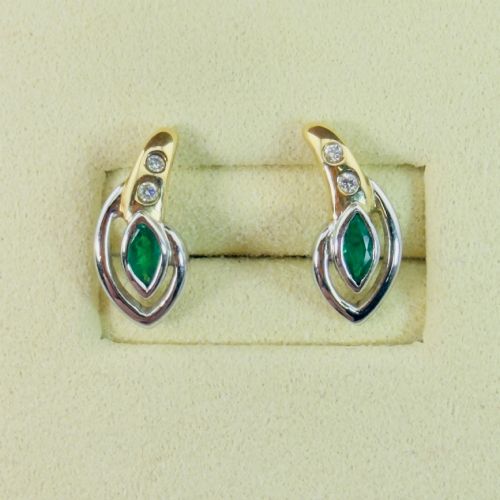
Techniques evolved from the detailed wirework and gilt finishes seen in Victorian Etruscan revival pieces to the sleek, symmetrical geometry characteristic of platinum Art Deco mountings. Settings frequently combined metals, pairing silver with gold to enhance the brilliance of diamonds and coloured gems alike.
Antique Stone Earrings Retail Price Guide 2026
Typical asking prices for stone earrings among the pieces listed under this phrase on Sellingantiques today, from the lower quarter to the upper quarter. They describe what is for sale here now, not the wider market.
Periods represented on this page range from the Georgian era through Victorian, Edwardian, and Art Deco up to the mid-century.
What varies in quality
The calibre of lapidary work dictates the upper tier of these pieces, separating standard commercial production from exceptional examples. Superior stones display even saturation, expert cutting, and secure, precise seating within the metal frame.
Metalwork execution further separates the ranges, evident in the delicacy of Edwardian openwork wire or the crisp geometric precision of Art Deco platinum settings. Original closures and hallmarks preserved intact elevate the overall integrity of a piece.
The Antique Stone Earrings Glossary
- Cabochon
- A gemstone shaped and polished with a smooth, rounded surface rather than faceted. This cut suits opaque or translucent stones like jade, turquoise, and banded agate.
- Etruscan Revival
- A nineteenth-century design movement inspired by archaeological discoveries in Italy. Pieces utilise granulation, filigree, and gold wirework.
- Openwork
- Metalwork featuring cut-out apertures that create patterned, lace-like designs. This technique lightens heavy gold settings and frames central stones.
- Lever-back
- An earring finding featuring a hinged curved wire that clasps shut behind the earlobe. This mechanism provides security for dangling and drop configurations.
Antique Stone Earrings: Frequently Asked Questions
How do I care for antique stone earrings?
Clean these pieces gently with a soft cloth and avoid chemical immersion, particularly for softer minerals like turquoise and malachite.
Store them individually in lined boxes to prevent stones and metal settings from scratching against one another.
Are screw-back earrings easy to convert?
Conversion depends on the specific construction of the finding and the metal involved.
A jeweller can typically replace screw-backs with posts or hooks, though preserving original mechanisms is often preferred by collectors.
How can I tell Victorian from Edwardian earrings?
Victorian pieces often display heavier gold work, sentimental motifs, and cluster or Etruscan revival styles.
Edwardian jewellery shifts toward lighter platinum and yellow gold, favouring airy openwork, garlands, and pastel stones.
Can I wear antique earrings every day?
Many robust designs suit daily wear, provided the settings hold the stones securely.
Delicate drop configurations and softer gems require mindful handling to prevent accidental impact damage.