



Antique Sterling Tea Shovel
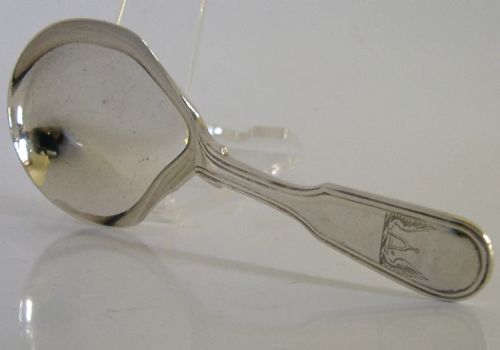
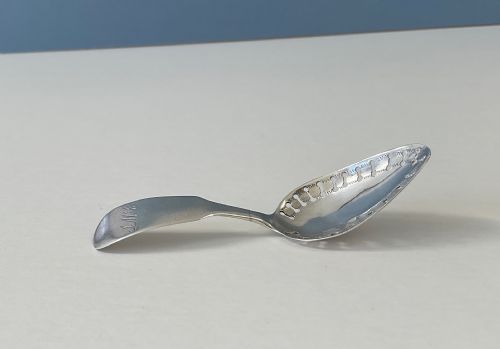
These antique sterling tea shovel pieces are small silver scoops designed for measuring loose tea from a caddy, combining utility with fine metalwork.
Antique Sterling Tea Shovel
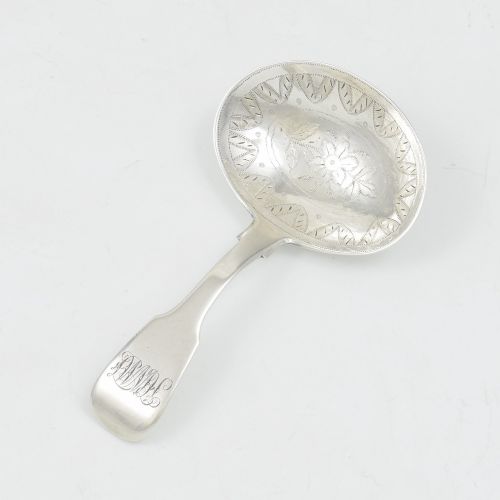
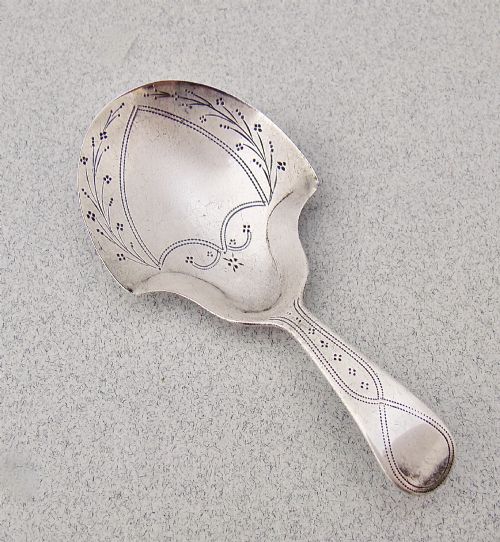
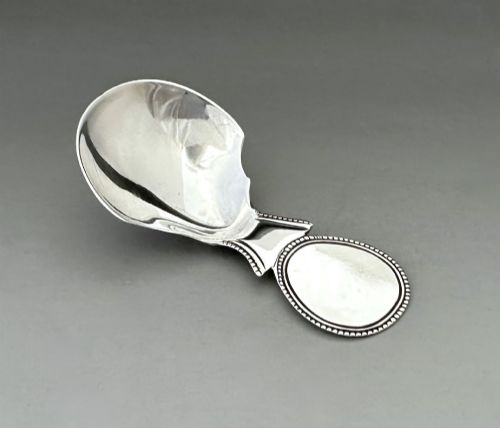
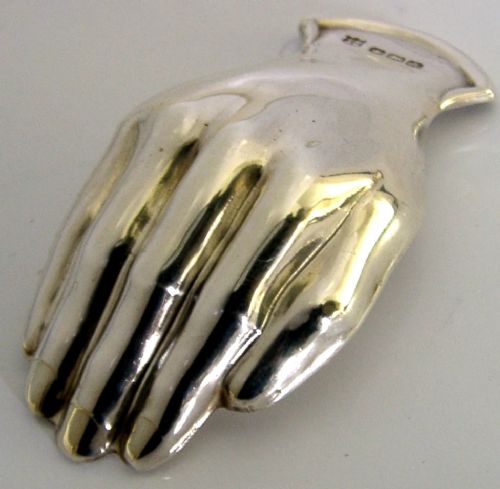
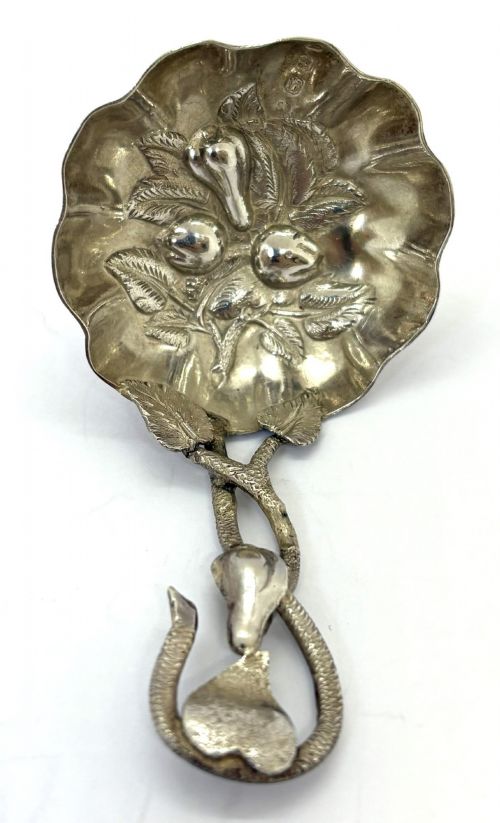
The forms on this page range from standard shovel bowls to novelties shaped like hands, as well as Scottish provincial and Danish Modern designs. Most pieces you meet originate from London makers or regional workshops, spanning the reigns of George III through to the nineteen forties.
Materials and construction methods
Makers shaped these spoons primarily from sterling silver, employing hammering and pressing techniques to form the shallow bowls and short handles. Certain examples incorporate parcel-gilt or silver-gilt finishes, applying a thin layer of gold to the interior of the bowl to resist tarnishing from tea leaves.
Workshop production involved stamping hallmarks directly into the metal to denote the sterling standard, the assay office location, and the date of manufacture. Hand-chased detailing and engraved decoration on the bowls demonstrate period craftsmanship without relying on complex machinery.
Antique Sterling Tea Shovel Retail Price Guide 2026
Typical asking prices for sterling tea shovel among the pieces listed under this phrase on Sellingantiques today, from the lower quarter to the upper quarter. They describe what is for sale here now, not the wider market.
Listings feature sterling silver and parcel-gilt materials across Georgian, Victorian, Edwardian, and Art Deco styles.
Distinctions in quality and execution
The distinction between standard production and superior execution lies in the crispness of the hallmarks and the depth of any engraved or chased decoration on the bowl. Finer examples display balanced proportions in the shovel blade and secure joints between the bowl and the handle.
Novelty forms, such as hand-shaped bowls, require greater skill from the silversmith, separating simpler utility spoons from more ambitious decorative objects. The presence of well-preserved parcel-gilt surfaces also indicates higher original status and careful subsequent handling.
Mappin and Webb·George Unite·Georg Jensen·George Wintle
The Antique Sterling Tea Shovel Glossary
- Sterling silver
- A silver alloy containing 92.5 percent pure silver by mass, with the remainder consisting of copper or other metals.
- Caddy spoon
- A short-handled spoon specifically designed for measuring tea leaves from a storage container into a teapot.
- Parcel-gilt
- A decorative technique where portions of a silver object, typically the interior of the bowl, receive a thin coating of gold.
- Hallmark
- An official stamp applied to precious metals to guarantee their purity and indicate the maker, assay office, and year of testing.
- Assay office
- An official organisation responsible for testing the purity of precious metal items and stamping them with hallmarks.
Antique Sterling Tea Shovel: Frequently Asked Questions
What is an antique sterling tea shovel used for?
These items were made to measure loose tea leaves from a caddy into a teapot during the eighteenth, nineteenth, and twentieth centuries. Today, collectors acquire them as display pieces or for occasional domestic use.
Their compact size and varied bowl shapes make them popular small items for display cabinets or specialised silver collections.
How do I know the date of a silver caddy spoon?
British pieces rely on hallmarks stamped directly into the metal, which include a date letter corresponding to a specific year and assay office. Combining the maker's mark with the assay office symbol allows precise dating.
Foreign pieces, such as those from Danish workshops, may use maker stamps or alternative hallmarks rather than traditional British date letters.
What is the difference between silver and parcel-gilt?
Standard sterling silver pieces show the natural grey-white tone of the metal across the entire surface of the handle and bowl. Parcel-gilt examples have a contrasting gold wash applied specifically to the interior of the bowl.
This gilding protected the silver from staining caused by tannic acid in the tea leaves while adding decorative contrast.
How should I clean my antique caddy spoon?
Gentle washing in warm water with mild soap and drying with a soft cloth removes everyday dust and oils. Avoid harsh abrasive cleaners that can wear away crisp hallmarks or fine hand engraving.
Storing the spoon in a dry environment minimises natural oxidation and reduces the need for frequent polishing.