



Antique Sterling Silver Chest
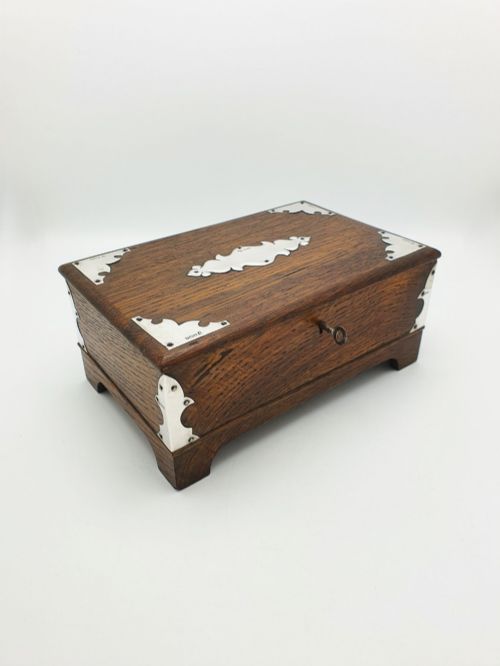
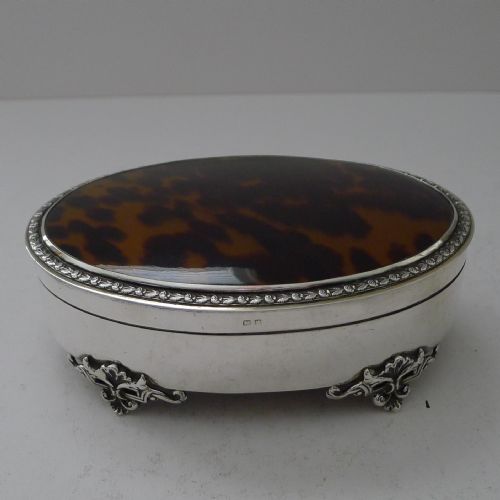
When you search for an antique sterling silver chest, you are looking at substantial silver boxes and caskets designed to house valuables, tea, or cigars.
Antique Sterling Silver Chest
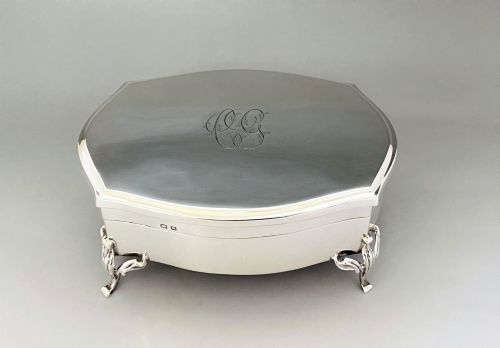
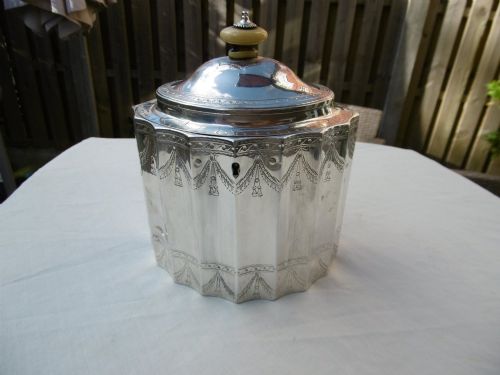
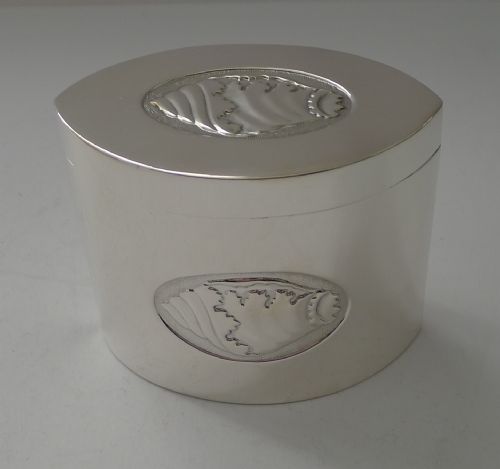
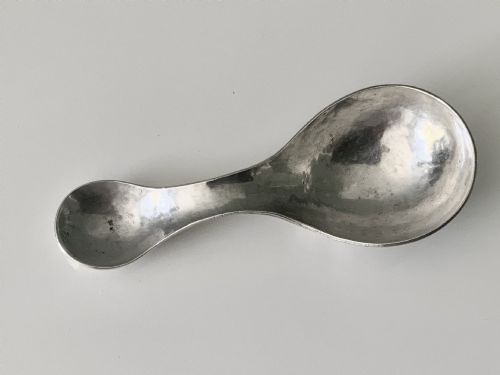
The forms vary considerably depending on their original domestic purpose, ranging from small caddy spoons and tea caddies to large jewellery caskets and oak cigar boxes with sterling silver mounts. Many of these pieces originate from English workshops and display distinct regional hallmarks alongside period stylistic influences.
Georgian and George III examples often present classical fluting and Rococo revival details, whereas Edwardian and later twentieth-century pieces lean towards Art Nouveau motifs or simpler dressing table forms. Tortoiseshell, bone, and oak frequently appear combined with solid sterling silver, creating textured contrasts within the collection.
Materials and construction
The primary material underpinning these items is solid sterling silver, worked alongside supportive secondary elements such as oak carcasses, bone accents, and tortoiseshell panels. Silversmiths employed techniques like pressing, casting, and repoussé decoration to achieve the fluted surfaces and detailed mounts seen on tea caddies and jewellery boxes.
Fitted interiors often incorporate velvet or silk linings designed to protect delicate contents such as jewellery or loose tea leaves. Structural mounts and hinges are secured directly to the wooden or metal bodies, ensuring durability across centuries of domestic use.
Antique Sterling Silver Chest Retail Price Guide 2026
Typical asking prices for sterling silver chest among the pieces listed under this phrase on Sellingantiques today, from the lower quarter to the upper quarter. They describe what is for sale here now, not the wider market.
Some caddy spoons waited decades inside dark tea chests before finally meeting a proper teapot.
Markers of distinction
The distinction between standard domestic items and superior examples rests upon the crispness of the hallmarks, the depth of the silversmith's chasing, and the integrity of any fitted interior elements. Pieces by known makers such as Robert Hennell command attention due to the precision of their fluted surfaces and balanced proportions.
The quality of secondary materials, such as the grain of the oak or the clarity of inlaid tortoiseshell panels, elevates certain caskets and boxes above plain silver counterparts. Intact original linings and robust, functioning silver hinges further differentiate the finer items in this category.
Robert Hennell
The Antique Sterling Silver Chest Glossary
- Sterling silver
- A silver alloy containing 92.5 percent pure silver and 7.5 percent other metals, typically copper, chosen for strength and durability.
- Hallmark
- A series of official marks stamped on items to show the standard of silver purity, the assay office, and the year of manufacture.
- Tea caddy
- A small vessel or chest originally built to store and preserve dry tea leaves securely away from moisture and light.
- Caddy spoon
- A short-handled spoon specifically manufactured for measuring loose tea leaves from a caddy into a teapot.
- Tortoiseshell
- A mottled brown and amber material derived from the shell of certain turtle species, frequently used as an overlay on silver boxes.
- Repoussé
- A metalworking technique where a silversmith hammers the metal from the reverse side to create a raised design on the front.
Antique Sterling Silver Chest: Frequently Asked Questions
What is an antique sterling silver chest?
An antique sterling silver chest refers to substantial silver boxes, caskets, and caddies designed for domestic storage.
These pieces range from Georgian tea caddies to Edwardian jewellery boxes.
How were antique tea caddies used?
Antique tea caddies served to store expensive tea leaves securely in the home.
They often featured lockable lids to protect the valuable contents from household staff or guests.
How do I identify a Georgian silver box?
Georgian silver boxes display stylistic markers such as Rococo revival motifs, classical fluting, and early hallmarks.
Examining the punch marks reveals the specific assay office and year of creation.
What materials are combined with silver?
Silversmiths frequently combined sterling silver with tortoiseshell, oak, bone, and velvet linings.
These mixed-material pieces provided varied textures for luxury items like dressing table caskets.
How should I care for silver boxes?
Silver boxes require gentle cleaning with a soft cloth to avoid damaging engraved details or softer inlays like tortoiseshell.
Keeping them away from damp environments preserves both the metal and any internal fabric linings.