


Antique Sterling Rings
Antique sterling rings span decades of domestic and personal silver work, offering buyers wearable history and fine craftsmanship.
Antique Sterling Rings
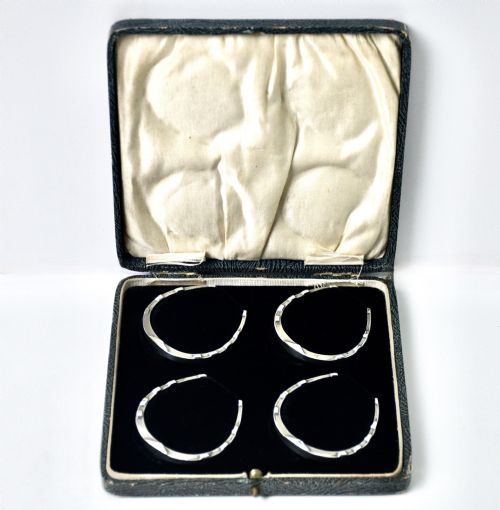
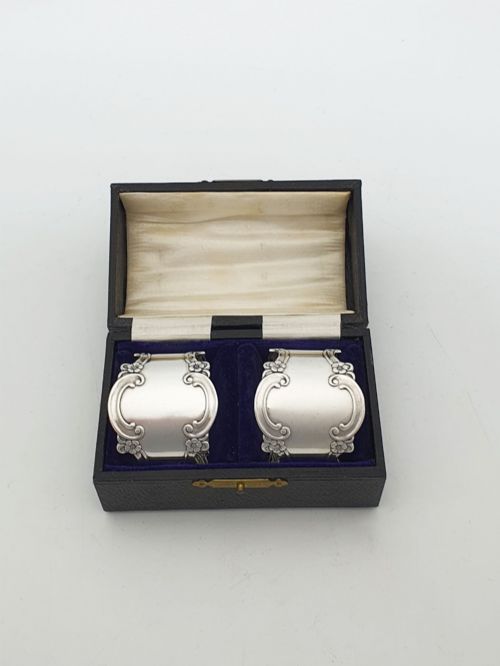
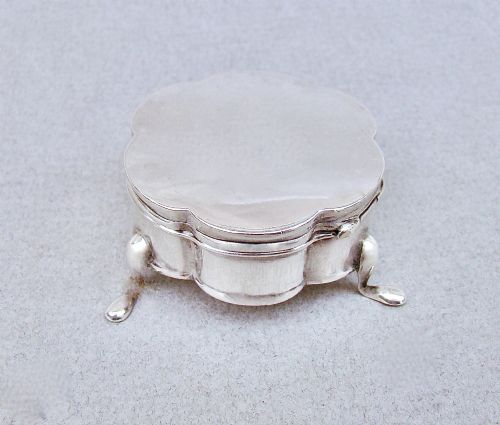
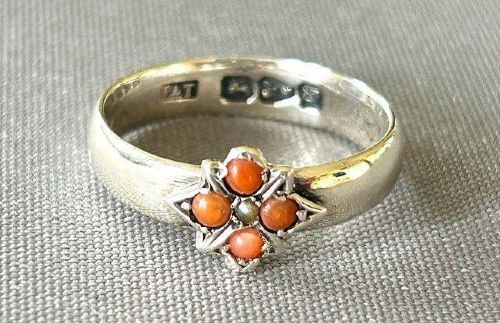
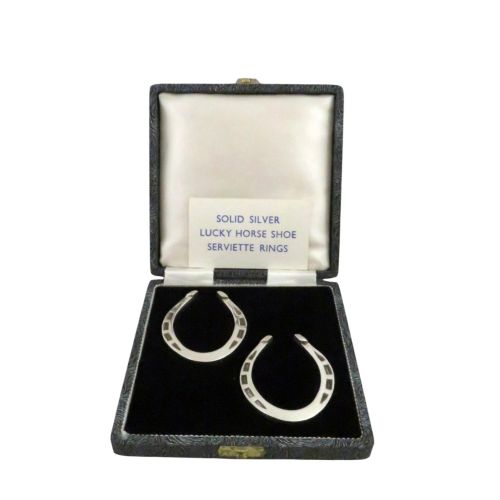
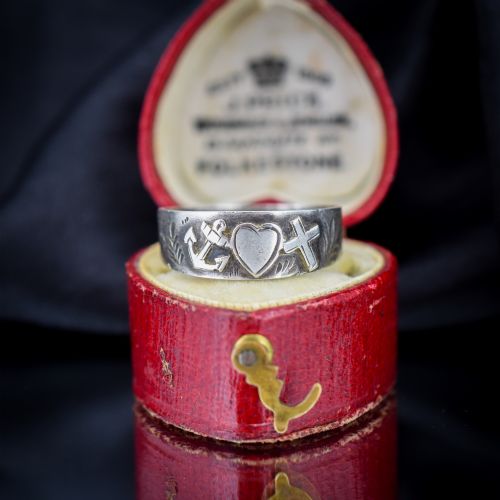
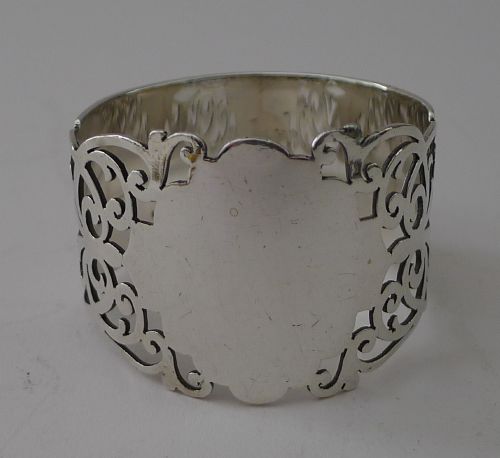
When searching for antique sterling rings, buyers encounter a selection that includes finger jewellery alongside related items like napkin rings and ring boxes. The finger rings present distinct styles from the late Victorian period, Edwardian era, and Art Deco years.
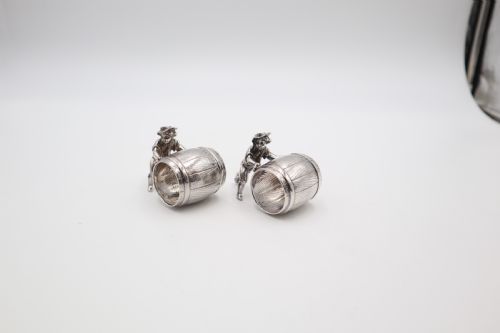
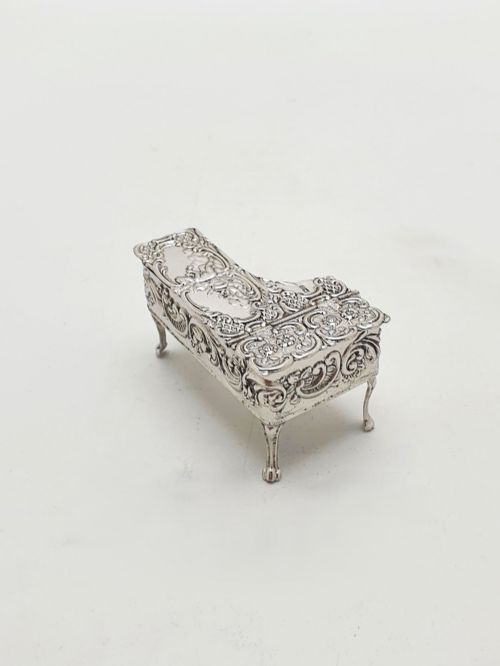
Makers and assay offices across England produced these pieces utilising solid sterling silver, often pairing the metal with gemstones such as citrine and moonstone. The range extends from plain rectangular forms to novelty designs and detailed decorative bands.
How they were made
Silversmiths shaped sterling silver through hammering, casting, and engraving, creating structural forms for both finger rings and hollowware like napkin rings. Artisans incorporated stones such as citrine and moonstone into bezels, while boxes utilised internal linings of velvet, silk, and leatherette.
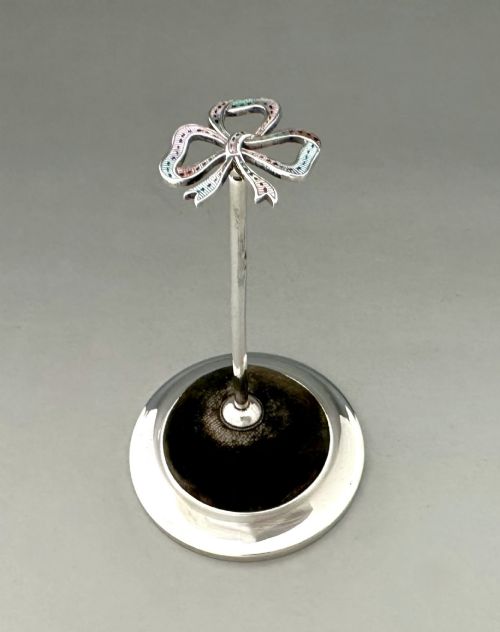
Tortoiseshell and enamel frequently decorated the surfaces of boxes and specific napkin rings, bonded or inlaid into the silver structure. Hallmarks stamped into the metal recorded the assay office, standard of silver, and year of production.
Antique Sterling Rings Retail Price Guide 2026
Typical asking prices for sterling rings among the pieces listed under this phrase on Sellingantiques today, from the lower quarter to the upper quarter. They describe what is for sale here now, not the wider market.
What varies in quality
The standard of an item rests on the crispness of its hallmarks, the depth of any hand engraving, and the structural integrity of bezels holding stones like moonstone and citrine. Tortoiseshell inlays and enamel panels require careful execution to sit flush within the silver mounts without separation.
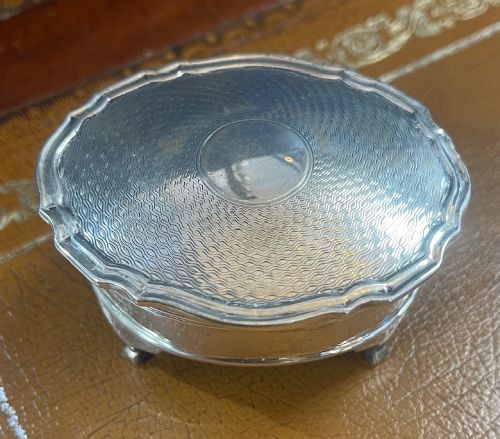
Heavier gauges of sterling silver provide greater durability for items subjected to regular handling, such as napkin rings and jewellery boxes. Fitted interiors utilising velvet, silk, or leatherette retain more appeal when preserved in clean, original condition.
Martin Hall & Co·Thomas Bradbury & Sons·Ollivant & Botsford·Albert Edward Jones·Wallace
The Antique Sterling Rings Glossary
- Sterling silver
- An alloy consisting of 92.5 percent silver by mass, with the remainder usually copper. This standard composition forms the basis of British antique silverware and finger rings.
- Hallmark
- A series of official marks stamped onto silver items to indicate the standard of purity, the assay office, and the date letter for the year of manufacture.
- Cabochon
- A gemstone shaped and polished with a smooth, rounded convex surface rather than faceted. This cut appears frequently on moonstone rings from the early twentieth century.
- Assay office
- A designated body responsible for testing the purity of precious metals and stamping them with official marks. Towns such as Sheffield and Birmingham housed prominent offices.
- Cased set
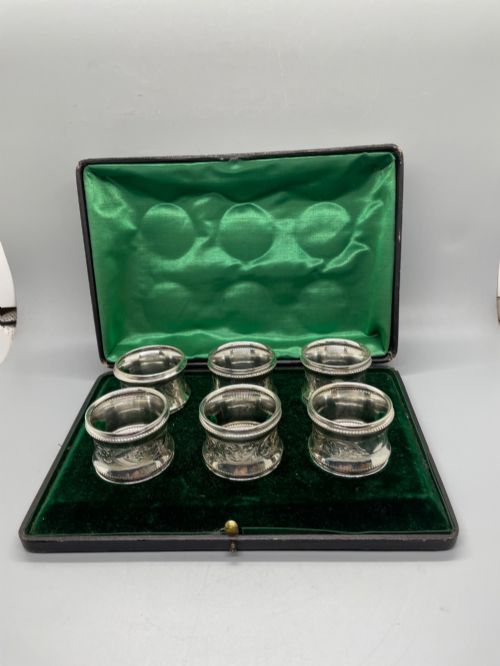
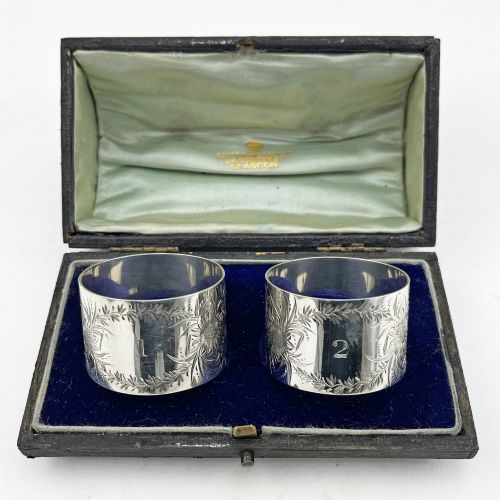
- A collection of items, such as napkin rings, housed in a fitted presentation box lined with silk or velvet. These boxes often feature a leatherette exterior.
Antique Sterling Rings: Frequently Asked Questions
What periods do these silver items date from?
The listings span multiple eras, including Georgian, Victorian, Edwardian, and Art Deco periods through the twentieth century.
Assay office date letters stamped on the sterling silver help confirm the exact year of production for individual pieces.
How were antique napkin rings used?
Napkin rings served dining households by identifying each family member's linen napkin between meals.
They were frequently produced in matched pairs or cased sets of six for formal dining.
What materials accompany the sterling silver?
Items often incorporate tortoiseshell, enamel, and gemstones such as citrine and moonstone into their designs.
Boxes and cases also feature interior linings made of velvet, silk, and leatherette.
How do I identify the assay office?
British silver bears stamped hallmarks that include specific symbols for towns like Birmingham and Sheffield.
These official marks indicate where the piece was tested and struck.