






Antique Sterling Plate
Antique sterling plate items bring solid silver tableware, serveware and desk accessories into daily use, combining practical metalwork with historic British and international design.
Antique Sterling Plate
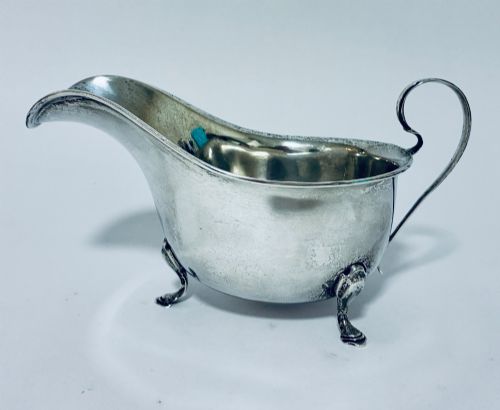
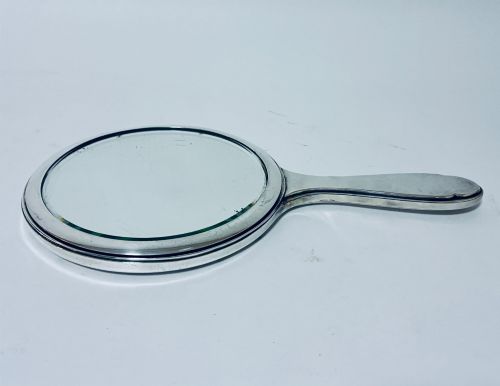
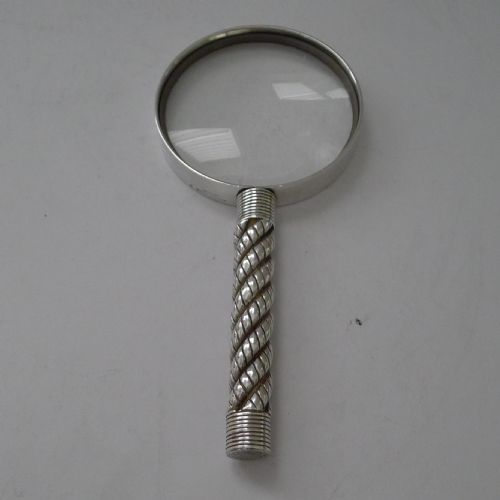
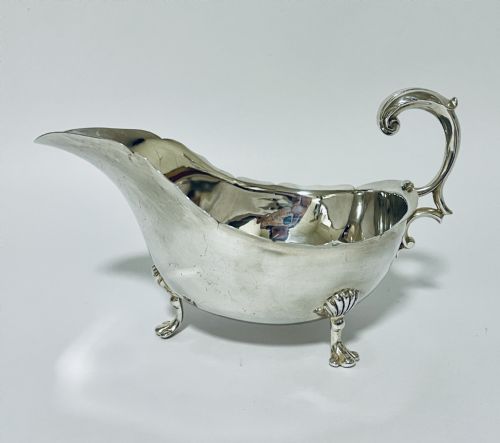
When searching for antique sterling plate, buyers encounter a diverse range of solid silver objects spanning the Georgian, Victorian, Edwardian and early twentieth-century periods. These listings encompass everything from formal dining accessories like sauce boats, coasters and toast racks to vanity items, mirrors and magnifying glasses.
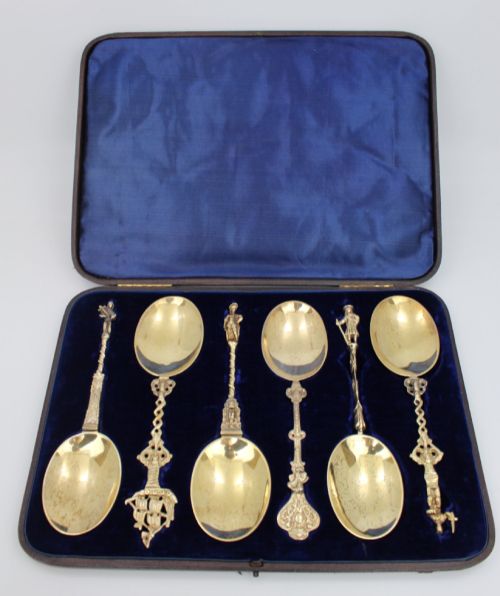
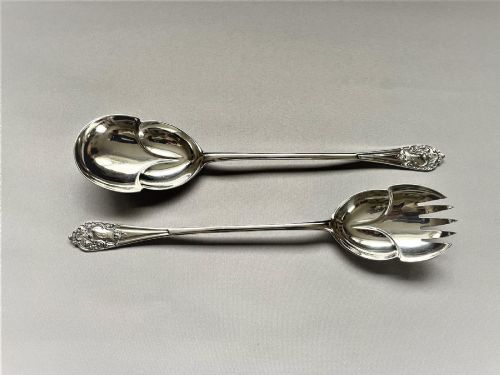
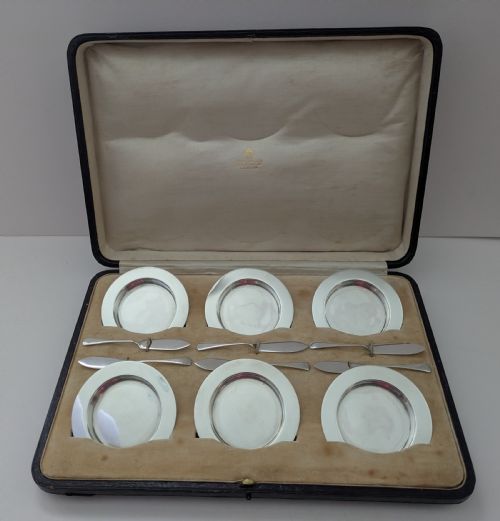
The most common forms on this page include cased cutlery sets, Apostle spoons, fish servers and serving tongs alongside individual pieces such as cream jugs, bonbon dishes and tea pots. Many items arrive in fitted presentation boxes lined with velvet, silk or leatherette, reflecting their original purpose as treasured gifts or formal table service.
Materials and methods of construction
The primary material across these listings is solid sterling silver, frequently paired with complementary substances such as cut crystal, glass, wood and velvet in fitted cases. Silversmiths utilised traditional techniques of casting, hammering, chasing and piercing to shape tea pots, trays, candlesticks and serving implements.
Specialised items incorporate gilt finishes, creating silver-gilt items like apostle spoons and sifter spoons where a layer of gold is applied over the silver base. Vanity boxes and claret jugs combine heavy silver mounts with faceted crystal glass, demanding precise metal fitting alongside glass-cutting skills.
Antique Sterling Plate Retail Price Guide 2026
Typical asking prices for sterling plate among the pieces listed under this phrase on Sellingantiques today, from the lower quarter to the upper quarter. They describe what is for sale here now, not the wider market.
Seafood enthusiasts can dine in historic style with a cased set of solid sterling silver lobster and seafood picks from nineteen thirty-two.
Distinctions in craftsmanship and condition
Quality in these silver objects rests upon the crispness of chased decoration, the weight of the metal and the integrity of any associated fitted cases. Pieces bearing clear hallmarks from notable silversmiths demonstrate superior provenance and manufacturing standards.
The distinction between standard utility items and finer wares often lies in the depth of hand-engraving, the balance of handles on servers and tea pots, and the preservation of original gilding or crystal components.
Deakin & Francis·Hermes Paris·Suckling Ltd·Asprey & Co·Tiffany & Co·Samuel Hennell·Joseph Rodgers & Sons·James Fray
The Antique Sterling Plate Glossary
- Sterling silver
- A silver alloy containing 92.5 percent pure silver and 7.5 percent other metals, usually copper, to provide durability. This standard metal forms the basis of the majority of items listed here.
- Silver-gilt
- Sterling silver that has been coated with a thin layer of gold on its surface. This technique produces a rich two-tone effect seen frequently on specialty spoons and presentation flatware.
- Hallmark
- A series of official marks stamped on precious metals to indicate the standard of purity, the assay office, the maker and the year of manufacture. These stamps provide the definitive record of an item's origin.
- Salver
- A flat tray, typically made of silver, used for serving food or drinks or for presenting calling cards. Georgian examples often feature substantial weight and decorative borders.
- Apostle spoon
- A spoon with the figure of an apostle or saint forming the terminal of the handle. These decorative pieces were traditionally made in sets as christening gifts.
Antique Sterling Plate: Frequently Asked Questions
How do I clean antique silver?
Cleaning solid silver requires a gentle cloth and specialised silver polish designed to remove tarnish without abrading the surface details or hallmarks. Avoid harsh chemical dips that can strip away desirable patination.
For items with crystal, glass or velvet linings, take care to keep moisture away from the non-metal components during the polishing process.
Can I use antique silver daily?
Many items such as cutlery sets, toast racks and sauce boats were made precisely for functional use on the dining table. Sterling silver is durable enough for regular handling if washed by hand promptly after use.
Delicate vanity accessories, antique magnifying glasses and cased display spoons are better suited to careful handling and decorative placement rather than heavy everyday service.
What is the difference between silver and silver plate?
Solid silver, or sterling silver, consists of the precious metal throughout its structure and carries official hallmarks verifying its metal purity. Silver plate involves a thin layer of silver applied over a base metal foundation.
While plated items resemble solid silver visually, they lack the intrinsic metal value and long-term durability of solid sterling pieces.
How do I read silver hallmarks?
British hallmarks typically include a standard mark indicating sterling quality, an assay office mark showing where the piece was tested, and a date letter corresponding to the exact year of manufacture. Maker's marks identify the specific silversmith or firm responsible.
Consulting standard silver reference guides allows collectors to decode these small stamped symbols and date each item accurately.