


Antique Sterling Desk Ornament
An antique sterling desk ornament brings character and purpose to a writing surface, offering functional silver items shaped as animals, figures and accessories.
Antique Sterling Desk Ornament
An antique sterling desk ornament spans practical accessories and sculptural novelty pieces designed for the writing table. Buyers searching for an antique sterling desk ornament encounter items ranging from inkstands and paperweights to figural pin cushions and mechanical bells.
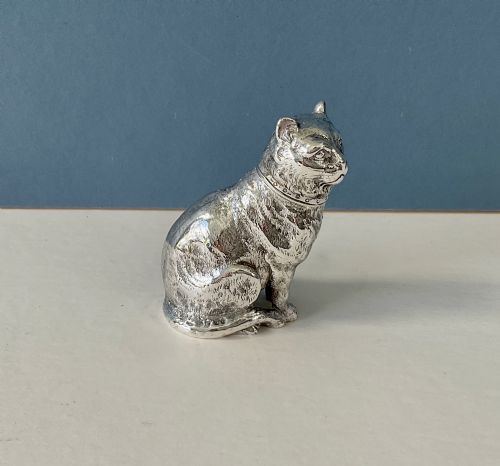
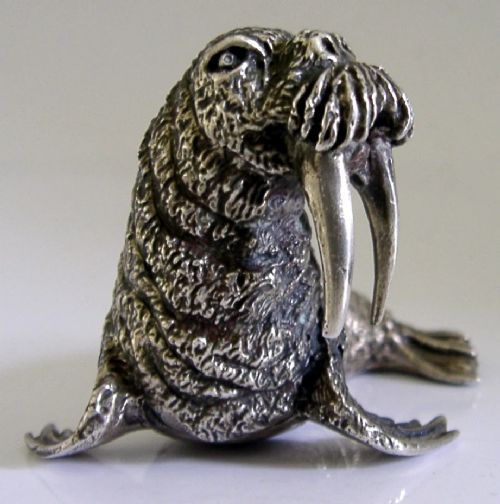
The selections on this page draw from Victorian, Edwardian and George V periods, extending into mid-century examples. Common forms include figural animals such as cats, foxes, ducks and walruses, alongside functional items paired with glass, wood, velvet and enamel.
Makers utilised traditional British assay office locations like London, Birmingham and Chester to hallmark these creations. The objects merge utility with whimsy, reflecting the tastes of nineteenth and twentieth-century desk culture.
Materials and construction
Silversmiths shaped sterling silver through casting, hammering and repoussé techniques to create solid figures, frames and housing for desk accessories. Many pieces incorporate supportive secondary materials such as wooden plinths, glass liners and velvet backings.
Novelty items often integrate natural bristles, tortoiseshell, ebony wood and vitreous enamel to add texture and contrasting colour. Hallmarks stamped directly onto the silver record the assay town, purity standard and year of production.
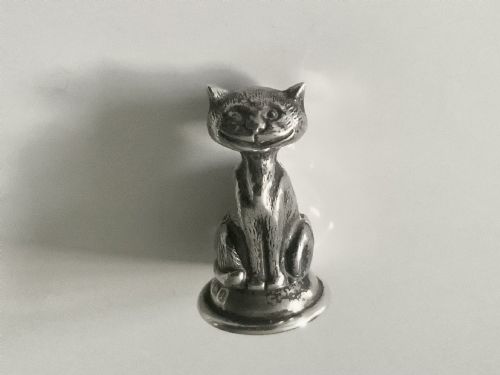
Desk ornaments range from sombre George V paperweights to silver walruses and whimsical cats wearing Cheshire grins.
Assessing craftsmanship and condition
Quality rests upon the crispness of the chasing and the anatomical accuracy of figural models such as birds, mammals and vehicles. Superior examples display clear, legible hallmarks and retain integrated elements like original velvet linings or glass inserts.
The complexity of mechanical functions, such as working desk bells or folding presentation chairs, separates standard items from exceptional workshop output. Surface wear and minor dents alter desirability, though well-preserved patination remains integral to the character of older silver.
William Graeme
The Antique Sterling Desk Ornament Glossary
- Sterling silver
- A silver alloy containing 92.5 percent pure silver and 7.5 percent other metals, usually copper, ensuring durability for decorative items.
- Hallmark
- A series of official marks stamped on precious metal items in the United Kingdom to certify purity, origin city and date.
- Repoussé
- A metalworking technique where the smith pushes the silver design out from the reverse side using hammers and punches.
- Pin cushion
- A small desk accessory often shaped as an animal, featuring a padded velvet or fabric insert for sewing pins.
- Inkstand
- A desk tray holding one or more inkwells, pen holders and sometimes sanders or stamp boxes.
Antique Sterling Desk Ornament: Frequently Asked Questions
What is an antique sterling desk ornament?
These pieces are decorative and functional silver items created for nineteenth and twentieth-century writing desks. They include inkstands, paperweights, animal figures and mechanical bells.
Buyers select them to add historical charm and tactile interest to modern workspaces. Each piece reflects the dominant decorative styles of its specific manufacturing era.
How do I identify the date of a silver desk piece?
Dating relies upon the official hallmarks stamped into the sterling silver structure. These stamped symbols indicate the assay office, standard of silver and a specific date letter corresponding to the year of assay.
Stylistic cues such as Edwardian proportions or Victorian ornamentation also help place the object within a broader historical period.
Were novelty desk ornaments actually used?
Many novelty forms served genuine administrative functions despite their playful outward appearance. Items shaped as animals often doubled as pen wipes, pin cushions, inkwells or paperweights.
Desk owners utilised these functional sculptures to organise correspondence, dry ink and pin loose notes while brightening up gloomy studies.
How should I clean antique silver desk accessories?
Maintenance requires gentle dusting with a soft cloth and minimal use of chemical silver polishes to preserve the underlying patination. Excessive rubbing can wear down delicate hand-chased details and hallmarks.
If the piece contains velvet, wood or glass components, cleaning solutions must be kept away from those sensitive secondary materials.