
Antique Sterling Cup
An antique sterling cup holds centuries of drinking custom, bringing solid weight and bright metal to the modern table.
Antique Sterling Cup
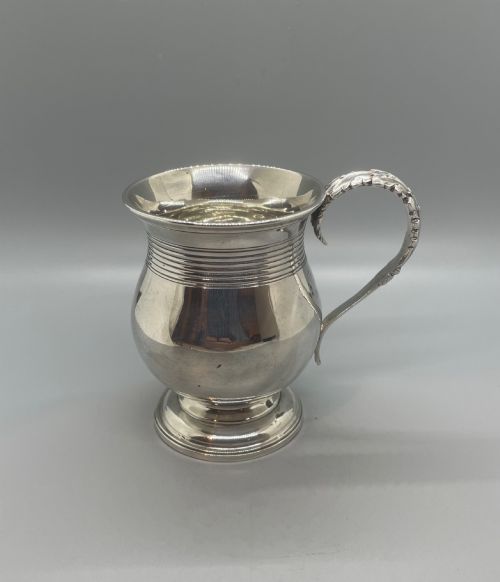
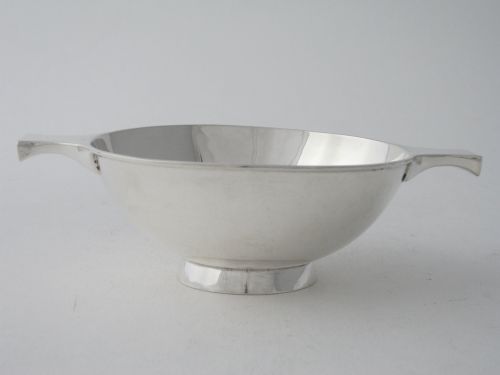
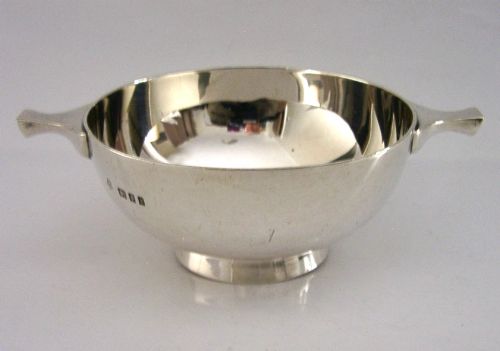
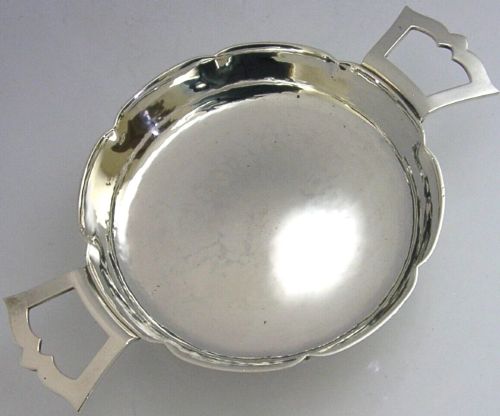
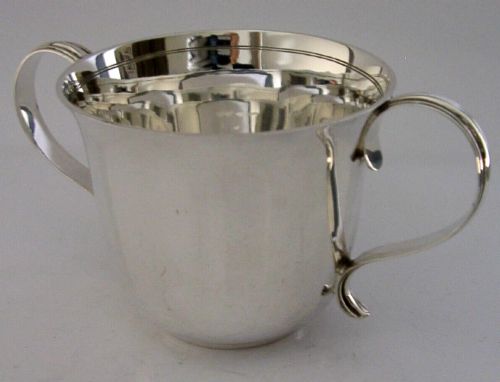
The antique sterling cup spans several centuries of domestic and social silver, taking the form of christening mugs, two-handled tygs, quaichs, and cocktail goblets.
Pieces originating from the Georgian, Victorian, and Edwardian eras sit alongside later items from the Art Deco and Mid-Century Modern periods.
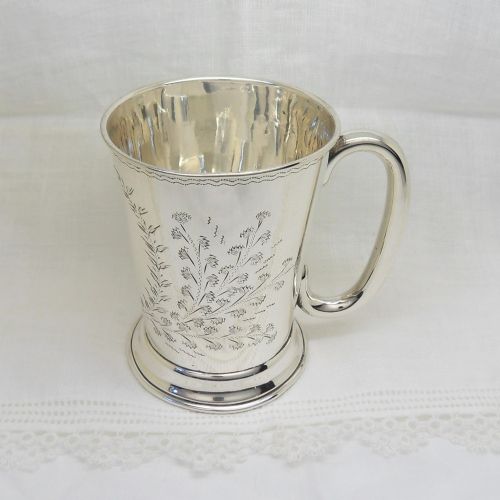
Christening mugs and traditional tankards appear frequently, shaped for specific family milestones or communal drinking rites.
Materials and Technique
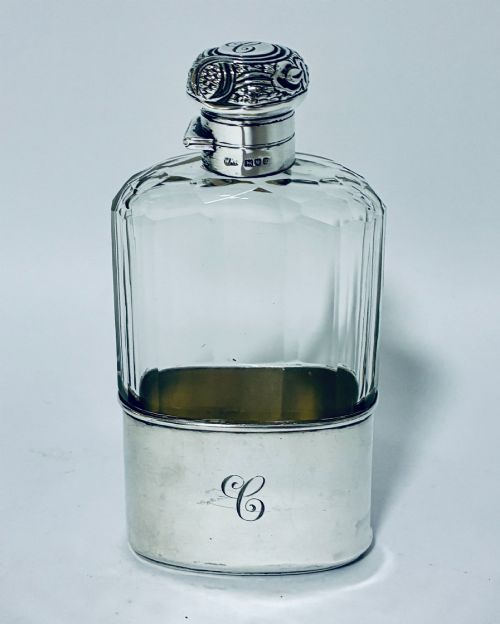
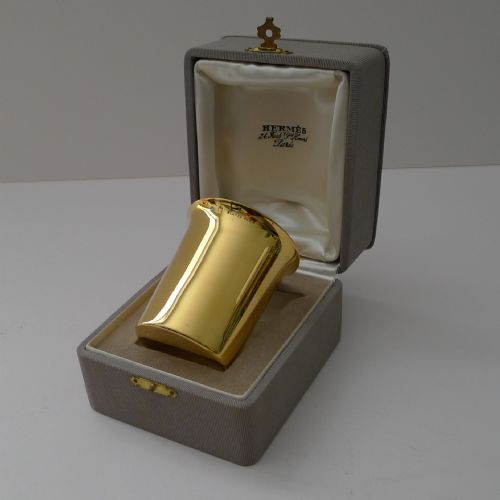
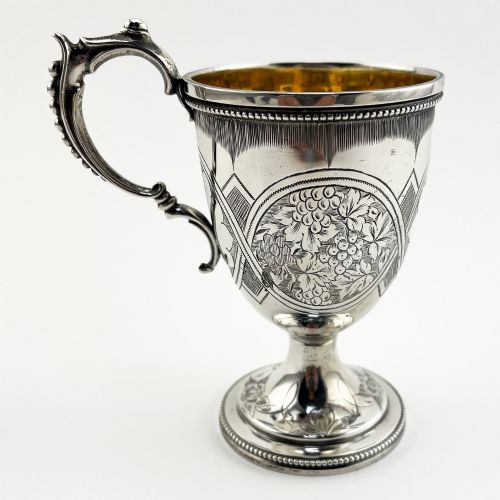
Silversmiths utilised solid sterling silver, applying gold gilt, vermeil, or glass liners to internal surfaces where appropriate.
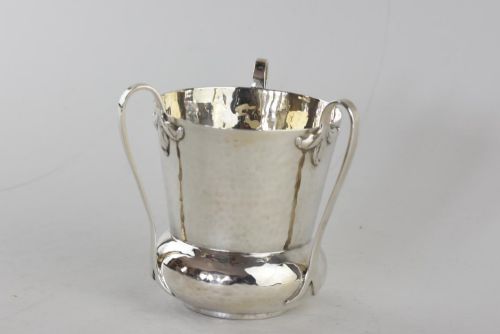
Techniques range from smooth-walled hammering in the Arts and Crafts tradition to planished bowls and cast handles attached to body sections.
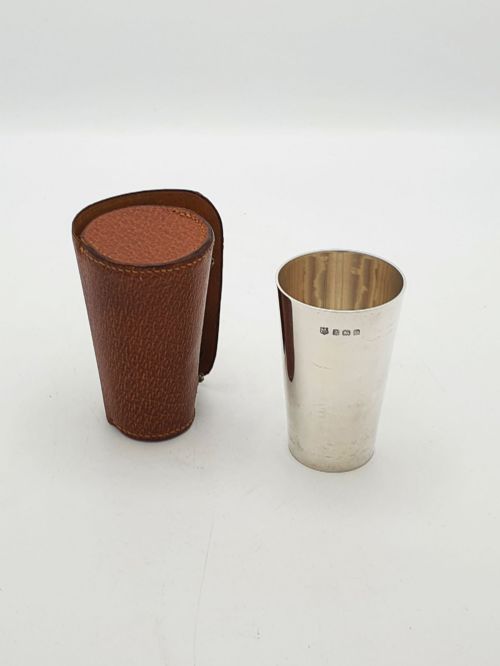
Associated materials such as leather cases, velvet linings, and fitted glass components supplement the metal vessels.
Listings feature sterling silver, silver gilt, and vermeil across periods spanning the Georgian era to the mid-twentieth century.
Distinctions in Manufacture
The substance of a vessel rests upon metal gauge and wall thickness, determining the tactile heft when lifted.
Execution of handles, whether cast in scroll shapes or applied as simple lugs, separates standard output from superior craftsmanship.
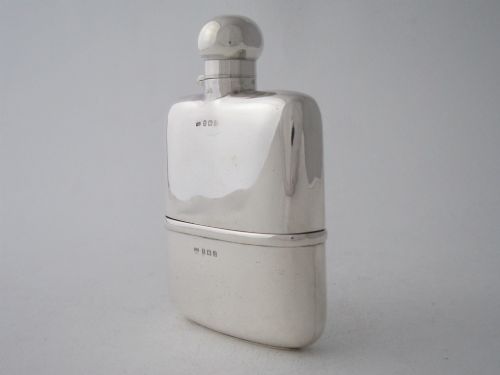
Clarity and placement of hallmarks provide direct evidence of silversmith workshops, assay towns, and specific periods.
Joseph Gloster·Lambert and Co·R E Stone·Nathan and Hayes·Barker Bros·Tiffany and Co·Hukin and Heath·William Burwash
The Antique Sterling Cup Glossary
- Planished
- A surface texture created by light hammering with a polished round-faced hammer. This leaves a subtle pattern of overlapping marks across the silver.
- Vermeil
- Sterling silver coated with a thin layer of gold. It provides the appearance of solid gold while maintaining a silver core.
- Hallmark
- A series of stamped marks on precious metals indicating the standard of purity, assay office, and year of manufacture.
Antique Sterling Cup: Frequently Asked Questions
What is a quaich cup?
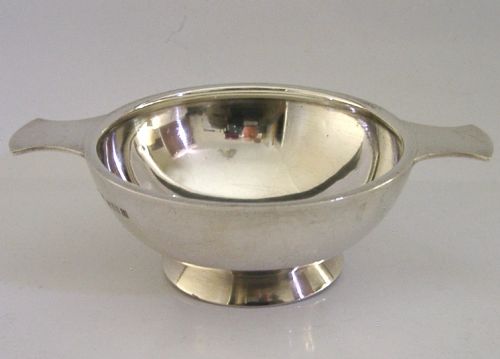
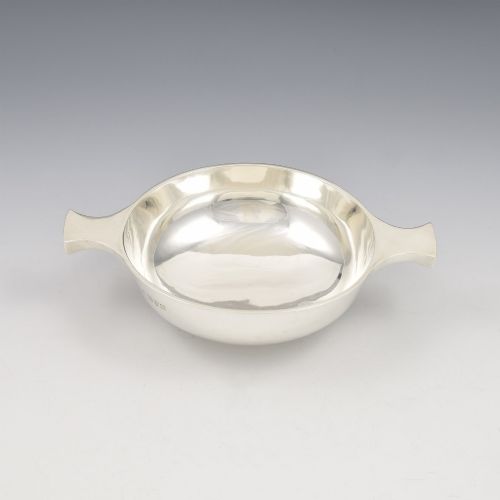
A quaich is a shallow drinking vessel furnished with two opposing handles known as lugs. Makers produced them in Scotland and other regions for communal toasts and hospitality.
Such vessels range from plain silver bowls to hammered Arts and Crafts examples resting on small feet.
How were christening mugs used?
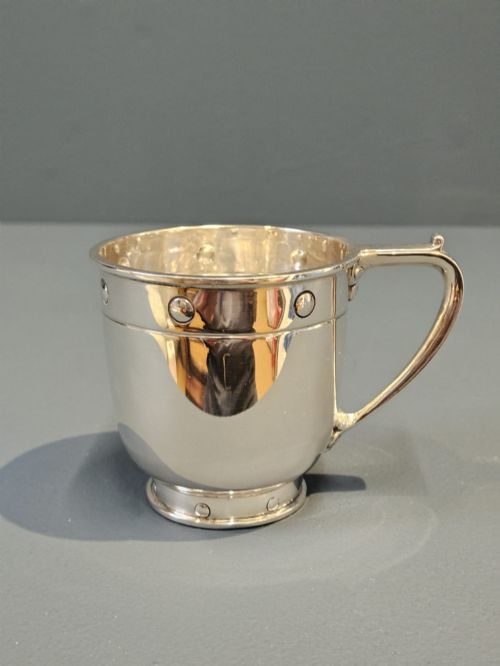
Families presented these small tankards to infants on the occasion of their baptism or naming ceremony. They served as lasting keepsakes marked with the child's initials or birth date.
Over time, silversmiths adapted standard tankard proportions down to infant scale, using sterling silver throughout.
How do I identify the period?
Official assay office marks and date letters stamped into the silver provide the exact year of creation. Stylistic cues such as geometric Art Deco lines or floral Edwardian engraving also indicate the era.
Matching the maker's mark against historical records confirms the workshop and decade.
Can I use an antique cup for drinks?
Solid silver conducts temperature rapidly, making these vessels suitable for cool beverages or spirits. Many historical pieces designed as beakers, goblets, or flasks remain functional today.
Careful hand washing preserves the surface finish and any internal gold gilt.