



Antique Steel Dagger
An antique steel dagger is a edged weapon of personal defence or military service, prized by collectors for its forging and history.
Antique Steel Dagger
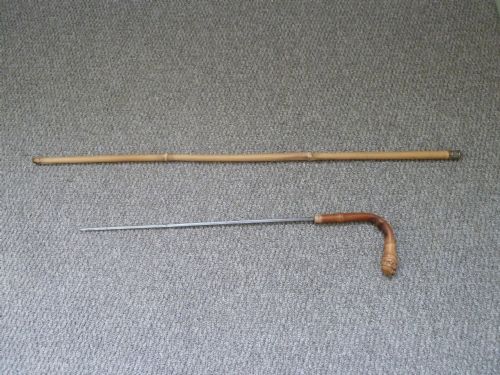
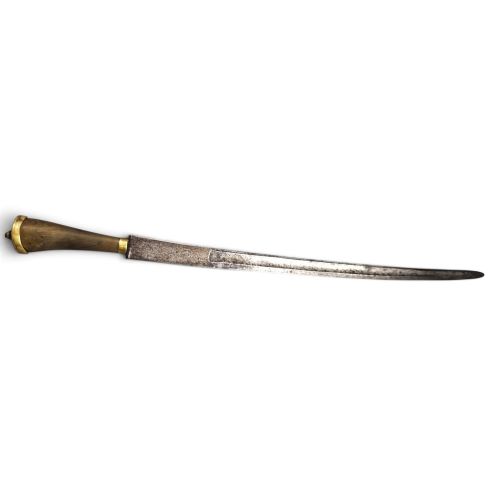
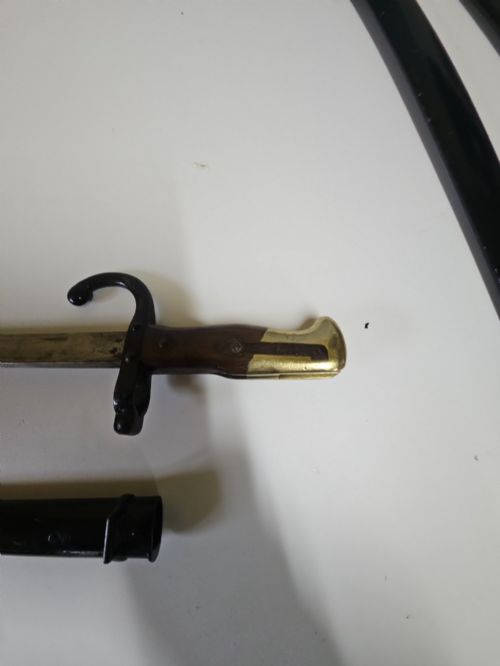
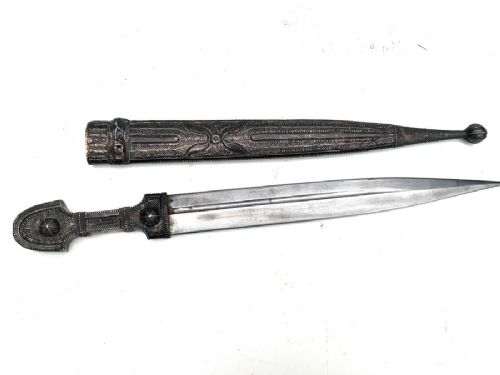
When you search for an antique steel dagger, you encounter edged weapons spanning regional styles and military eras from the eighteenth century to the mid-twentieth century. The selection ranges from Indo-Persian and Caucasian side arms to European military bayonets and commando knives.
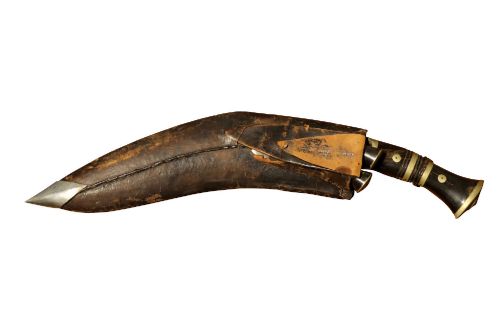
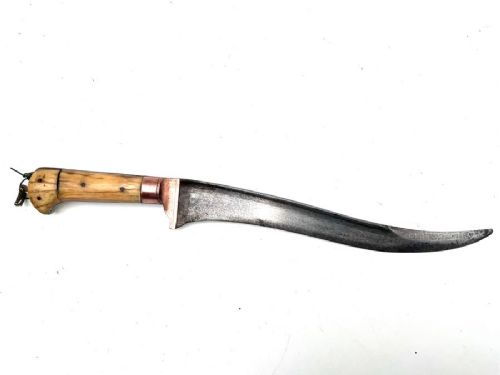
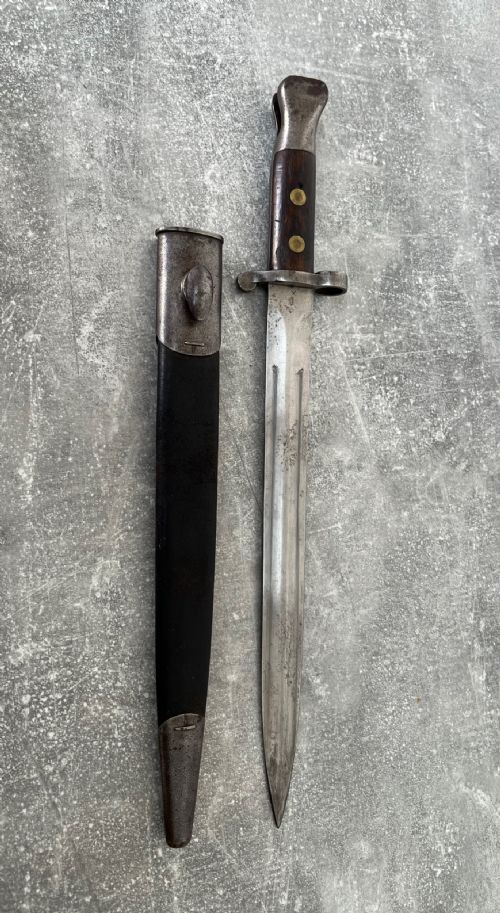
Regional forms such as the Pesh-Kabz, Kindjal, Katar, and Kukri appear alongside French bayonets, British sword bayonets, and smallsword conversions. These pieces reflect diverse contexts of production, from South Asian and Middle Eastern workshops to European arsenals.
The version most commonly met on this page is the nineteenth-century military or regional dagger, often complete with a leather, steel, or brass scabbard. They demonstrate the practical deployment of steel in combat and ceremonial roles across different global traditions.
Materials and construction
Blades are forged from steel, occasionally featuring surface treatments such as blue and gilt embellishments or pierced detailing. Hilts incorporate organic and metallic materials including wood, horn, bone, brass, silver, and leather.
Hilt assemblies and scabbards frequently combine multiple elements, such as wood grips wrapped in leather or reinforced with brass and silver mounts. Construction methods vary from traditional hand-forged regional smithing to standardised nineteenth-century military manufacturing.
Antique Steel Dagger Retail Price Guide 2026
Typical asking prices for steel dagger among the pieces listed under this phrase on Sellingantiques today, from the lower quarter to the upper quarter. They describe what is for sale here now, not the wider market.
Some nineteenth-century blades received a second life as converted smallswords, proving that old steel simply changes its mind.
Factors of quality
Quality rests in the integrity of the forged steel blade and the survival of original mountings, grips, and scabbards. Retaining details like blue and gilt decoration or ornate carving on the hilt elevates an example.
The relationship between the blade and its original scabbard or companion knives influences the desirability of a piece. Finer examples display crisp detail in pierced work, silver-hilt execution, or traditional horn and wood carving.
The Antique Steel Dagger Glossary
- Pesh-Kabz
- A single-edged Indo-Persian dagger with a T-spine blade design. It originated in the region and gained popularity across neighbouring territories.
- Kindjal
- A long, double-edged Caucasian dagger featuring a broad blade and a distinctive hilt. It forms a traditional part of local dress and side arms.
- Katar
- A South Asian push dagger characterised by an H-shaped horizontal grip held within the fist. The blade extends from the knuckles.
- Kukri
- A Nepalese knife with a distinctively recurved forward-facing blade used for utility and combat. It typically includes small companion knives in the scabbard.
- Bayonet
- A blade designed to be attached to the muzzle of a firearm for close combat. Examples evolved through various nineteenth-century and military patterns.
Antique Steel Dagger: Frequently Asked Questions
How do I care for an antique steel dagger?
Keep the piece in a stable environment away from excess moisture to protect the steel blade and organic hilt materials.
Apply a light, museum-grade microcrystalline wax or oil to the metal surfaces occasionally to prevent active oxidation without harming the patina.
Are these daggers historically authentic?
The items reflect the stylistic and material characteristics of their stated periods, ranging from eighteenth-century regional work to twentieth-century military production.
Examination of construction techniques, wear patterns, and materials helps confirm the period context of each individual weapon.
What is the difference between a bayonet and a dagger?
A bayonet incorporates specific mounting mechanisms designed to attach directly to the barrel of a rifle. This dual function as a polearm attachment distinguishes it from a standalone handheld dagger.
Standalone daggers feature grips intended solely for hand-to-hand use rather than firearm integration.
Why do some daggers include companion knives?
Certain traditional utility blades, such as the Kukri, incorporate small secondary knives within the main scabbard. These auxiliary tools served specific everyday tasks alongside the primary weapon.