




Antique Steamer Box
An antique steamer box provides robust travel storage, combining functional compartments with period craftsmanship that suits contemporary interiors.
Antique Steamer Box
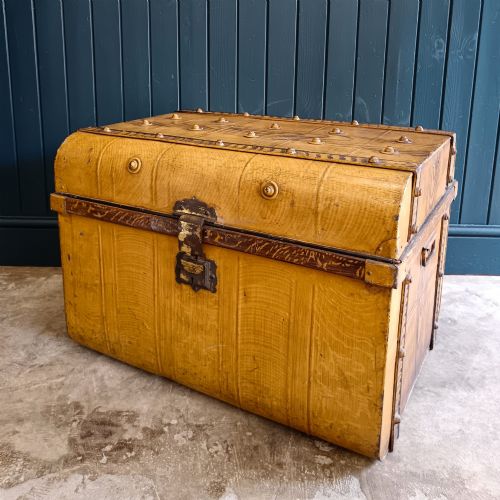
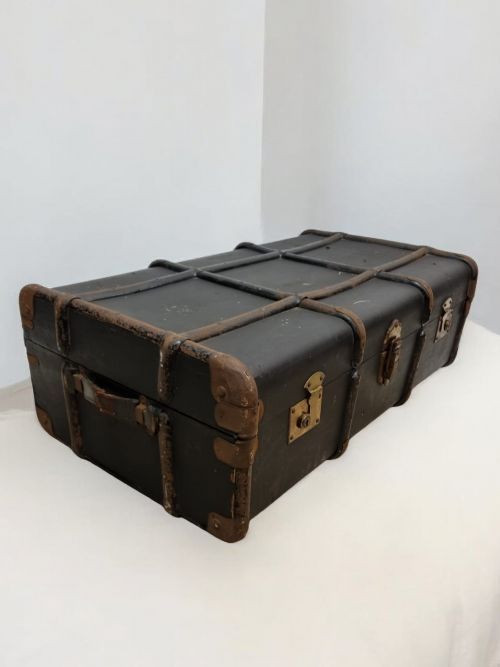
An antique steamer box, frequently categorised across listings as travel trunks, storage chests, and luggage cases, represents the sturdy portable containers used by passengers during the nineteenth and early twentieth centuries. These pieces were designed to fit beneath cabin berths on ocean liners or inside railway compartments, resulting in lower profiles than standard household storage.
The selections on this page span the Victorian, Edwardian, and 1920s periods, encompassing styles from Colonial Campaign to Art Deco. Buyers will encounter various forms, including dome-top chests, flat-topped travel trunks, and fitted luggage cases originating from English, French, and American workshops.
How they were made
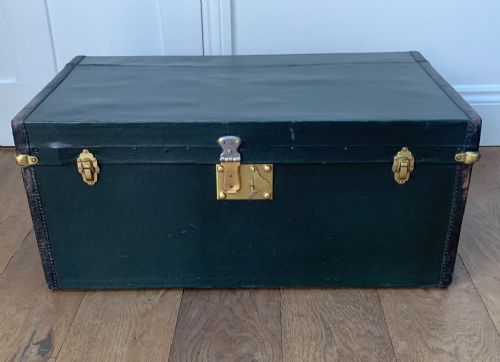
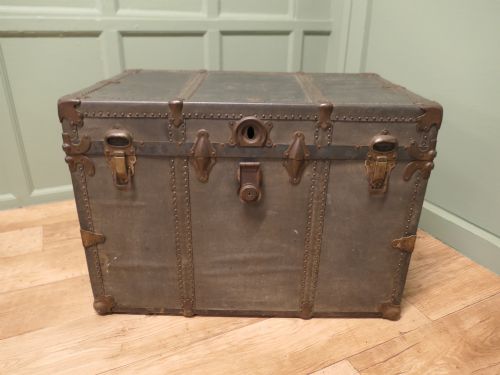
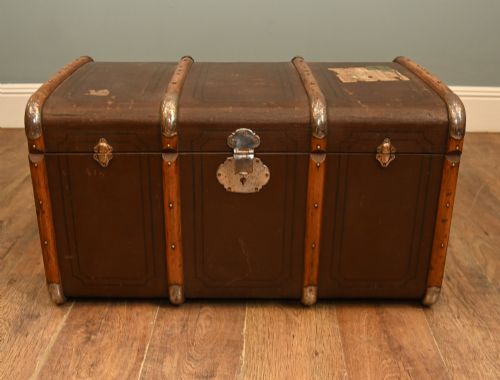
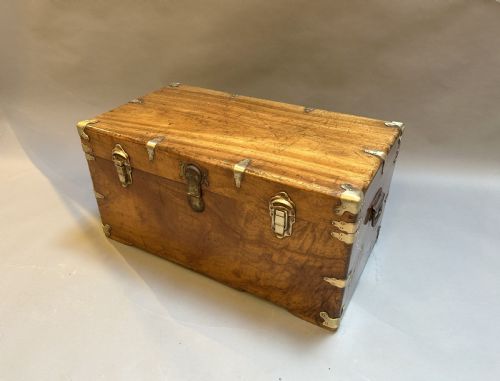
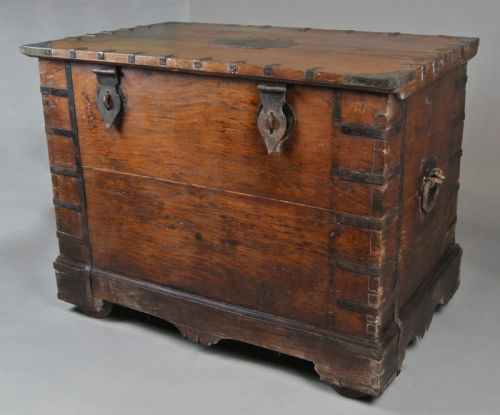
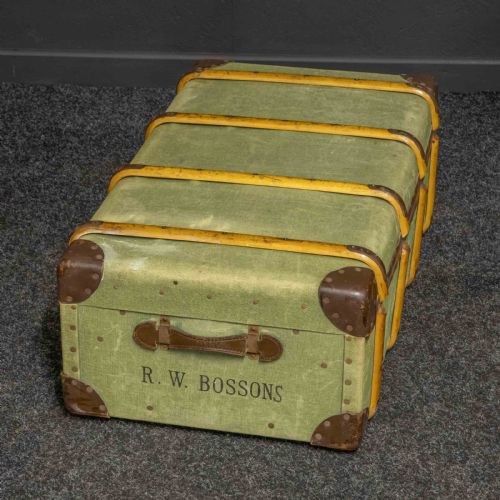
Construction relied upon dense timbers such as oak, camphor wood, and pine, reinforced with iron bands, brass capping, and steel bound corners to withstand heavy transit. Exterior surfaces were frequently covered in canvas, leather, or painted metal, providing essential weather resistance during long journeys.
Internal spaces often featured fitted compartments, trays, and durable linings designed to secure garments and valuables. Hardware elements like original brass locks, leather handles, and metal studs were securely fastened to ensure structural integrity under demanding travel conditions.
Antique Steamer Box Retail Price Guide 2026
Typical asking prices for steamer box among the pieces listed under this phrase on Sellingantiques today, from the lower quarter to the upper quarter. They describe what is for sale here now, not the wider market.
The listings on this page include pieces constructed from oak, camphor wood, pine, canvas, leather, brass, and iron across the Victorian, Edwardian, and 1920s eras.
What varies in quality
Quality in these trunks is largely determined by the grade of materials utilised in the framing and the retention of original hardware. Pieces incorporating camphor wood or English oak with heavy brass binding represent higher manufacturing standards than simpler pine iterations.
The presence of maker stamps, specialised interior fittings, and original canvas or leather coverings elevates the standing of a piece. Preserved structural elements and functional locking mechanisms distinguish standard utility luggage from exceptional examples.
H D Dean·Aux Etats Unis·Goyard·Louis Vuitton
The Antique Steamer Box Glossary
- Steamer trunk
- A low-profile travel chest designed specifically for use in the limited space of steamship cabins during the late nineteenth and early twentieth centuries. These pieces typically feature flat tops for stacking.
- Campaign trunk
- A portable storage box constructed for military officers or travellers on colonial expeditions, usually outfitted with recessed brass handles and reinforced corners. These chests break down or stack for ease of transport.
- Dome top
- A rounded lid configuration on a travel trunk that allowed rainwater to run off easily during outdoor transit. This style predates the flatter steamer trunks built for shipboard storage.
- Portmanteau
- A large travelling case or suitcase, typically made of leather, that opens into two equal compartments. The term derives from French roots describing a case for carrying cloaks.
- Camphor wood
- An aromatic timber prized in trunk construction for its natural insect-repellent properties, which helped protect stored textiles from moths during long voyages. It is frequently seen in pieces with colonial or maritime origins.
Antique Steamer Box: Frequently Asked Questions
What is an antique steamer box?
An antique steamer box is a portable luggage chest built during the nineteenth and early twentieth centuries for travel on steamships and trains.
These sturdy containers combine timber frames with protective exterior coverings like canvas or leather, secured by metal bands and brass hardware.
How were steamer trunks used?
Travellers packed clothing and personal possessions into these trunks for extended journeys by sea and rail, sliding them beneath cabin berths where space was restricted.
Interior compartments and lift-out trays kept smaller items organised while the heavy exterior protected contents from rough handling and moisture.
How do I date a steamer trunk?
Dating relies on examining the construction materials, hardware styles, and labels found on the piece. Victorian examples often feature brass-capped corners and oak or pine frames, while 1920s pieces frequently display specialised canvas coverings and maker stamps.
Earlier nineteenth-century pieces tend to use dome tops and heavy iron banding, whereas later models shifted to lower profiles suited for modern cabins.
How can I live with a steamer trunk?
These trunks function well as living room coffee tables, end of bed storage chests, or decorative display pieces in a hallway. Their robust construction allows them to support objects on top while concealing blankets, books, or seasonal items inside.
Placing a trunk in a dry room helps preserve the original leather, canvas, and wood materials without requiring complex maintenance.