
Antique Stationery
Antique stationery encompasses writing boxes, desks, and filing cabinets in mahogany, walnut, and brass that bring tactile organisation to modern correspondence.
Antique Stationery
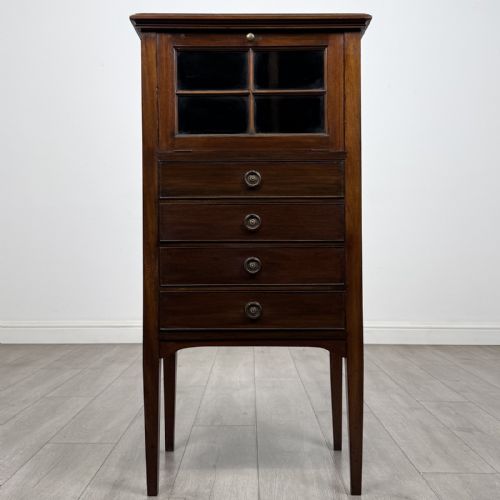
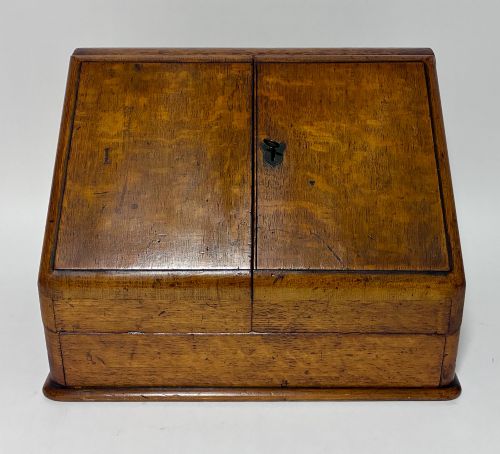
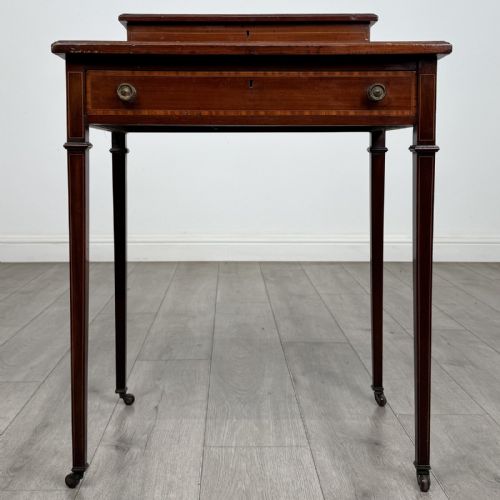
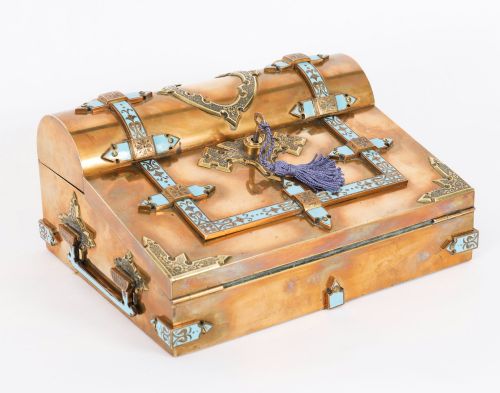
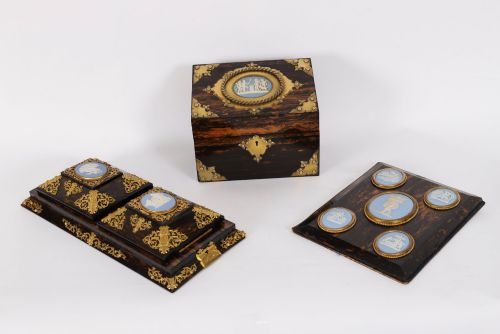
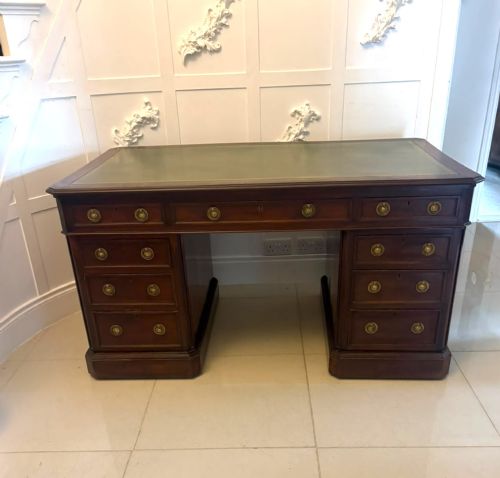
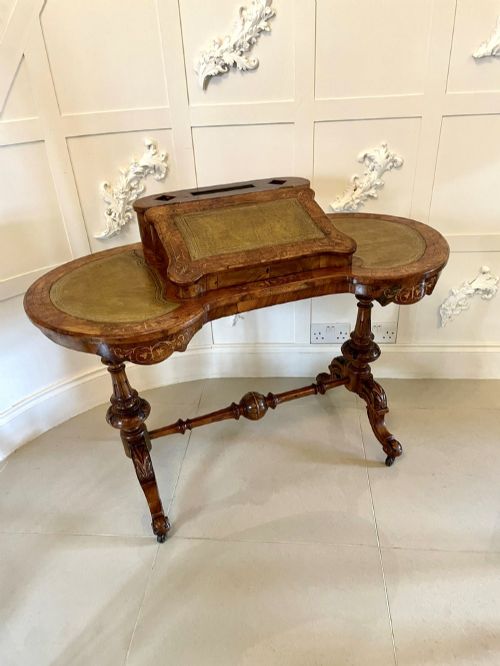
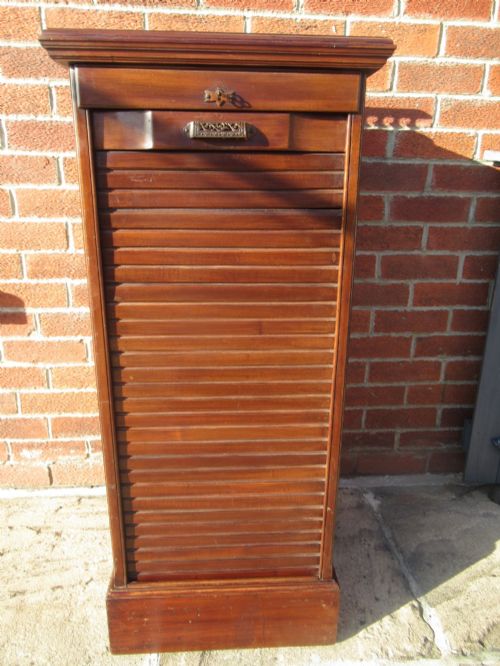
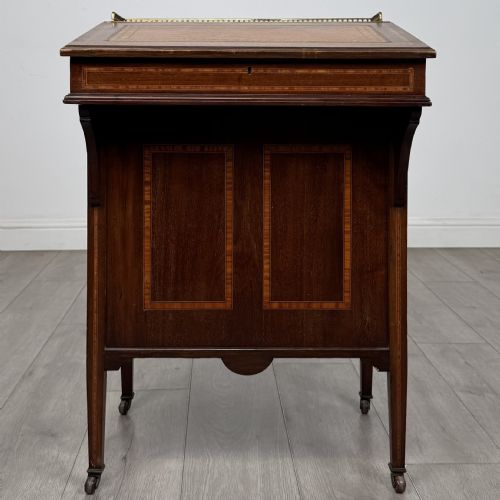
When you search for antique stationery, you encounter a specialised range of writing furniture and desktop accessories designed for correspondence in the nineteenth and early twentieth centuries. The selection spans portable campaign slopes, freestanding kneehole desks, tabletop stationery boxes, and tambour front filing cabinets.
Construction and Materials
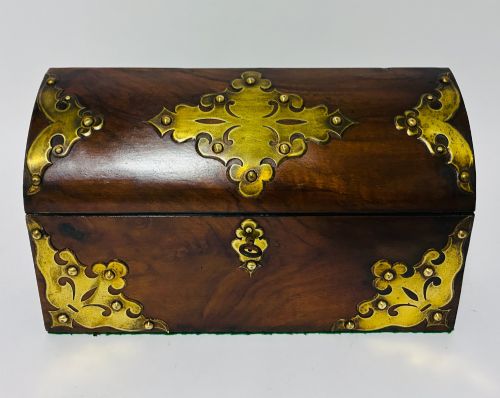
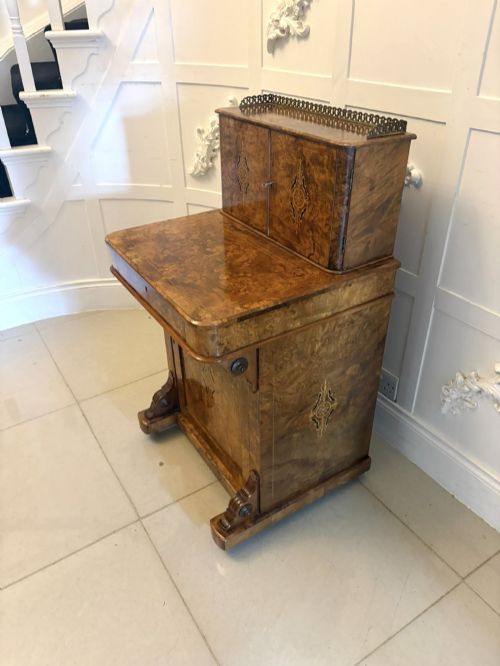
Cabinet makers utilised dense hardwoods like mahogany, rosewood, and walnut, frequently selecting burr veneers to produce striking figured surfaces on writing slopes and davenport desks. Brass featured prominently as reinforcement on campaign pieces and as decorative mounts on ormolu and enamel items.
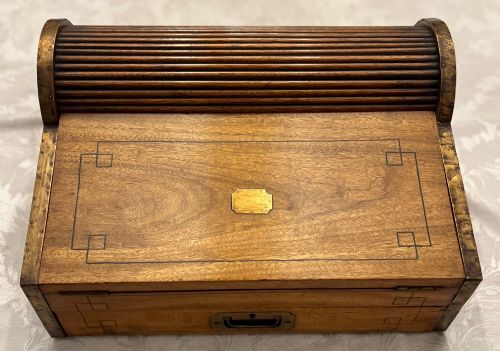
Joinery techniques included precise dovetailing for drawers and sliding mechanisms for tambour fronts on filing cabinets. Interior fittings incorporated secret compartments, leather writing surfaces, and dedicated slots for stationery, stamps, and letter openers.
Desk accessories range from standard letter racks to a brass parrot tape dispenser, adding avian character to historical correspondence.
Judging Quality
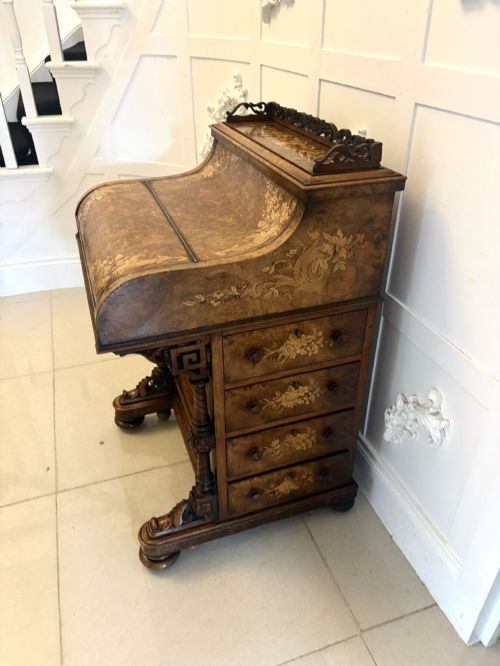
The upper tier of pieces displays exceptional timber selection, such as matching grain patterns across burr walnut stationery cabinets and finely executed floral marquetry. Superior examples retain their original brass hardware, working locks with keys, and complete fitted internal stationery dividers.
Simpler pieces intended for utilitarian purposes often show plainer secondary timbers and standard brass work without maker attribution. The presence of documented workshop stamps, such as Maple & Co., elevates a piece by confirming high-grade construction and provenance.
Edwards & Jones·Maple & Co.
The Antique Stationery Glossary
- Writing slope
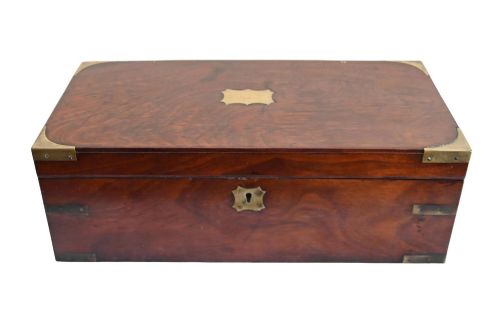
- A portable box with a hinged sloping lid that opens to reveal a velvet or leather-lined writing surface and compartments for stationery. These pieces were designed for travel or use on ordinary tables.
- Davenport desk
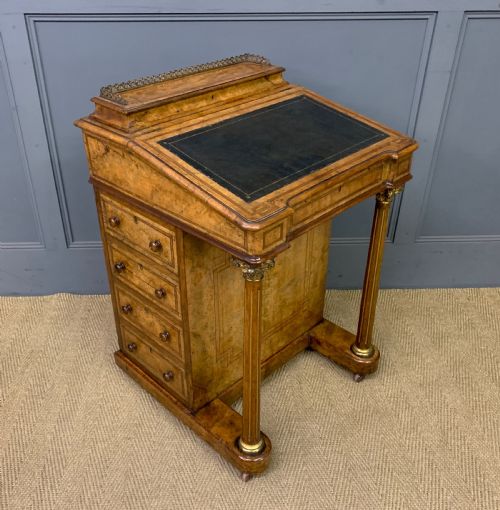
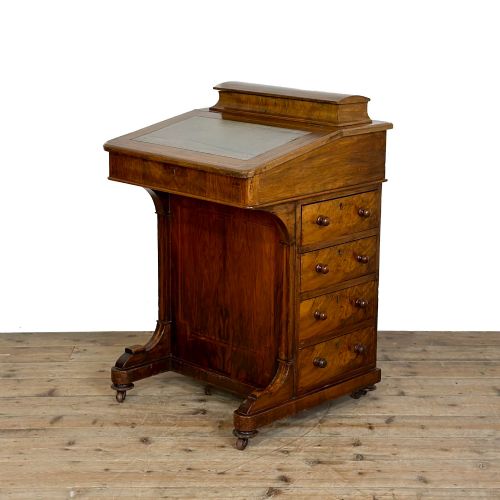
- A small compact desk featuring a sloped writing top above a pedestal of drawers, popular during the Victorian period. They often incorporate internal stationery compartments and side drawers.
- Tambour front
- A series of narrow wooden slats glued to a canvas backing that slides in a track to enclose a cabinet or desk interior. This mechanism allows access to filing slots in restricted desk spaces.
- Cartonnuer
- A desktop cabinet containing a series of labelled compartments or drawers for sorting papers and correspondence. These French-influenced pieces often incorporate ormolu mounts and rosewood veneers.
Antique Stationery: Frequently Asked Questions
What is a Victorian writing slope?
A Victorian writing slope is a portable box that folds open to provide an angled surface for writing letters. Inside, you find fitted compartments for inkwells, nibs, and stationery.
These boxes were built for portability during the nineteenth century, often reinforced with brass banding for travel. Many include secret drawers released by hidden latches.
How do tambour cabinets work?
Tambour cabinets utilise flexible wooden slats running in recessed tracks to open and close the front of the unit. This clever mechanism conceals internal filing shelves without requiring clearance for swinging doors.
They appear primarily on Edwardian office furniture and filing cabinets designed to save space. The slats require careful maintenance to ensure smooth sliding action.
What is a Davenport desk?
A Davenport desk is a compact form of writing furniture featuring a sloping desktop above a pedestal of drawers. The top surface often lifts to reveal organised stationery compartments.
Originating in the early nineteenth century, these desks suit smaller rooms while offering substantial internal storage. They frequently showcase figured burr walnut or mahogany veneers.
How do I identify campaign writing boxes?
Campaign writing boxes feature recessed brass handles, corner brackets, and sturdy hardwood construction designed for military officers on the move. Their flush hardware prevents snagging during transport.
These pieces break down or fold compactly, housing all necessary writing materials within a self-contained unit. The presence of brass-bound edges reliably signals campaign origins.