
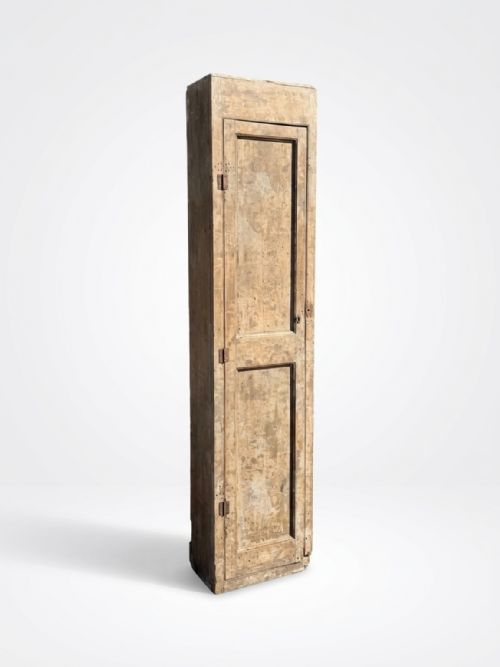


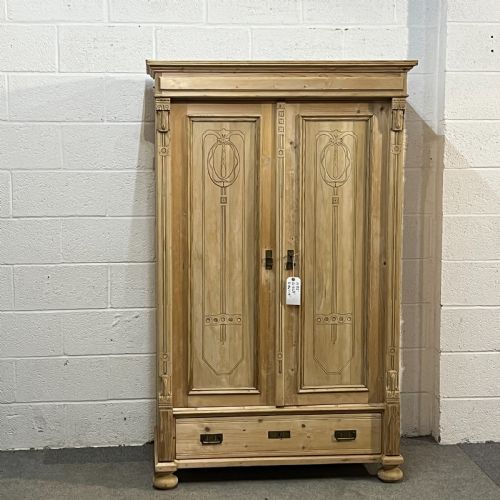


Antique Standing Pine Cabinet
An antique standing pine cabinet brings honest utility and warmth to a room, offering practical storage disguised in simple country charm.
Antique Standing Pine Cabinet
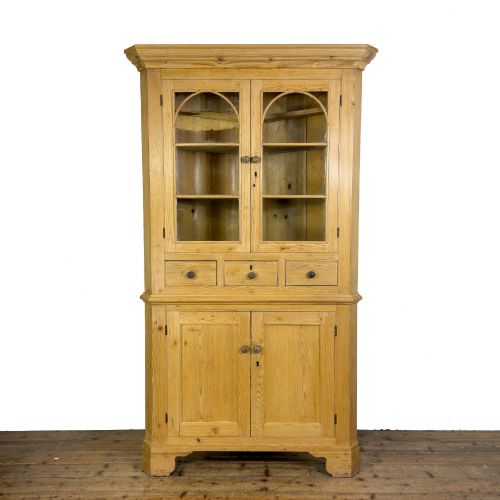
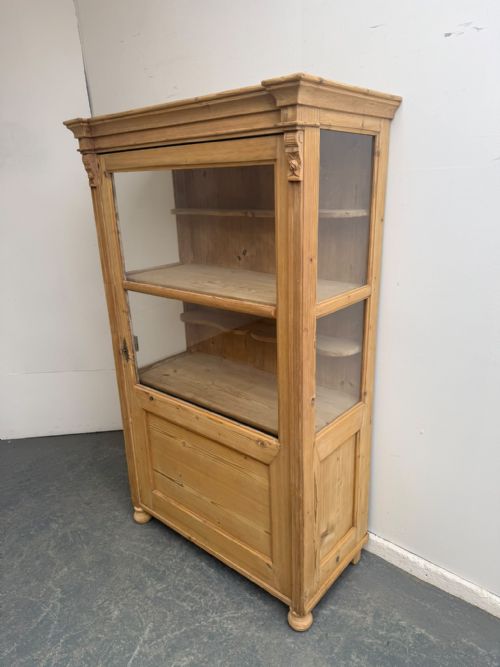
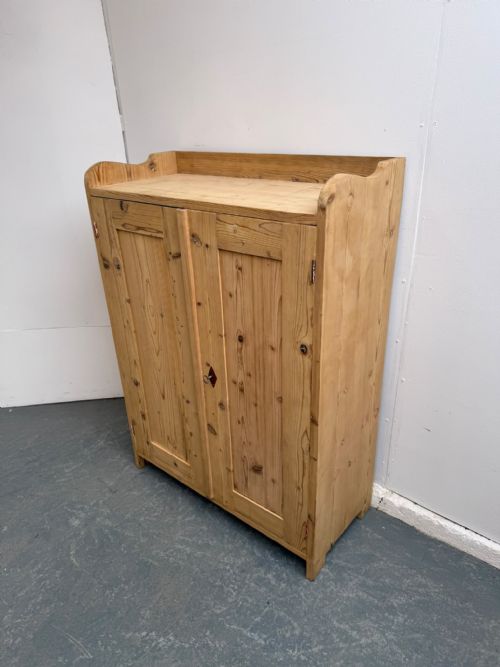
An antique standing pine cabinet encompasses tall forms designed to stand on the floor, including corner cupboards, housekeepers cupboards, display cabinets, and wardrobes. These pieces serve domestic storage needs across domestic spaces, utilising vertical room efficiently while providing enclosed shelving or hanging space.
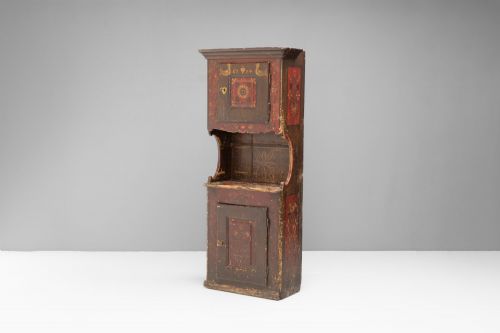
The selections span multiple eras, most frequently appearing from the eighteenth and nineteenth centuries, with Victorian and Georgian examples dominating the group. Styles range from utilitarian British country workshops to painted Scandinavian country and Swedish Gustavian interpretations.
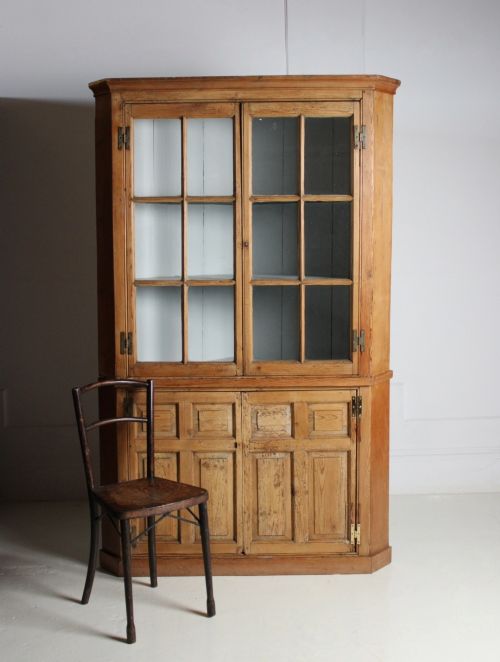
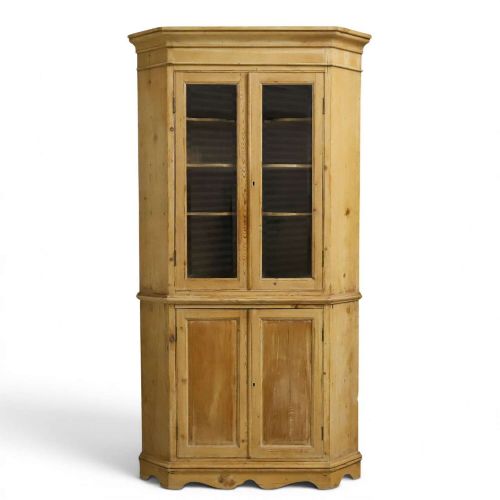
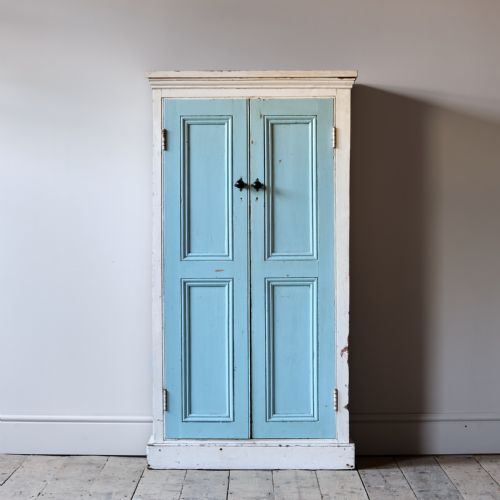
Buyers encounter everything from two-part corner cupboards with glass doors to large storage cupboards, food cupboards, and bedside units. Many retain traces of original painted finishes, simulated oak graining, or stripped pine surfaces ready for wax or paint.
Materials and construction
Makers relied primarily on solid pine for the main structure, carcass, and shelving of these freestanding pieces, often pairing it with secondary hardwoods where structural rigidity was required. Surfaces were treated in various ways, ranging from plain waxed pine to painted finishes, simulated oak effects, and decorative carving.
Hardware played a practical role, incorporating brass and iron for hinges, escutcheons, and locks. Glazed doors utilised glass panes to protect contents while allowing visibility in display cabinets, bookcases, and corner units.
Listings feature pieces spanning the eighteenth, nineteenth, and early twentieth centuries, incorporating Georgian and Victorian eras.
Factors determining quality
The degree of original surface treatment distinguishes pieces, with surviving early painted finishes or untouched patinated wax surfaces holding distinct character compared to later stripped wood. Cabinet-making finesse shows in the joinery of cornices, door frames, and the integration of original hardware like brass handles and iron hinges.
Proportion and form dictate desirability, where well-balanced two-part constructions, dome tops, and harmonious panel layouts reflect thoughtful proportioning by the maker. The survival of internal fittings, such as specialised shelving, drawers, or original glass, adds integrity to the piece.
The Antique Standing Pine Cabinet Glossary
- Corner cupboard
- A cabinet specifically constructed with a triangular footprint to fit neatly into the corner of a room, saving floor space while utilising neglected angles.
- Housekeepers cupboard
- A large, tall storage unit traditionally used in large domestic houses for storing linen, dry goods, and household provisions.
- Two-part form
- A piece of furniture built in two separate sections, usually a top cabinet resting on a lower base, designed to make transport and positioning manageable.
- Simulated oak
- A painted decorative technique applied to pine surfaces to mimic the more expensive grain and appearance of oak timber.
- Gustavian
- The Swedish neoclassical style spanning the late eighteenth century, known for lighter proportions, pale painted finishes, and restrained classical detailing.
Antique Standing Pine Cabinet: Frequently Asked Questions
How do I date a pine cabinet?
Dating relies on observing construction methods, timber preparation, and hardware styles. Hand-cut dovetails, handmade screws, and original paint surfaces offer primary clues to the century of manufacture.
Secondary indicators include overall proportions, decorative motifs like Art Nouveau lines or Georgian cornices, and the type of secondary woods used in the interior framing.
Are these cabinets difficult to maintain?
Maintenance requires minimal effort, mostly involving occasional gentle waxing to nourish unpainted pine surfaces and dusting with a dry cloth. Avoiding direct sunlight and sudden humidity changes protects the wood from warping.
Painted or simulated grain surfaces need careful cleaning with mild, non-abrasive products to preserve the historic finish without stripping the pigment.
Where should I place a corner cabinet?
A standing corner cabinet suits empty room angles, turning dead space into a functional display or storage area. They anchor dining rooms, hallways, and sitting rooms effectively.
Ensure the wall angles match the ninety-degree or specific geometry of the cabinet back so the piece sits flush against the wall.